Loading video…


 7 Concepts
 94.4K views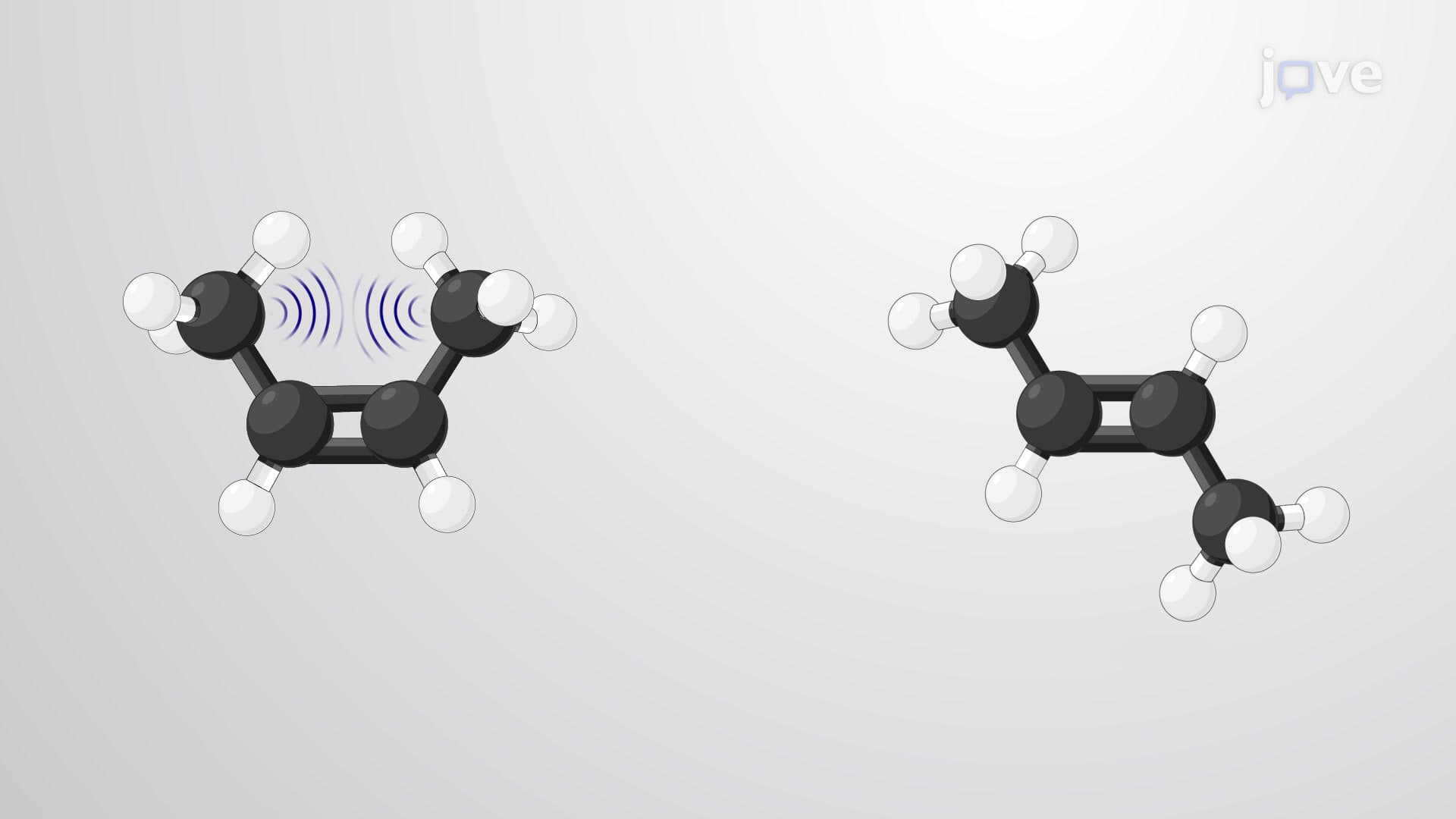

Video Summary: What are Relative Stabilities of Alkenes
Ever wonder why gasoline contains certain hydrocarbon molecules over others? The relative stabilities of alkenes determines which compounds are energetically favorable, directly impacting fuel efficiency in American automobiles. Understanding what are relative stabilities of alkenes reveals that more substituted alkenes release less energy during hydrogenation reactions, making them inherently more stable. This concept explains why petroleum refineries can optimize fuel blends for maximum performance. Watch the full video on JoVE Coach to master this concept with expert-led visuals and step-by-explanations.
The relative stabilities of alkenes definition centers on comparing the energy changes when different alkenes undergo identical chemical reactions. When alkenes react with hydrogen gas in the presence of catalysts like platinum or palladium, they release measurable amounts of energy called heat of hydrogenation. This experimental approach provides quantitative data to rank alkene stability: lower heat release indicates higher stability.
American petroleum companies routinely apply this principle when analyzing crude oil components. ExxonMobil and Chevron laboratories measure hydrogenation energies to optimize refining processes, ensuring that more stable alkene products reach consumers as high-performance fuels.
The number and arrangement of alkyl substituents around the carbon-carbon double bond dramatically influences stability. Monosubstituted alkenes (like propene) exhibit the highest heat of hydrogenation, while tetrasubstituted alkenes (such as 2,3-dimethyl-2-butene) release the least energy, confirming their superior stability.
This stability trend originates from two key electronic factors. First, sp2-sp3 carbon bonds possess lower energy than sp3-sp3 bonds due to increased s-orbital character, which places electrons closer to the nucleus. Second, hyperconjugation allows electron density from adjacent C-H bonds to delocalize into the pi system, providing additional stabilization.
Students preparing for the MCAT or AP Chemistry exams frequently encounter problems requiring prediction of relative stabilities. Understanding these electronic effects enables accurate ranking of alkene isomers and prediction of reaction product distributions.
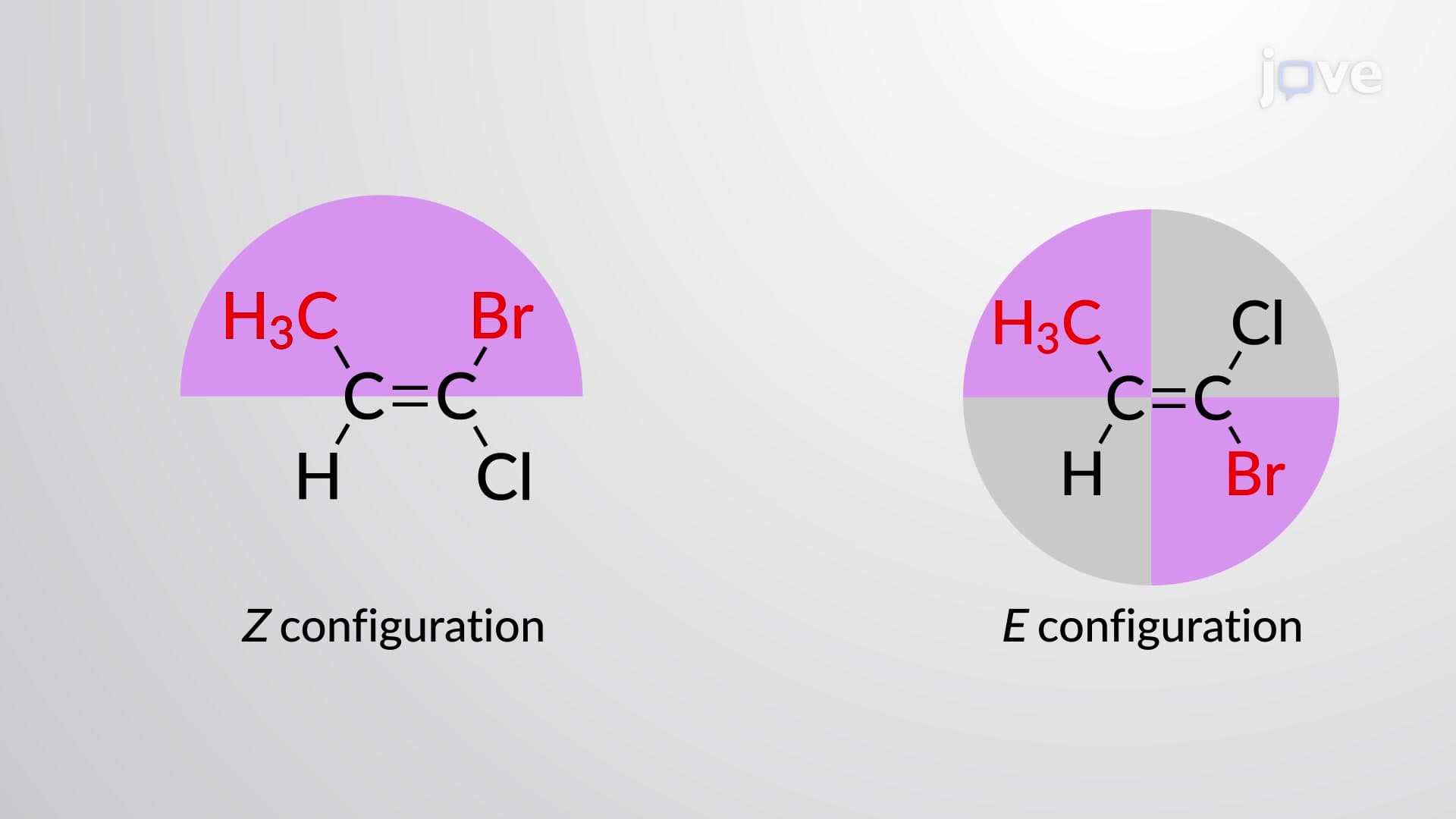
Geometric isomerism profoundly affects alkene energetics. Trans alkenes consistently demonstrate lower heats of hydrogenation compared to their cis counterparts, making trans isomers more thermodynamically stable. This difference stems from steric repulsion between substituents positioned on the same side of the double bond in cis configurations.
Consider 2-butene: the trans isomer experiences minimal steric hindrance, while the cis form suffers from unfavorable methyl-methyl interactions. Industrial applications leverage this principle in processes like the Shell Higher Olefin Process, where trans alkenes are preferentially produced for polymer synthesis.
College organic chemistry courses emphasize these stability relationships when teaching elimination reactions, where more stable alkene products form preferentially according to Zaitsev's rule.
Related Micro-courses