Loading video…


 15 Concepts
 161.5K views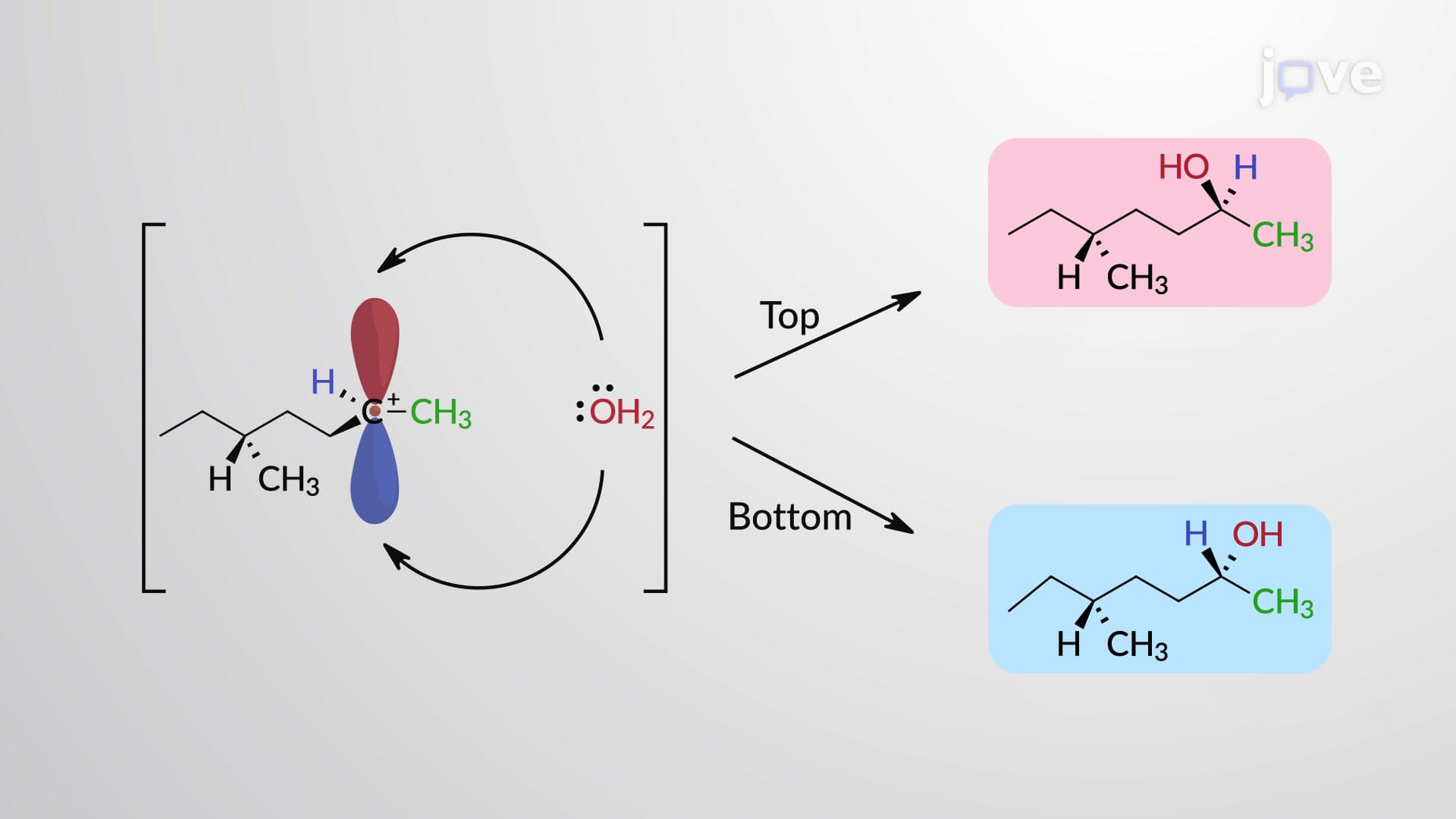

Video Summary: Regioselectivity and Stereochemistry of Acid Explained
Ever wonder why pharmaceutical companies can create specific drug forms that work differently in your body? Regioselectivity stereochemistry acid reactions determine where and how molecules attach during chemical processes. In drug manufacturing at companies like Pfizer, understanding regioselectivity and stereochemistry of acid explained principles helps create medications with precise molecular arrangements. These acid-catalyzed reactions follow predictable patterns that chemists use to synthesize everything from aspirin to advanced cancer treatments. Watch the full video on JoVE Coach to master this concept with expert-led visuals and step-by-step explanations.
Regioselectivity stereochemistry acid principles govern how molecules interact during chemical transformations, determining both where bonds form (regioselectivity) and their spatial arrangements (stereochemistry). These concepts are fundamental to organic chemistry and appear extensively on AP Chemistry exams, MCAT organic chemistry sections, and college-level coursework.
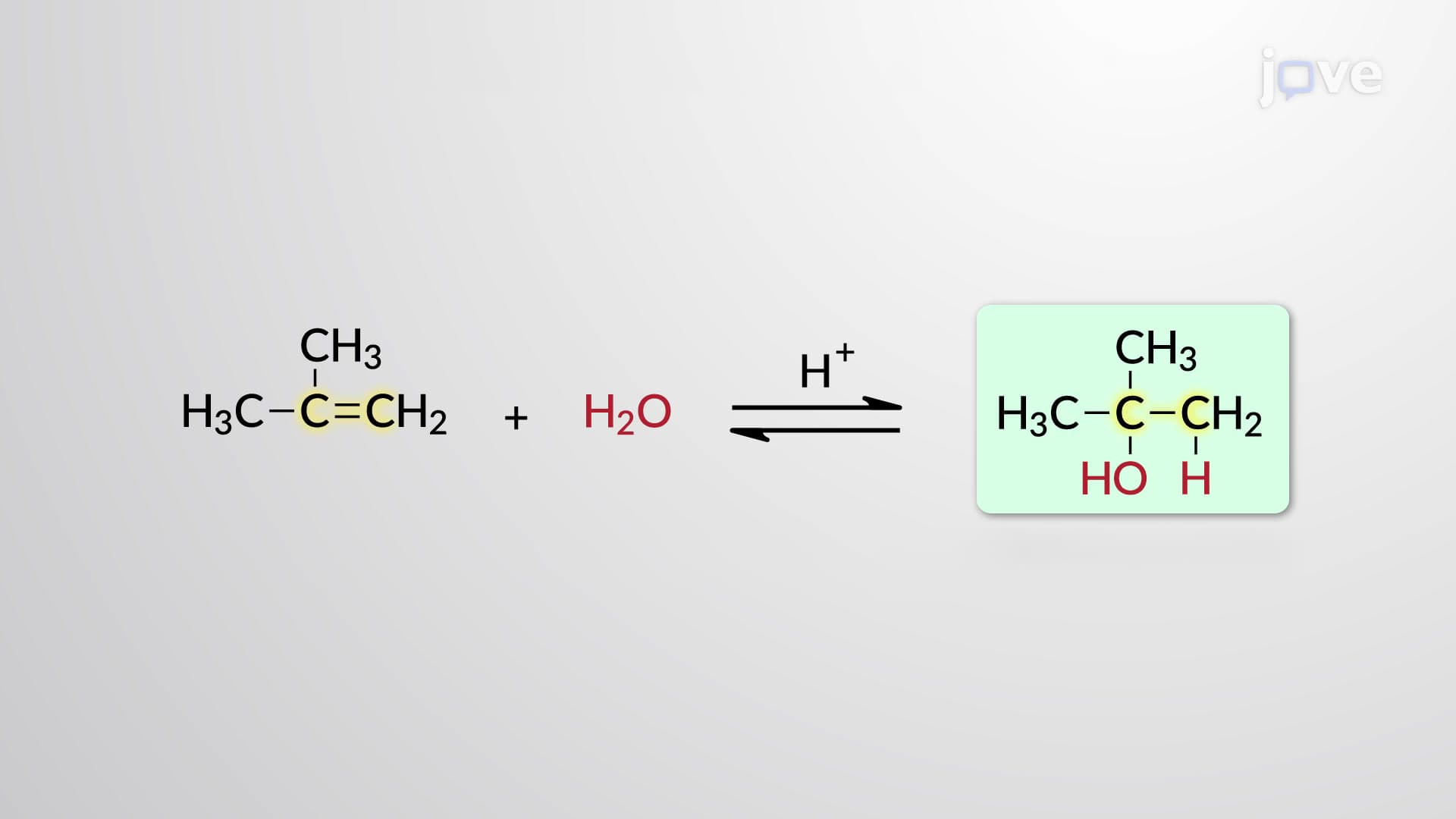
The key to understanding regioselectivity and stereochemistry of acid reactions lies in carbocation stability. When acids protonate alkenes, they create positively charged intermediates called carbocations. Tertiary carbocations (surrounded by three carbon groups) are most stable, followed by secondary (two carbon groups), then primary (one carbon group). This stability difference explains why 2-methylpropene reacts faster than propene in acid-catalyzed hydration-the tertiary carbocation intermediate forms more readily.
In pharmaceutical synthesis, companies like Johnson & Johnson exploit these stability differences to create specific drug conformations. The more stable carbocation pathway becomes the major reaction route, allowing chemists to predict and control product formation.
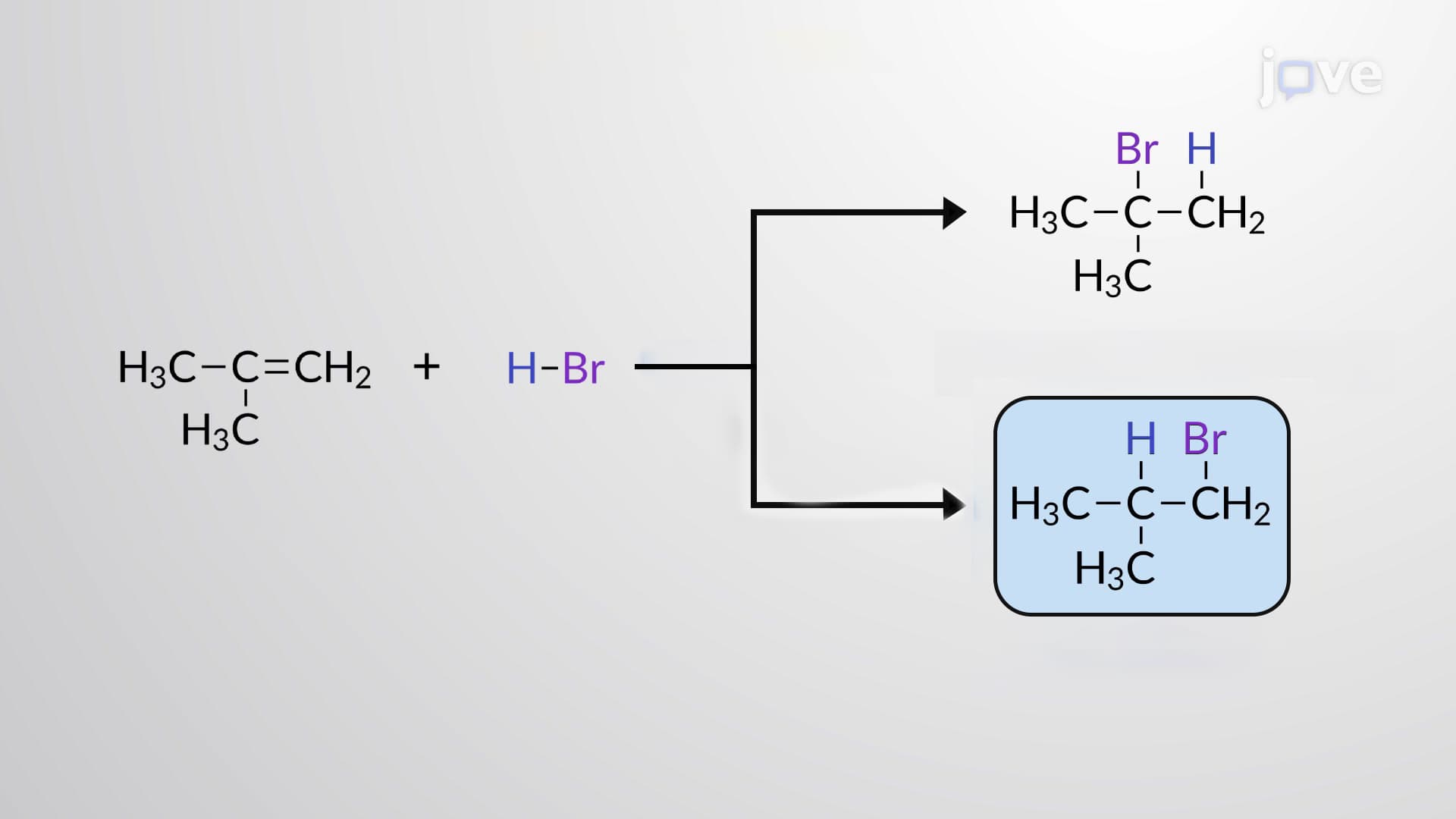
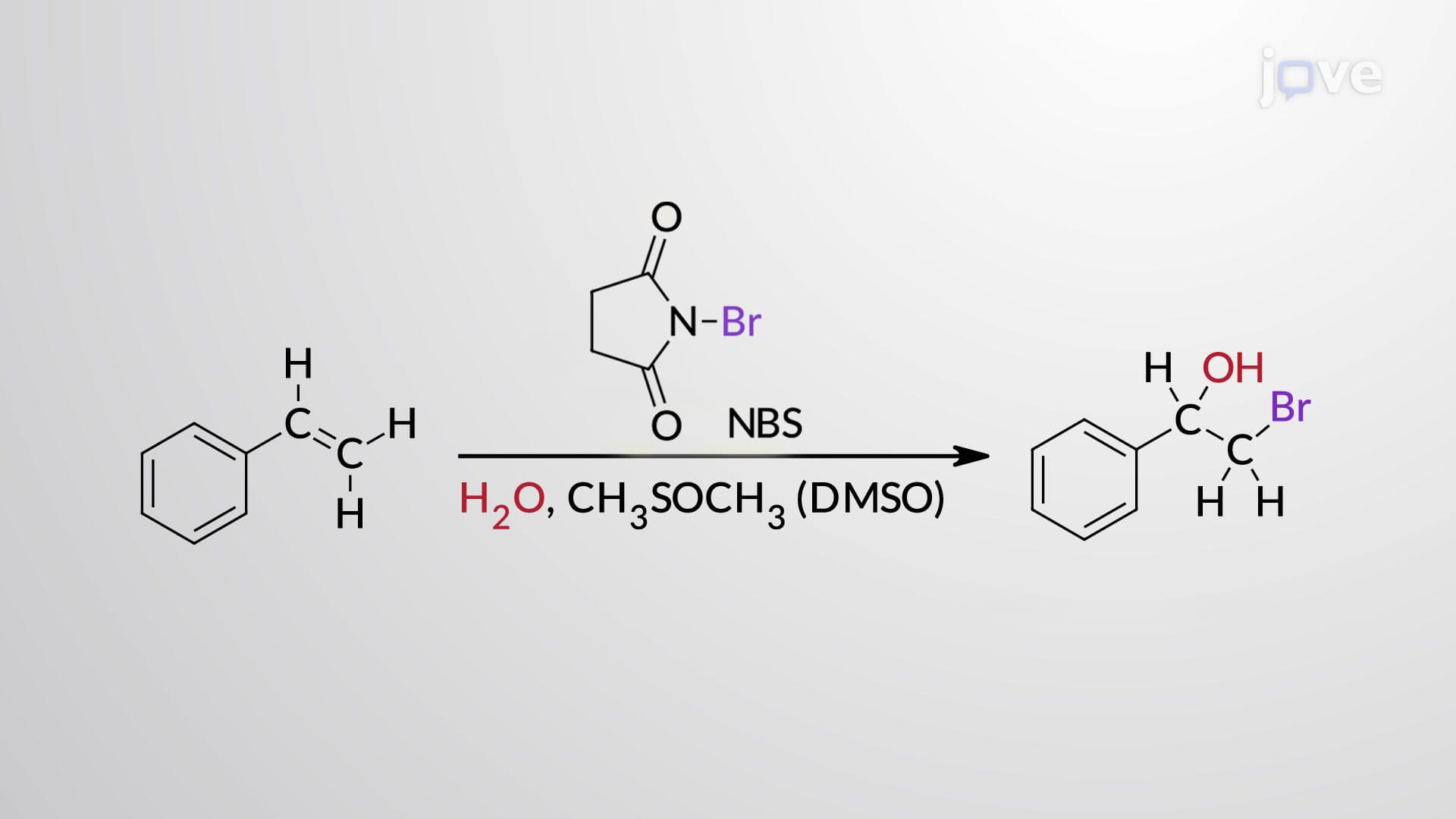
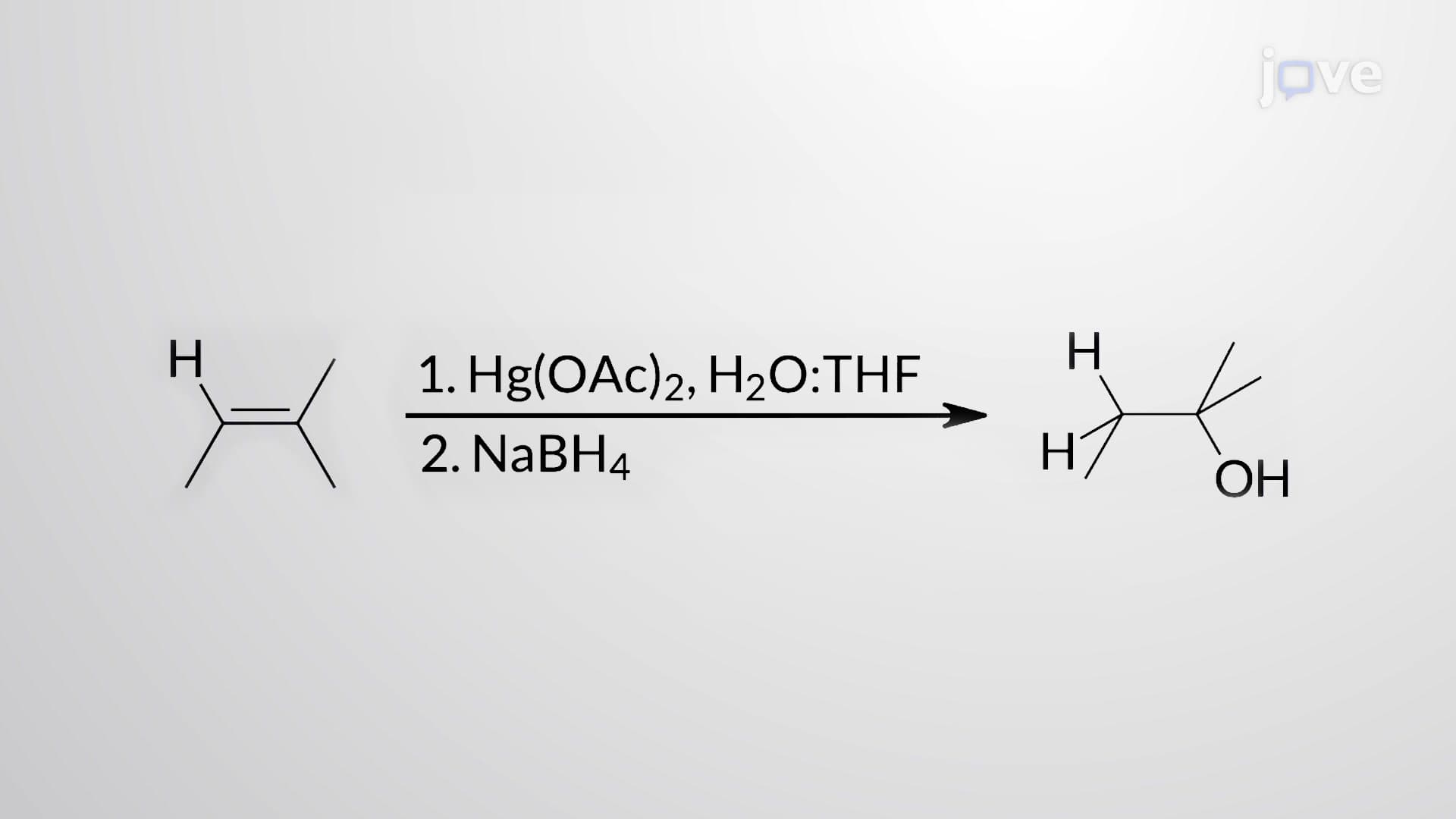
Regioselectivity stereochemistry acid reactions typically follow Markovnikov's rule: the hydrogen adds to the carbon with more hydrogens, while the nucleophile (like water) attacks the more substituted carbon. This occurs because protonation creates the most stable carbocation intermediate. For example, when propene undergoes acid-catalyzed hydration, the hydrogen attaches to the terminal carbon, forming a secondary carbocation that water then attacks.
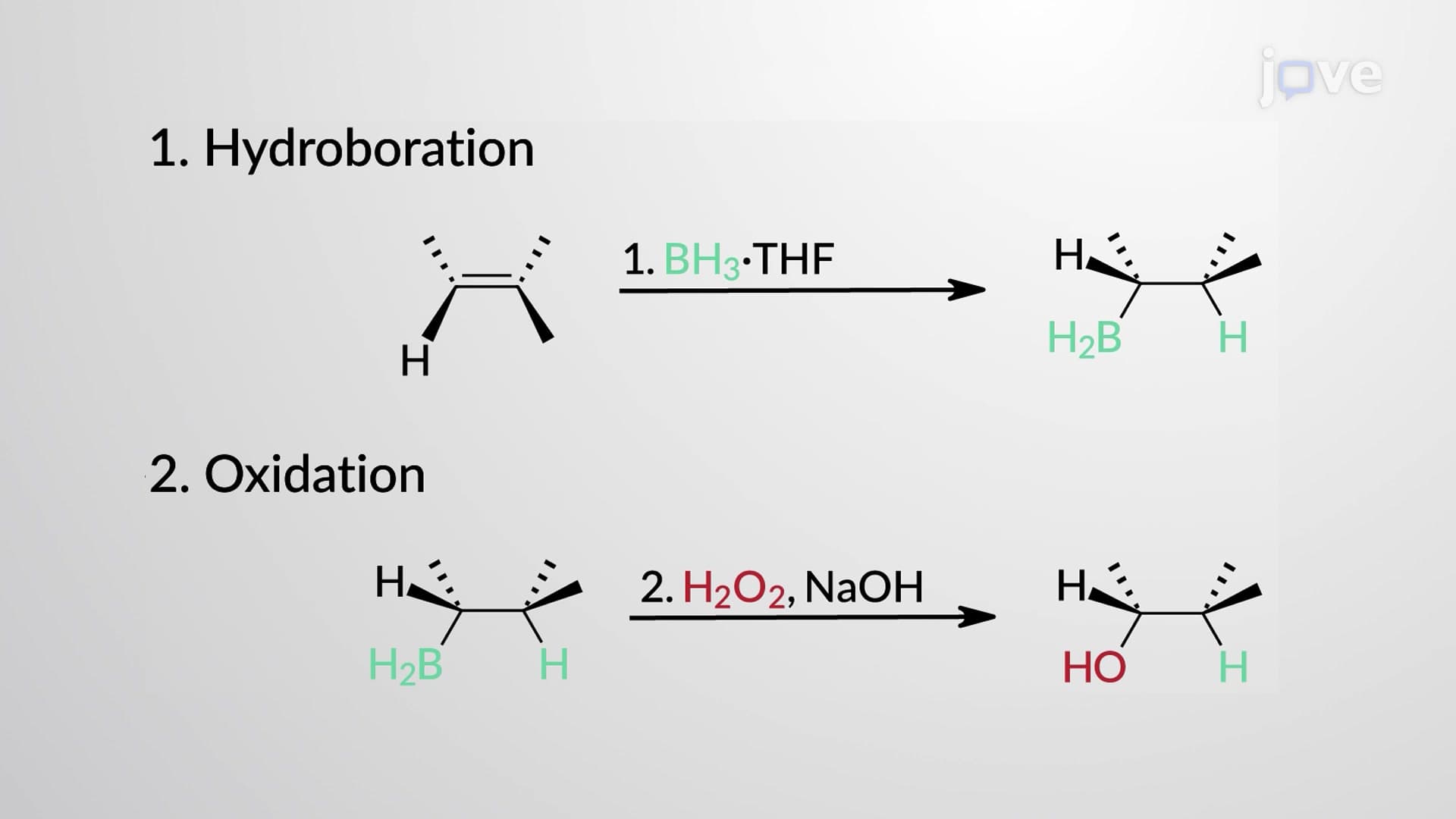
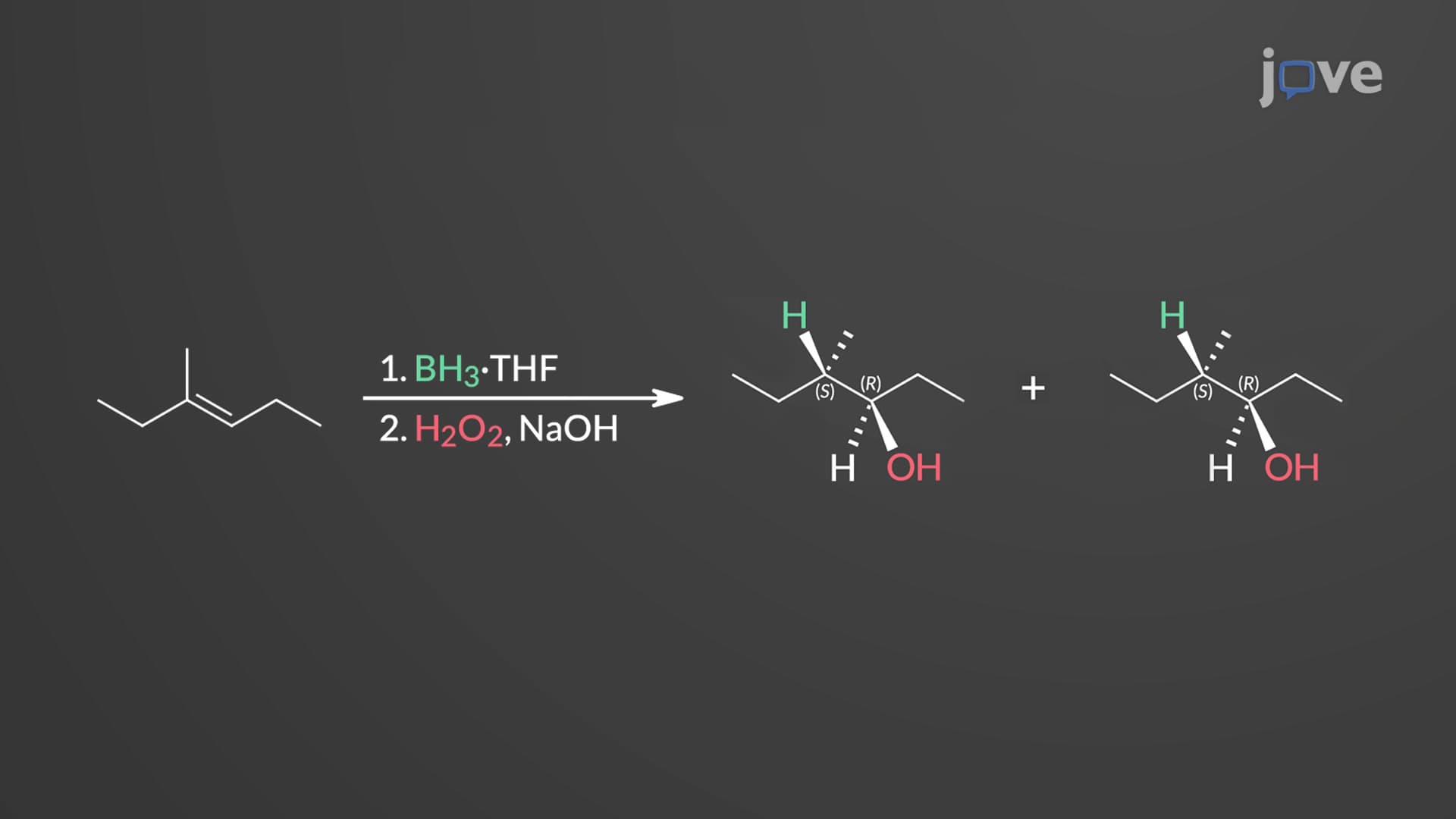
When regioselectivity and stereochemistry of acid reactions create new chiral centers, the products depend on the starting materials. Achiral alkenes produce racemic mixtures (equal amounts of R and S enantiomers) because nucleophiles attack both faces of the planar carbocation equally. However, chiral alkenes create diastereomeric products in unequal amounts due to steric hindrance that makes one face more accessible than the other.
This principle is crucial in drug development, where different stereoisomers can have vastly different biological effects. The FDA requires pharmaceutical companies to test each stereoisomer separately, making understanding of these reactions essential for drug design.
Related Micro-courses