Loading video…


 15 Concepts
 161.5K views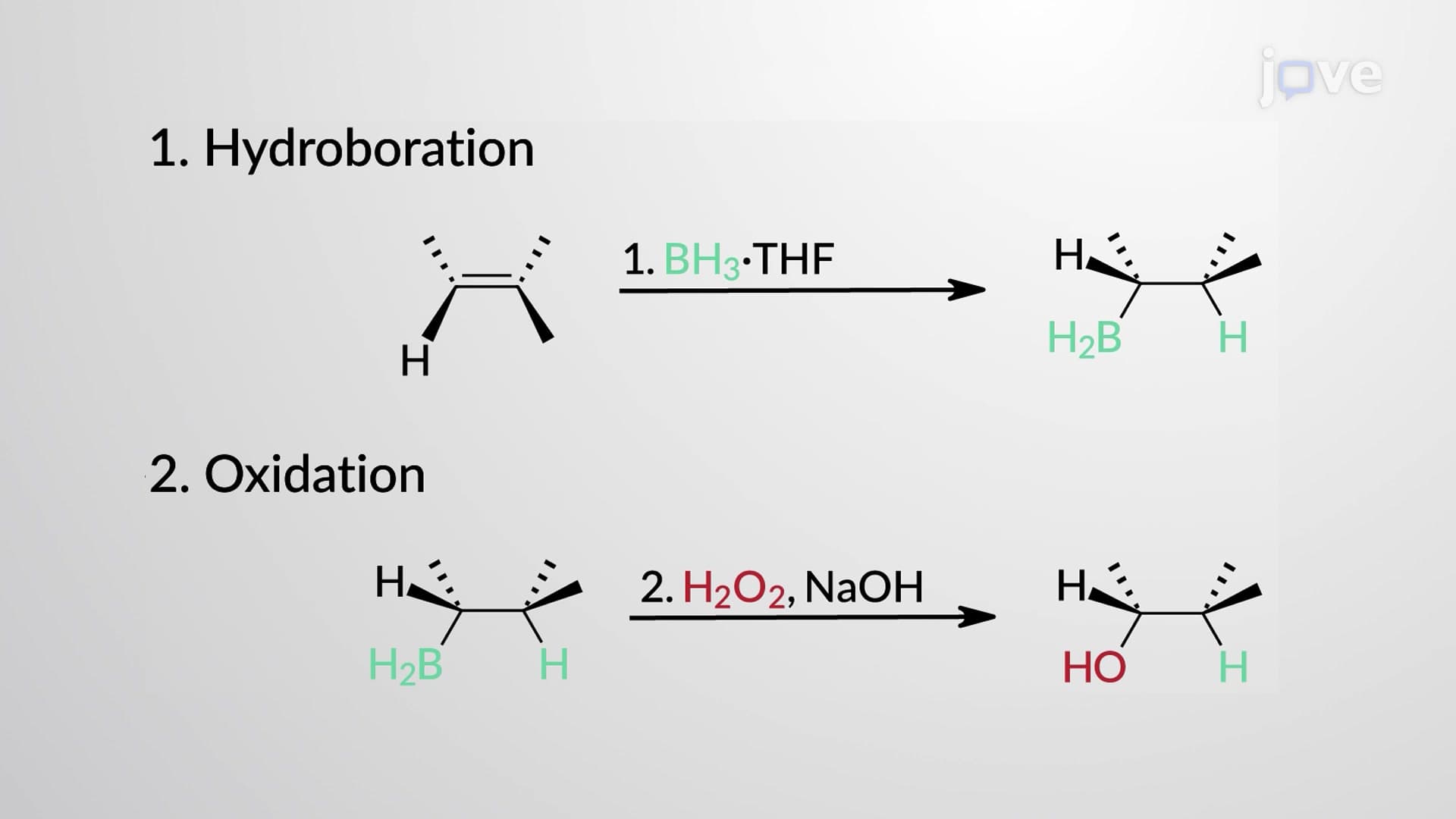

Video Summary: What are Hydroboration Oxidation of Alkenes
Did you know that pharmaceutical companies use hydroboration oxidation alkenes reactions to synthesize life-saving medications with precise molecular structures? This anti-Markovnikov reaction pathway allows chemists at companies like Pfizer to create specific alcohol products that would be impossible through traditional methods. What are hydroboration oxidation of alkenes involves a two-step process that converts alkenes into alcohols with remarkable selectivity and stereochemical control. Watch the full video on JoVE Coach to master this concept with expert-led visuals and step-by-step explanations.
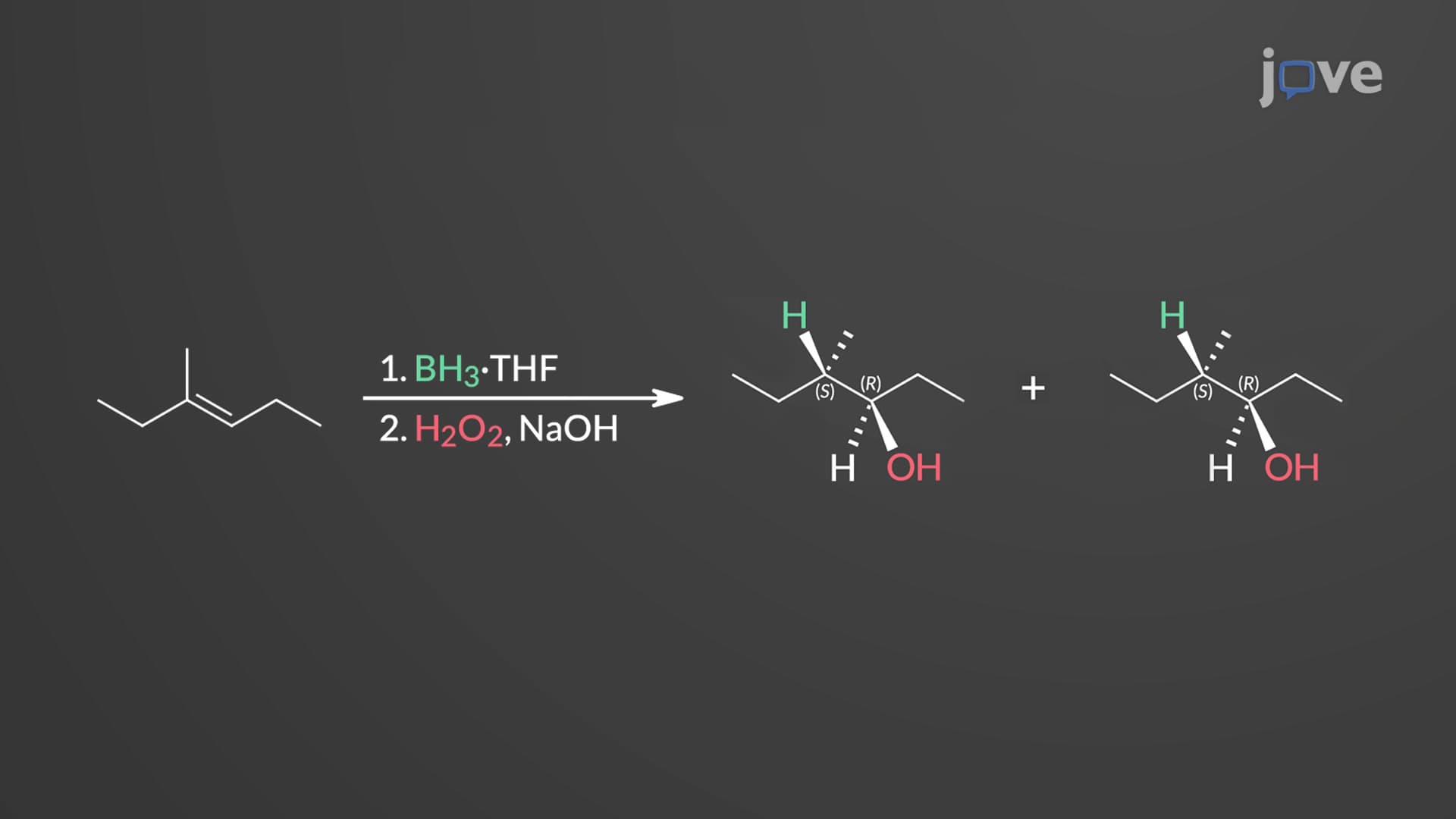
Hydroboration oxidation of alkenes represents one of the most important synthetic transformations in organic chemistry, particularly valued for its anti-Markovnikov regioselectivity and syn-stereoselectivity. This reaction sequence provides chemists with a powerful tool to convert simple alkenes into complex alcohols with predictable regiochemical and stereochemical outcomes.
The reaction's significance extends beyond academic laboratories into industrial applications. Major pharmaceutical companies like Merck and Johnson & Johnson routinely employ hydroboration-oxidation in multi-step syntheses of active pharmaceutical ingredients (APIs). The reaction's ability to install hydroxyl groups at less substituted carbons makes it invaluable for creating specific molecular architectures required in drug development.
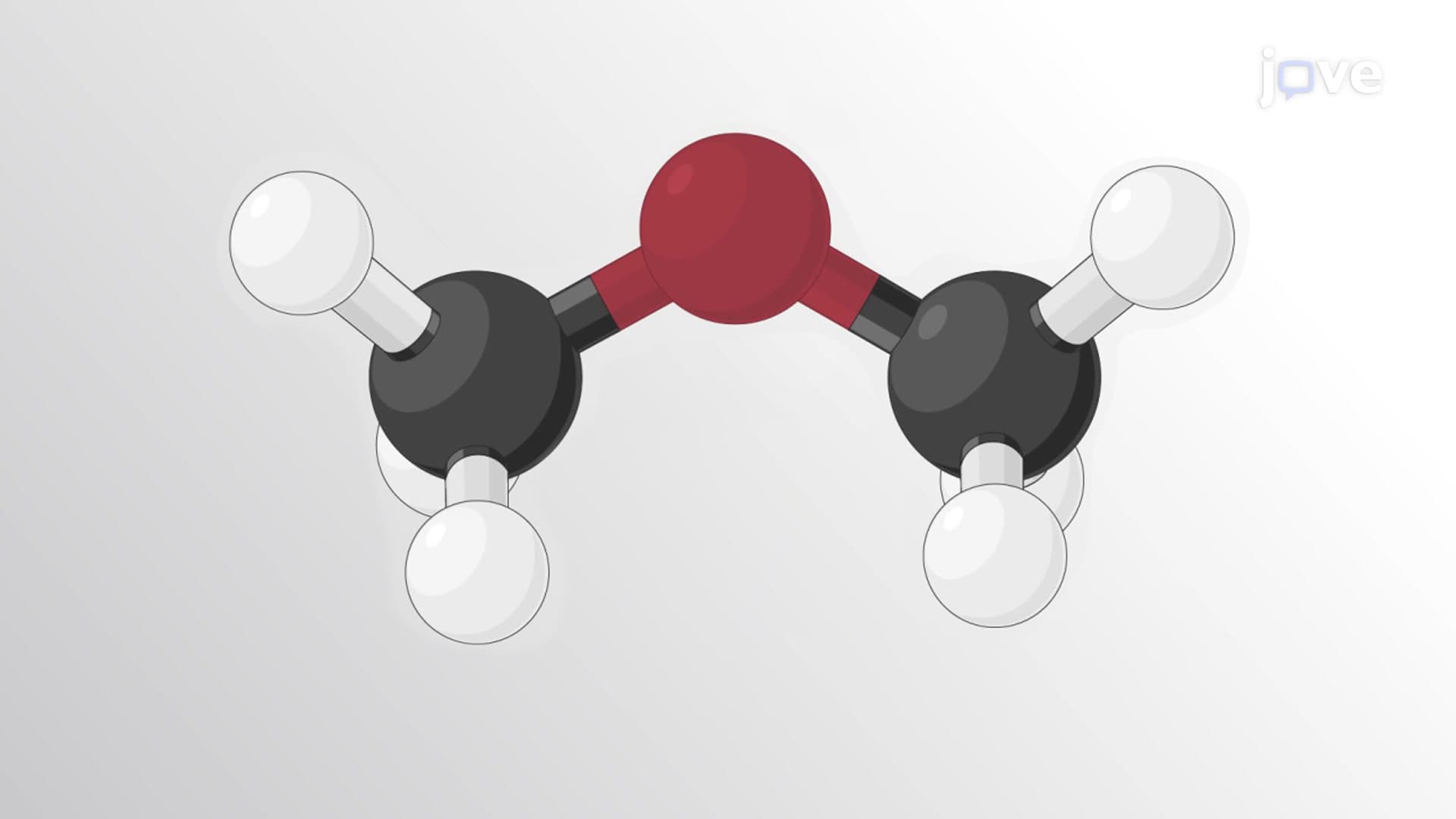
The hydroboration step involves borane (BH₃), an electron-deficient species with a vacant p-orbital that makes it highly electrophilic. In its monomeric form, borane is unstable and tends to dimerize. However, coordination with tetrahydrofuran (THF) stabilizes the borane through electron donation, creating a workable reagent for synthesis.
The concerted addition mechanism ensures syn-stereoselectivity, meaning both the boron and hydrogen add to the same face of the alkene. This stereochemical control is crucial in pharmaceutical applications where specific three-dimensional arrangements determine biological activity. The boron preferentially bonds to the less substituted carbon due to steric factors, establishing the anti-Markovnikov regioselectivity pattern.
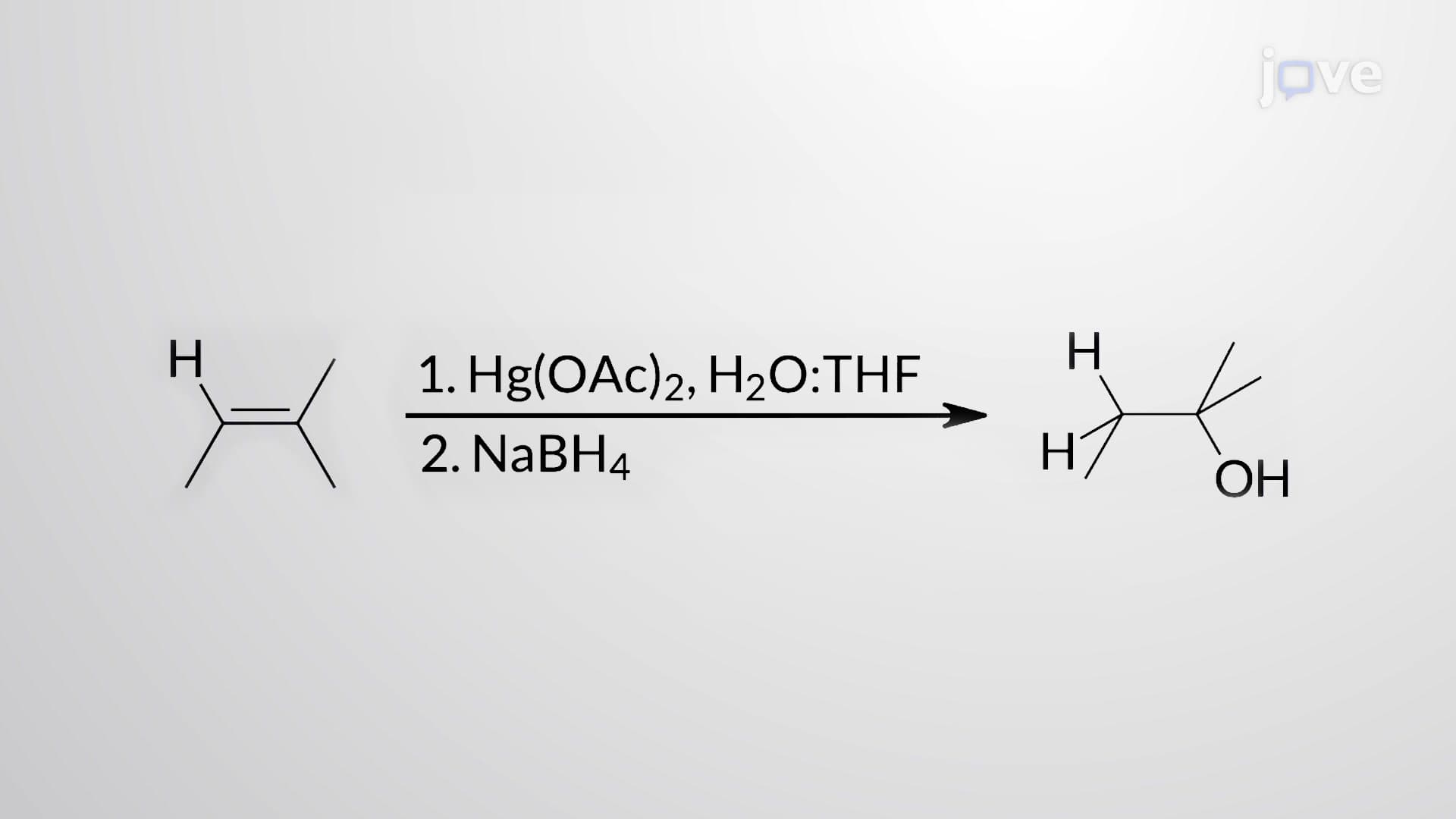
The oxidation phase transforms the initial organoborane intermediate into the final alcohol product. Hydrogen peroxide in basic conditions provides the oxidizing power, while hydroxide ions facilitate the complex rearrangement process. The migration of alkyl groups from boron to oxygen represents a fascinating example of 1,2-migration chemistry.
This oxidation mechanism is particularly relevant for students preparing for the MCAT or AP Chemistry exams, as it demonstrates multiple organic chemistry principles including nucleophilic attack, rearrangement reactions, and stereochemical retention.
Students encounter hydroboration-oxidation reactions extensively in organic chemistry courses at institutions like MIT, Stanford, and state universities nationwide. The reaction frequently appears on college midterm exams and is a staple topic in advanced placement chemistry curricula. Understanding this transformation provides excellent preparation for graduate-level synthetic chemistry and medicinal chemistry programs.
Related Micro-courses