Loading subject page…


161,502 views

Video Summary: What are Oxymercuration Reduction of Alkenes
Ever wondered how pharmaceutical companies create alcohol-based medications from simple carbon compounds? Oxymercuration reduction of alkenes represents one of organic chemistry's most reliable methods for converting alkenes into alcohols with precise control over product formation. Unlike unpredictable acid-catalyzed reactions, this two-step process-used extensively in drug manufacturing facilities across states like New Jersey and California-delivers consistent, high-yield results. Watch the full video on JoVE Coach to master this concept with expert-led visuals and step-by-step explanations.
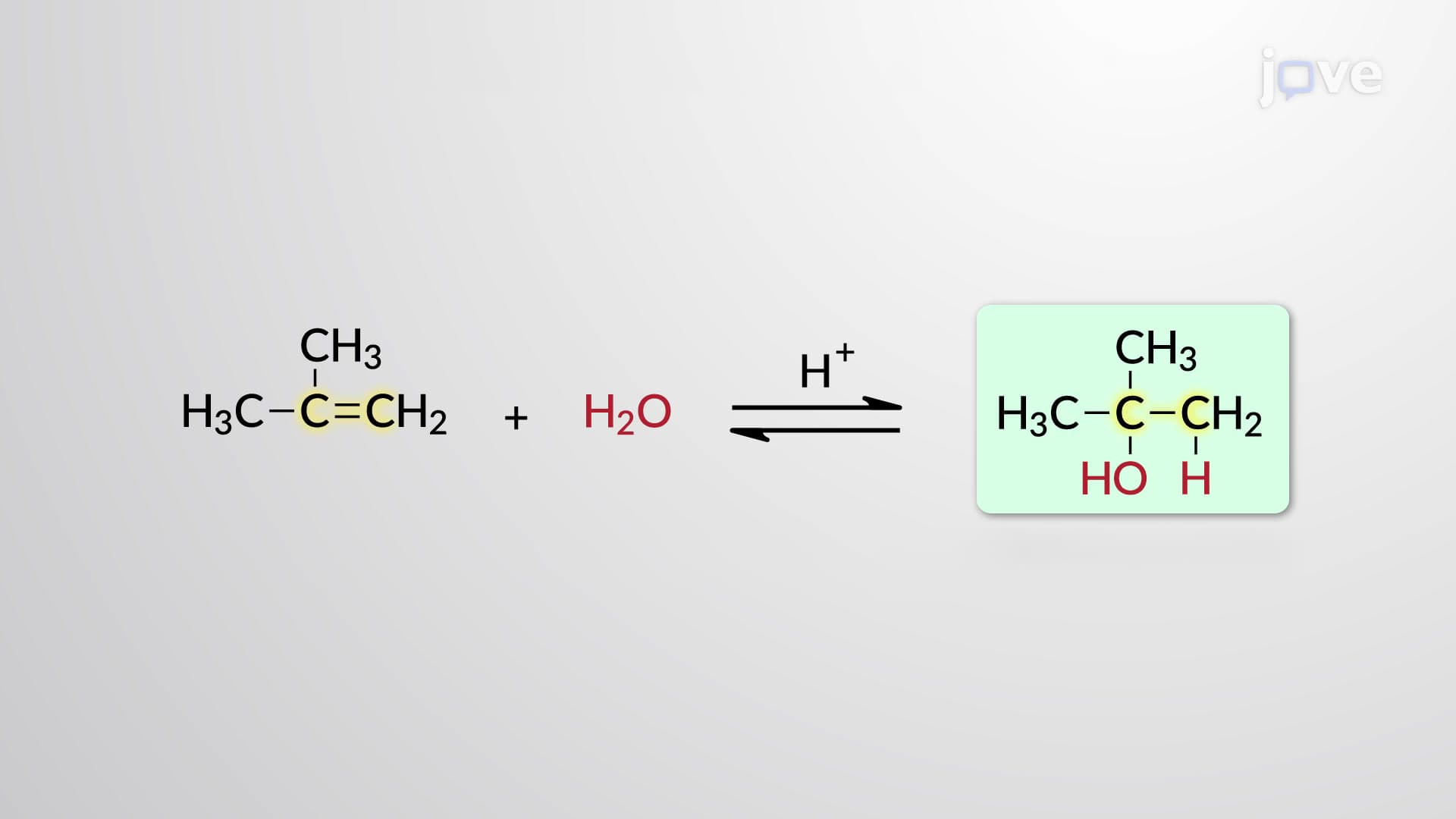
Oxymercuration reduction of alkenes serves as a cornerstone reaction in organic synthesis, particularly valuable for students preparing for AP Chemistry, MCAT, or college organic chemistry courses. This method transforms alkenes into alcohols through a controlled two-step sequence that avoids the unpredictable rearrangements plaguing acid-catalyzed hydration reactions.
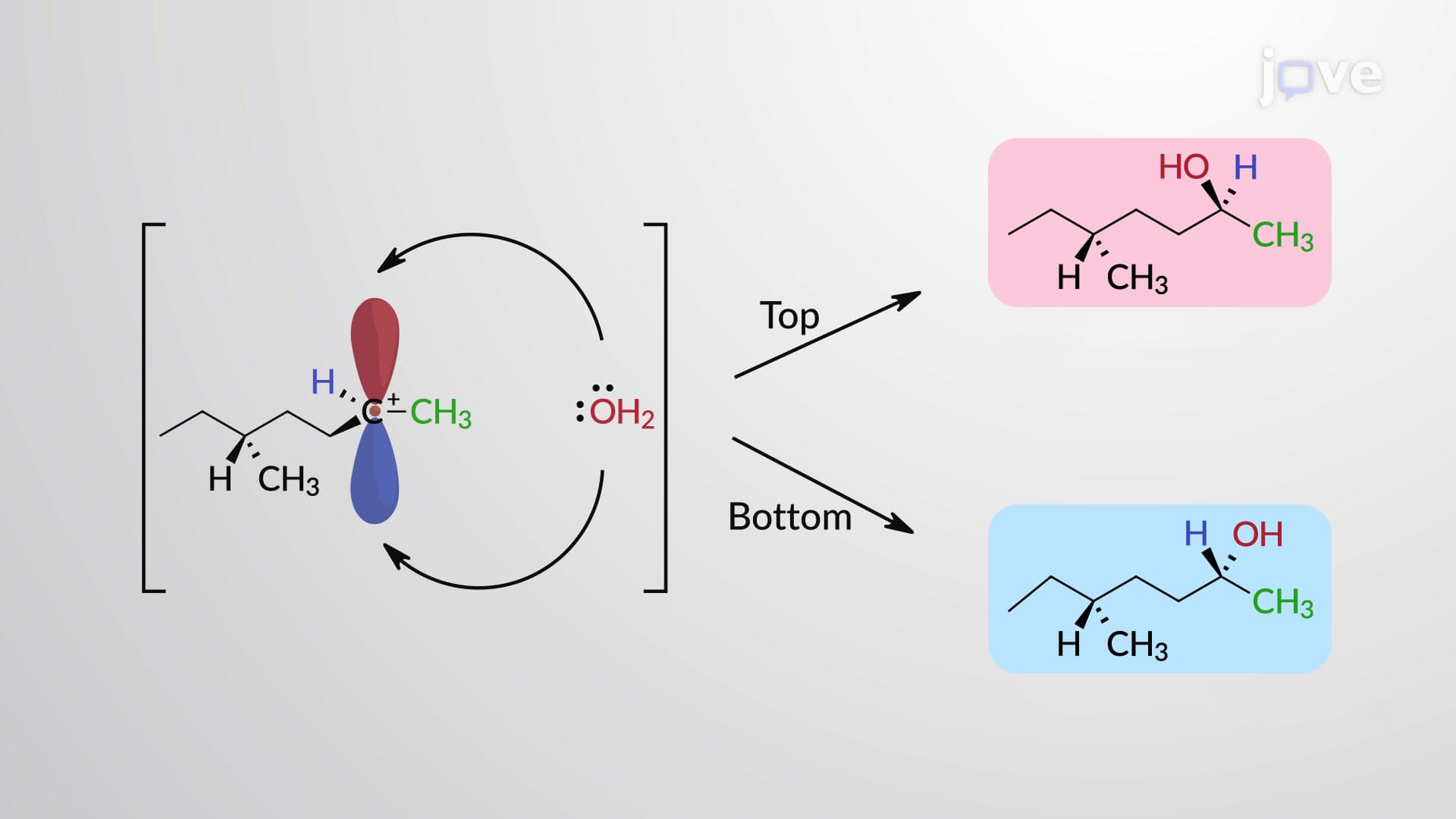
The reaction's reliability stems from its unique mechanism. Unlike traditional carbocation intermediates, the mercurinium ion intermediate exhibits a bridged structure that distributes positive charge across multiple carbons. This charge distribution significantly reduces the driving force for carbocation rearrangements-a critical advantage when synthesizing complex molecules in pharmaceutical research.
The oxymercuration step begins with mercuric acetate dissociation, generating an electrophilic mercury cation. When this cation encounters an alkene, it forms a three-membered bridged mercurinium ion. This intermediate represents a resonance hybrid between fully bridged and open carbocation forms, creating partial rather than full positive charges.
Water molecules then attack the more substituted carbon, following Markovnikov's regioselectivity. The carbon-mercury bond length difference between substituted and unsubstituted positions drives this selectivity-longer bonds at more substituted carbons break more readily, facilitating nucleophilic attack.
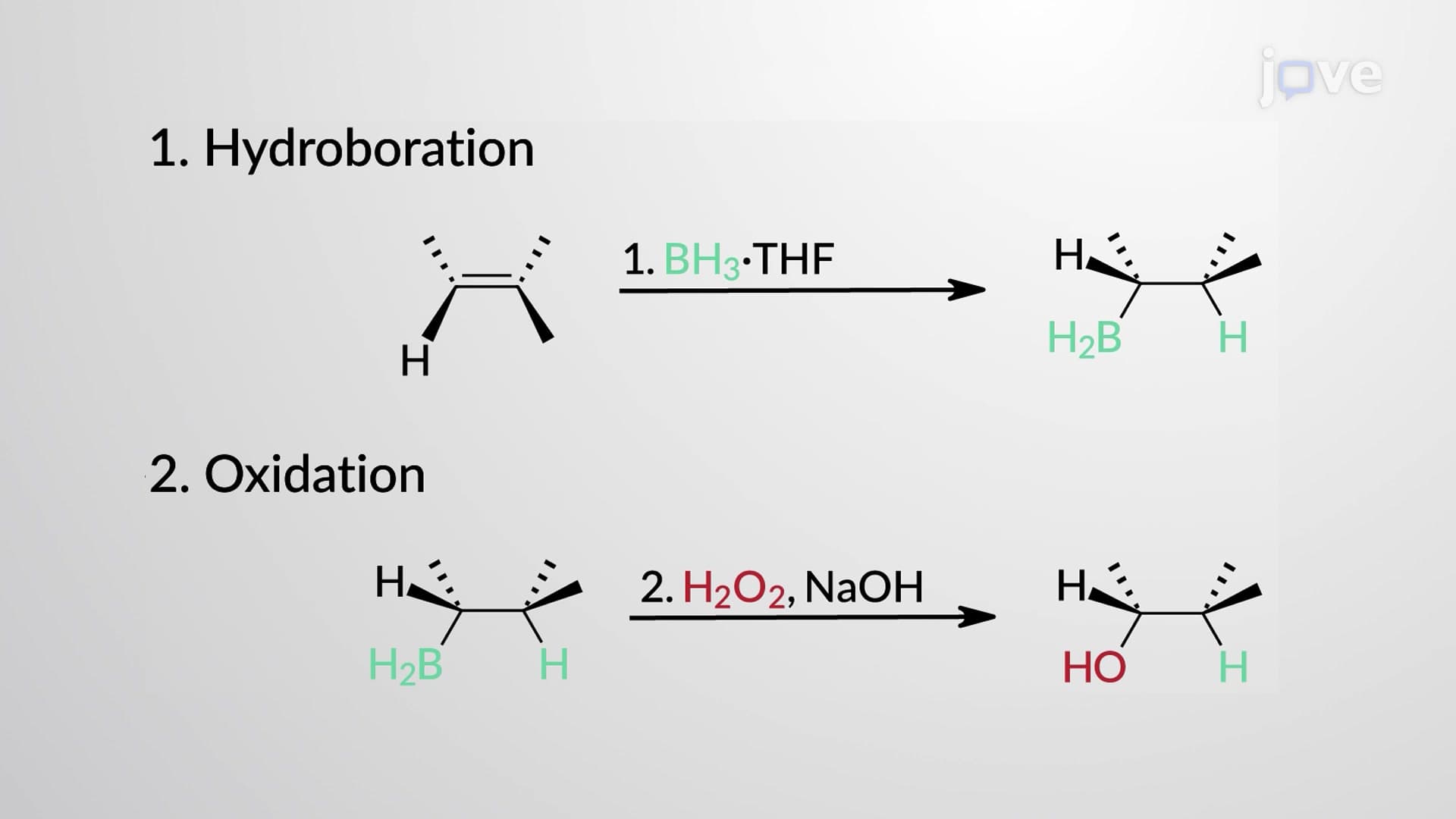
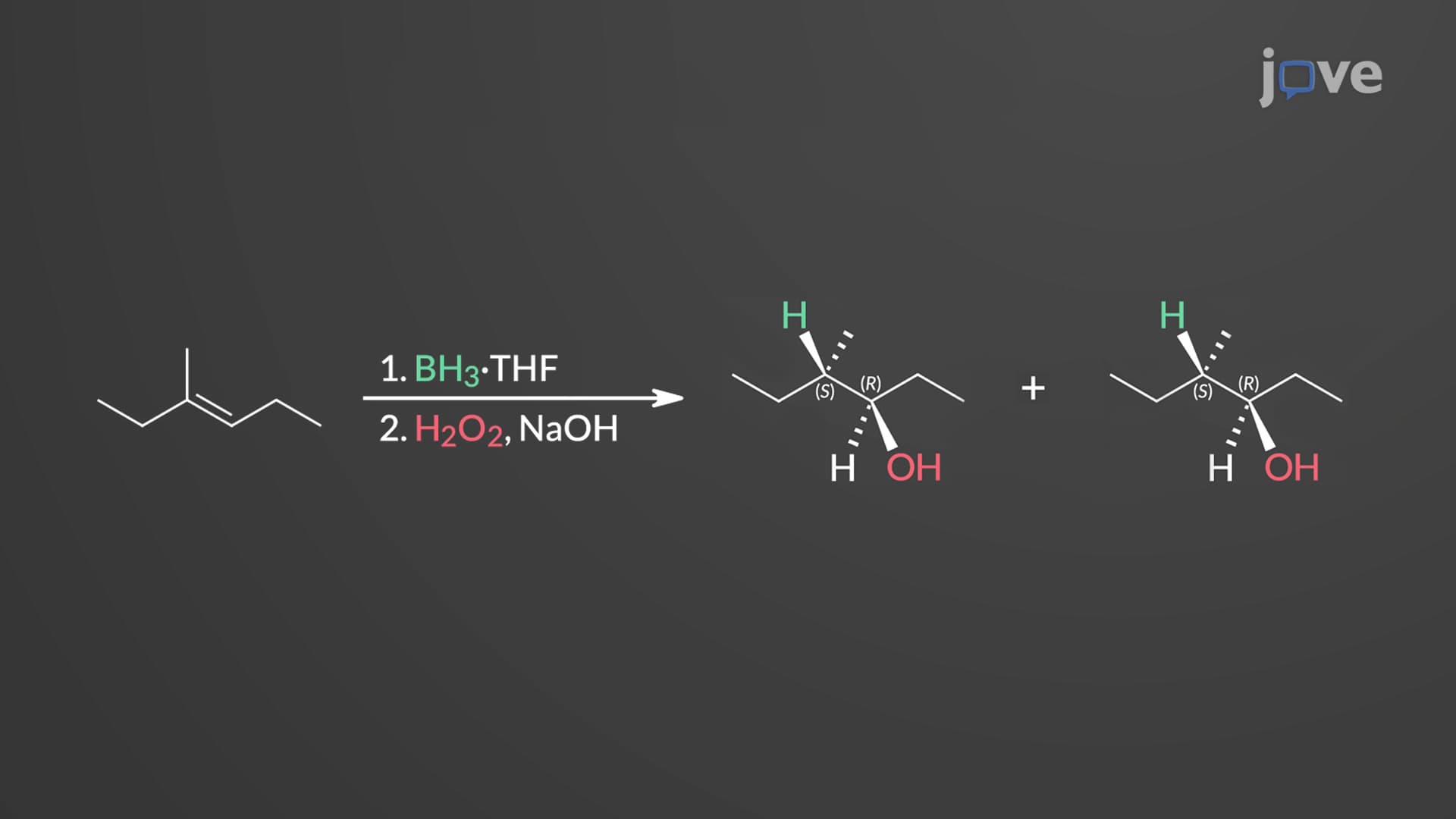
The oxymercuration step proceeds with strict anti-stereochemistry-hydroxyl and mercury groups add to opposite faces of the original alkene. However, the subsequent reduction using sodium borohydride lacks stereochemical control. The hydride can approach from either face relative to the hydroxyl group, producing both syn and anti addition products.
This stereochemical complexity becomes crucial in pharmaceutical synthesis, where specific stereoisomers often exhibit dramatically different biological activities. Companies like Merck and Pfizer frequently employ oxymercuration reduction in early synthetic stages, then use chromatographic separation to isolate desired stereoisomers.
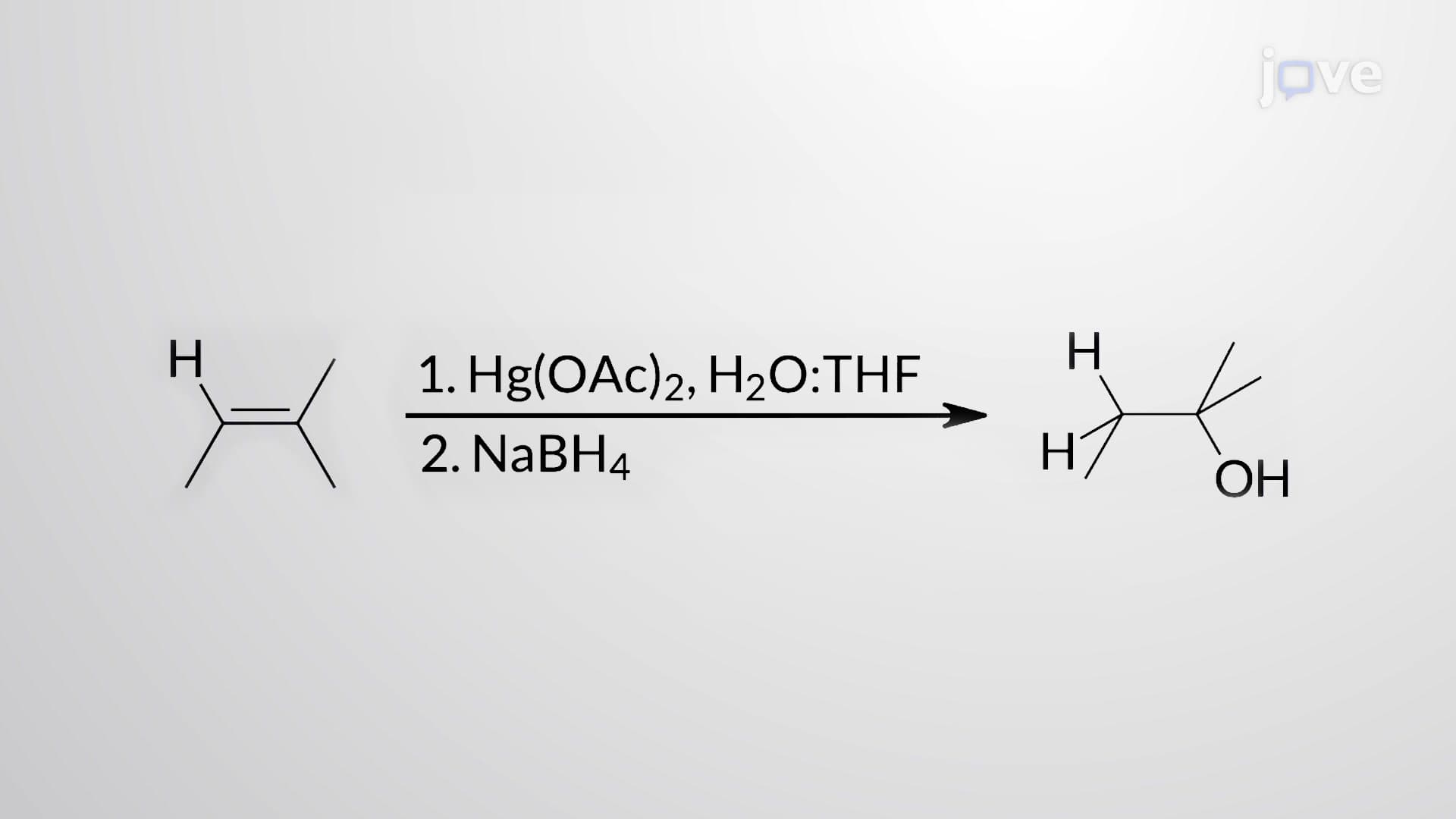
For students tackling organic chemistry problems on the MCAT or AP exams, oxymercuration reduction questions typically focus on predicting major products and comparing selectivity with alternative methods. The reaction's high regioselectivity and absence of rearrangements make it particularly valuable for synthesizing tertiary alcohols from trisubstituted alkenes-scenarios where acid-catalyzed methods would produce complex product mixtures.
Related Micro-courses