Loading subject page…


161,501 views

Video Summary: What Is Formation of Halohydrin
Ever wondered how pharmaceutical companies create the antimicrobial compounds found in hand sanitizers? The formation of halohydrin is a fundamental organic chemistry reaction where alkenes react with halogens in water to produce compounds with both halogen and hydroxyl groups on adjacent carbons. This reaction is crucial in manufacturing brominated compounds used in flame retardants produced by companies like Albemarle Corporation in Louisiana. The mechanism involves electrophilic addition followed by nucleophilic attack, creating regioselective and stereospecific products essential for drug synthesis. Watch the full video on JoVE Coach to master this concept with expert-led visuals and step-by-step explanations.
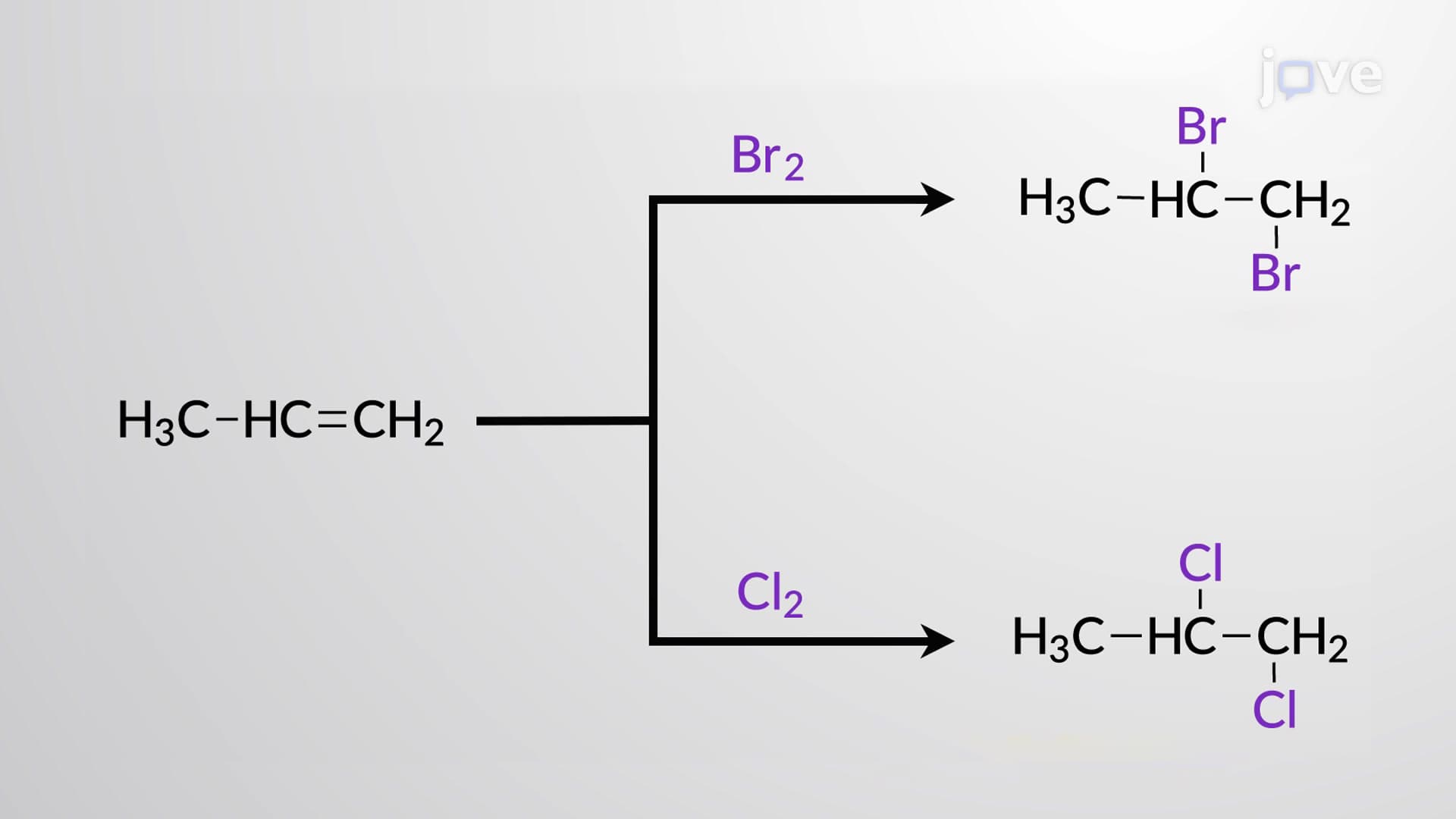
The formation of halohydrin represents a cornerstone reaction in organic chemistry, where alkenes undergo addition reactions with halogens in the presence of water. This process creates vicinal halohydrins-compounds containing a halogen atom and hydroxyl group on adjacent carbon atoms. Unlike simple halogen addition to alkenes, halohydrin formation requires aqueous conditions and follows a distinct mechanistic pathway that produces regioselective outcomes.
The reaction begins when an alkene encounters a halogen molecule (typically bromine or chlorine) in aqueous solution. The π electrons of the double bond attack the halogen, forming a cyclic halonium ion intermediate. This three-membered ring intermediate is highly strained and electrophilic, making it susceptible to nucleophilic attack by water molecules present in excess.
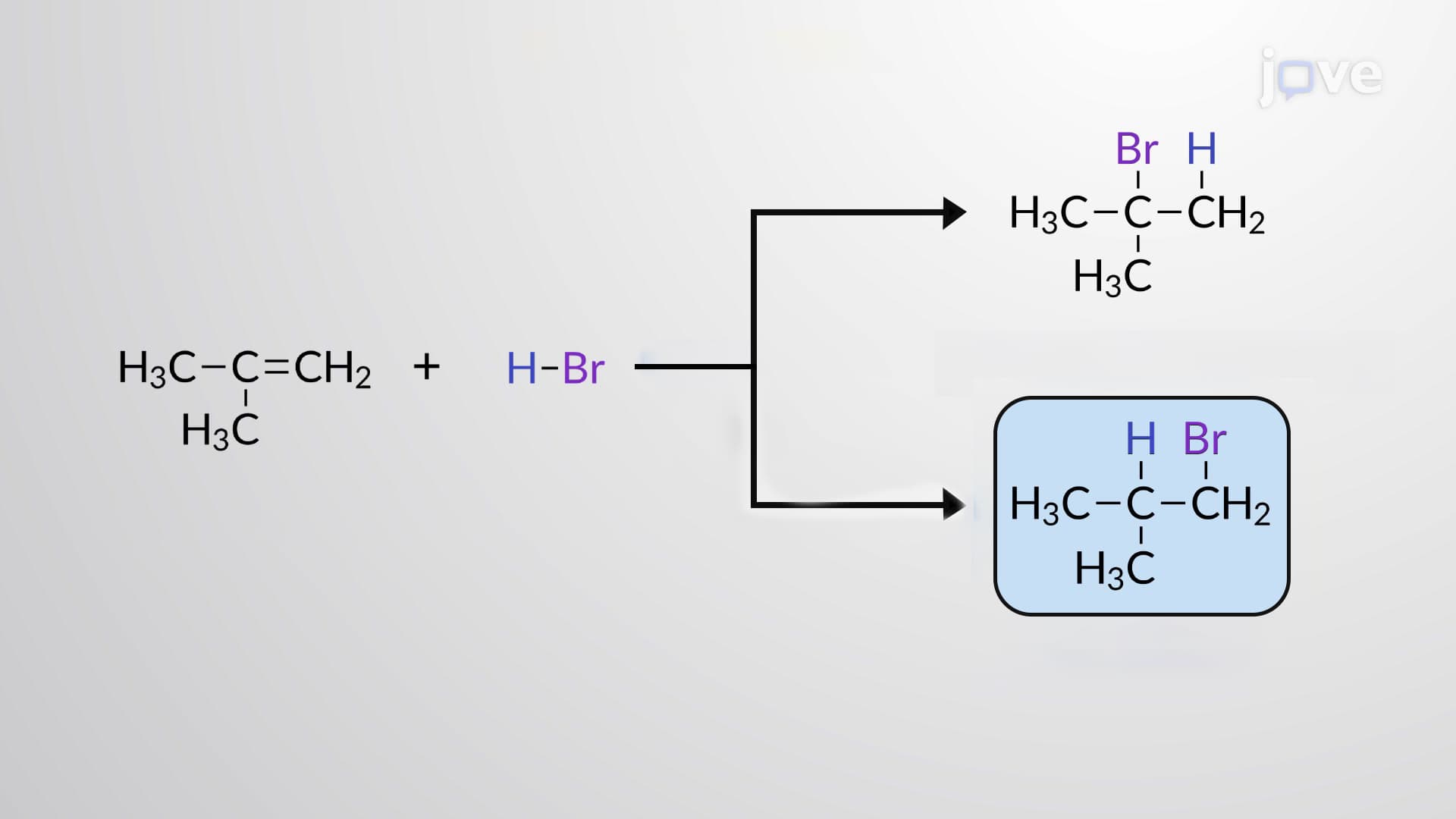
The mechanism proceeds through electrophilic addition followed by nucleophilic substitution. Water acts as the nucleophile, attacking the more substituted carbon of the halonium ion. This regioselectivity follows Markovnikov's rule due to the partial carbocation character of the more substituted carbon, as revealed through electrostatic potential mapping studies.
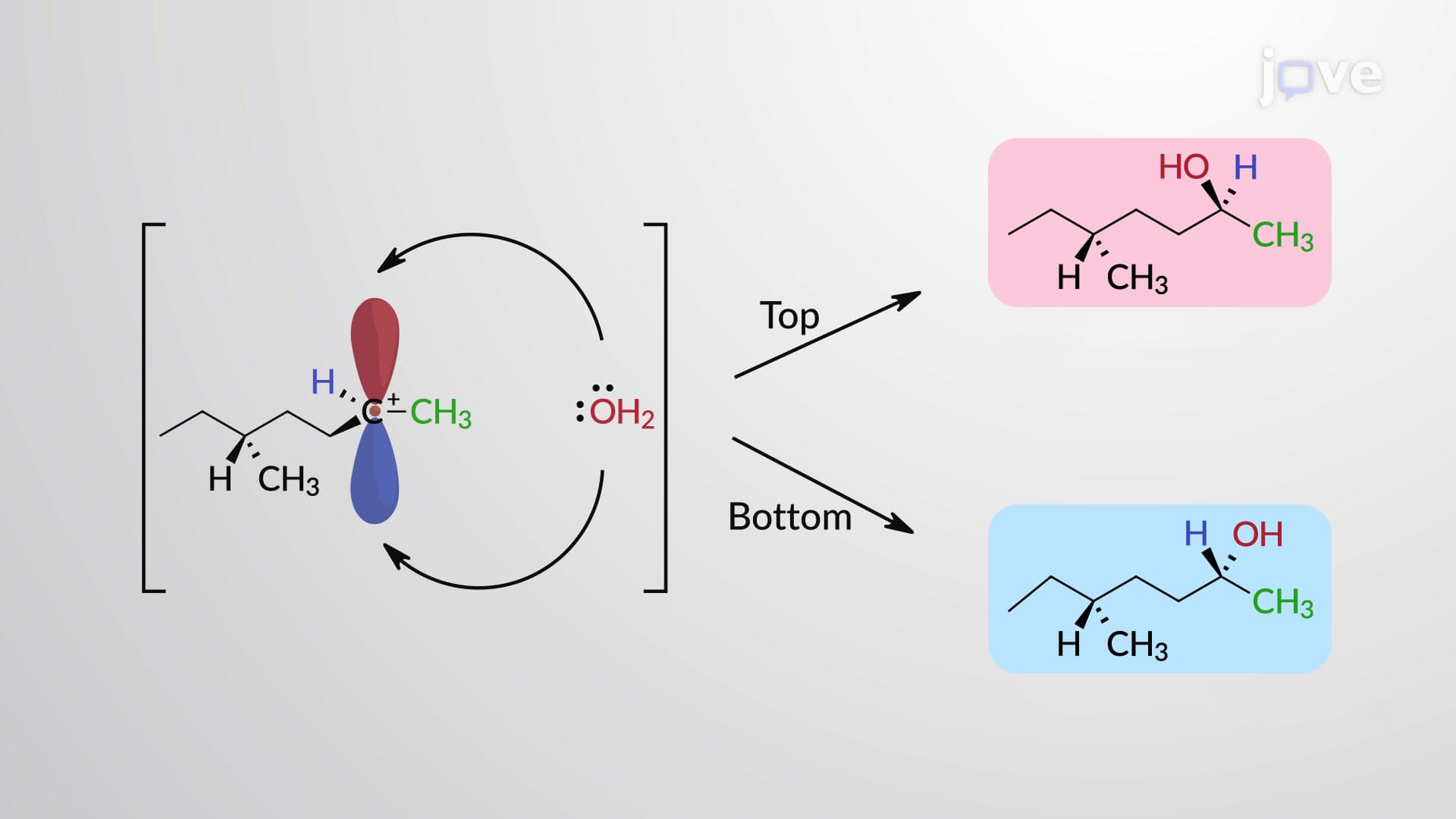
The stereochemistry is strictly anti, meaning the halogen and hydroxyl groups add to opposite faces of the original double bond. This occurs because the nucleophile must approach from the side opposite to the halogen bridge, leading to anti-addition products. When chiral centers form, racemic mixtures result due to equal probability of attack on either face of the prochiral alkene.
Halohydrin formation finds extensive use in pharmaceutical synthesis and industrial chemistry. Companies like Dow Chemical utilize these reactions to produce intermediates for hormone synthesis and agrochemicals. In academic settings, this reaction frequently appears on AP Chemistry exams and organic chemistry midterms at universities like UCLA and MIT.
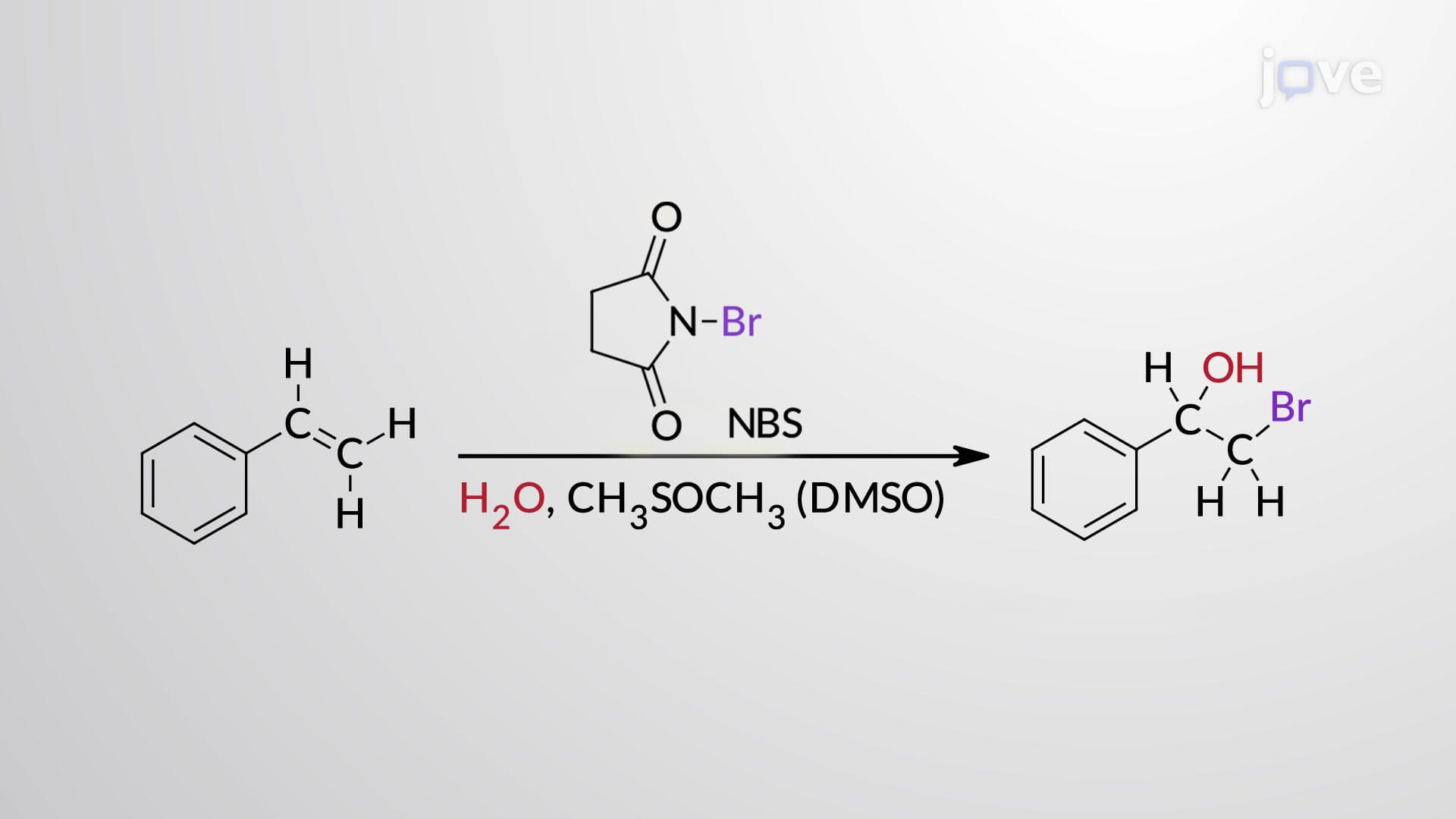
Laboratory modifications include using N-bromosuccinimide (NBS) instead of elemental bromine for safety reasons. NBS provides a controlled bromine source, reducing handling hazards while maintaining reaction efficiency. Solvent systems typically employ aqueous DMSO or THF-water mixtures to solubilize organic substrates.
Nature employs similar chemistry through bromoperoxidase enzymes found in marine organisms. These enzymes oxidize bromide ions to hypobromous acid, which then adds to alkene substrates. This biological pathway produces natural products with antimicrobial properties, inspiring pharmaceutical development at companies like Pfizer and Johnson & Johnson.
Related Micro-courses