Loading subject page…


147,911 views

Video Summary: Benzene to 1 4 Cyclohexadiene Explained
Ever wondered how pharmaceutical companies transform simple benzene rings into complex drug molecules? The benzene 1,4 cyclohexadiene transformation through Birch reduction is a cornerstone reaction that converts aromatic benzene into partially saturated cyclohexadiene using liquid ammonia and alkali metals. This process is crucial in synthesizing medications like steroids at companies such as Pfizer and Merck. Watch the full video on JoVE Coach to master this concept with expert-led visuals and step-by-step explanations.
The transformation of benzene to 1,4-cyclohexadiene represents one of organic chemistry's most elegant reduction reactions. Named after Australian chemist Arthur Birch, this reaction overcomes benzene's exceptional stability by using solvated electrons generated from alkali metals dissolved in liquid ammonia. Unlike catalytic hydrogenation, which completely reduces benzene to cyclohexane, Birch reduction selectively produces the partially reduced diene product.
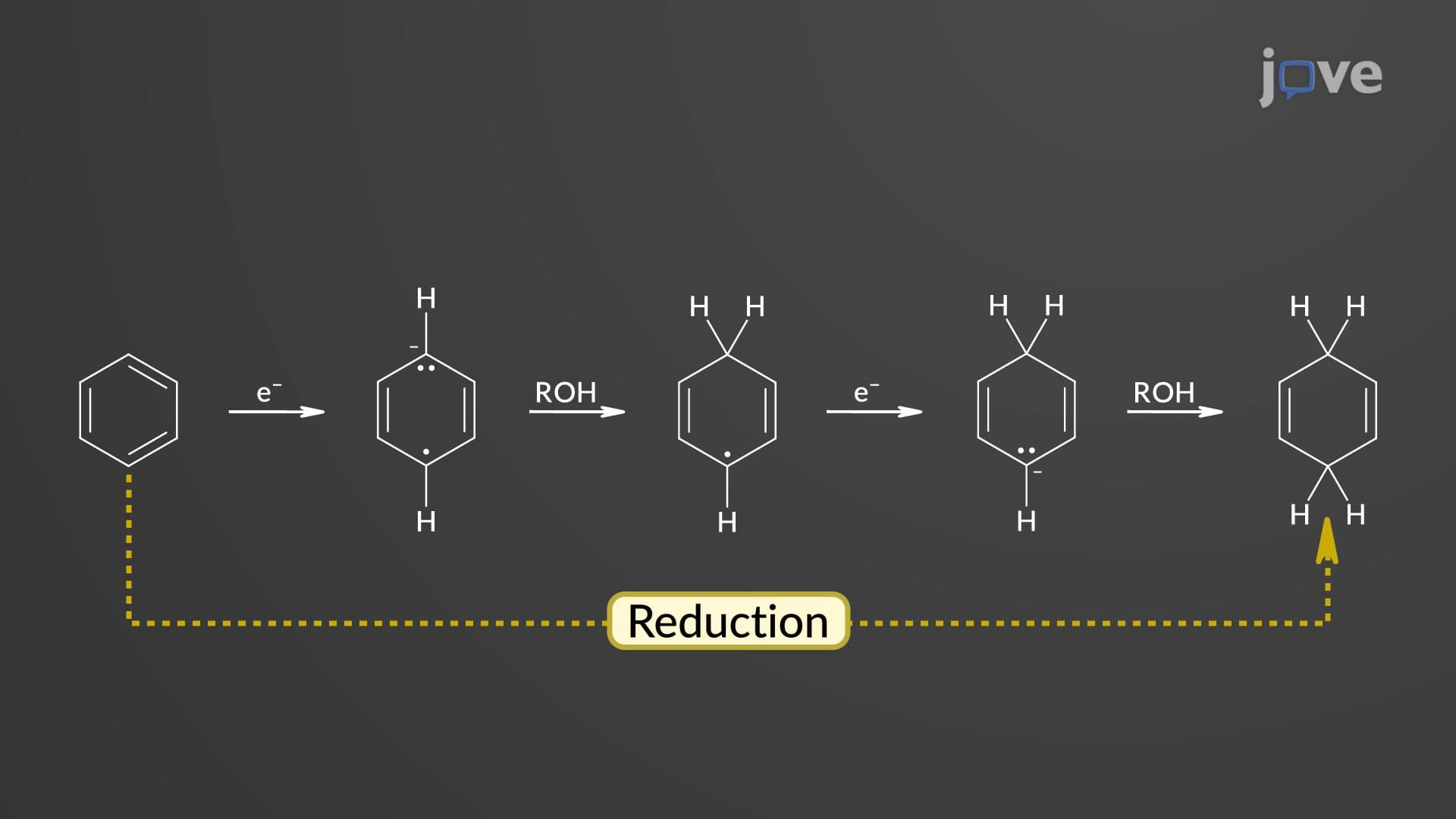
The benzene to 1,4 cyclohexadiene explained mechanism proceeds through a fascinating series of single-electron transfers. Initially, a solvated electron adds to benzene's π-system, creating a highly unstable radical anion. This intermediate's extreme basicity immediately abstracts a proton from the alcohol co-solvent (typically ethanol or methanol), forming a neutral cyclohexadienyl radical. A second electron transfer generates another anionic intermediate, which undergoes final protonation to yield 1,4-cyclohexadiene.
This sequential "electron-proton-electron-proton" addition pattern distinguishes Birch reduction from other organic transformations. Students preparing for the MCAT or AP Chemistry exam should recognize that each electron addition disrupts benzene's aromaticity, making subsequent steps thermodynamically favorable.
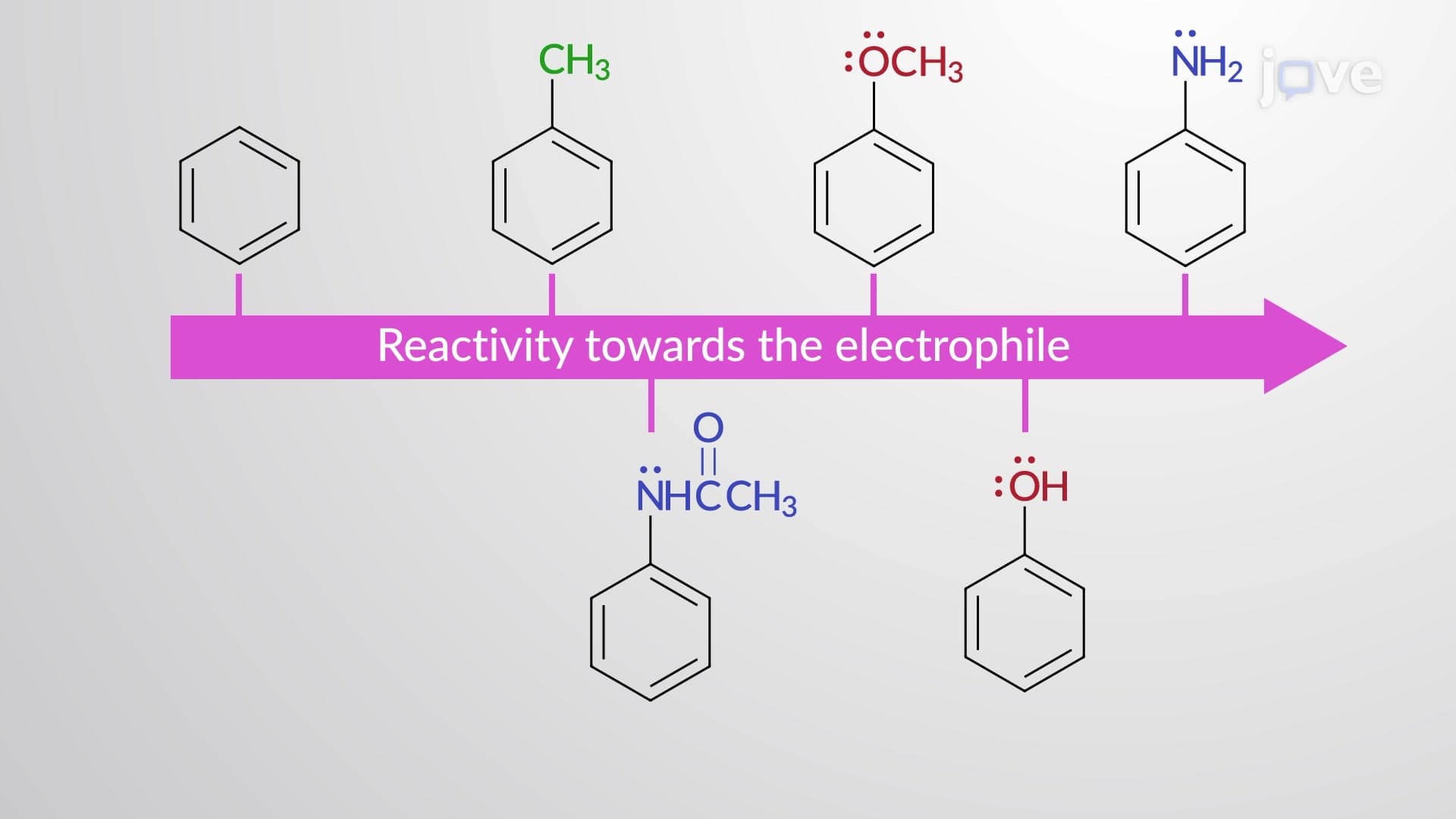
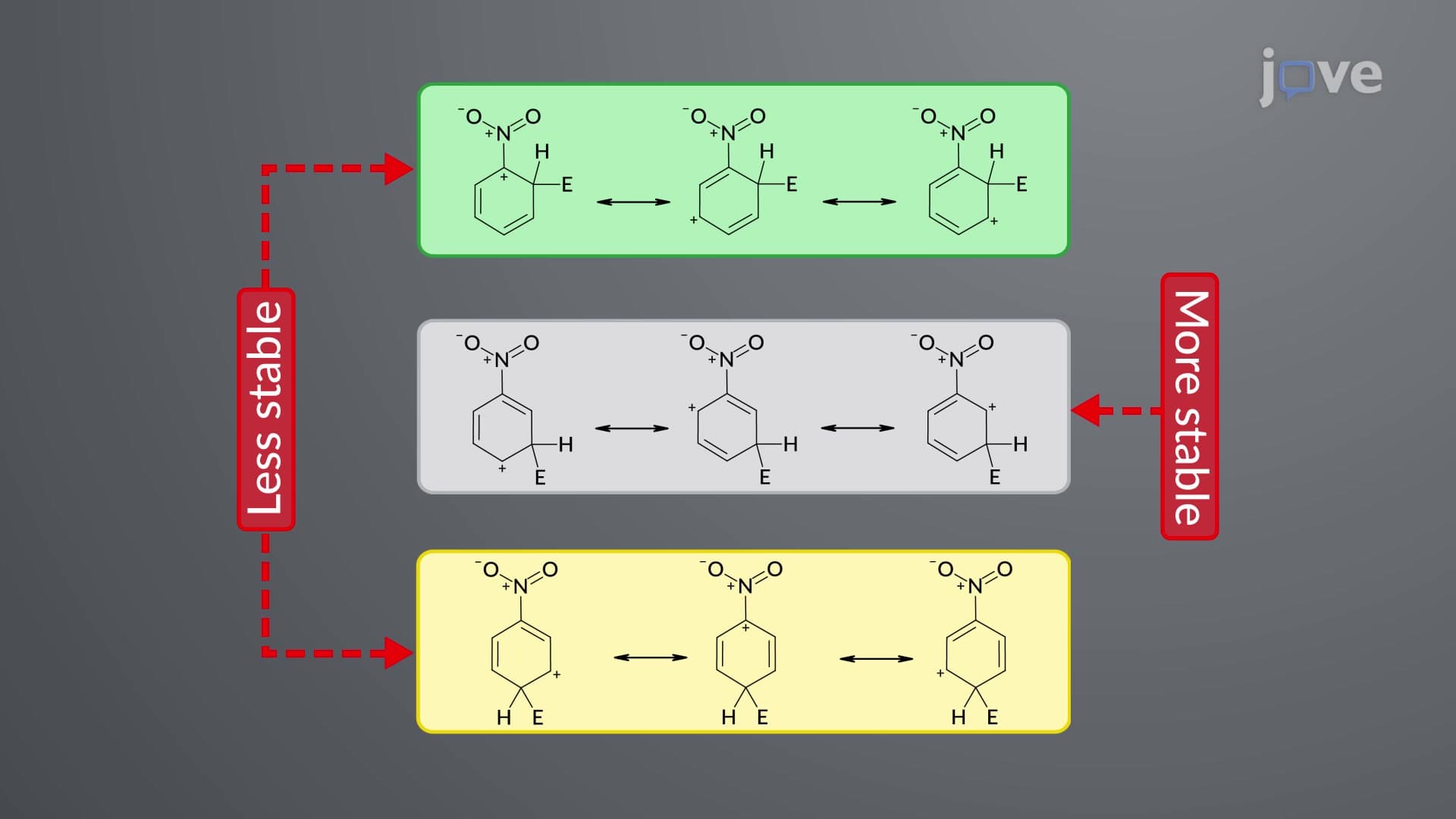
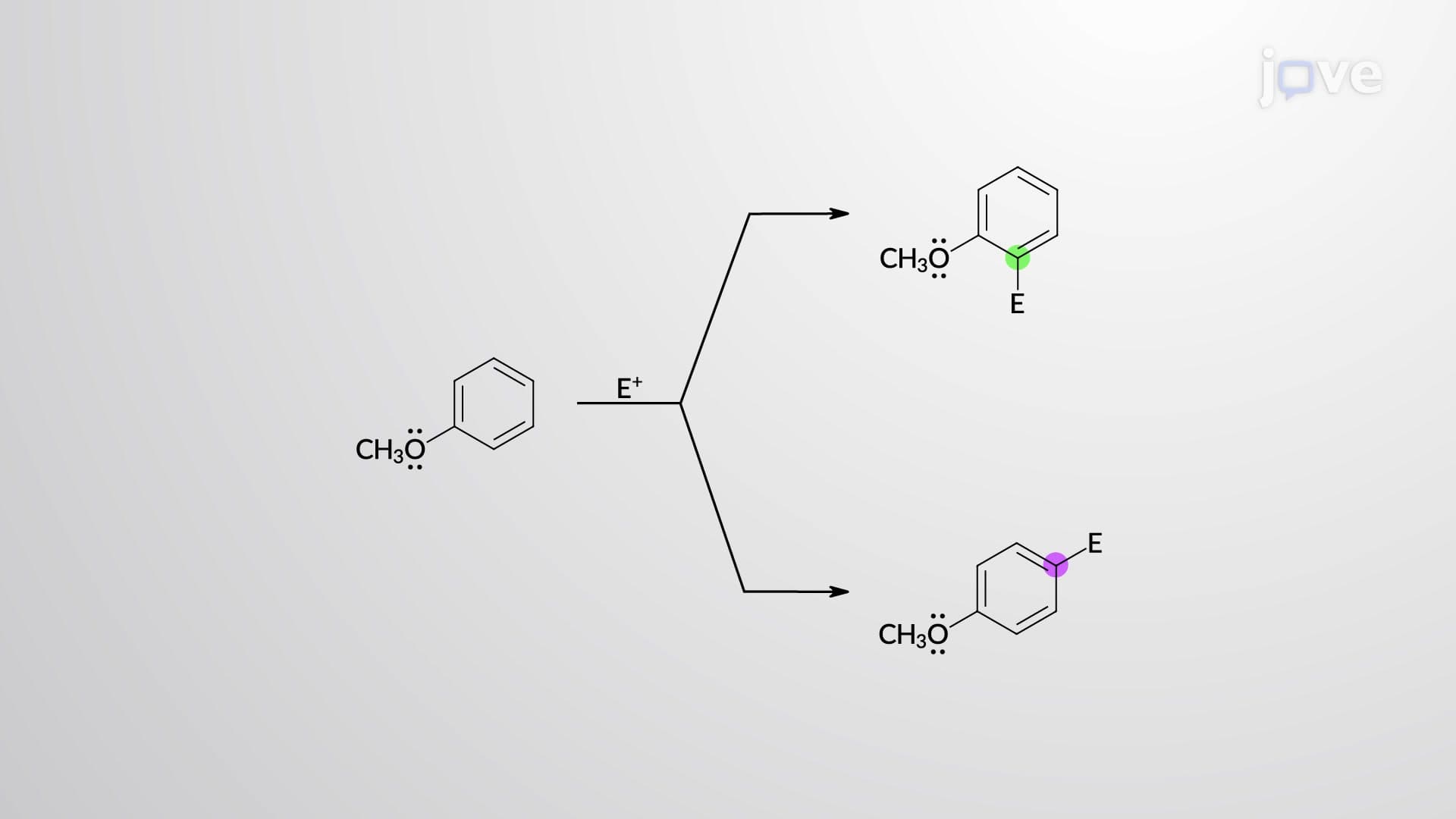
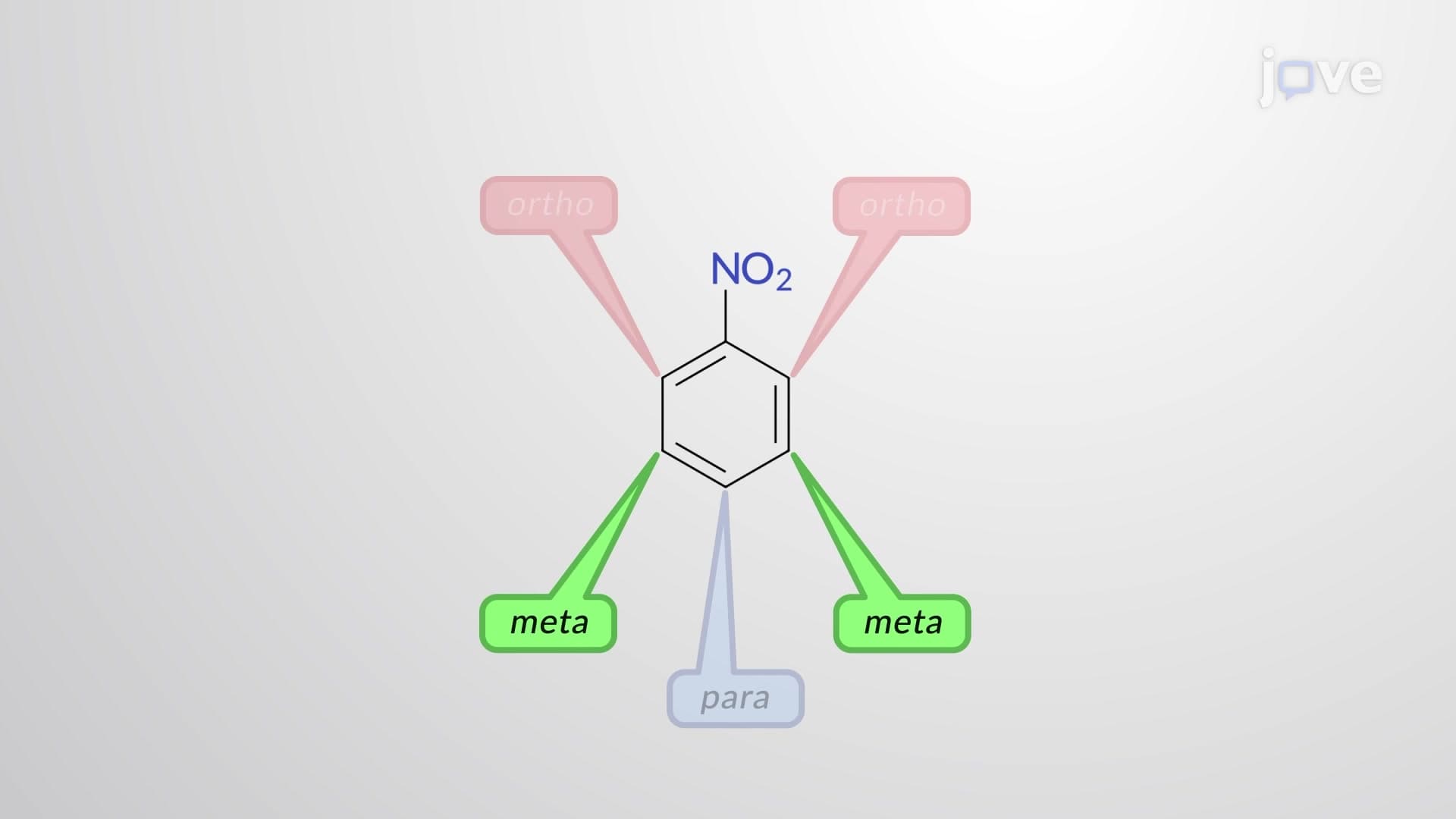
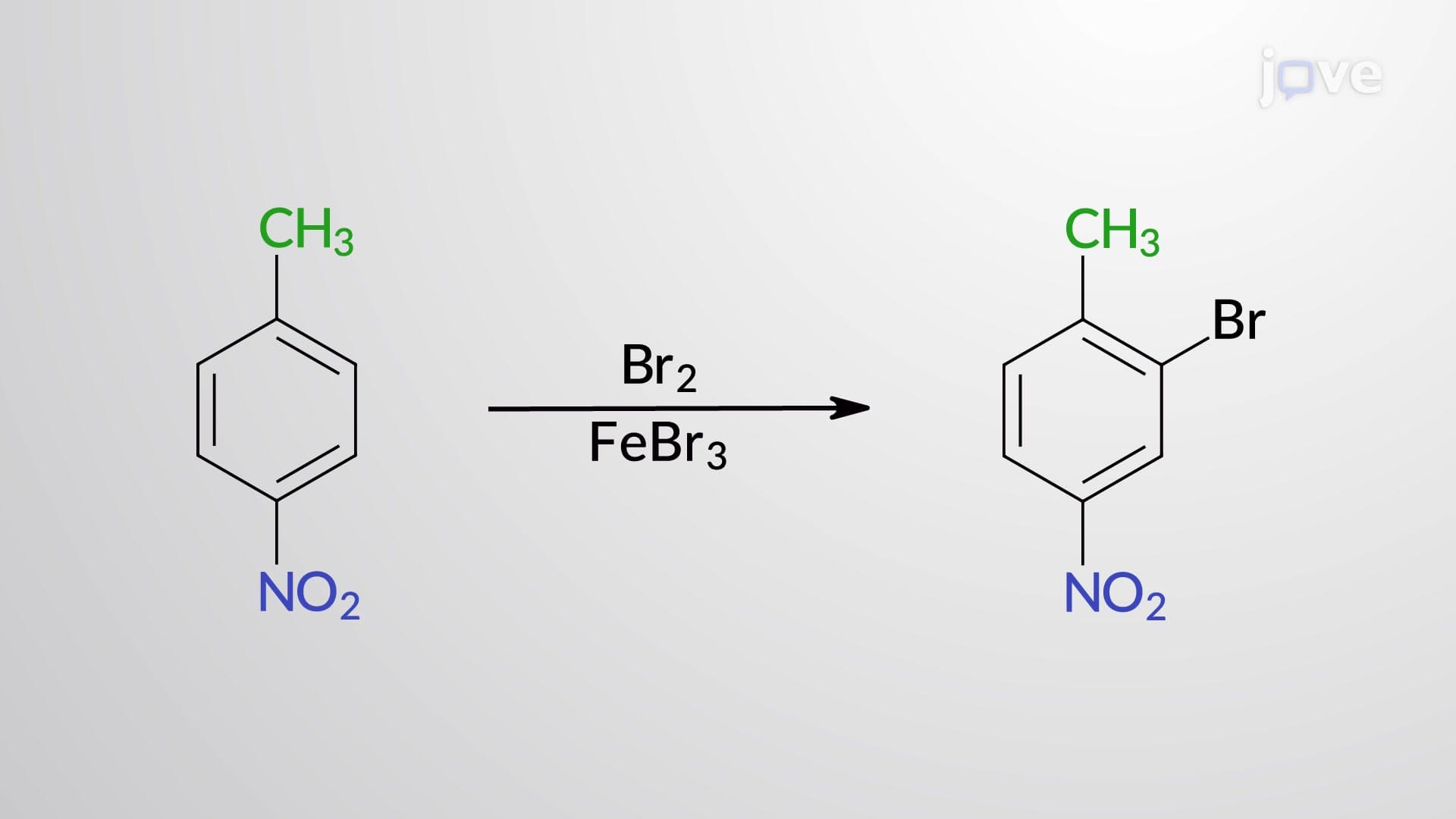
Substituent effects dramatically influence where reduction occurs on the benzene ring. Electron-withdrawing groups (like carbonyl or nitro groups) stabilize negative charge at the ipso and para positions, directing reduction to these sites. Conversely, electron-donating substituents (such as alkyl or methoxy groups) stabilize charge at ortho and meta positions, promoting reduction there.
This selectivity proves invaluable in pharmaceutical synthesis. For example, when synthesizing steroid precursors at major US pharmaceutical companies, chemists exploit these directing effects to achieve specific reduction patterns that would be impossible through other methods.
Birch reduction finds extensive use in synthesizing natural products, pharmaceuticals, and specialty chemicals. The reaction appears frequently on college organic chemistry exams, particularly in mechanism-based problems on midterms at institutions like UCLA, MIT, and Stanford. Students should practice drawing curved arrows showing electron flow and identifying the most stable intermediate structures.
Related Micro-courses