Loading subject page…


147,911 views


Video Summary: Benzene to Phenol via Cumene Explained
Ever wondered how plastic water bottles get their strength? The benzene phenol cumene process, known as the Hock process, is crucial for manufacturing phenolic resins used in everyday products from Coca-Cola bottles to smartphone cases. This industrial chemistry pathway transforms simple benzene into valuable phenol through a fascinating three-step mechanism involving cumene as an intermediate compound. Watch the full video on JoVE Coach to master this concept with expert-led visuals and step-by-step explanations.
The conversion of benzene to phenol via cumene represents one of the most elegant examples of industrial organic chemistry. Named after Heinrich Hock, this three-step process accounts for over 95% of global phenol production, making it essential for manufacturing everything from aspirin to polycarbonate plastics used in safety glasses and automotive parts.
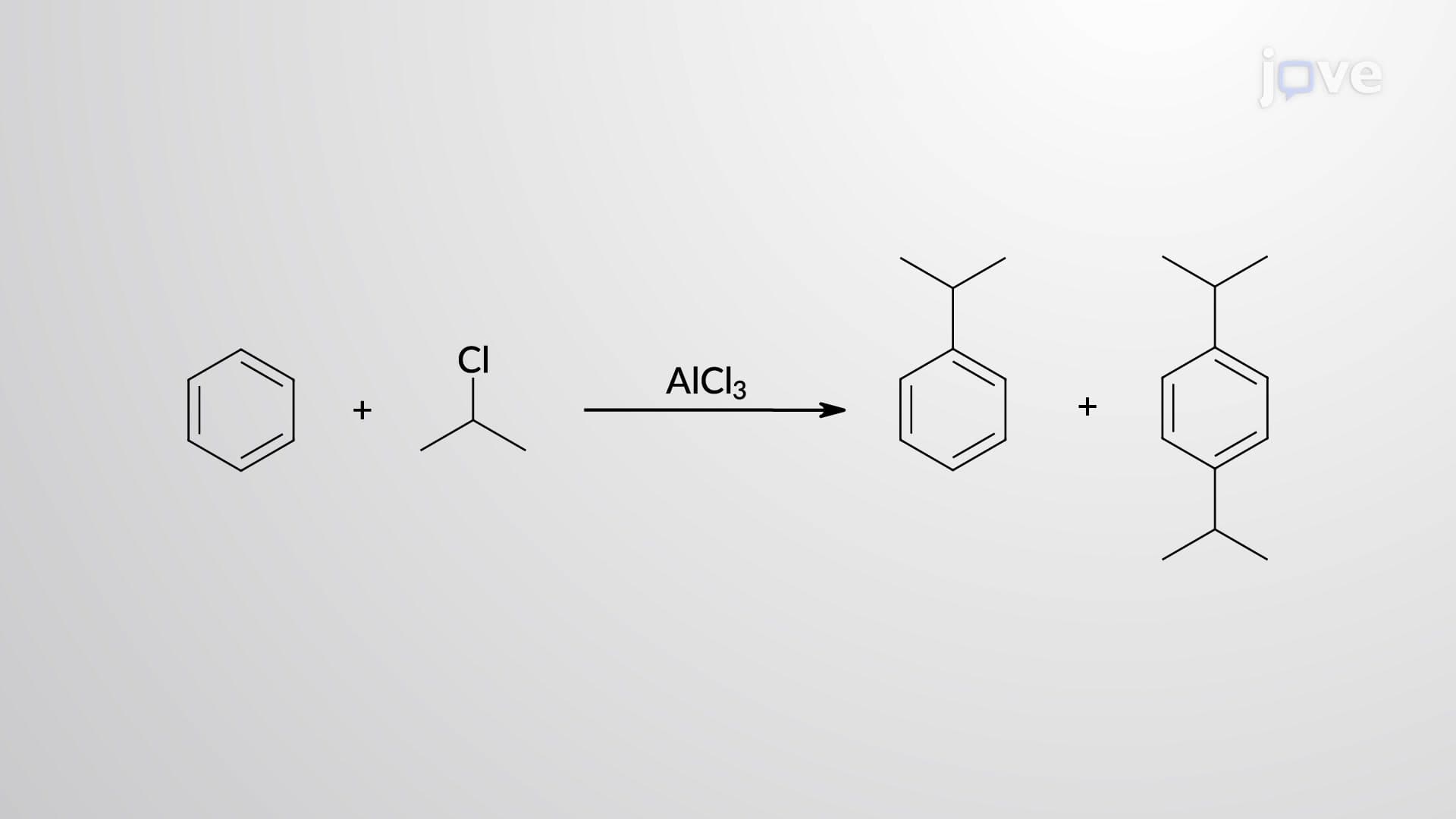
The journey begins with Friedel-Crafts alkylation, where benzene reacts with propene in the presence of phosphoric acid catalyst. The acid protonates propene, creating an isopropyl carbocation (CH3-CH(+)-CH3). This secondary carbocation attacks the electron-rich benzene ring, forming cumene (isopropylbenzene). Students often encounter this mechanism on AP Chemistry exams, particularly when discussing electrophilic aromatic substitution patterns.
The selectivity for the isopropyl group attachment demonstrates carbocation stability principles-secondary carbocations are more stable than primary ones, explaining why the isopropyl group forms preferentially over a propyl group.
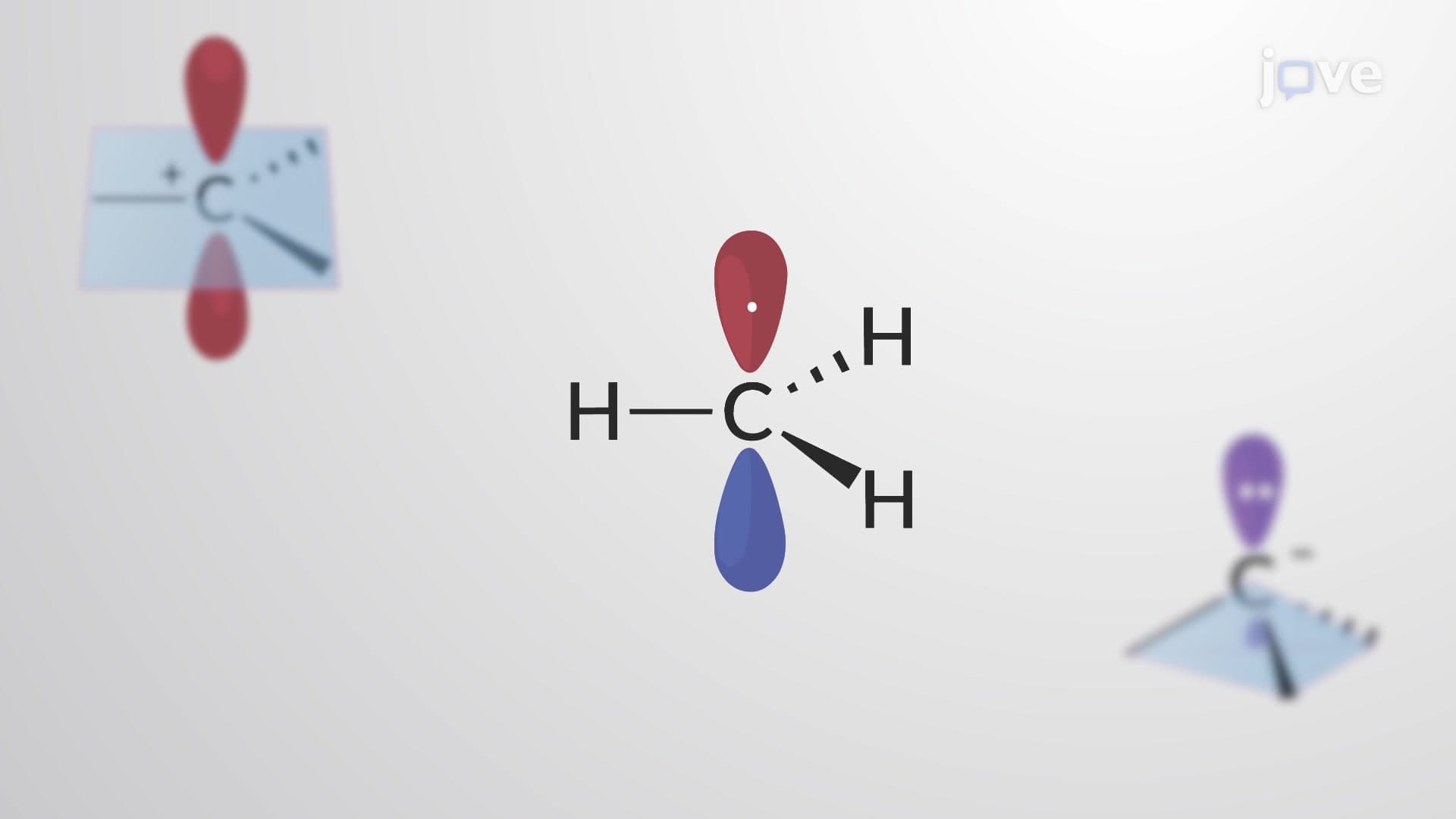
The second step involves a fascinating radical chain mechanism. Radical initiators abstract the benzylic hydrogen from cumene, forming a stable tertiary benzylic radical. This radical's stability stems from resonance with the benzene ring-a concept frequently tested in organic chemistry courses at universities like UCLA and MIT.
The chain propagation involves oxygen addition to form cumene hydroperoxide radical, followed by hydrogen abstraction from another cumene molecule. This regenerates the benzylic radical, maintaining the chain reaction. Understanding this mechanism helps students grasp industrial polymerization processes used in manufacturing plastics.
The final step showcases a remarkable molecular rearrangement. Cumene hydroperoxide undergoes protonation followed by a 1,2-phenyl migration to oxygen, simultaneously losing water. This creates a carbocation that, upon water addition and deprotonation, yields phenol and acetone as valuable co-products.
This rearrangement mechanism appears frequently in MCAT organic chemistry sections, testing students' understanding of electron movement and carbocation chemistry. The simultaneous production of acetone makes this process economically attractive-both products find extensive use in chemical manufacturing.
Related Micro-courses