Loading subject page…


147,911 views

Video Summary: Directing Effect of Substituents Meta Explained
Ever wonder why aspirin synthesis requires precise control of chemical reactions? The directing effect of substituents meta determines where new groups attach to benzene rings, crucial for pharmaceutical manufacturing in companies like Pfizer and Merck. Meta-directing groups, such as nitro and carbonyl substituents, possess electron-withdrawing properties that guide incoming electrophiles to the meta position through resonance stabilization. This Directing Effect of Substituents Meta Explained concept governs countless industrial processes from drug development to polymer production. Watch the full video on JoVE Coach to master this concept with expert-led visuals and step-by-step explanations.
The directing effect of substituents meta represents a fundamental principle in organic chemistry that governs how existing groups on benzene rings influence the position of incoming electrophiles. This concept is essential for students preparing for AP Chemistry exams, MCAT organic chemistry sections, and undergraduate coursework at institutions like UCLA, MIT, and Stanford.
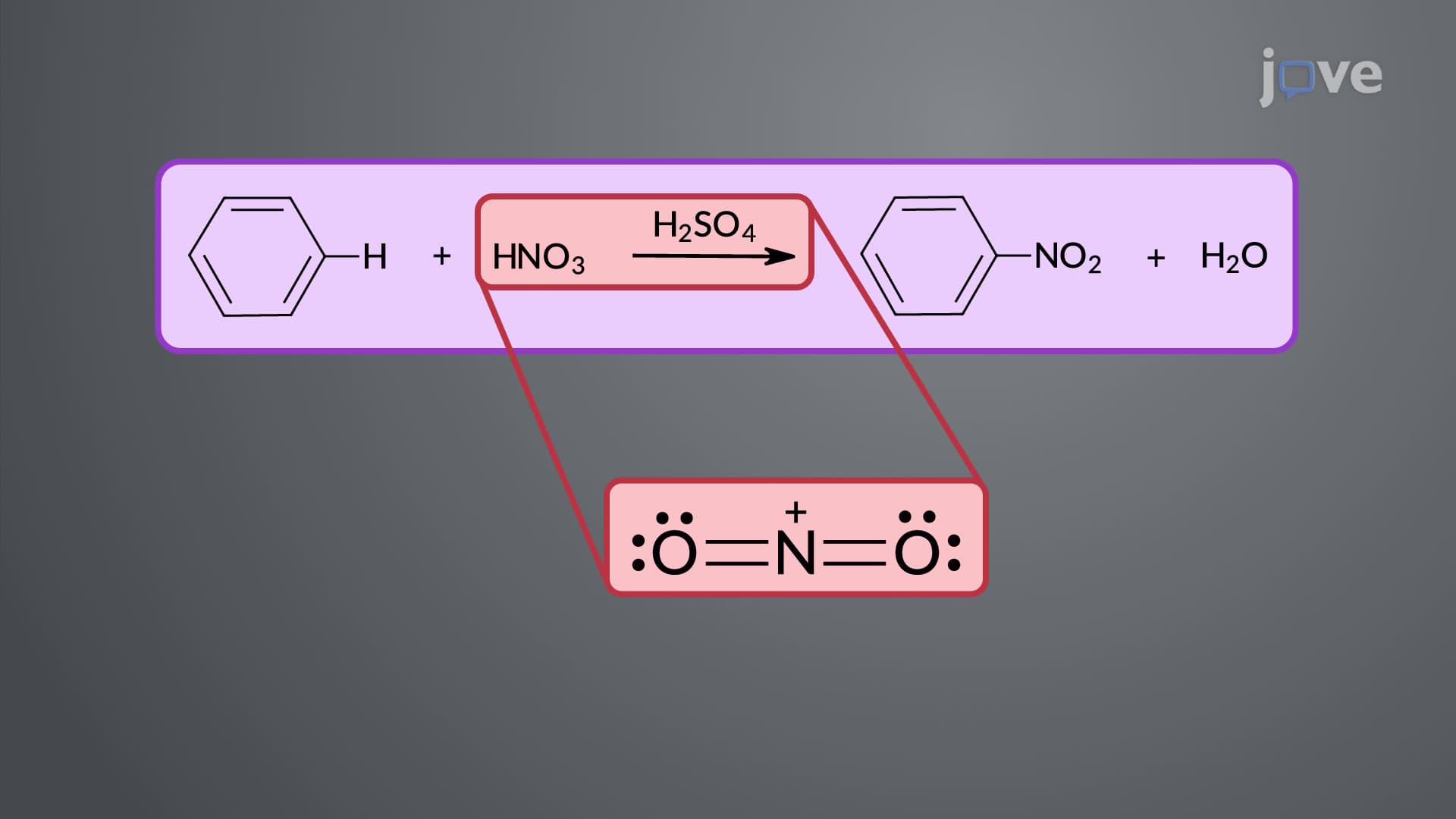
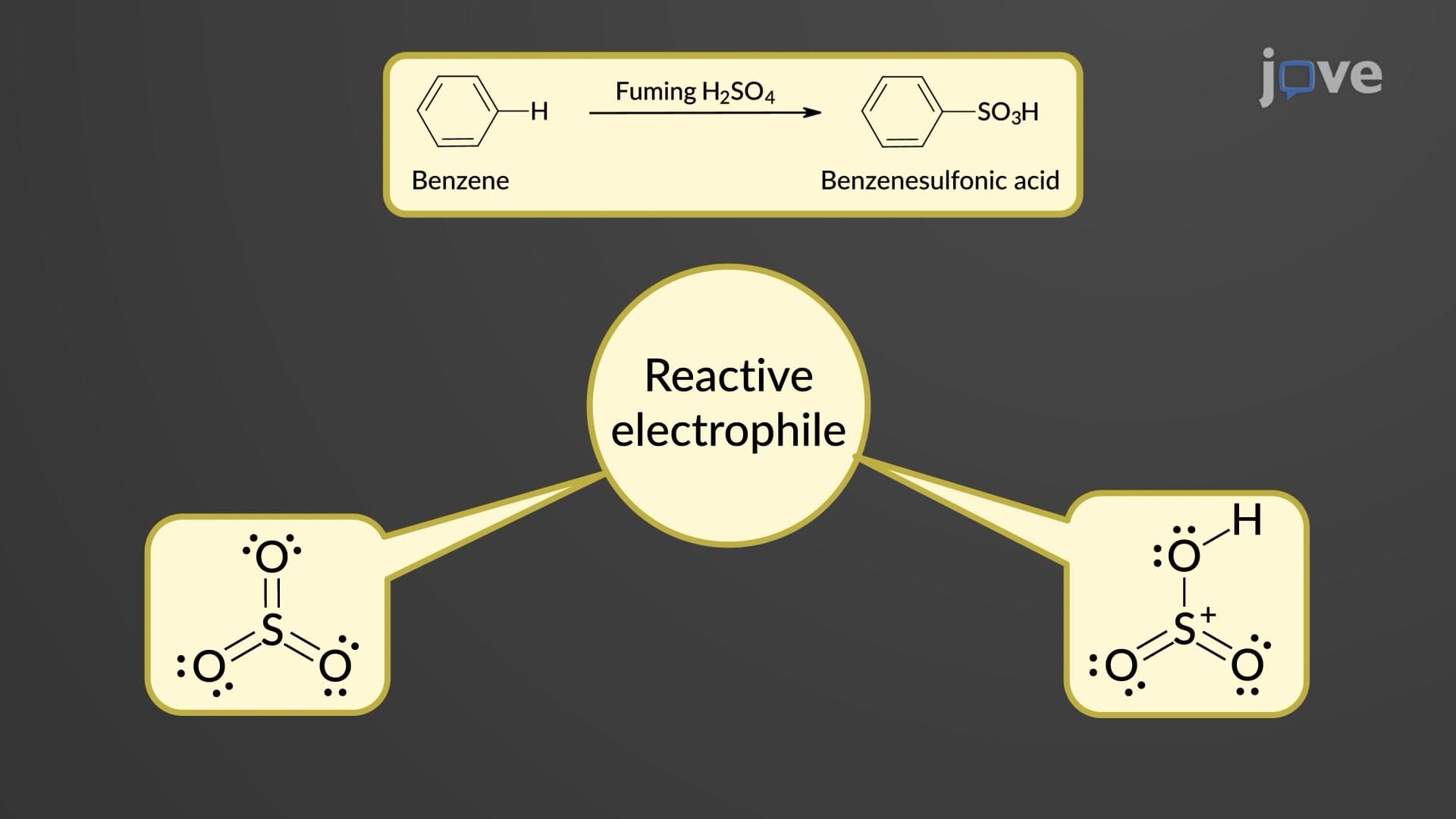
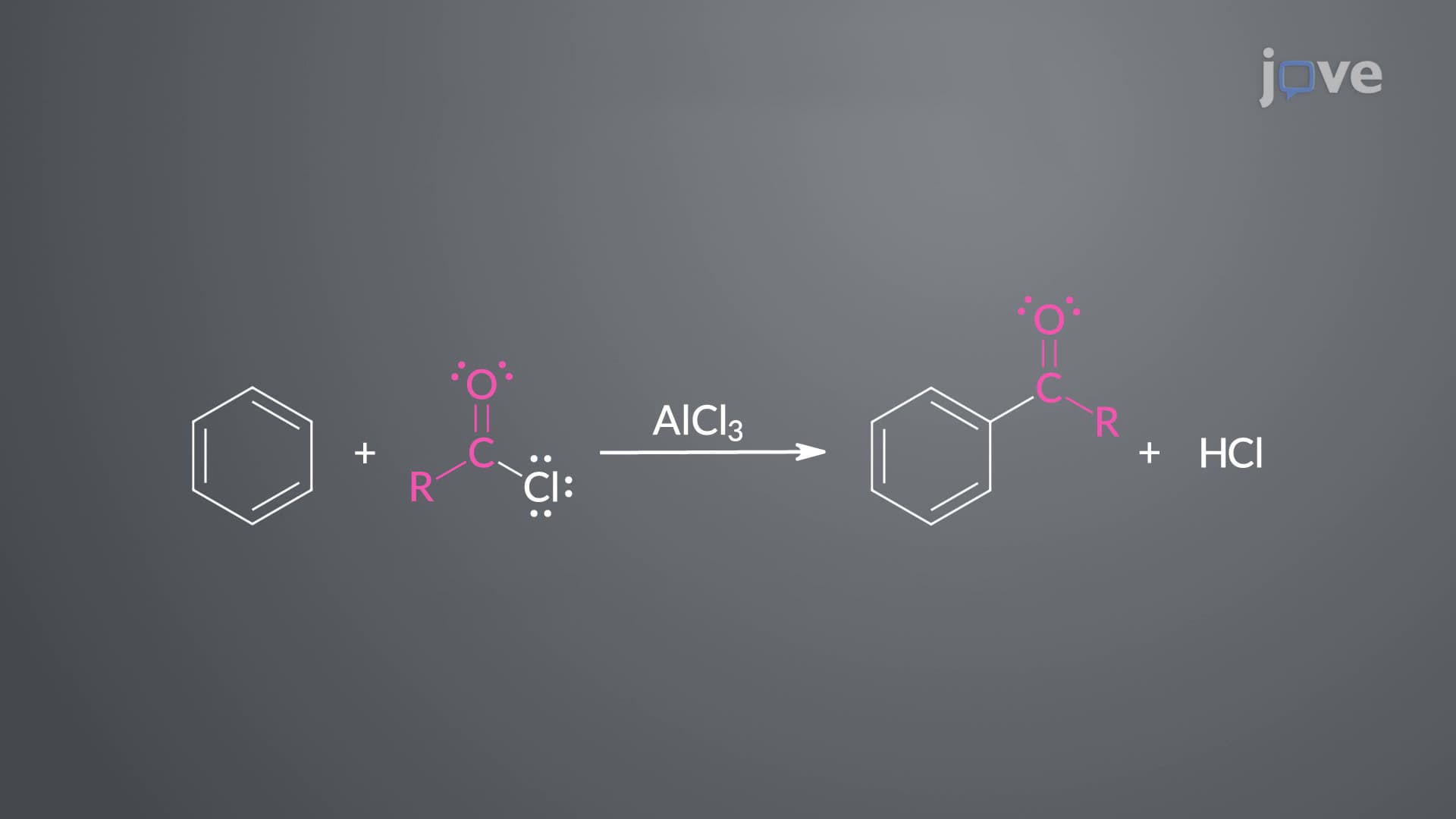
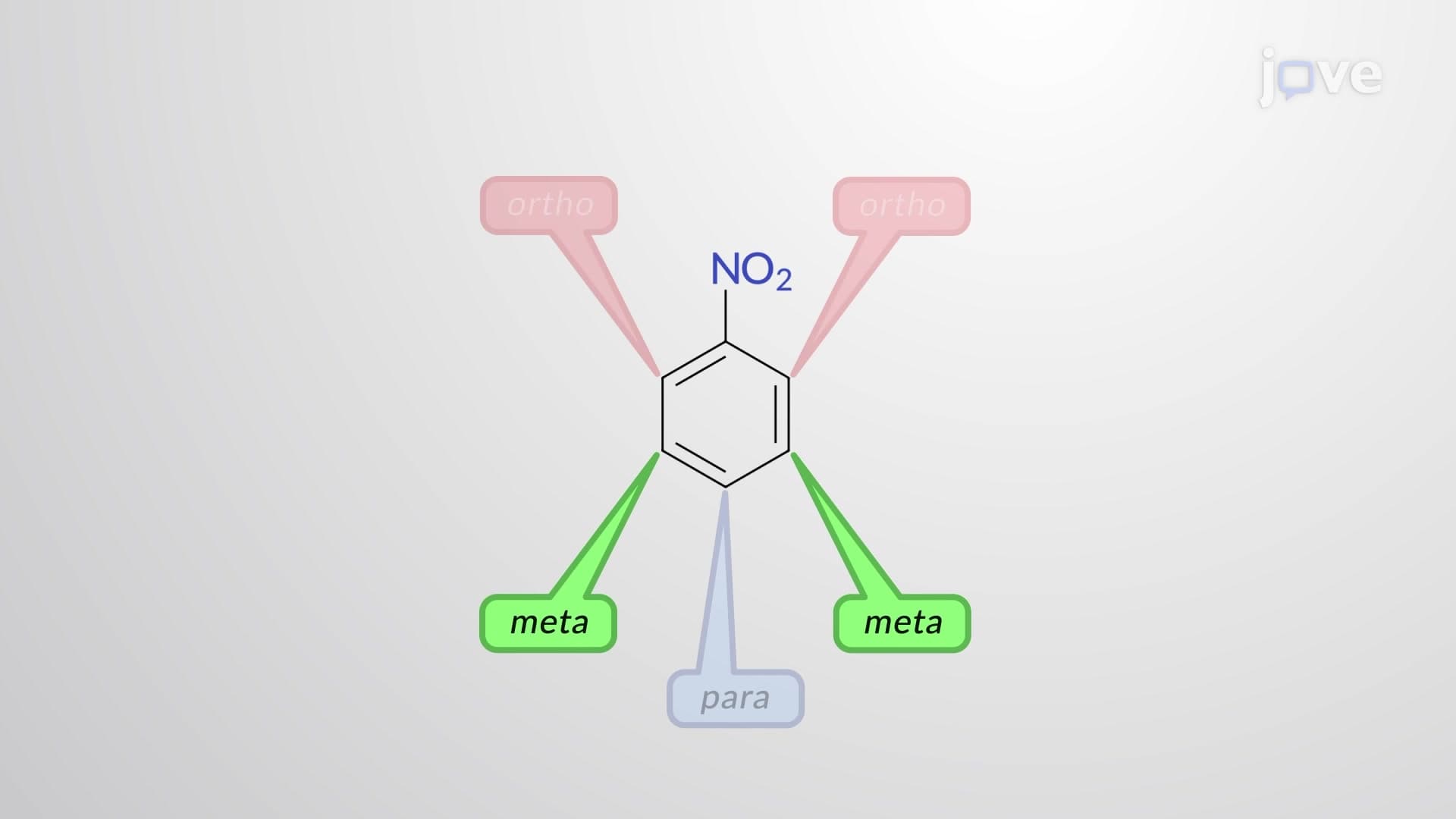
Meta-directing substituents share distinctive electronic properties that distinguish them from ortho/para directors. These groups invariably contain atoms with positive or partial positive charges directly bonded to the benzene ring, such as nitrogen in nitro groups (-NO2), carbon in carbonyl groups (-CHO, -COR), and sulfur in sulfonic acid groups (-SO3H). Critically, these atoms lack lone pairs of electrons, preventing them from donating electron density to the aromatic system.
The electron-withdrawing nature of meta directors operates through both inductive and resonance effects. Inductively, electronegative atoms pull electron density away from the ring through sigma bonds. Through resonance, these groups can accept electron density from the benzene ring, creating partial positive charges that destabilize certain positions for electrophilic attack.
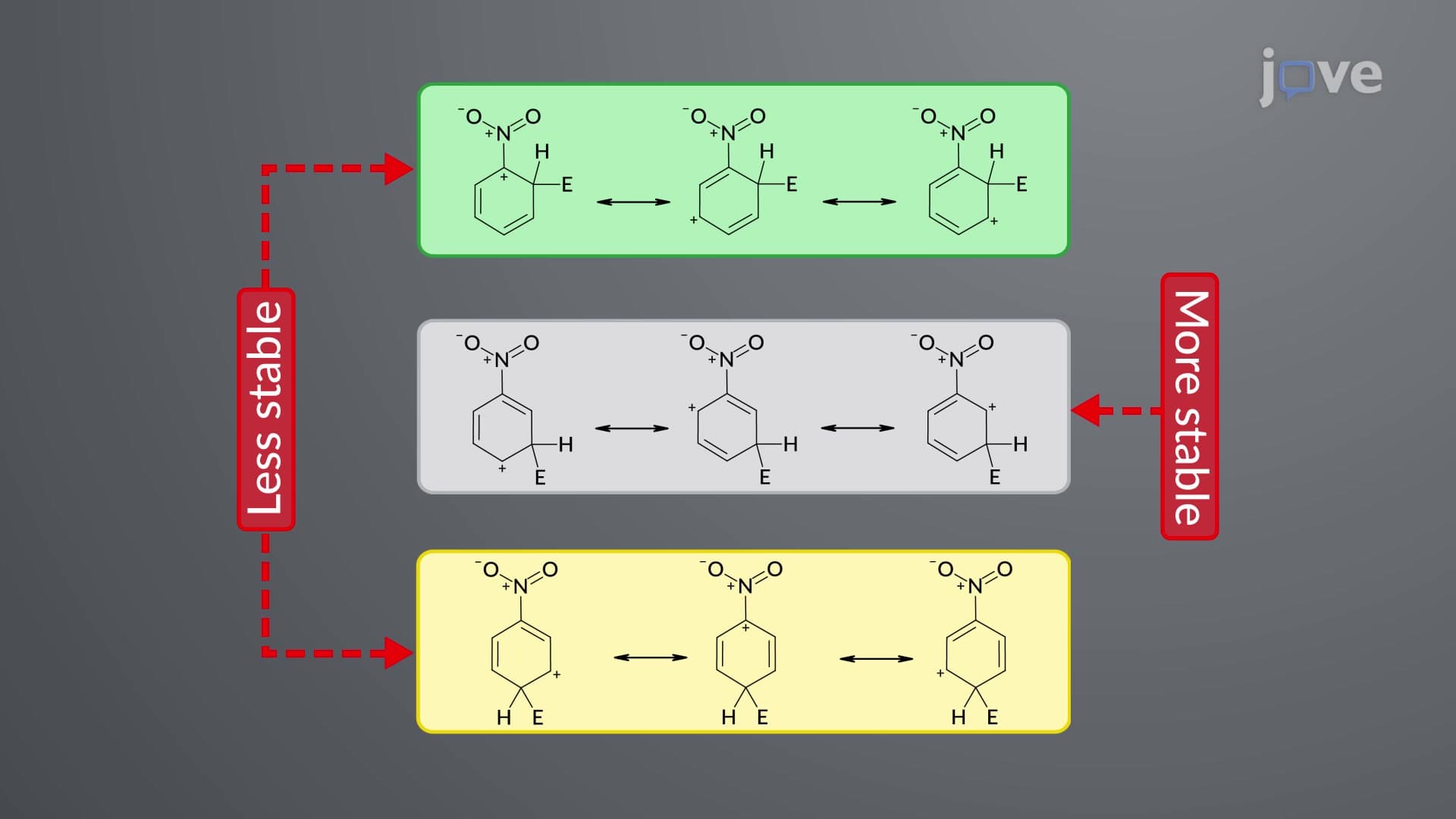
The preference for meta substitution becomes clear when examining carbocation intermediates formed during electrophilic aromatic substitution. When an electrophile attacks nitrobenzene, for example, ortho and para attack generates resonance structures where positive charges appear on adjacent atoms-an energetically unfavorable situation due to electrostatic repulsion.
In contrast, meta attack produces intermediates where positive charges remain separated, avoiding destabilizing interactions. This stability difference, typically 2-3 kcal/mol, strongly favors meta substitution. Students encounter this concept extensively in organic chemistry courses and standardized tests, where predicting substitution patterns determines success in synthesis problems.
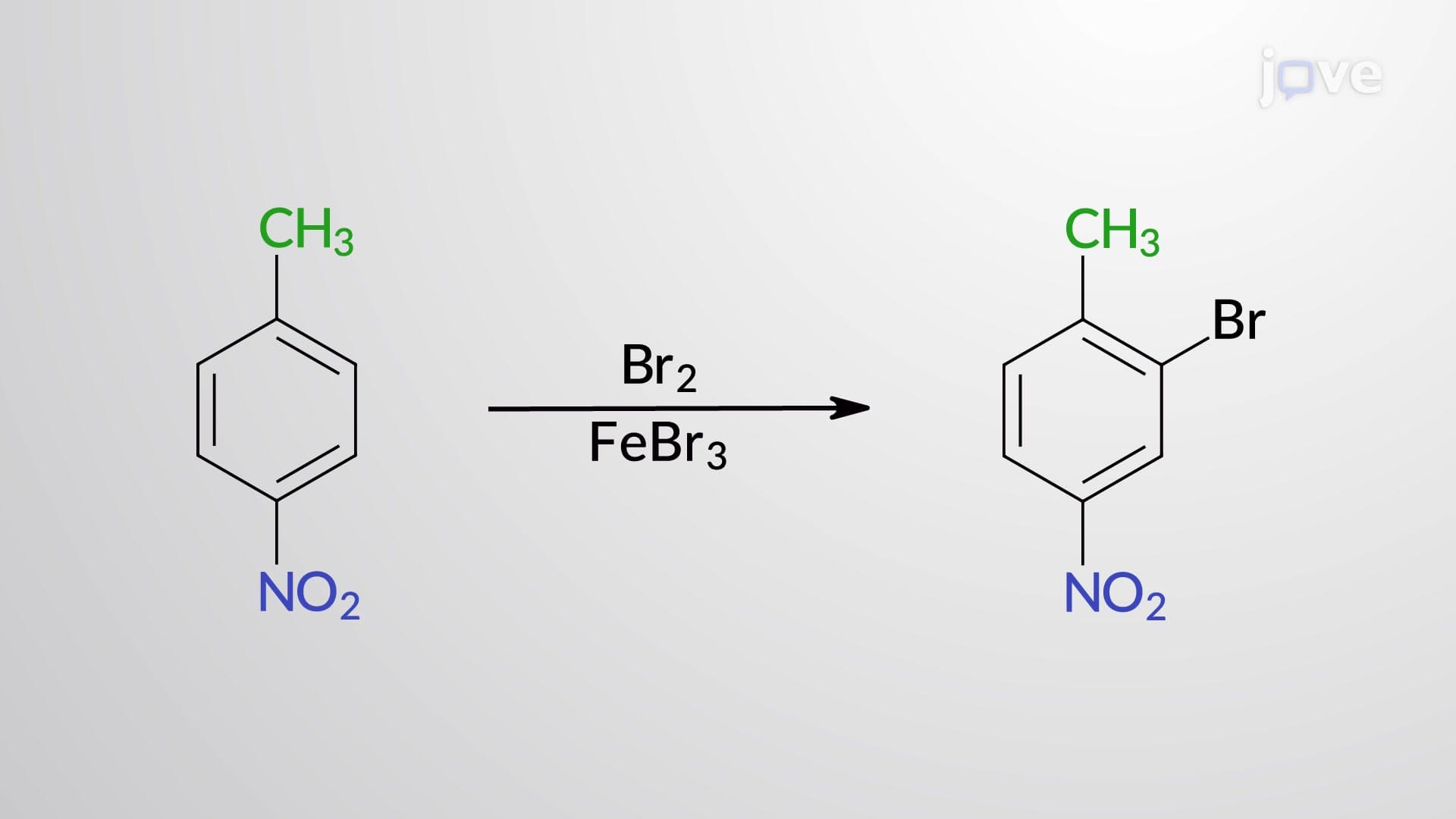
Understanding meta-directing effects proves crucial for pharmaceutical synthesis, where companies like Johnson & Johnson rely on these principles to manufacture drugs efficiently. For instance, the synthesis of certain anti-inflammatory compounds requires meta-substituted intermediates that depend on nitro group directing effects. College students studying chemical engineering or pre-med tracks encounter these applications in both theoretical coursework and laboratory experiences at universities nationwide.
Related Micro-courses