Loading video…


 25 Concepts
 147.9K views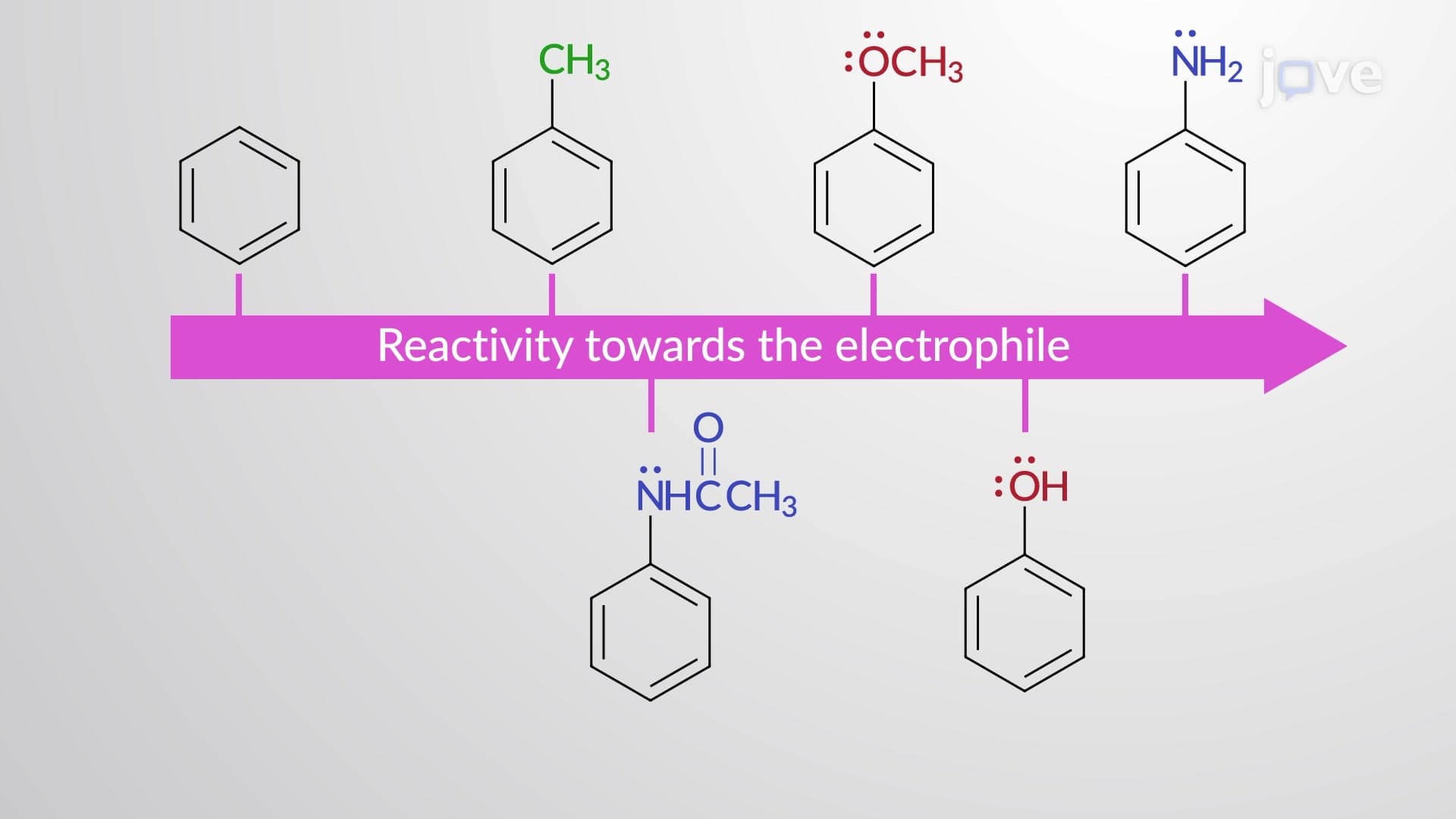

Video Summary: Directing Effect of Substituents Ortho Explained
Ever wonder why aspirin synthesis targets specific positions on benzene rings? The directing effect of substituents ortho determines exactly where new groups attach during chemical reactions. In pharmaceutical manufacturing across the US, companies like Pfizer rely on understanding how electron-donating groups like hydroxyl (-OH) and methyl (-CH3) guide incoming electrophiles to ortho and para positions, making reactions predictable and efficient. This directing effect of substituents ortho explained concept is fundamental to organic synthesis. Watch the full video on JoVE Coach to master this concept with expert-led visuals and step-by-step explanations.
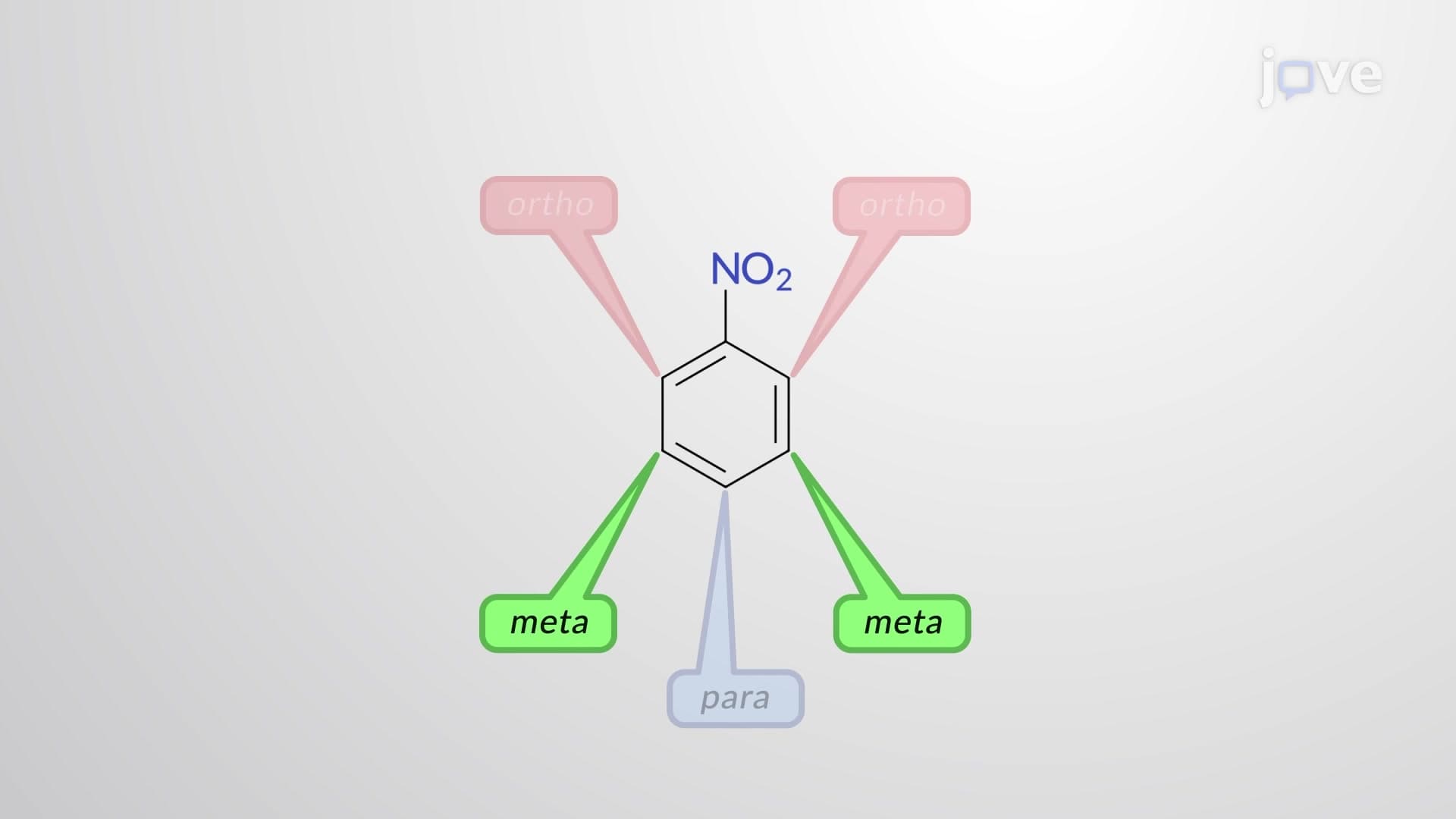
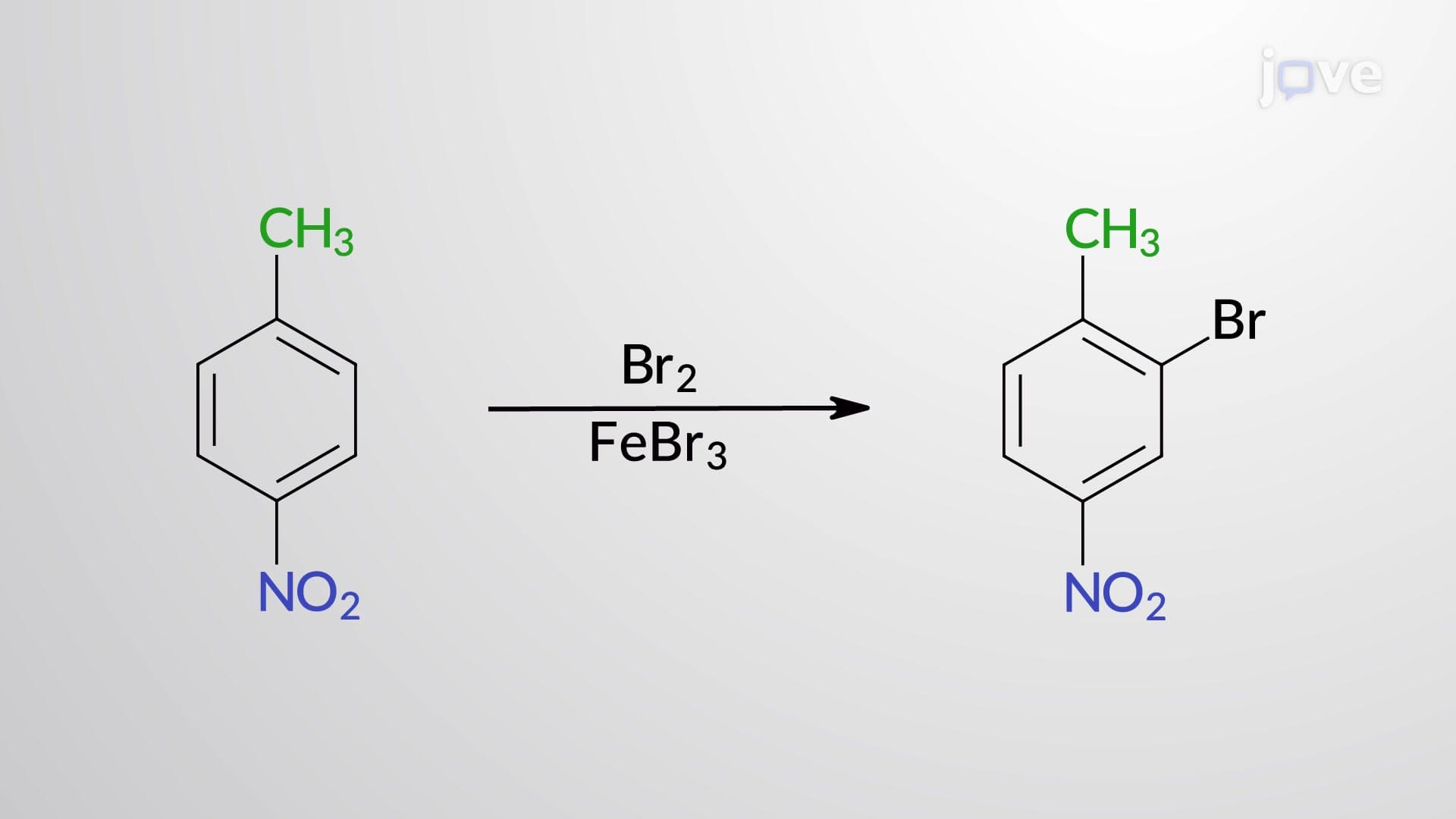
The directing effect of substituents ortho represents a fundamental principle governing where new groups attach to benzene rings during electrophilic aromatic substitution. When substituents already present on benzene donate electrons, they increase the ring's reactivity and guide incoming electrophiles to specific positions-primarily ortho (adjacent) and para (opposite) to the existing group.
This selectivity isn't random; it's driven by the relative stability of carbocation intermediates formed during the reaction mechanism. Students preparing for AP Chemistry exams and college organic chemistry courses must understand that electron-donating substituents create more stable intermediates at ortho and para positions compared to meta positions.
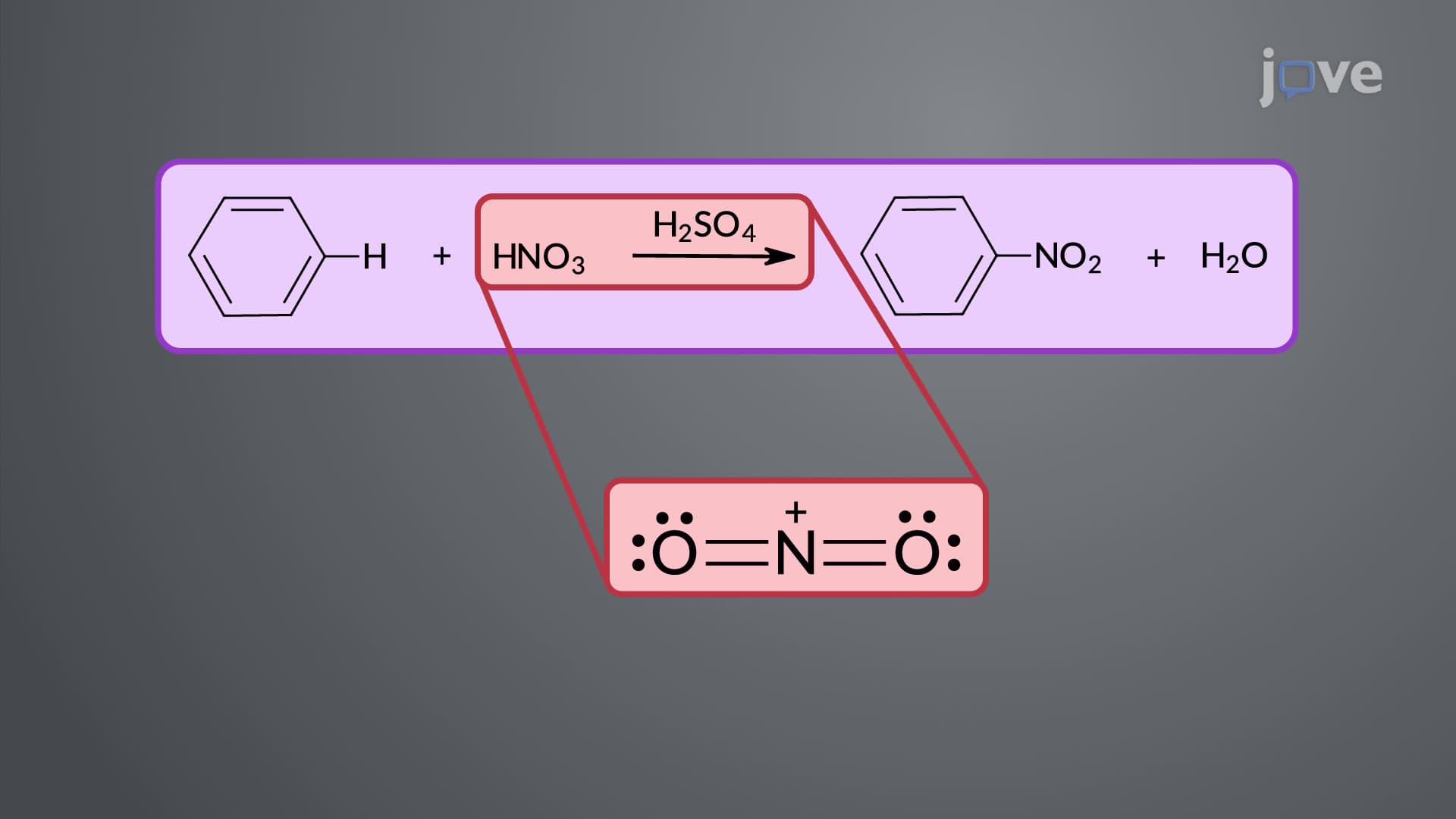
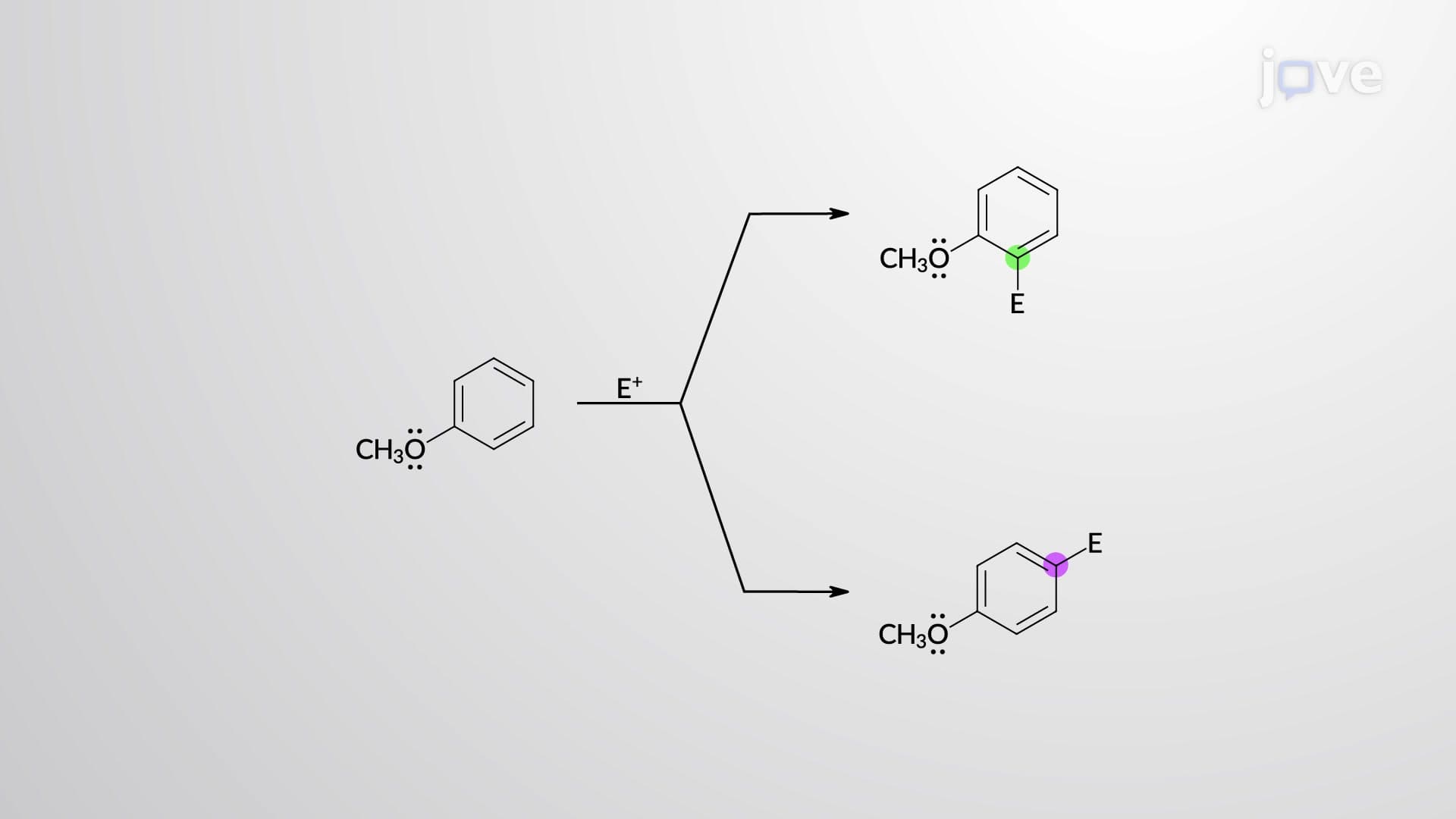
Substituents containing atoms with unshared electron pairs-such as hydroxyl (-OH), amino (-NH2), and alkoxy (-OR) groups-donate electrons through resonance. During phenol nitration, a reaction commonly studied in advanced chemistry courses, the oxygen atom's nonbonding electrons participate in resonance structures that stabilize the positive charge on carbocation intermediates.
This resonance stabilization explains why phenol undergoes nitration approximately 1000 times faster than benzene itself. US pharmaceutical companies exploit this principle when synthesizing medications requiring specific substitution patterns, ensuring high yields of desired products.
Groups without unshared electron pairs, particularly alkyl groups like methyl (-CH3), donate electrons through the inductive effect. In toluene nitration-a classic example in MCAT organic chemistry sections-the methyl group's electron-donating inductive effect stabilizes carbocation intermediates at ortho and para positions.
The tertiary carbon character at these positions allows better accommodation of positive charge when stabilized by the electron-releasing methyl group. This principle appears frequently in college organic chemistry midterms and standardized exams.
Understanding directing effects proves essential for pharmaceutical synthesis and materials science. When chemists at major US research institutions design synthetic routes, they strategically place electron-donating groups to control regioselectivity. This knowledge directly impacts drug development timelines and manufacturing costs, making it a critical concept for pre-med students and chemistry majors pursuing careers in pharmaceutical research.
Related Micro-courses