Loading video…


 25 Concepts
 147.9K views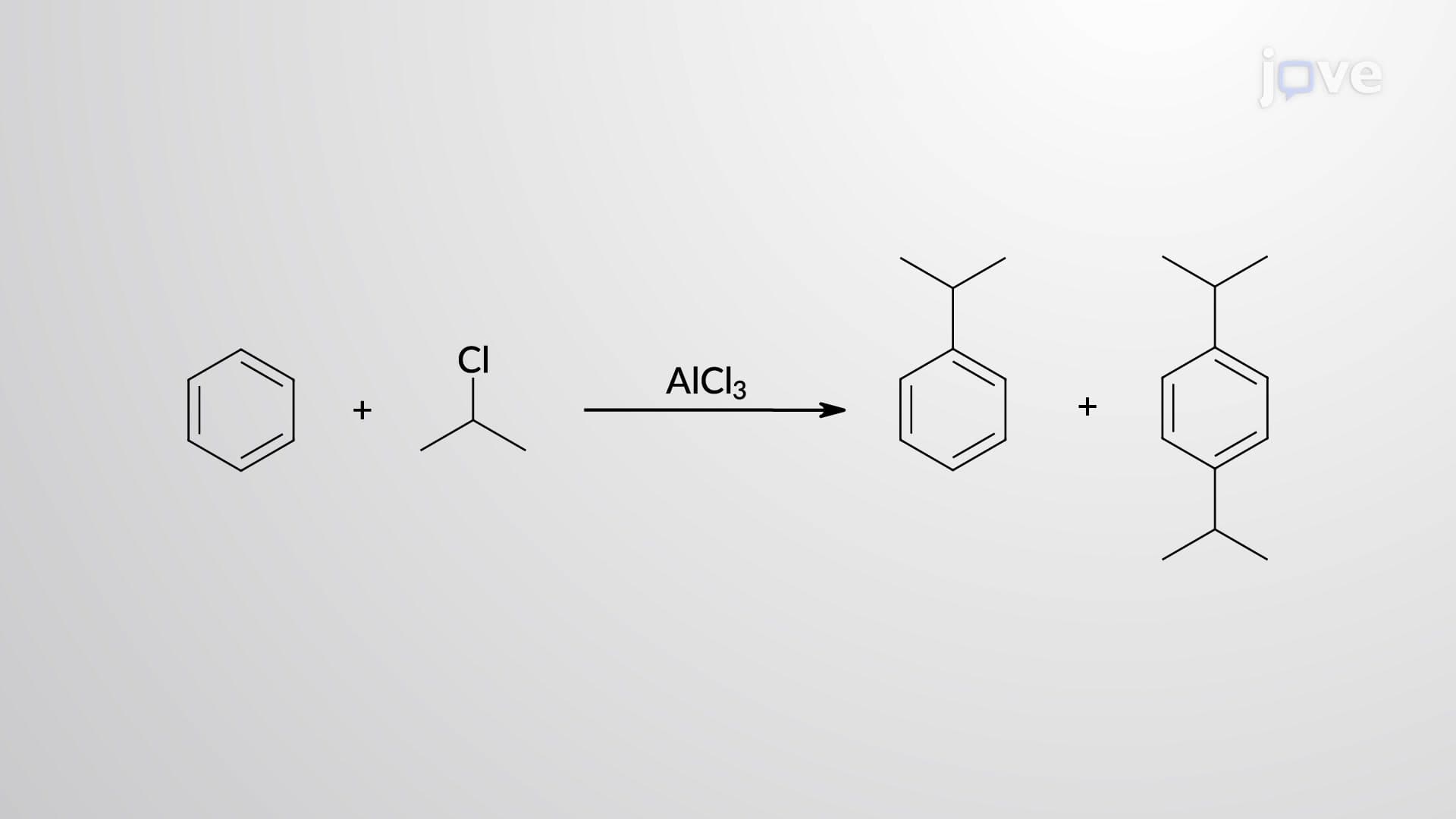

Video Summary: Limitations of Friedel Crafts Reactions Explained
Ever wonder why pharmaceutical companies can't always use the most straightforward synthetic routes to create life-saving medications? The limitations of Friedel Crafts reactions create significant challenges in organic synthesis, affecting everything from drug manufacturing at companies like Pfizer to undergraduate lab experiments. These fundamental restrictions include carbocation rearrangements, polyalkylation issues, and substrate limitations that organic chemists must navigate carefully. Watch the full video on JoVE Coach to master this concept with expert-led visuals and step-by-step explanations.
Friedel-Crafts reactions represent cornerstone transformations in organic chemistry, yet their limitations of Friedel Crafts reactions significantly impact synthetic strategy. These restrictions aren't merely academic curiosities-they directly influence pharmaceutical synthesis, petrochemical processing, and materials science applications across the United States.
The first major limitation centers on alkyl halide compatibility. Friedel-Crafts alkylations exclusively work with alkyl halides containing sp³-hybridized carbons bearing the halogen. This restriction eliminates vinyl halides (sp²) and aryl halides from consideration because they would generate highly unstable primary vinylic or phenyl carbocations under typical reaction conditions.
For example, attempting to use vinyl bromide (CH₂=CHBr) with benzene and AlCl₃ fails because the resulting vinylic carbocation lacks sufficient stabilization. This limitation forces synthetic chemists at companies like Dow Chemical to employ alternative strategies when introducing vinyl groups onto aromatic rings.
Carbocation rearrangements pose another significant obstacle, particularly relevant for AP Chemistry and organic chemistry students. Primary and secondary carbocations readily rearrange via 1,2-hydride or 1,2-alkyl shifts to form more stable tertiary carbocations. Consequently, attempting to alkylate benzene with 1-chloropropane doesn't yield propylbenzene as expected-instead, isopropylbenzene predominates due to carbocation rearrangement.
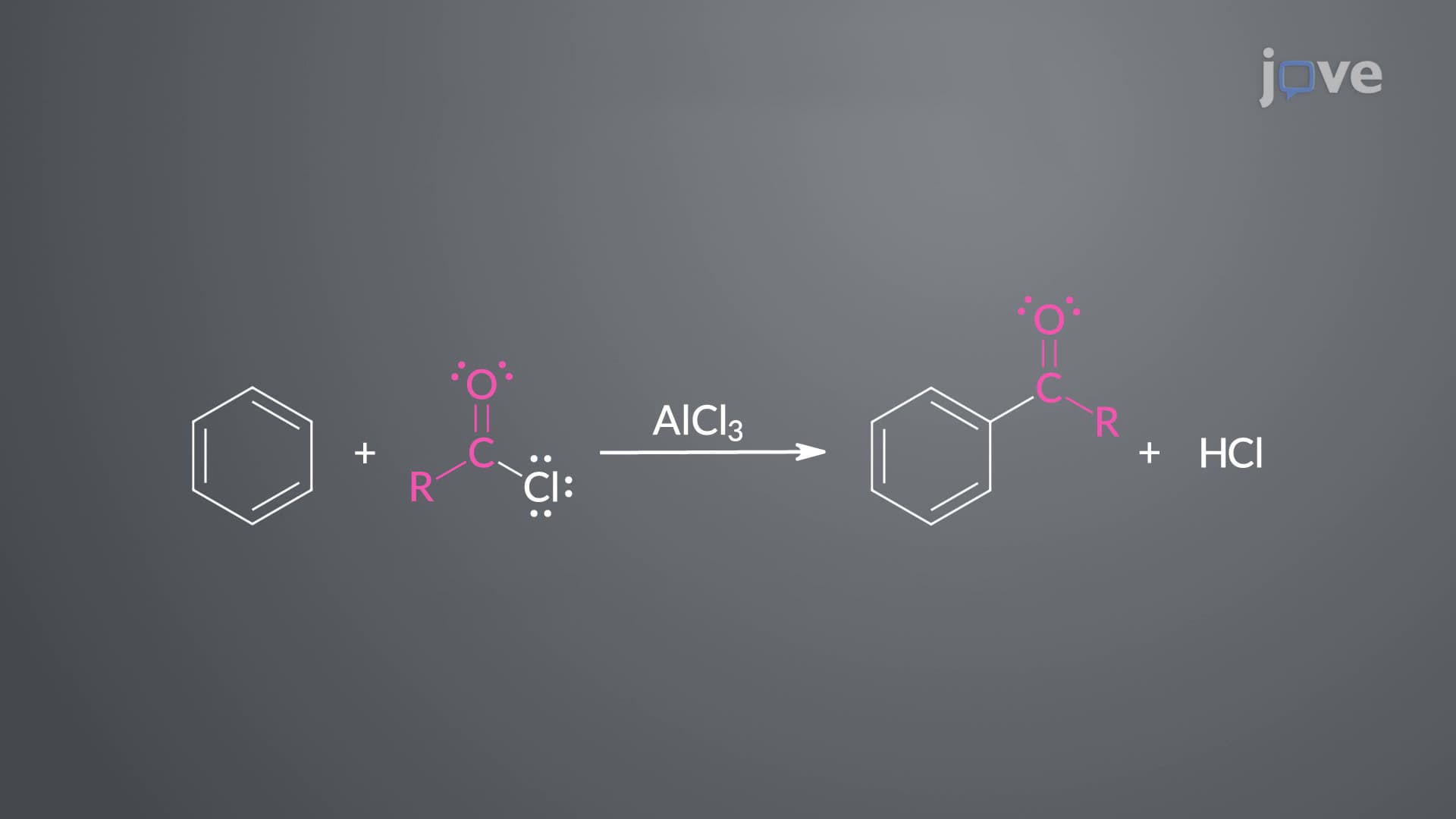
This phenomenon doesn't occur in Friedel-Crafts acylation because acylium ions (R-CO⁺) gain exceptional stability through resonance with the carbonyl group. The positive charge delocalizes between carbon and oxygen, preventing rearrangement and ensuring predictable products.
Friedel-Crafts alkylations suffer from polyalkylation problems because alkyl groups are electron-donating through hyperconjugation. Once one alkyl group attaches to the benzene ring, it activates the ring toward further electrophilic substitution, making monoalkylation difficult to achieve selectively.
Conversely, acyl groups are electron-withdrawing due to the carbonyl's electronegativity. After monoacylation, the ring becomes deactivated, naturally favoring single substitution-a crucial advantage exploited in pharmaceutical synthesis.
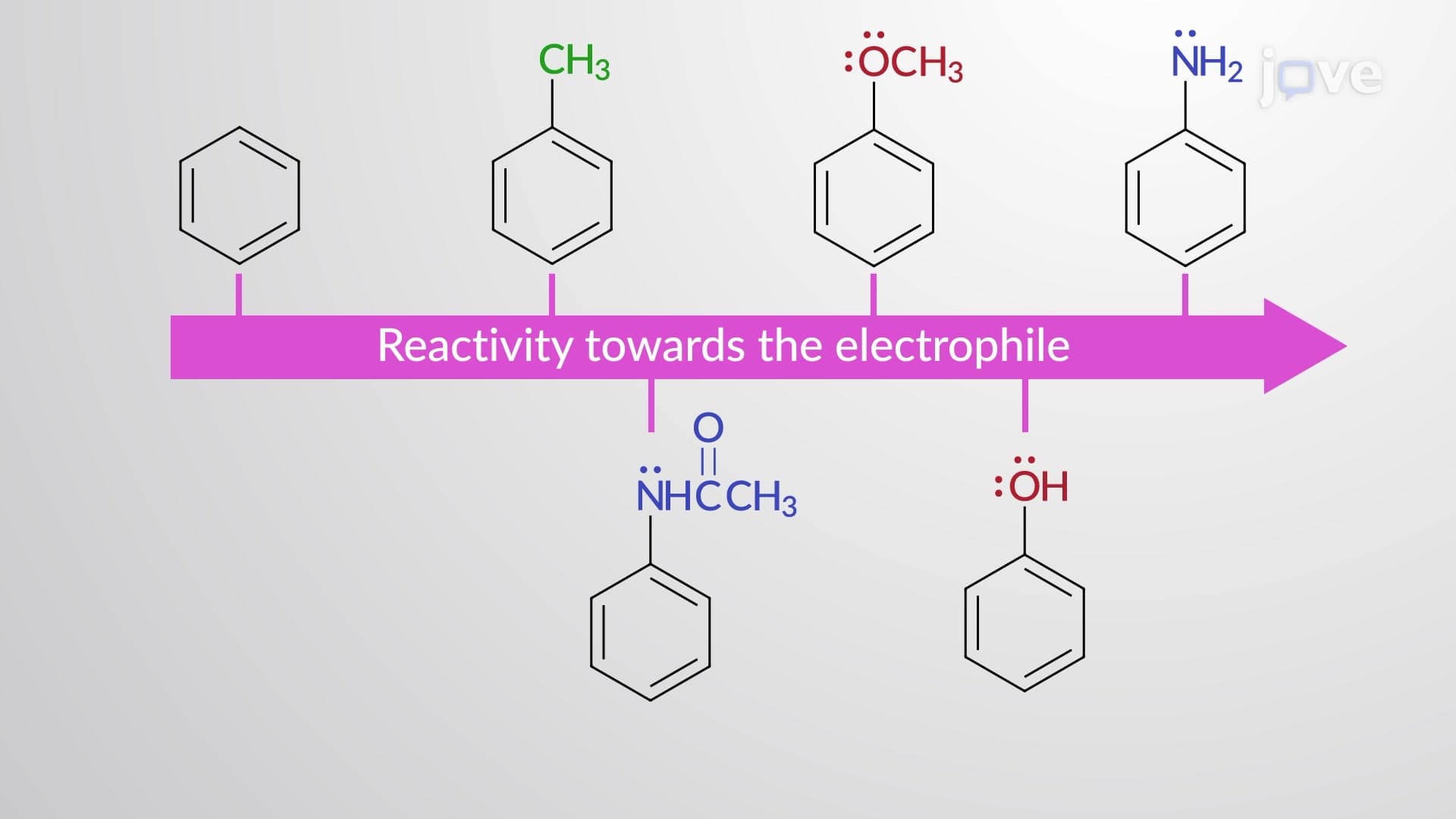
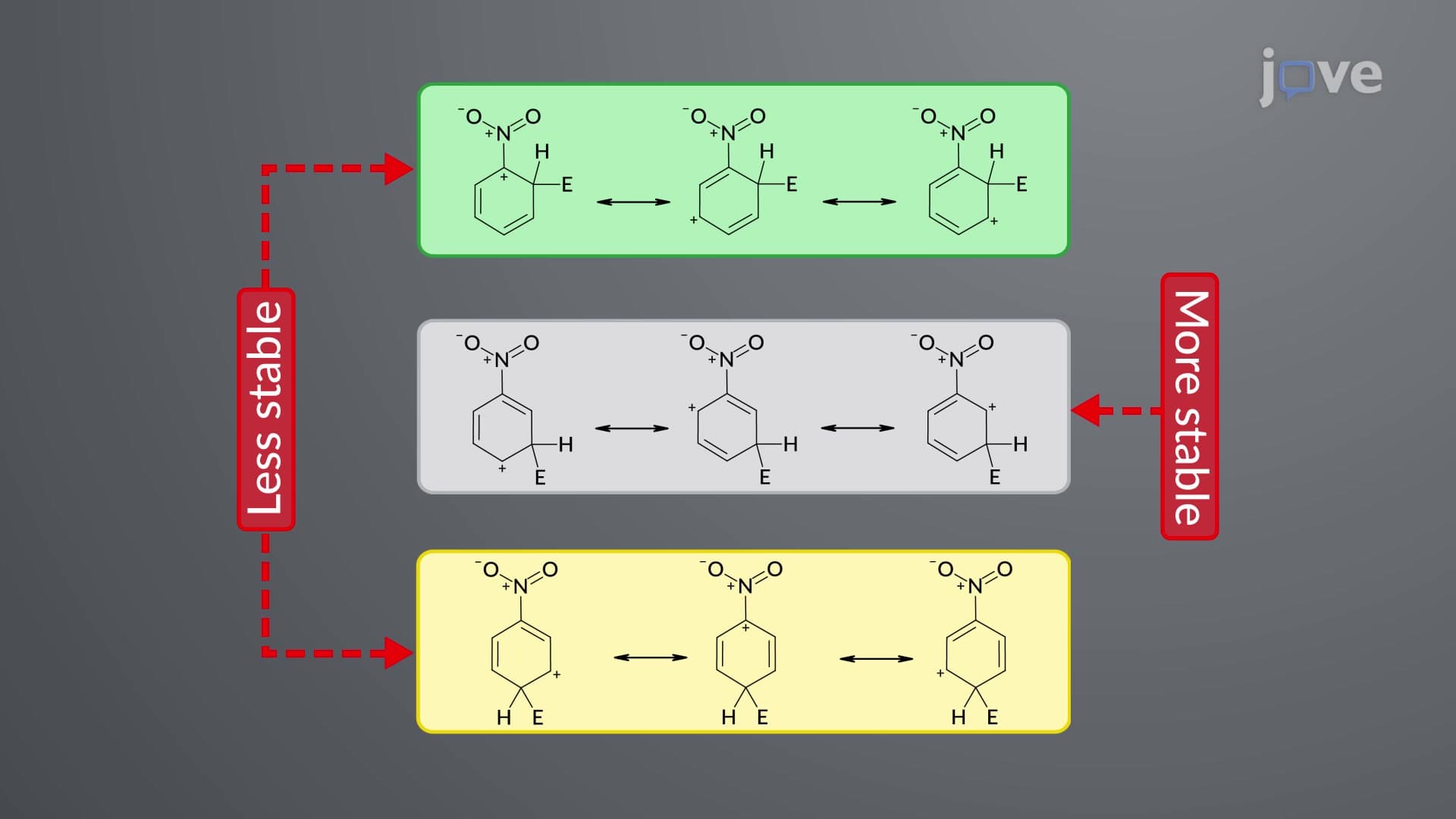
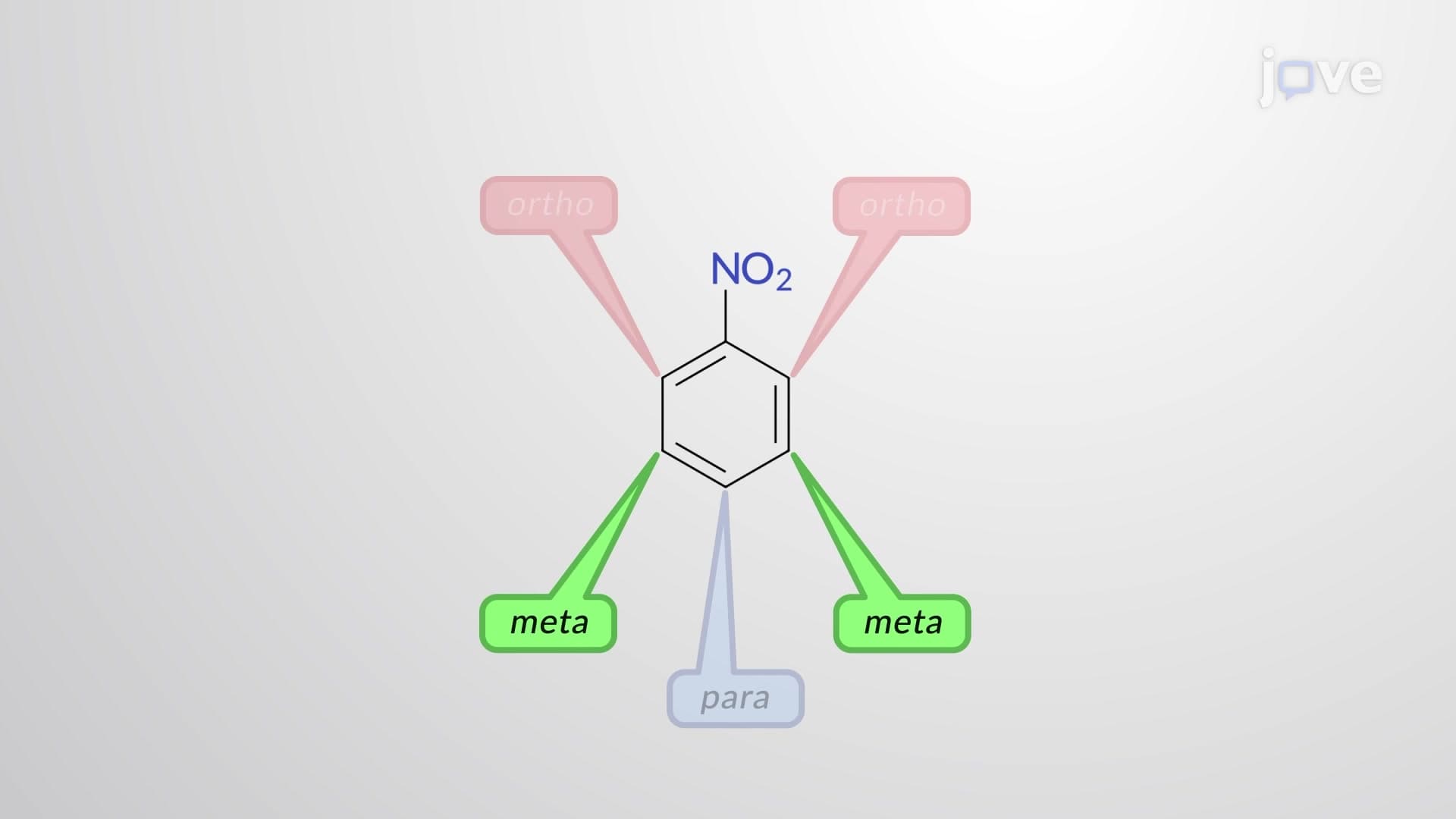
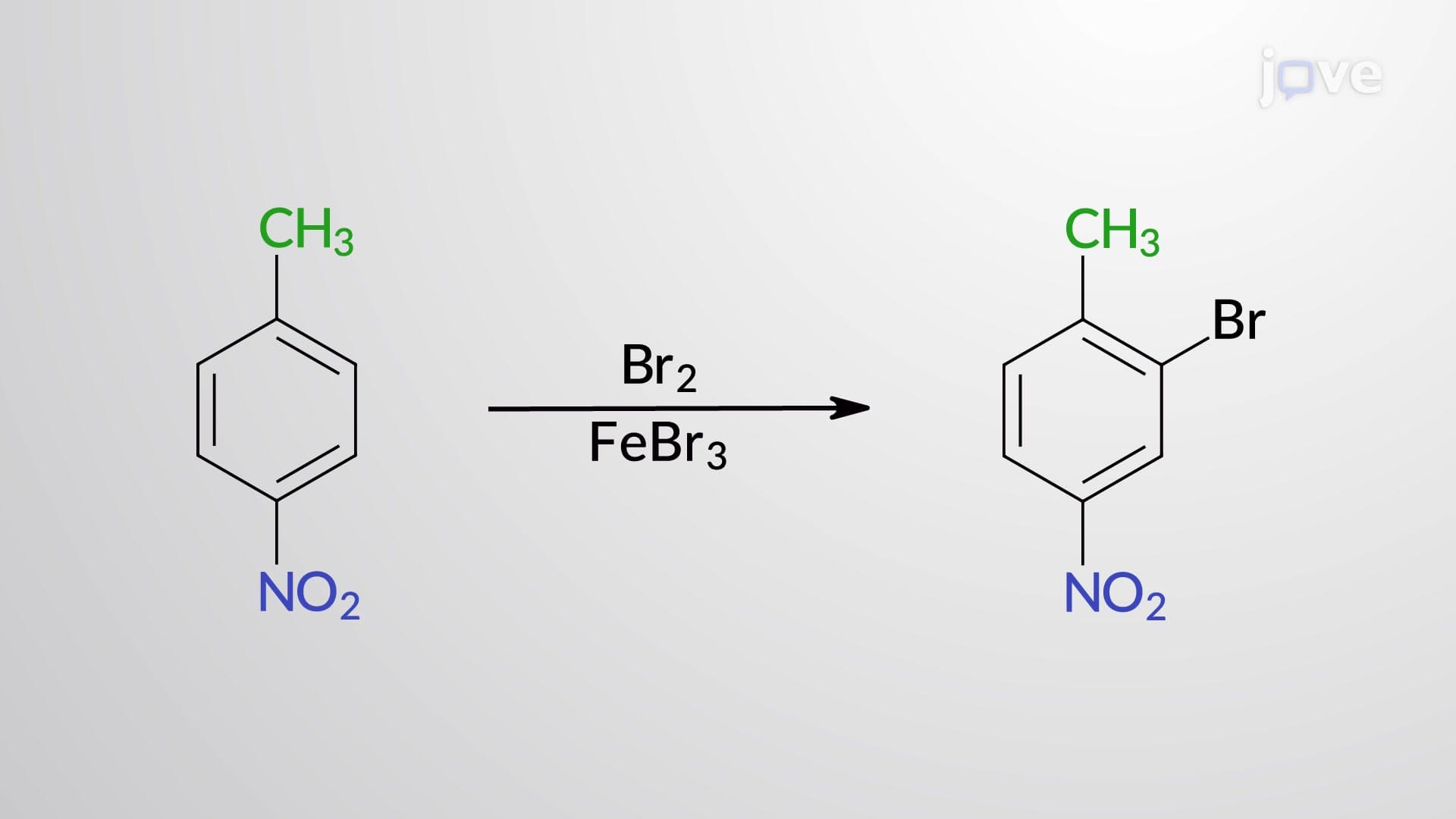
Both reactions fail with electron-deficient aromatic rings. Strongly electron-withdrawing groups (nitro, cyano, carbonyl) and protonated amino groups render the benzene ring insufficiently nucleophilic for electrophilic aromatic substitution. This limitation appears frequently on MCAT practice problems, where students must recognize when Friedel-Crafts conditions won't work and suggest alternative synthetic approaches.
Related Micro-courses