Loading subject page…


147,911 views

Video Summary: Nucleophilic Aromatic Substitution Addition Elimination Snar Explained
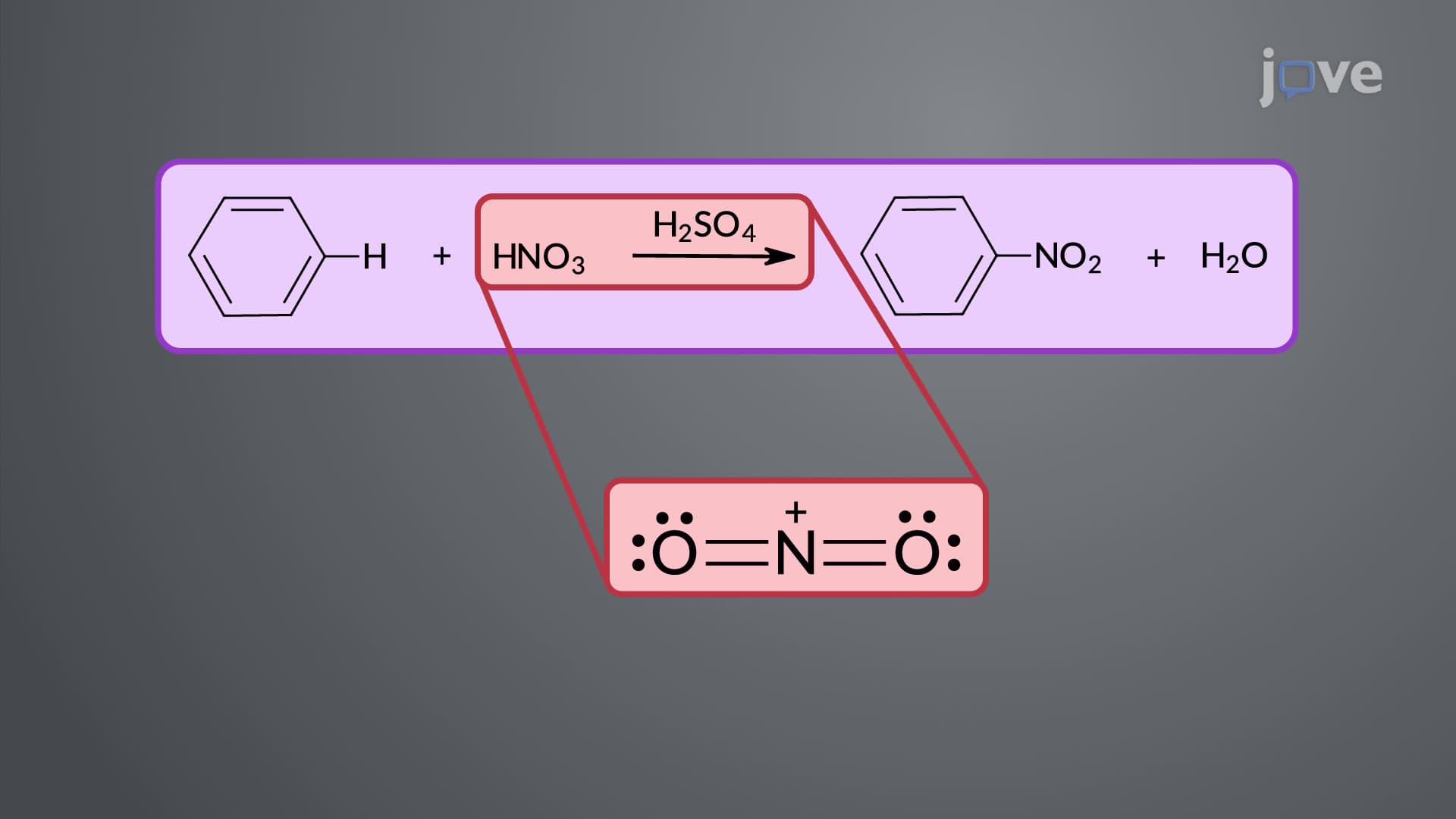
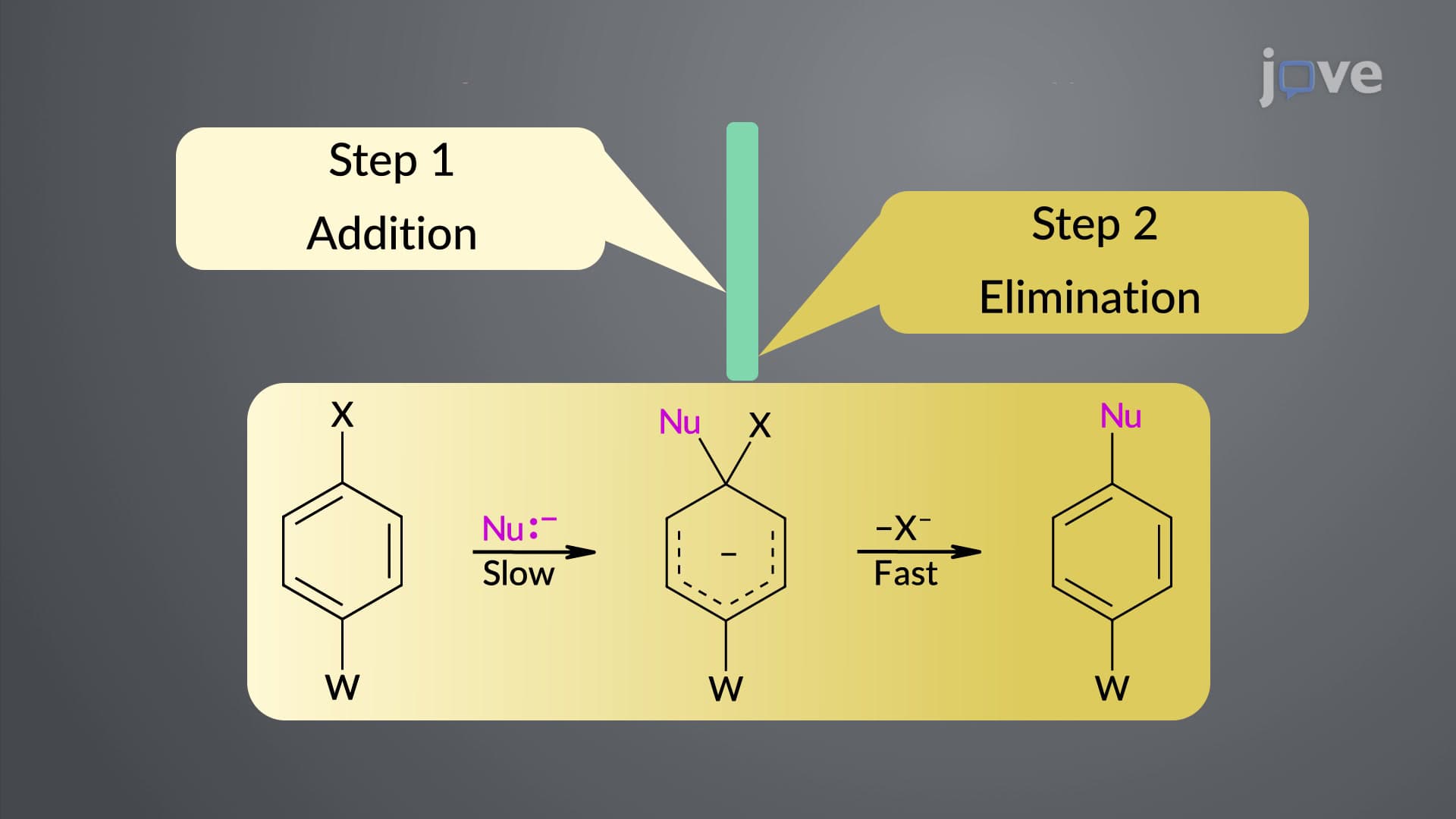
Why do some aromatic compounds react with nucleophiles while benzene typically doesn't? Nucleophilic aromatic substitution addition breaks the usual rules of aromatic chemistry when electron-withdrawing groups activate the ring. For example, TNT (trinitrotoluene) explosive manufacturing relies on this mechanism to attach nitro groups to benzene rings. The Nucleophilic Aromatic Substitution Addition Elimination Snar Explained process involves a two-step dance: nucleophile addition followed by leaving group elimination through stabilized Meisenheimer intermediates. Watch the full video on JoVE Coach to master this concept with expert-led visuals and step-by-step explanations.
Nucleophilic aromatic substitution addition elimination represents a fascinating exception to the general unreactivity of aromatic rings toward nucleophiles. Unlike typical aromatic chemistry where electrophiles attack the electron-rich benzene ring, this mechanism requires electron-poor aromatic systems to attract nucleophilic attack.
The SNAr mechanism proceeds through a well-defined two-step pathway. In the addition step, a nucleophile attacks the electron-deficient carbon bearing the leaving group, temporarily disrupting aromaticity. This creates a negatively charged intermediate where electrons can delocalize across the ring system. The elimination step restores aromaticity by expelling the leaving group, driven by the thermodynamic favorability of regaining the aromatic stabilization energy.
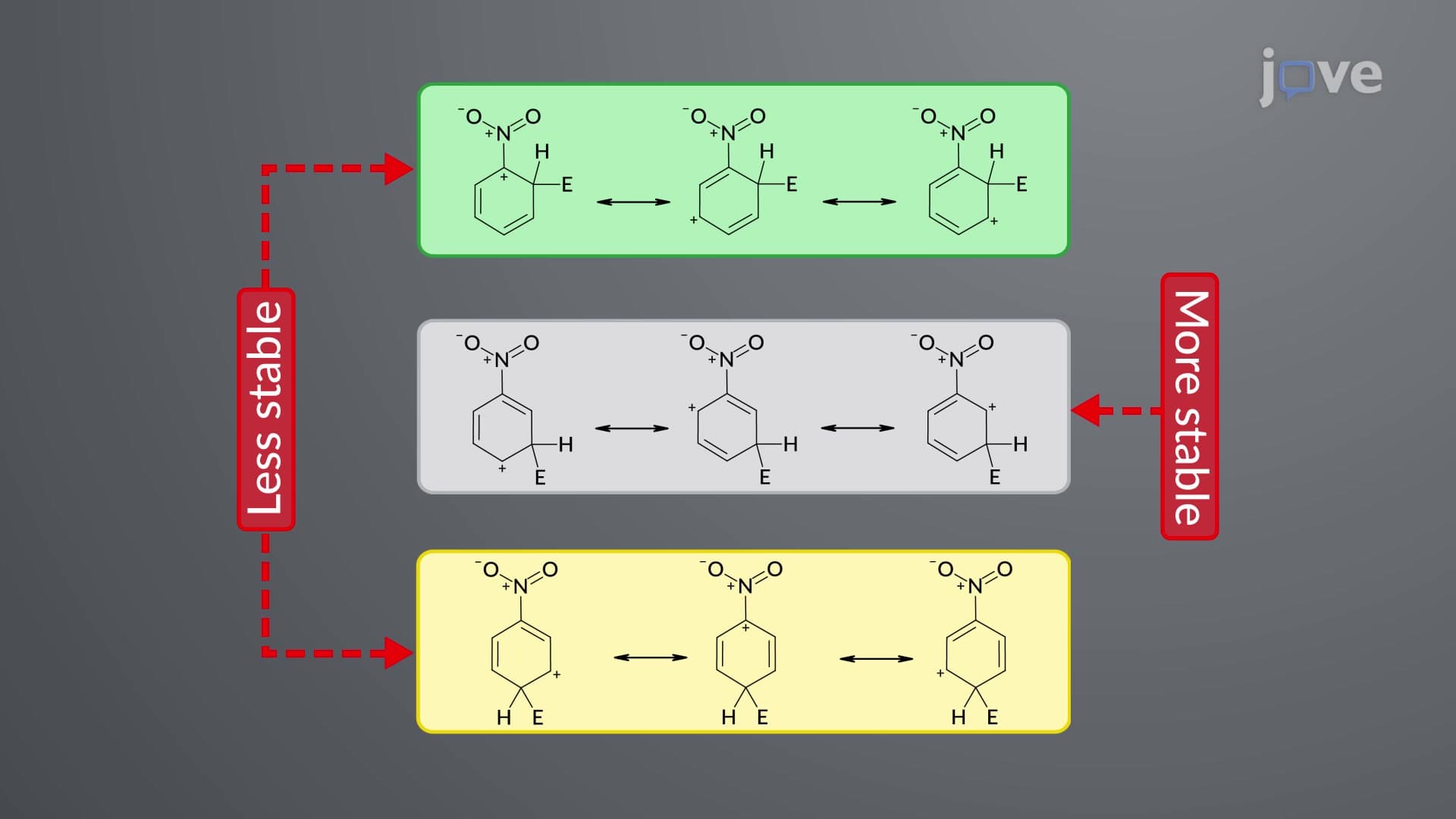
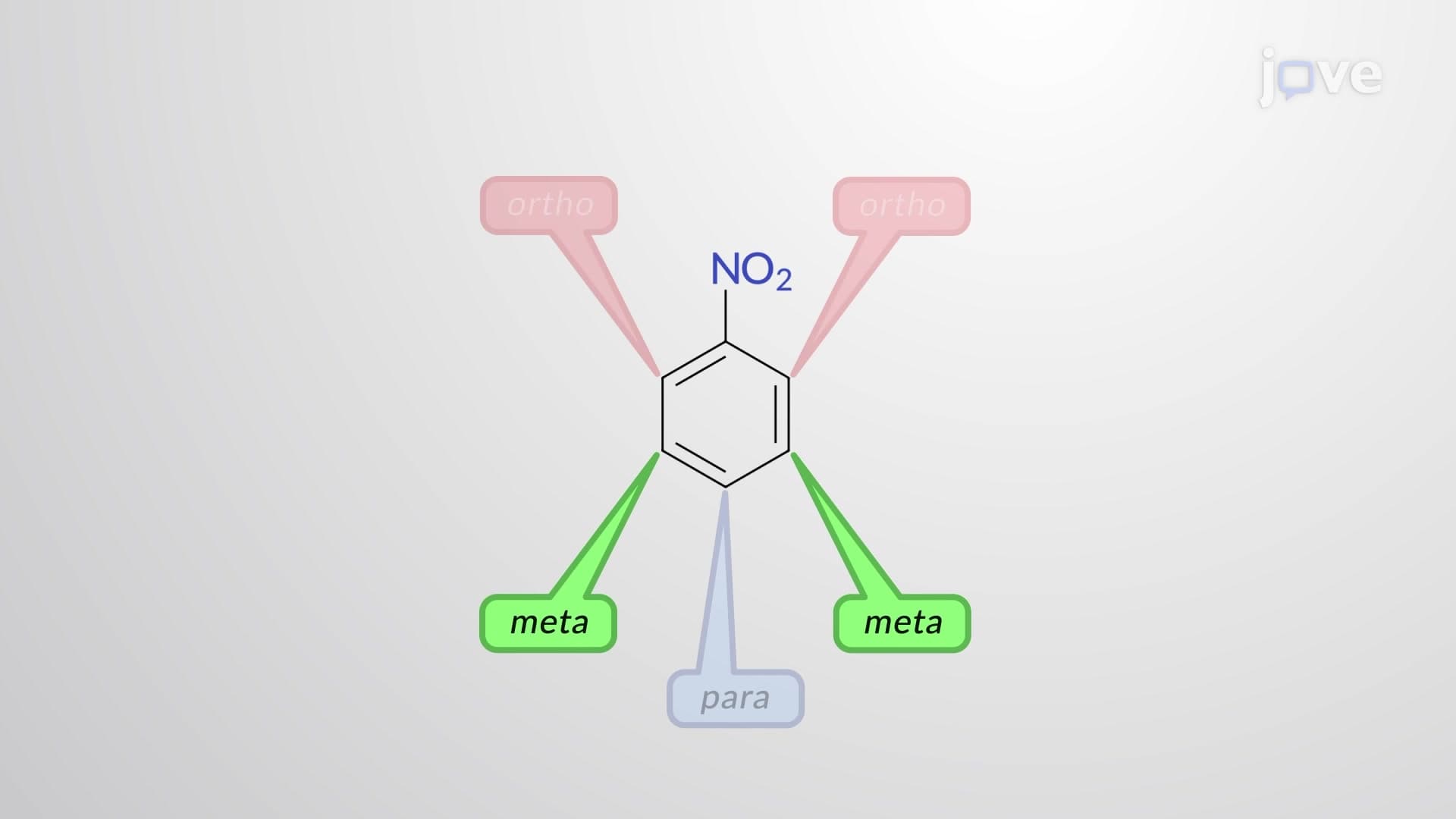
The crucial intermediates in this process, called Meisenheimer intermediates, explain why certain substitution patterns work while others fail. When electron-withdrawing groups like nitro (-NO2) occupy ortho or para positions, they can accommodate negative charge through resonance. The most stable resonance form places negative charge directly on the oxygen atoms of the nitro group, providing exceptional stabilization. This stabilization makes the overall reaction thermodynamically and kinetically feasible.
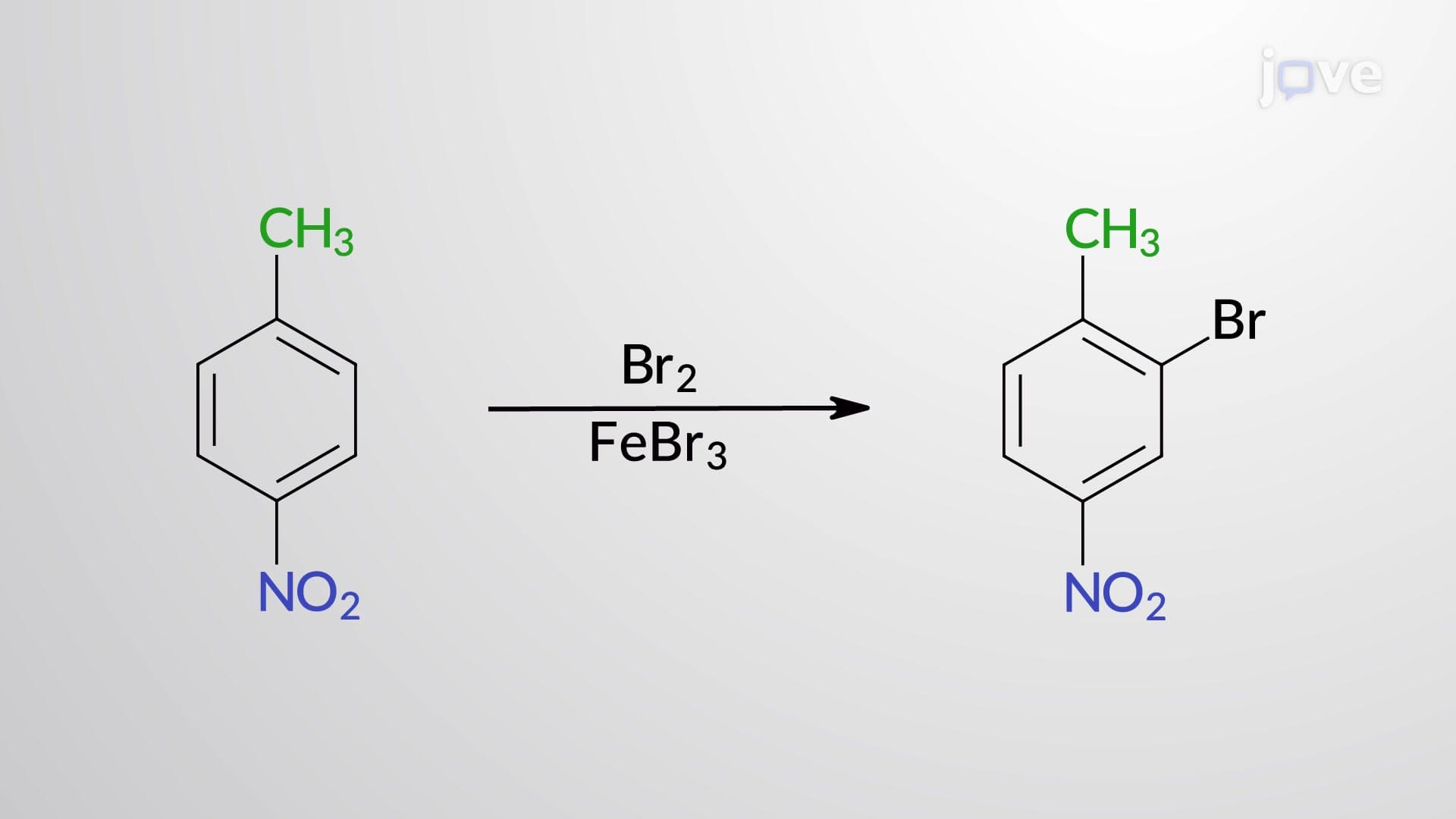
The positioning of electron-withdrawing substituents determines reaction success. In ortho and para arrangements, resonance allows electron density to delocalize onto the substituent, stabilizing the Meisenheimer intermediate. However, meta positioning prevents this crucial resonance interaction, making the intermediate too unstable to form. This selectivity appears frequently on AP Chemistry exams and college organic chemistry tests, where students must predict reaction outcomes based on substitution patterns.
This mechanism appears in pharmaceutical synthesis, such as producing anti-inflammatory drugs where nucleophiles displace halogens on activated aromatic rings. For MCAT preparation, understanding SNAr reactions helps explain drug metabolism pathways. College organic chemistry courses emphasize this topic heavily, often comprising 10-15% of exam questions. The mechanism also connects to industrial processes like manufacturing herbicides and dyes, making it practically relevant beyond academic settings.
Related Micro-courses