Loading subject page…

- Organic Chemistry
- Reactions of Aromatic Compounds
- ortho–para-Directing Activators: –CH3, –OH, –NH2, –OCH3
Micro-course: Reactions of Aromatic Compounds
147,905 views
Learn key concepts and earn your certificate.



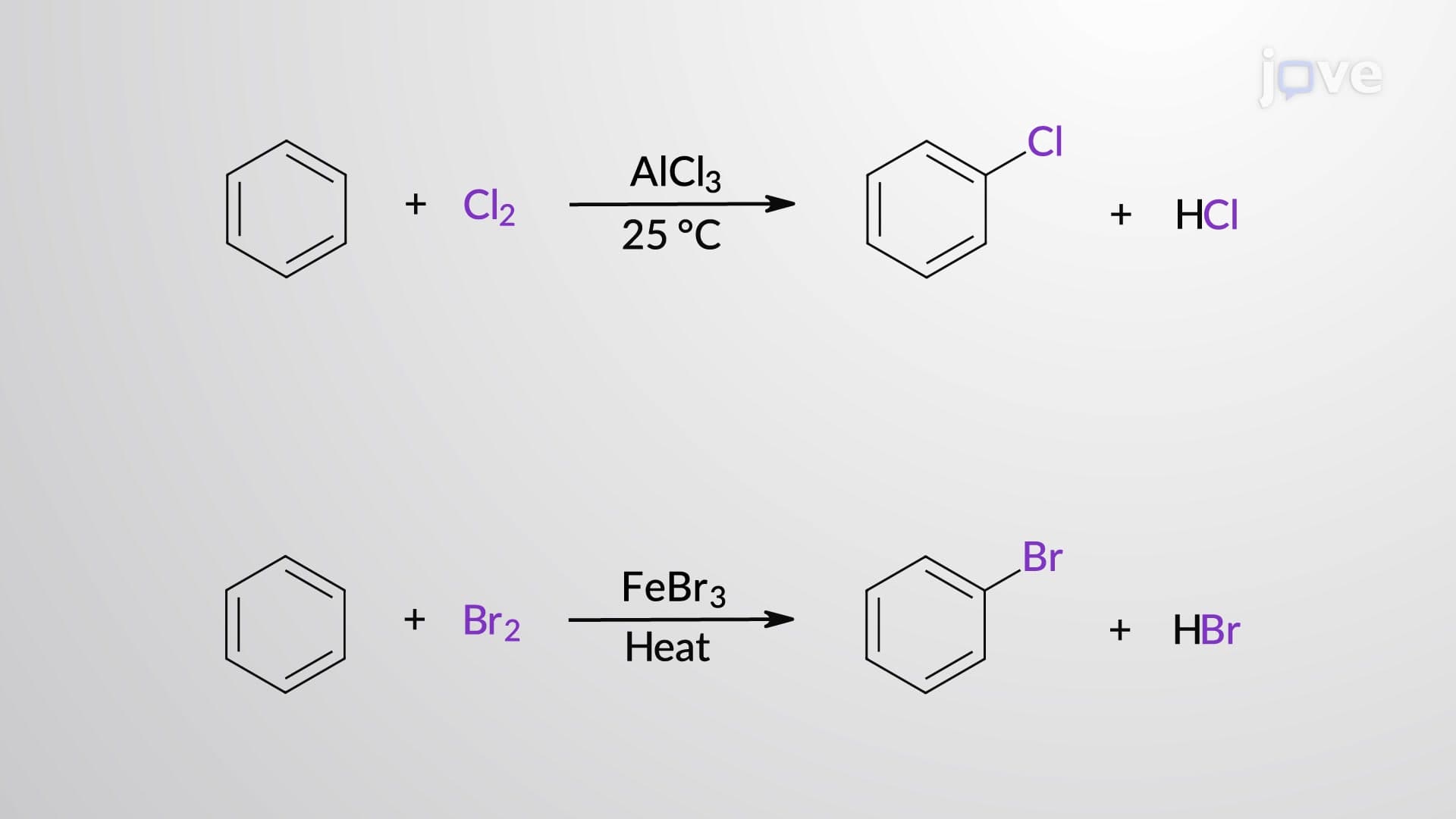
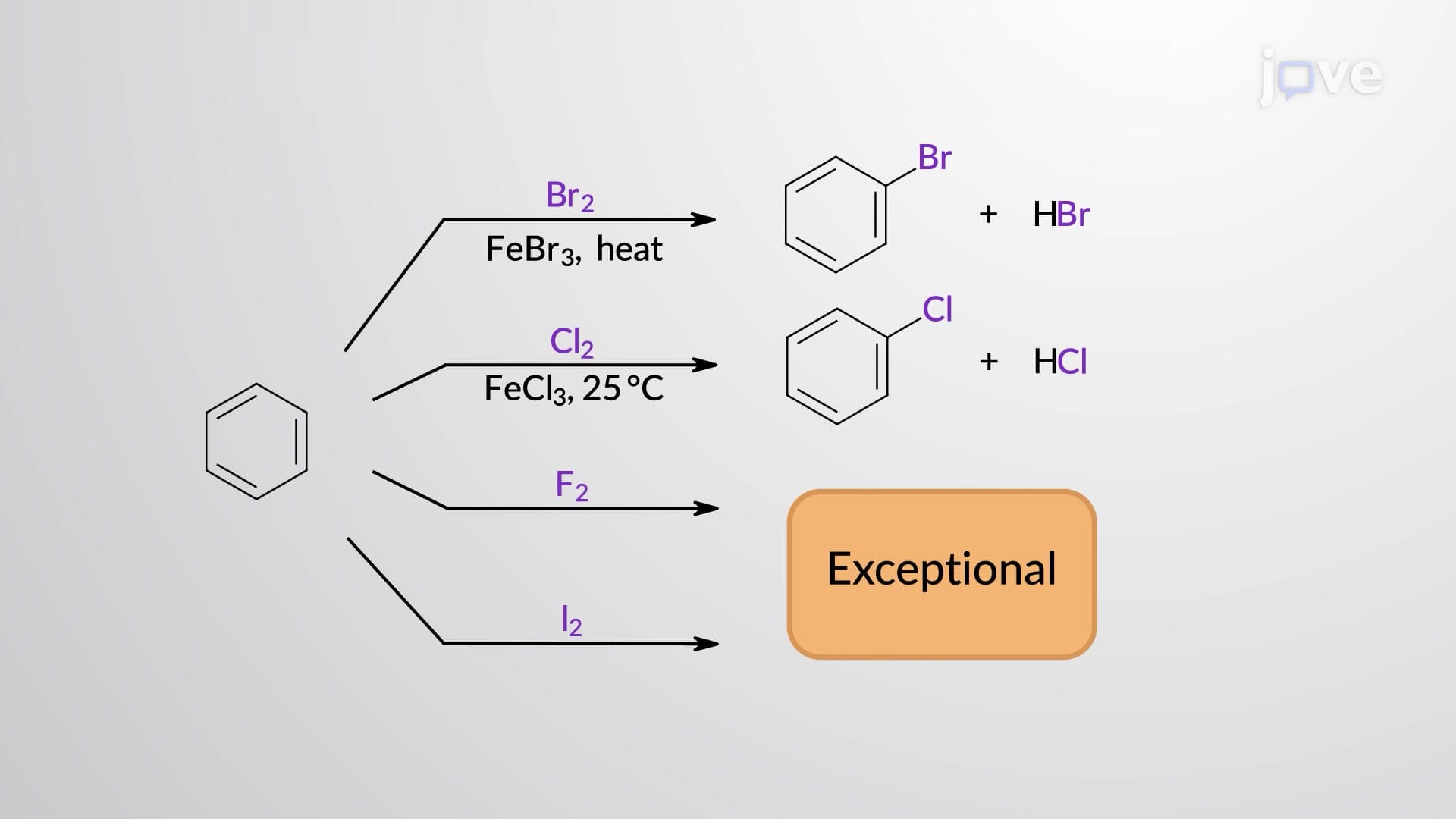
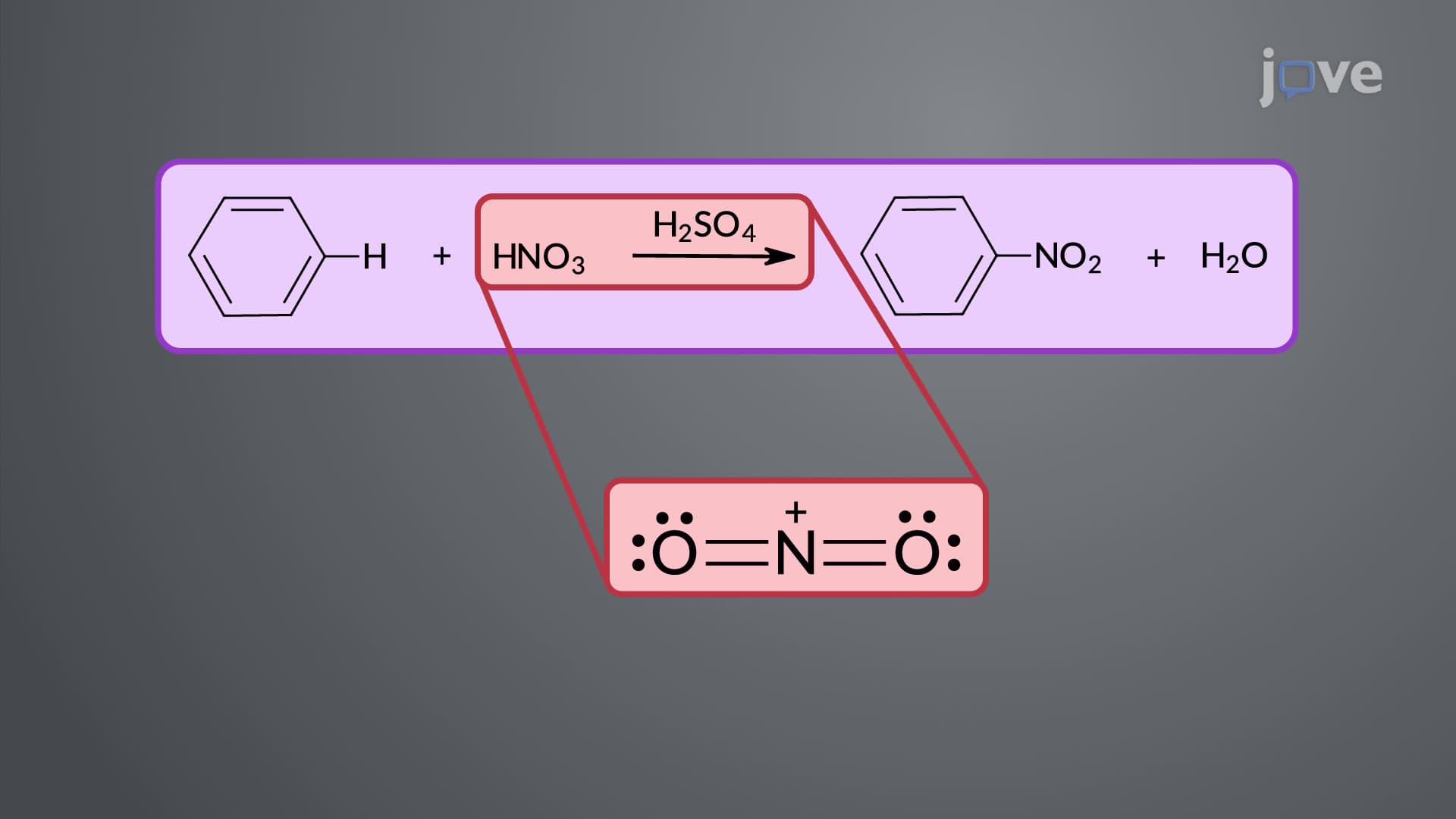
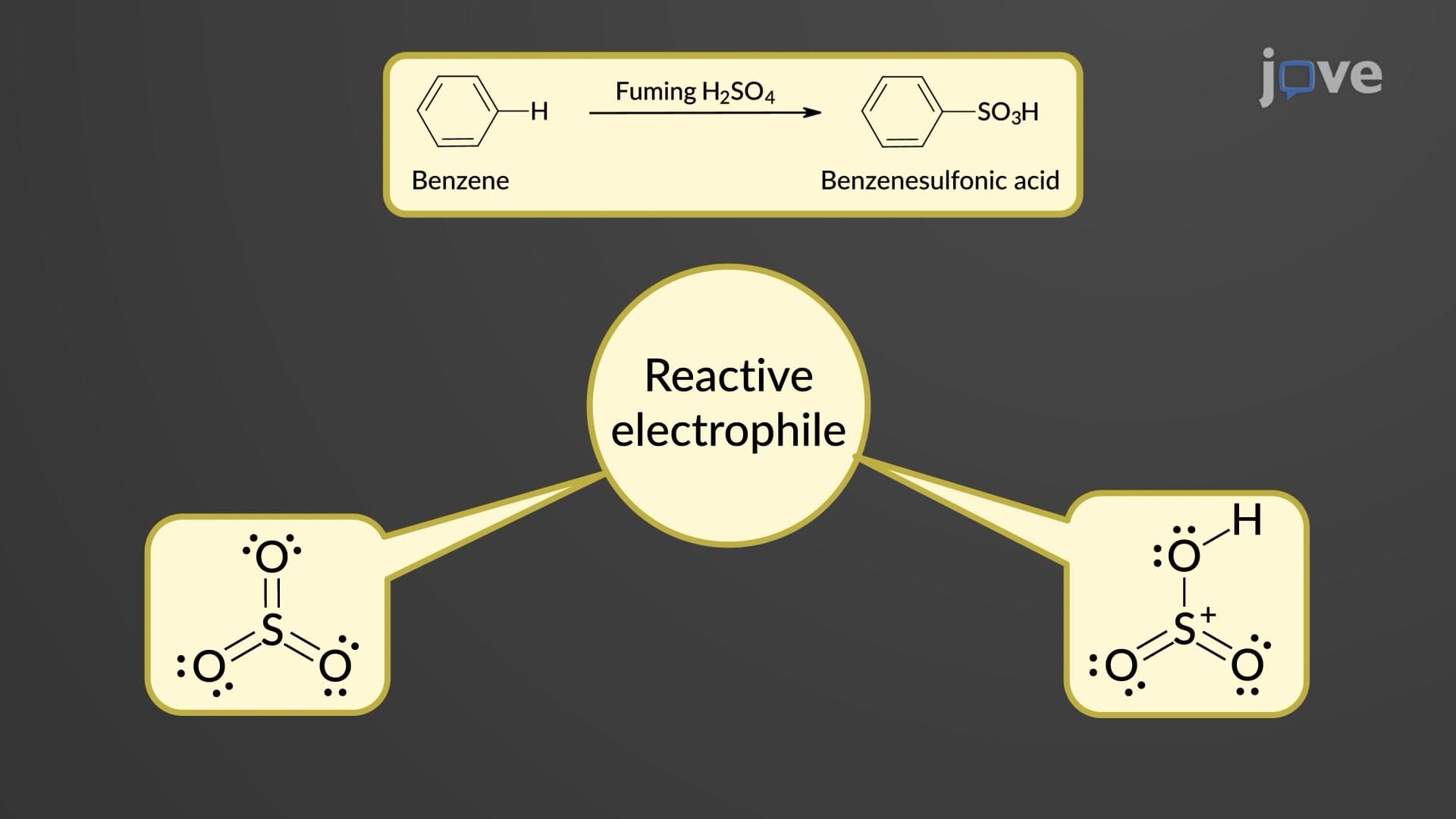

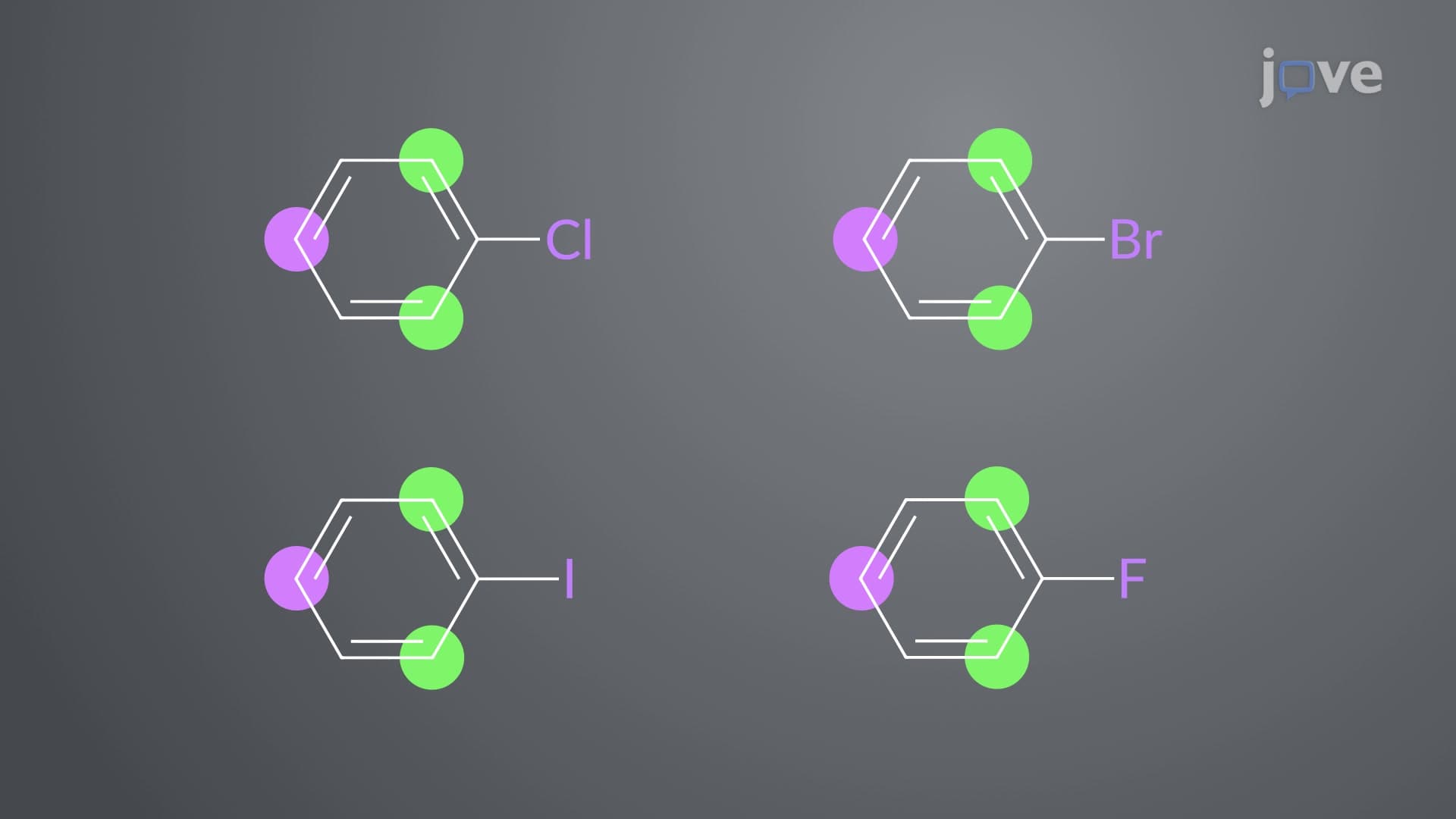
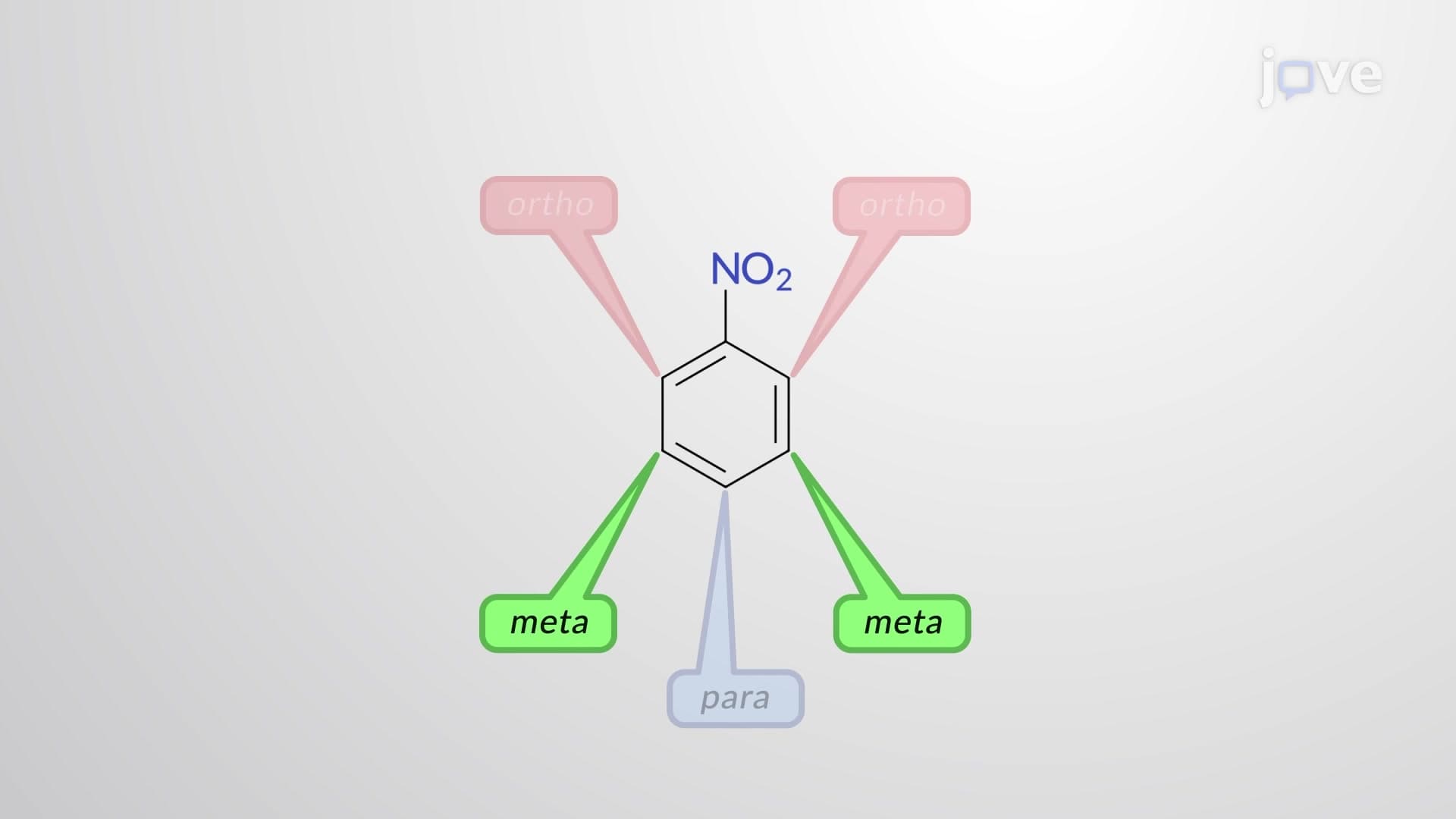
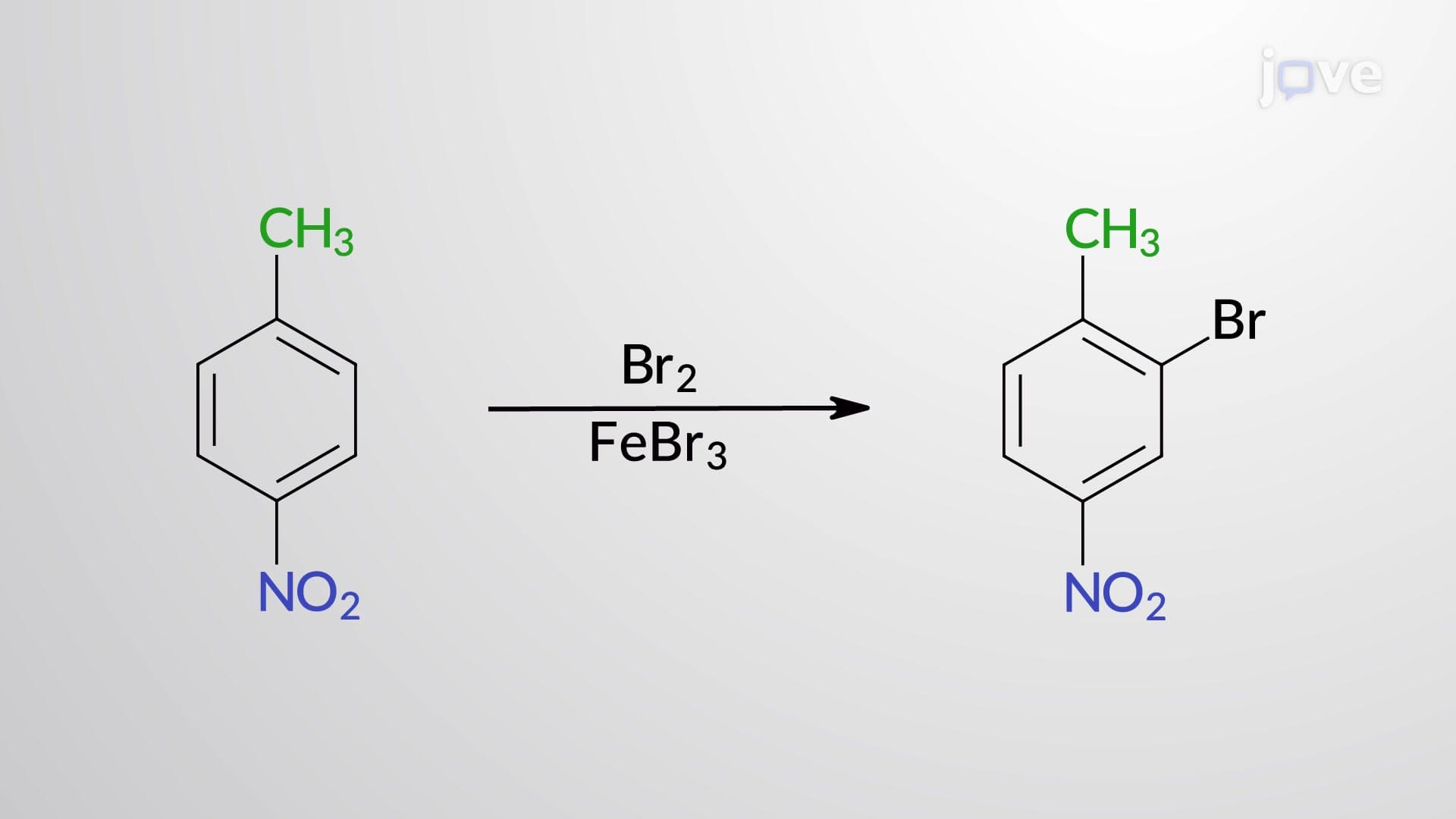
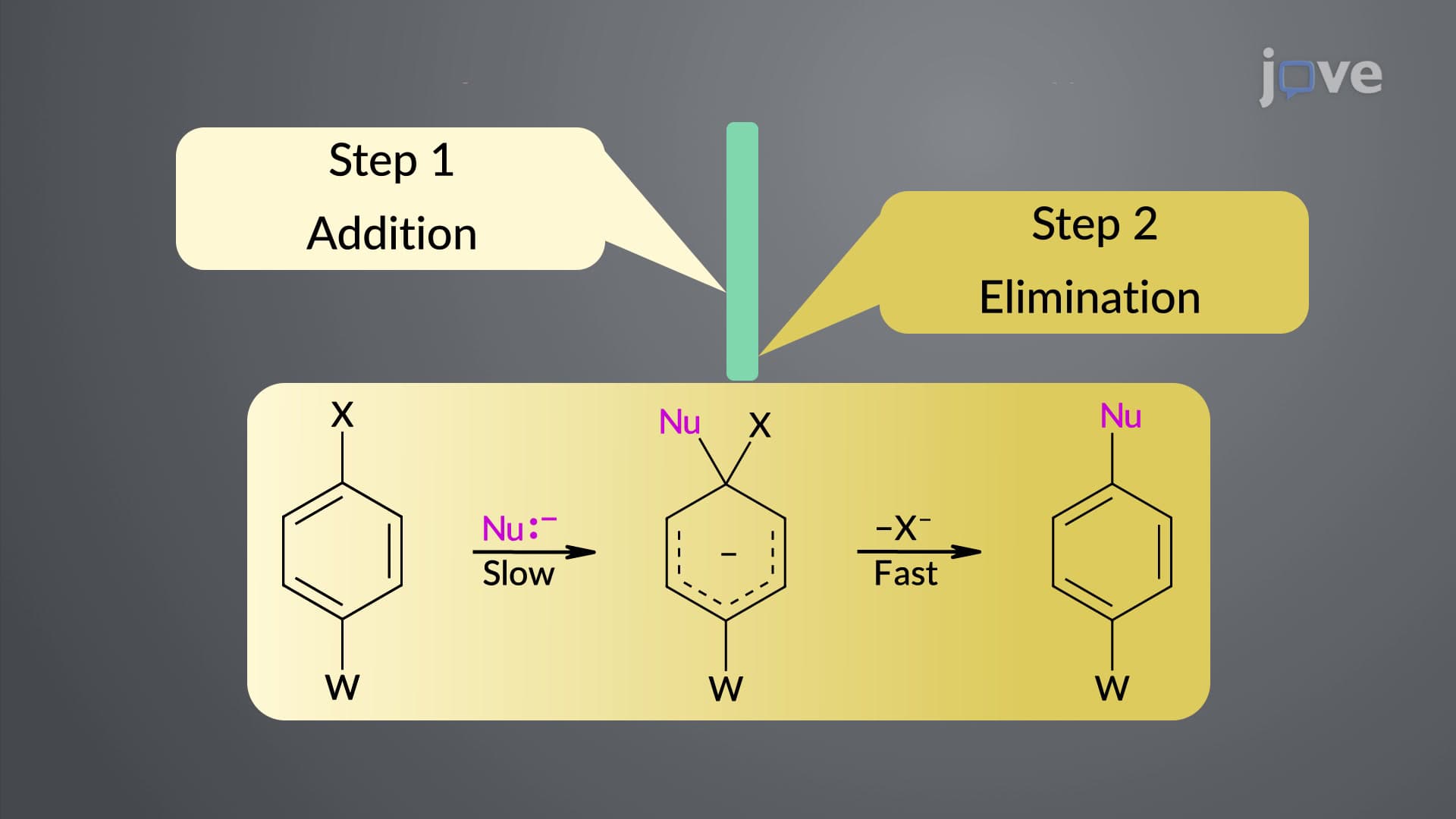



ortho–para-Directing Activators: –CH3, –OH, –NH2, –OCH3

00:00
01:11
Video Summary: Ortho Para Directing Activators Ch3 Explained
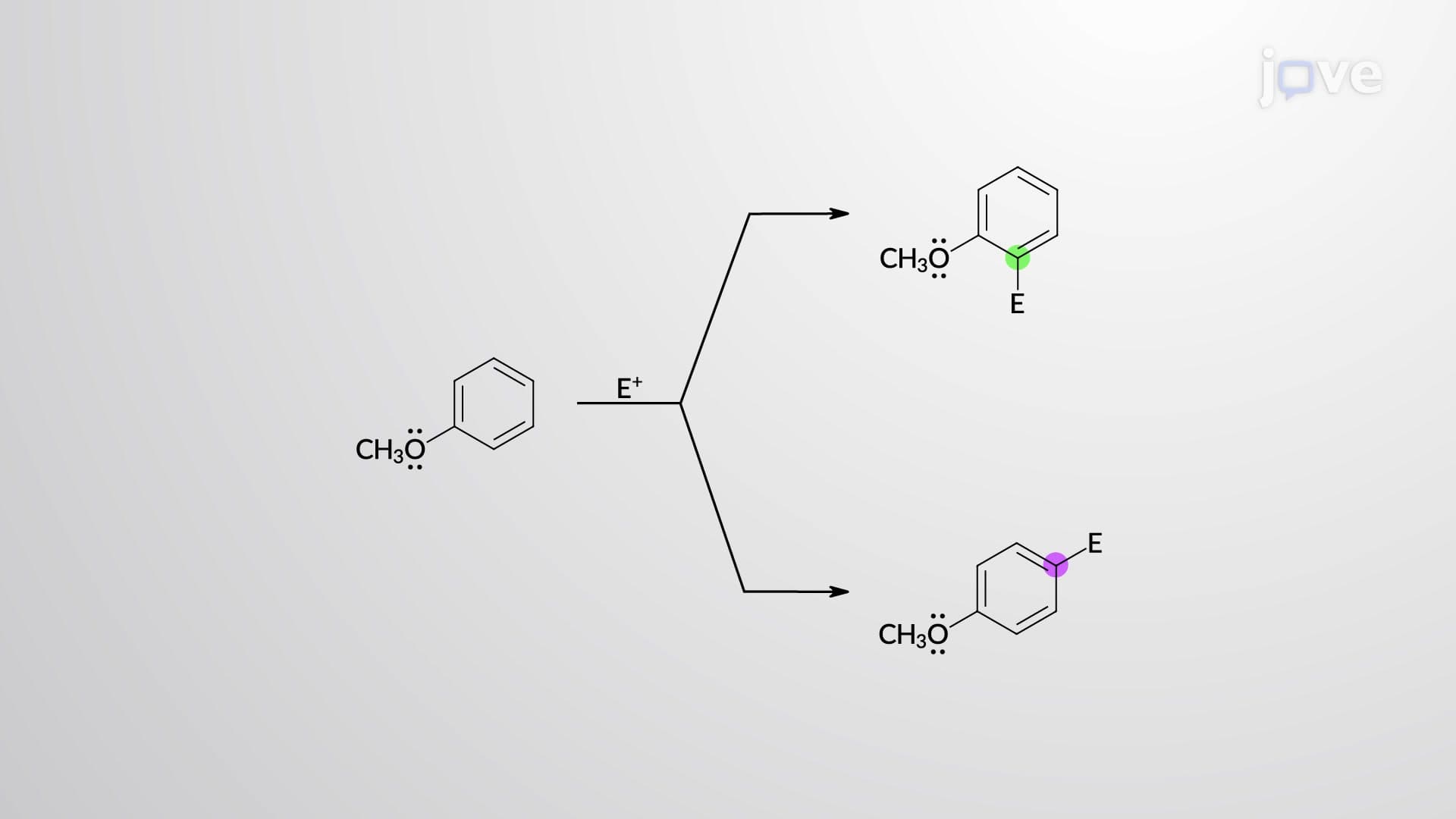
Ever wondered why aspirin manufacturing relies on precise control of chemical reactions on benzene rings? Ortho para directing activators are electron-donating groups that make aromatic rings more reactive and guide incoming groups to specific positions. The methyl group (CH3) exemplifies how these activators work through resonance and inductive effects, making reactions faster than with plain benzene. Pharmaceutical companies like Pfizer use this principle daily in drug synthesis. Watch the full video on JoVE Coach to master this concept with expert-led visuals and step-by-step explanations.
- Understand how ortho para directing activators CH3 explained demonstrates the fundamental principles of electrophilic aromatic substitution
- Identify the difference between activating and deactivating groups based on their electron-donating or electron-withdrawing properties
- Analyze why lone pair-containing activators are stronger than those relying solely on inductive effects
- Compare reaction rates between substituted benzene rings and unsubstituted benzene under identical conditions
- Evaluate the energy differences between ortho, meta, and para carbocation intermediates during substitution reactions
- Apply resonance theory to predict which positions on an aromatic ring will be most reactive
- Recognize real-world applications of directing effects in pharmaceutical and chemical manufacturing
- Explore how electron-donating groups stabilize transition states through pi-donation mechanisms
Understanding Ortho Para Directing Activators CH3 Explained
Electrophilic aromatic substitution represents one of the most fundamental reaction types in organic chemistry, and understanding directing effects is crucial for success in AP Chemistry, college organic chemistry courses, and the MCAT. When electron-donating groups attach to benzene rings, they don't just sit passively-they actively influence where new substituents will attach and how fast reactions proceed.
The Mechanism Behind Activation
Activating groups increase the electron density of the aromatic ring, making it more attractive to electrophiles (electron-seeking reagents). The methyl group (CH3) serves as an excellent example because it demonstrates both inductive and hyperconjugation effects. Through hyperconjugation, the C-H bonds adjacent to the benzene ring can overlap with the pi system, donating electron density and stabilizing positive charge development during the reaction.
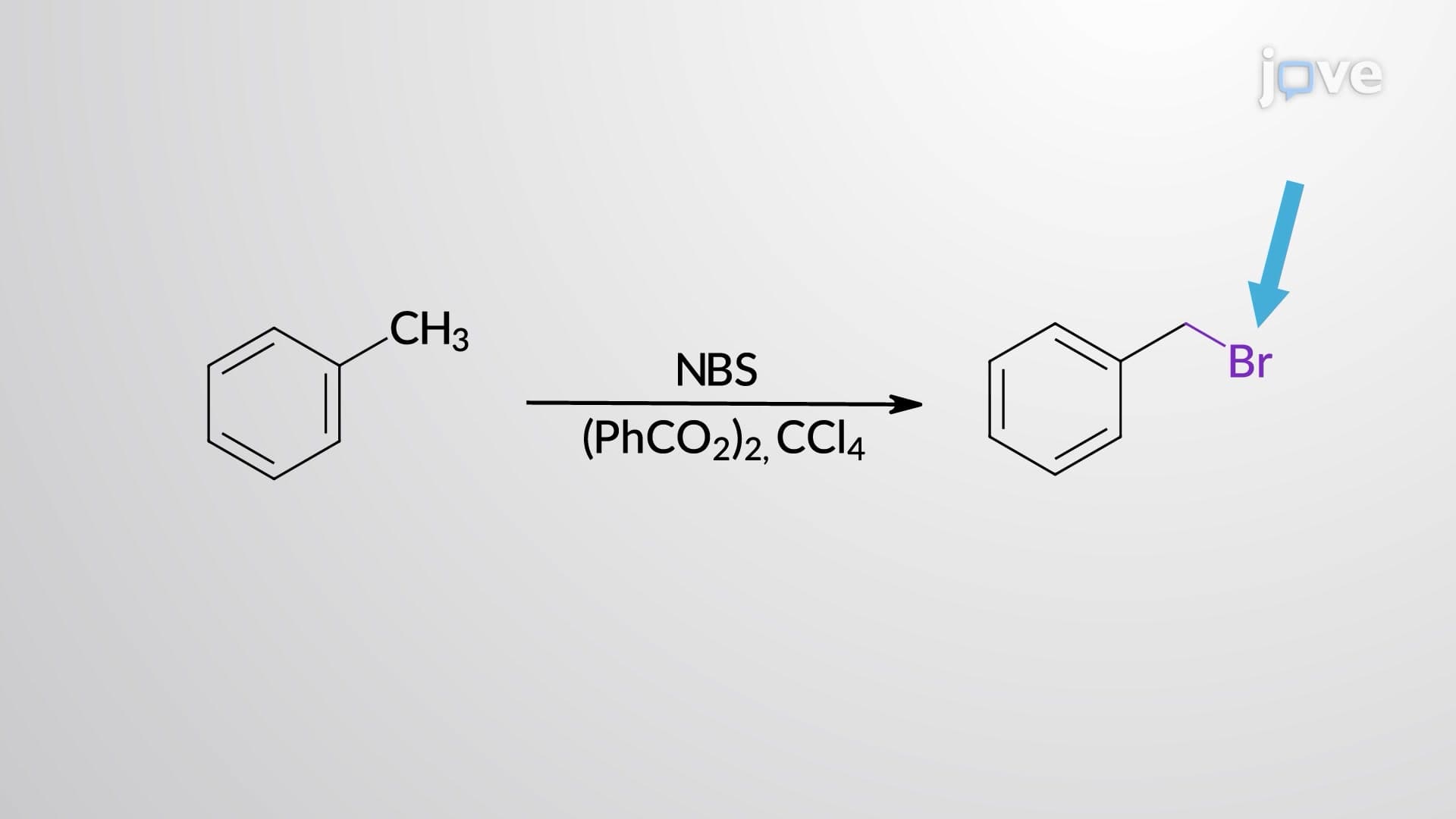
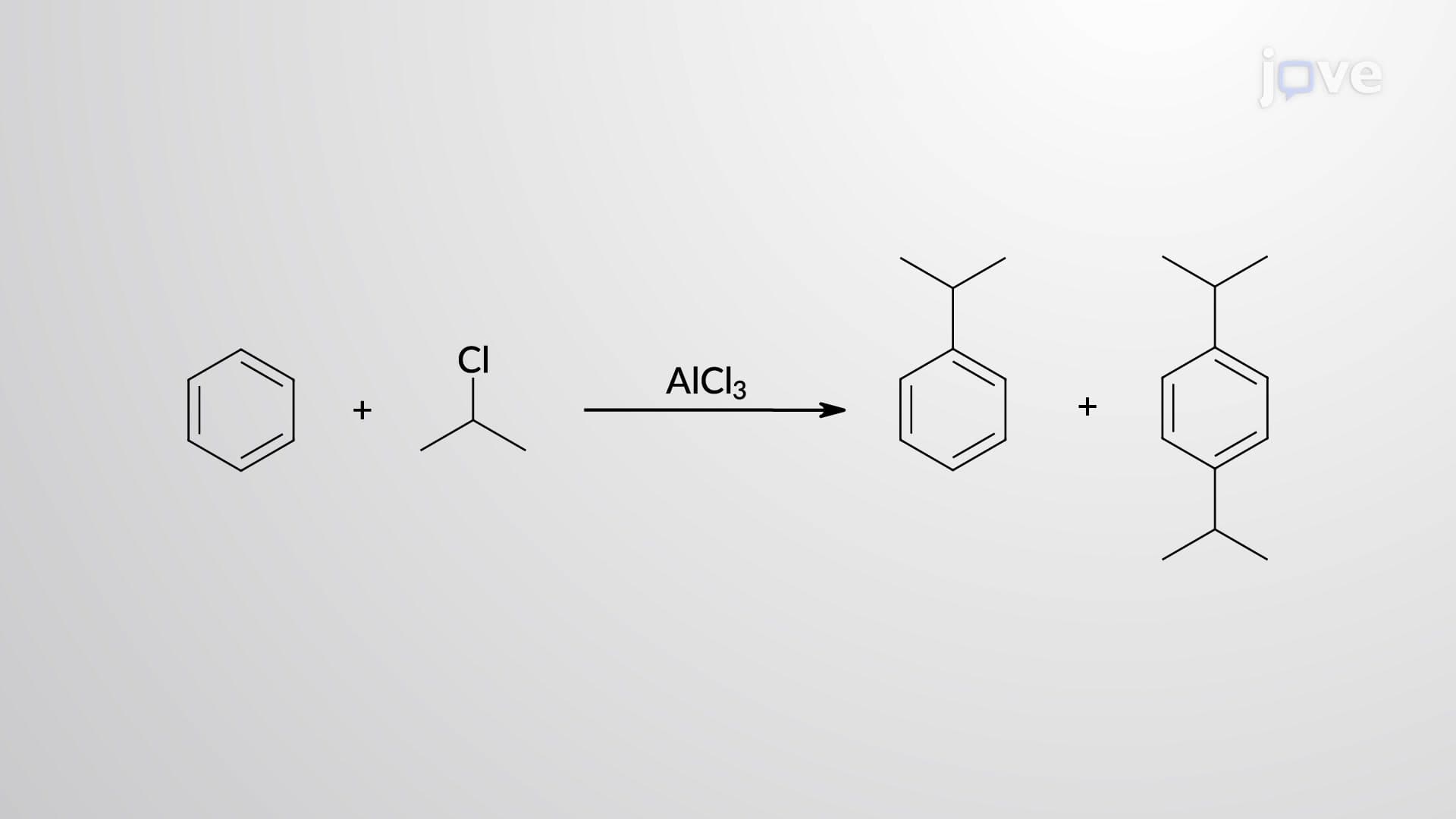
Consider the industrial production of toluene derivatives used in everything from paint thinners to pharmaceutical intermediates. When toluene (methylbenzene) undergoes nitration to produce TNT or other nitrated compounds, the methyl group directs incoming nitro groups to the ortho and para positions while simultaneously making the reaction proceed faster than it would with benzene alone.
Resonance Stabilization and Energy Considerations
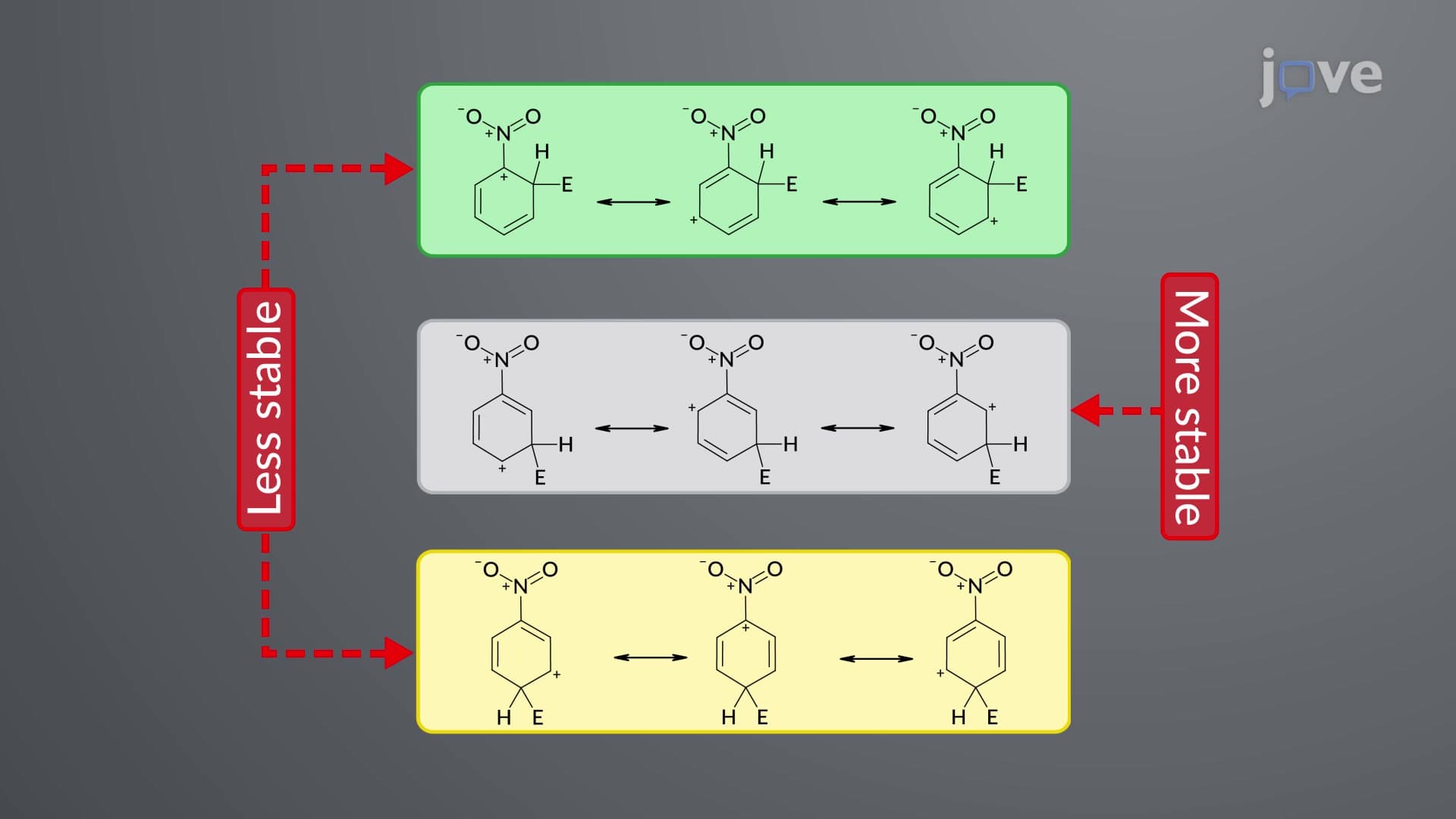
The key to understanding why certain positions are favored lies in carbocation stability. During electrophilic aromatic substitution, the aromatic ring temporarily loses its aromaticity as it forms a carbocation intermediate. Electron-donating groups like CH3 can stabilize this positive charge when it develops at ortho or para positions through resonance structures, but they cannot effectively stabilize the meta position.
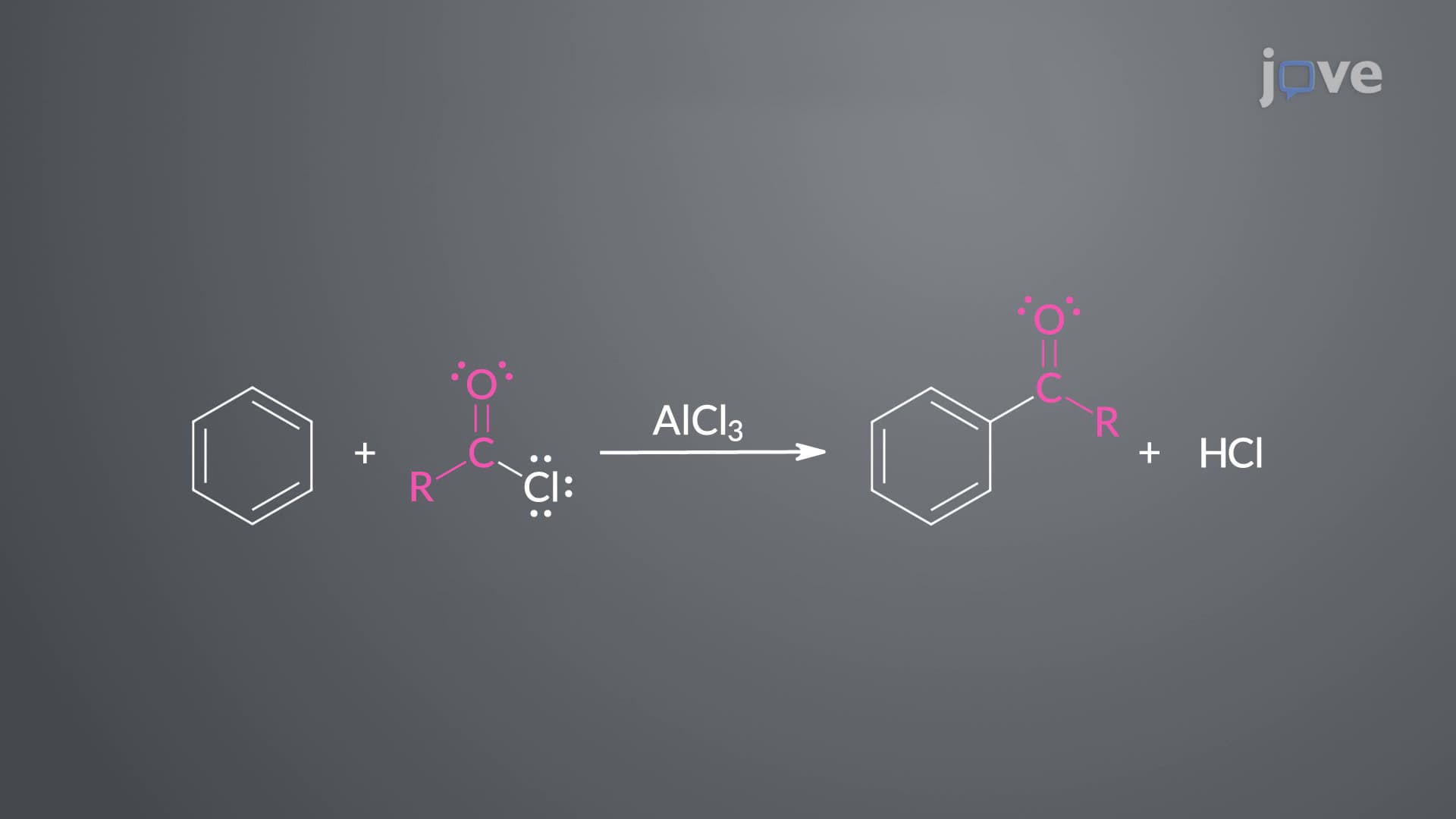
This energy difference translates directly into reaction selectivity. In undergraduate organic chemistry labs across universities like MIT and Stanford, students routinely observe that Friedel-Crafts acylation of toluene produces primarily ortho and para products, with the para isomer often dominating due to reduced steric hindrance.
Practical Applications and Exam Relevance
For students preparing for standardized exams, recognizing activating groups becomes essential. The MCAT frequently tests this concept in passages about drug metabolism, where understanding how substituents affect aromatic reactivity helps predict metabolic pathways. Similarly, AP Chemistry exams often include questions asking students to predict major products of substitution reactions or explain reaction rate differences.
Frequently Asked Questions
Ortho para directing activators are electron-donating groups that make benzene rings more reactive and guide new substituents to the ortho (adjacent) and para (opposite) positions. The methyl group (CH3) is a classic example that increases reaction speed through electron donation while directing substitution to specific ring positions. This concept is fundamental in organic chemistry and pharmaceutical manufacturing.
The MCAT often tests this concept in biochemistry passages about drug metabolism or organic chemistry questions about reaction mechanisms. You'll need to predict major products, explain reaction rates, or identify which groups activate benzene rings. Practice recognizing common activating groups like -OH, -NH2, -OCH3, and alkyl groups like -CH3 for exam success.
AP Chemistry focuses on the fundamental concept that activating groups donate electrons (making rings more reactive) while deactivating groups withdraw electrons (making rings less reactive). You'll need to classify groups as electron-donating or electron-withdrawing and predict their effects on reaction rates. The methyl group is always activating due to its electron-donating inductive effect.
Major pharmaceutical companies like Johnson & Johnson and Merck rely on directing effects to synthesize drugs efficiently. For example, producing aspirin requires precise control of substitution patterns on aromatic rings. The activating effects of certain groups help chemists predict and control where new functional groups will attach, ensuring the final drug has the correct structure and activity.
Not at all! This concept relies primarily on understanding electron flow and resonance structures, not complex calculations. High school students in AP Chemistry successfully master this topic by focusing on electron-donating versus electron-withdrawing effects. The key is recognizing patterns and understanding how electrons move through aromatic systems.
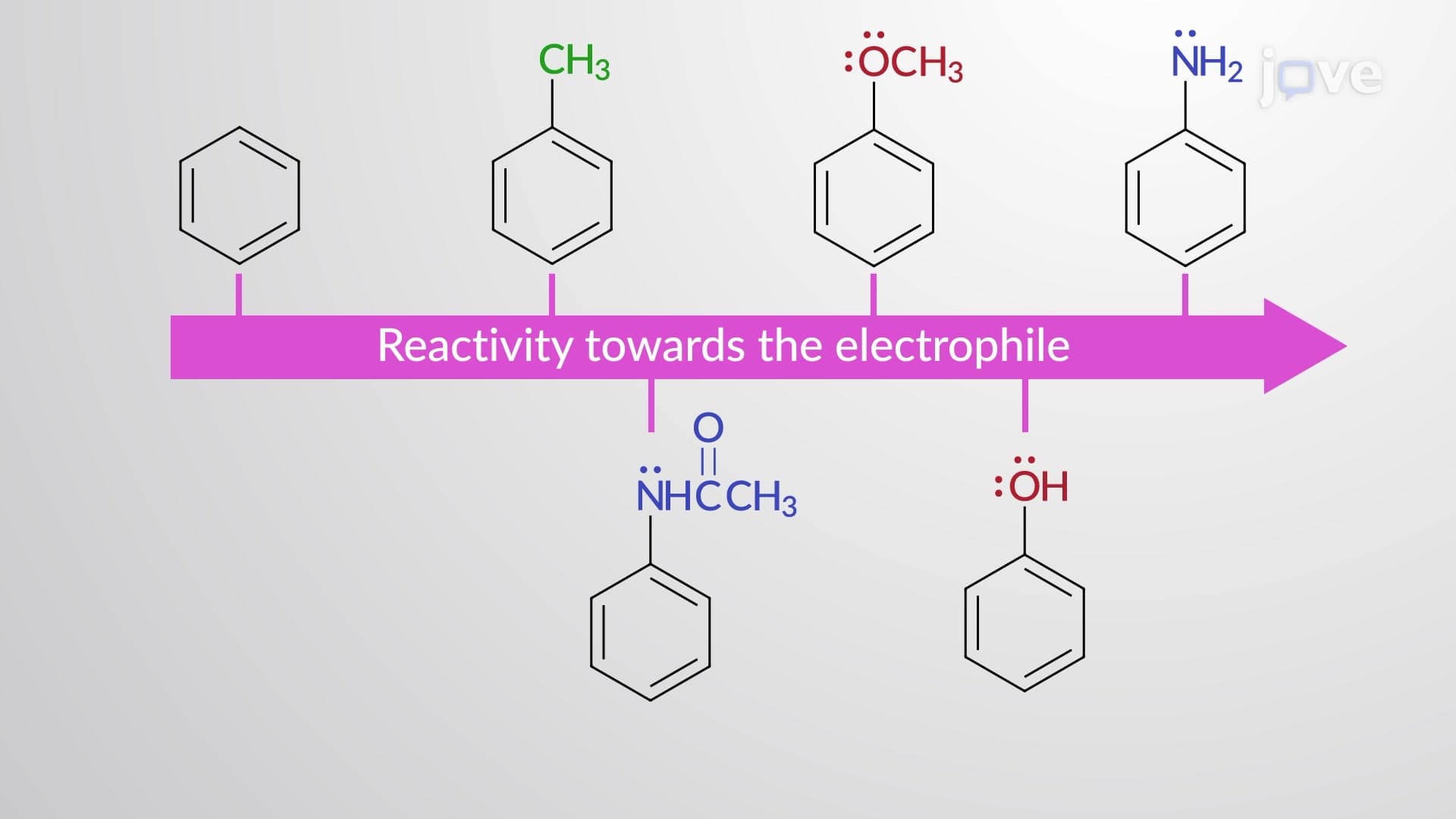
Create categories based on electron-donating mechanisms: lone pair donors (-OH, -NH2, -OCH3) are strongly activating, while alkyl groups (-CH3, -CH2CH3) are moderately activating through inductive effects. Use flashcards with real examples like toluene (methylbenzene) and practice predicting products of substitution reactions. Focus on understanding the underlying electron flow rather than just memorization.
This foundation becomes crucial for multi-step synthesis problems, retrosynthetic analysis, and understanding reaction mechanisms in upper-level courses. Many graduate programs and medical schools expect students to predict complex substitution patterns and design synthetic routes using directing effects. Mastering this concept early provides a strong foundation for advanced topics like total synthesis and medicinal chemistry.
Progress to meta-directing deactivating groups (like -NO2, -COOH) to understand the complete picture of aromatic substitution. Then explore multi-substituted benzene rings where you'll predict the effects of multiple directing groups competing with each other. Advanced topics include nucleophilic aromatic substitution and aromatic heterocycles, both building on these fundamental directing principles.
Related Micro-courses