Loading subject page…


147,906 views

Video Summary: Ortho Para Directing Deactivators Halogens Explained
Why do halogens like chlorine in chlorobenzene both slow down chemical reactions yet direct them to specific positions? This paradox of ortho para directing deactivators reveals fascinating molecular behavior where electron-pulling and electron-sharing effects compete. Consider how pharmaceutical companies must understand these patterns when synthesizing drugs like acetaminophen, where precise halogen placement determines therapeutic effectiveness. Halogens simultaneously weaken aromatic rings through inductive effects while guiding electrophiles to ortho and para positions through resonance stabilization. Watch the full video on JoVE Coach to master this concept with expert-led visuals and step-by-step explanations.
The behavior of halogens in aromatic substitution represents one of organic chemistry's most intriguing paradoxes. Unlike typical substituents that either activate and direct to ortho/para positions or deactivate and direct to meta positions, halogens break this pattern by simultaneously deactivating the ring while directing incoming electrophiles to ortho and para positions.
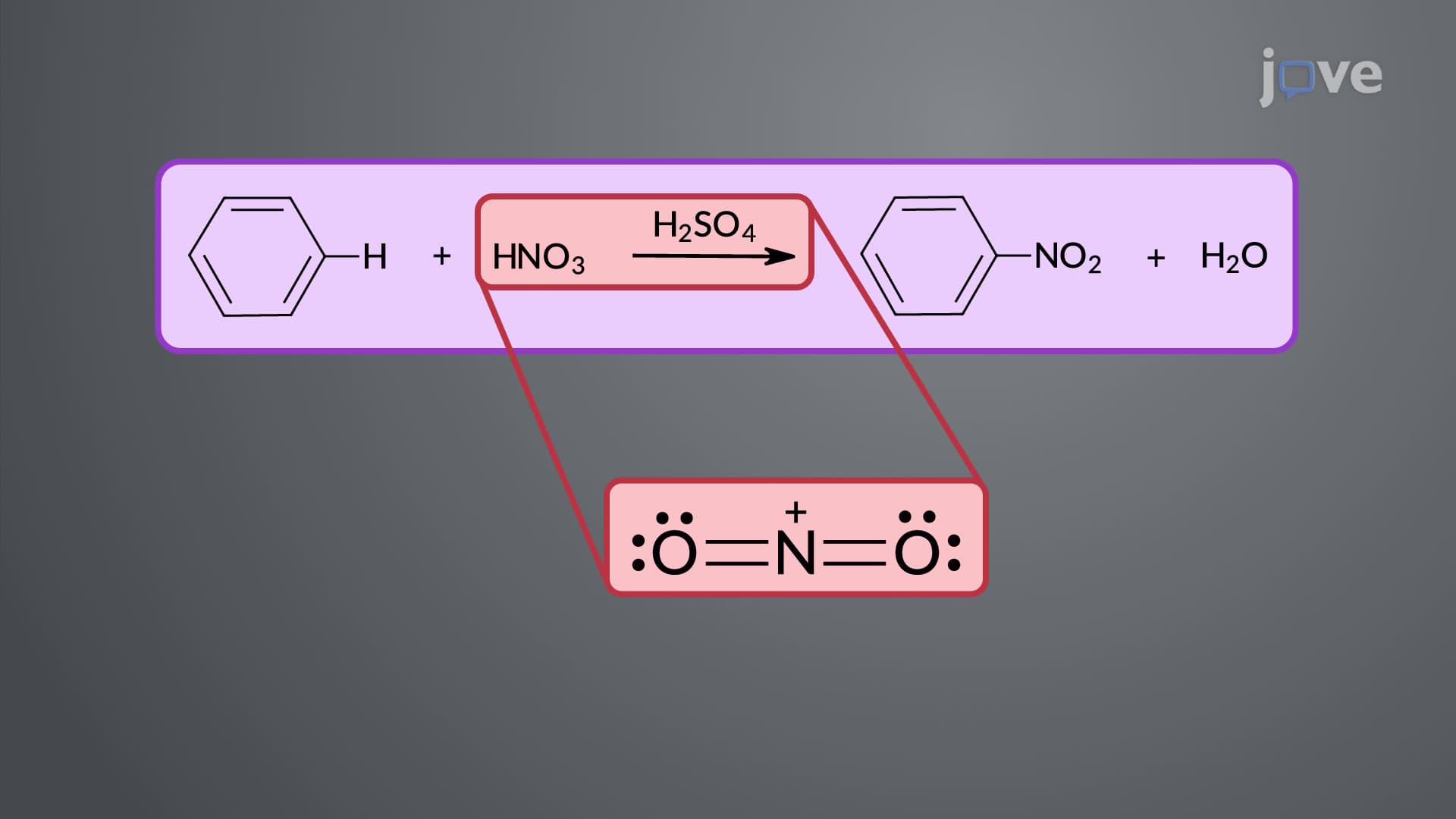
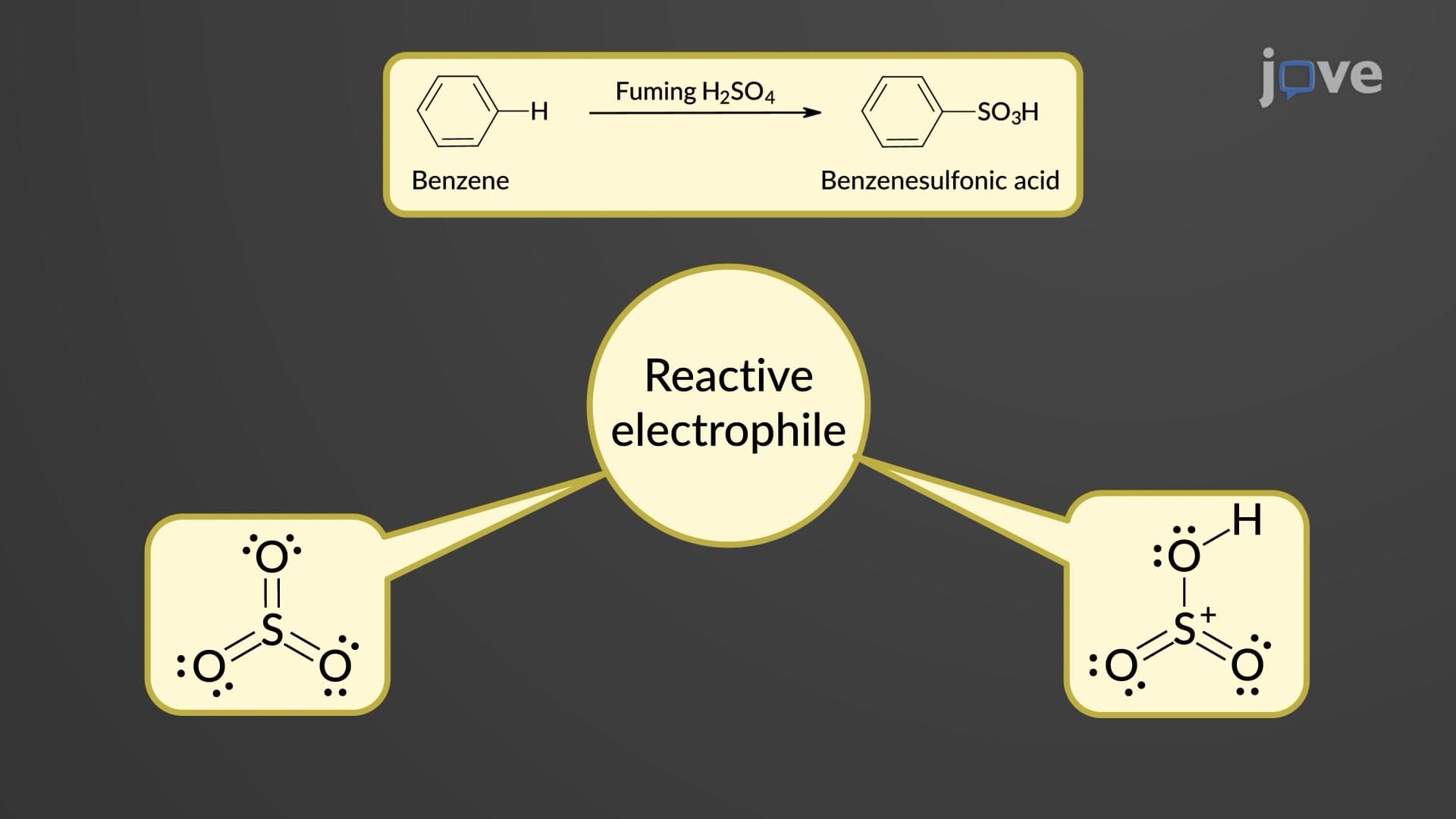
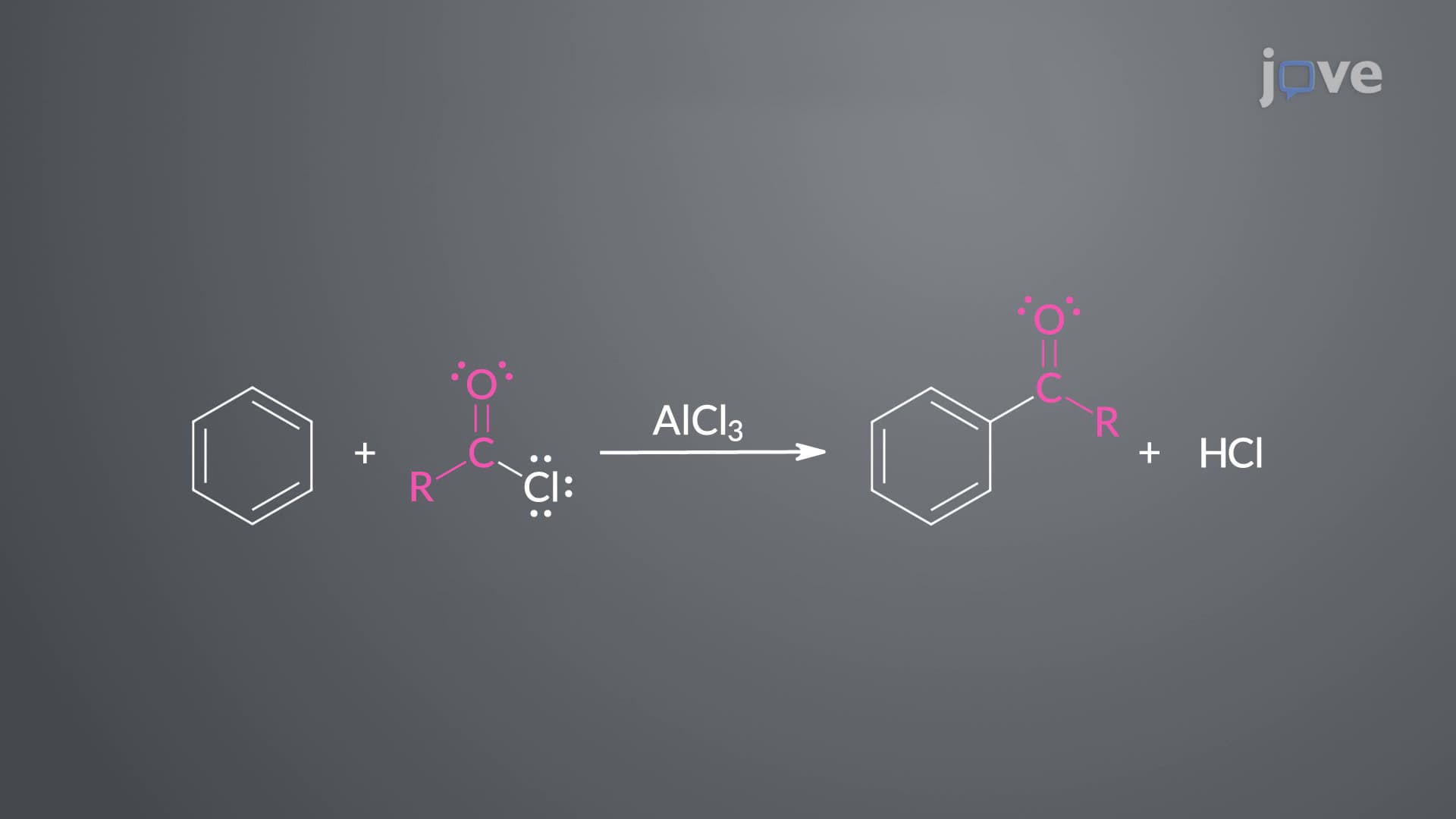
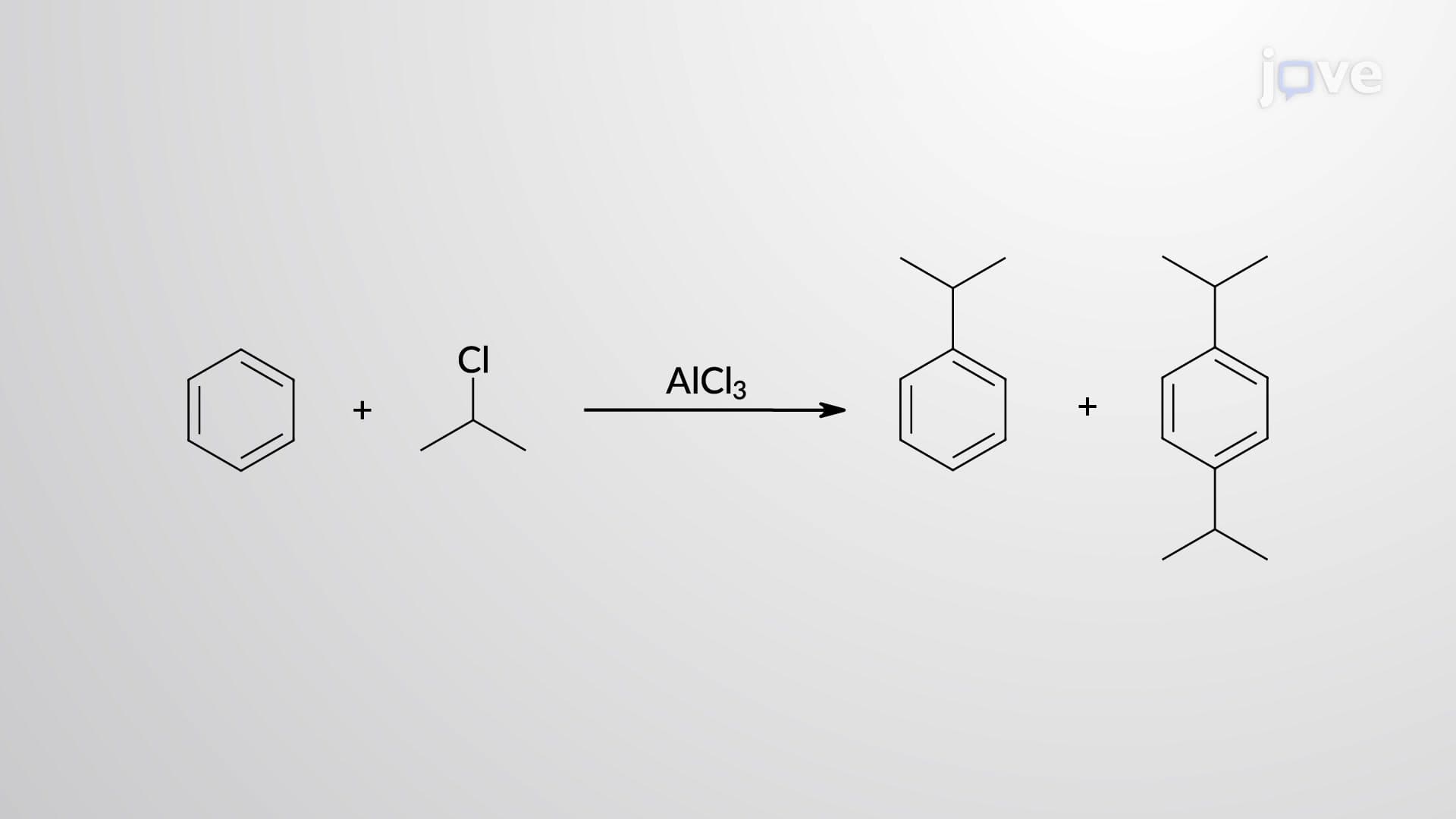
Halogens possess higher electronegativity values than carbon (fluorine 4.0, chlorine 3.0, bromine 2.8, iodine 2.5 versus carbon's 2.5). This electronegativity difference creates a permanent dipole in the carbon-halogen bond, with the halogen pulling electron density away from the aromatic ring. This inductive withdrawal reduces the ring's nucleophilic character, making it less reactive toward electrophiles in reactions like nitration, sulfonation, and Friedel-Crafts processes.
Students preparing for AP Chemistry or college organic chemistry exams should remember that this deactivation makes halogenated aromatics react 10-100 times slower than benzene itself. For example, chlorobenzene requires harsher conditions (higher temperature, stronger catalysts) for successful nitration compared to benzene.
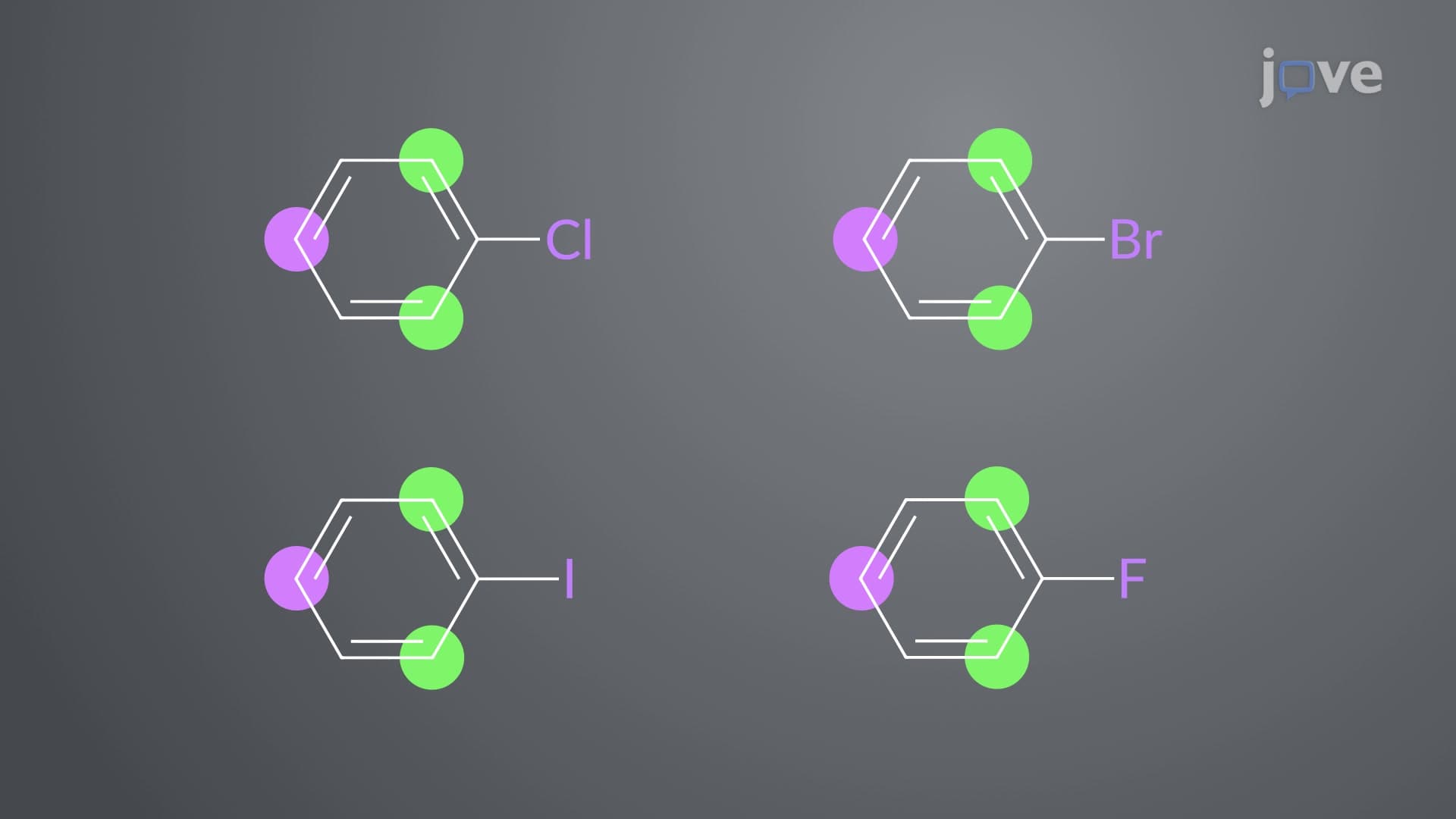
Despite their deactivating nature, halogens direct electrophiles to ortho and para positions through resonance stabilization. When an electrophile attacks these positions, the resulting carbocation intermediate can be stabilized by donation of a halogen lone pair, forming a halonium ion resonance structure. This creates a three-membered ring with positive charge delocalized between carbon and halogen.
The key insight for MCAT preparation is recognizing that meta attack cannot form this stabilizing halonium ion because the positive charge would be too far from the halogen. Consequently, ortho and para attack pathways have lower activation energies and proceed faster, despite the overall deactivated nature of the ring.
Pharmaceutical synthesis extensively utilizes these directing effects. The production of over-the-counter analgesics like acetaminophen involves controlled halogenation and subsequent substitution reactions where understanding these patterns ensures proper regiochemistry. Similarly, agrochemical companies rely on these principles when designing herbicides and pesticides with specific halogen substitution patterns for optimal biological activity.
Related Micro-courses