Loading subject page…


147,907 views

Video Summary: Reactions at the Benzylic Position Explained
Ever wonder why pharmaceutical companies can selectively modify drug molecules without destroying the entire structure? Reactions at the benzylic position make this precision chemistry possible, allowing chemists to oxidize or reduce specific carbon atoms attached to benzene rings while leaving the aromatic core intact. For example, when manufacturing aspirin at US pharmaceutical plants, chemists exploit benzylic reactivity to create targeted modifications. Watch the full video on JoVE Coach to master this concept with expert-led visuals and step-by-step explanations.
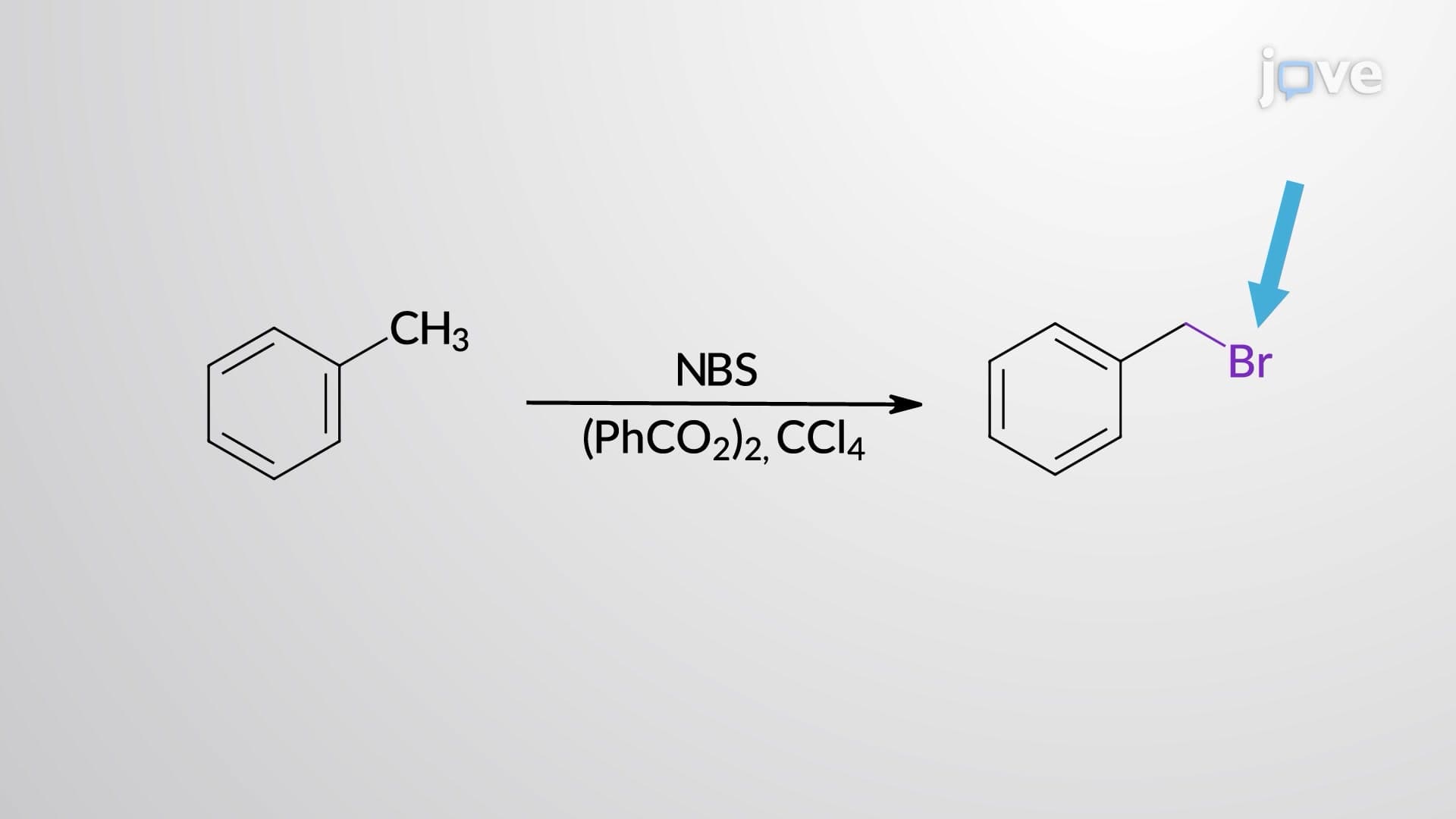
The benzylic position represents one of organic chemistry's most strategically important reactive sites. Any carbon atom directly bonded to a benzene ring earns the designation "benzylic carbon," while hydrogens attached to these carbons become "benzylic protons." This positioning creates unique reactivity patterns that chemists exploit across industries, from pharmaceutical synthesis at Pfizer's research facilities to flavor compound production at major US food manufacturers.
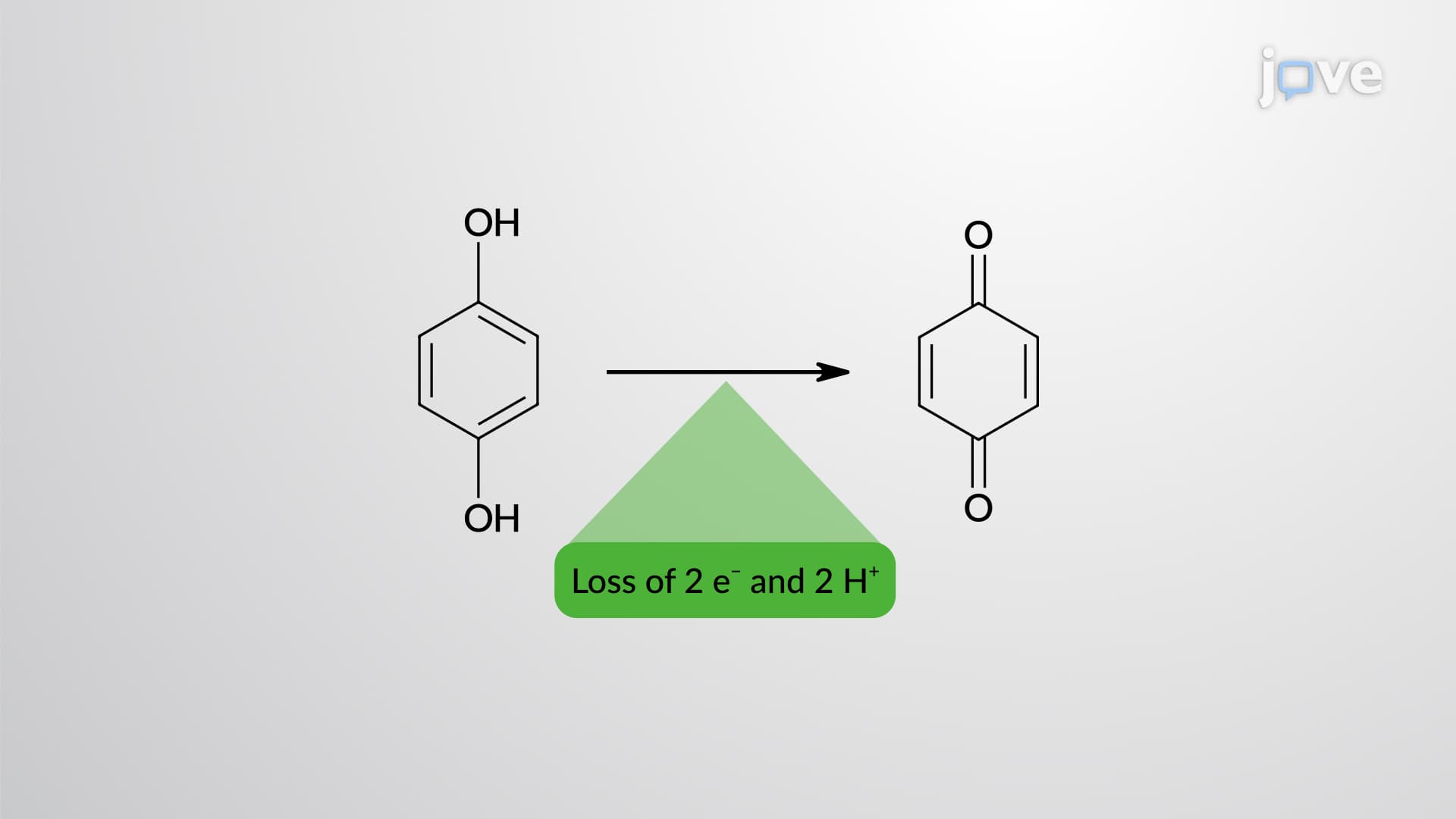
Benzylic oxidation reactions demonstrate remarkable selectivity, converting alkyl side chains to carboxylic acid groups regardless of chain length. When multiple alkyl substituents exist on a benzene ring, each undergoes independent oxidation to form polycarboxylic acids. This process requires the presence of at least one benzylic hydrogen-a crucial mechanistic requirement. US pharmaceutical companies utilize this selectivity when synthesizing complex drug intermediates, knowing that halogen and nitro substituents remain unaffected during harsh oxidation conditions.
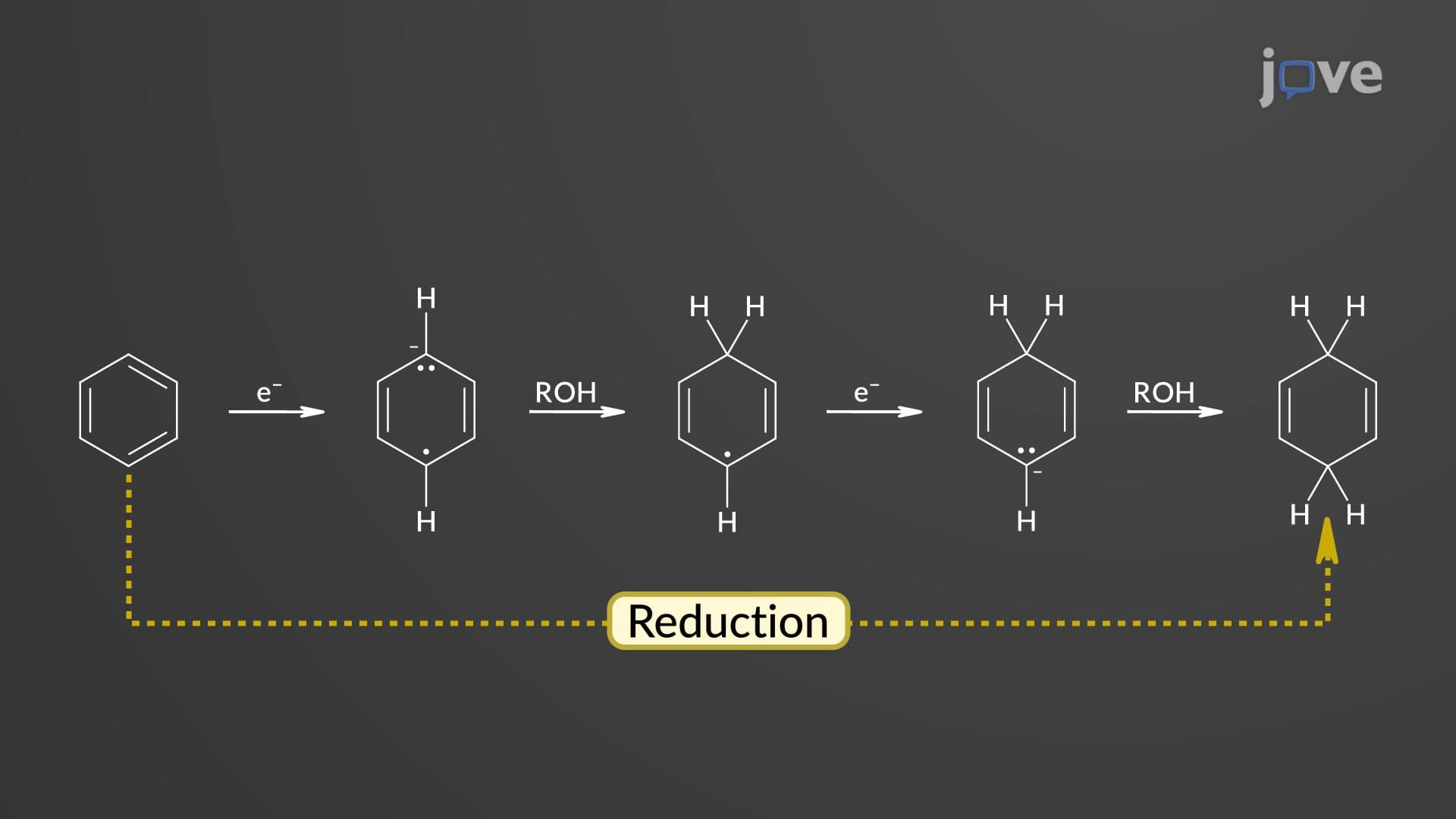
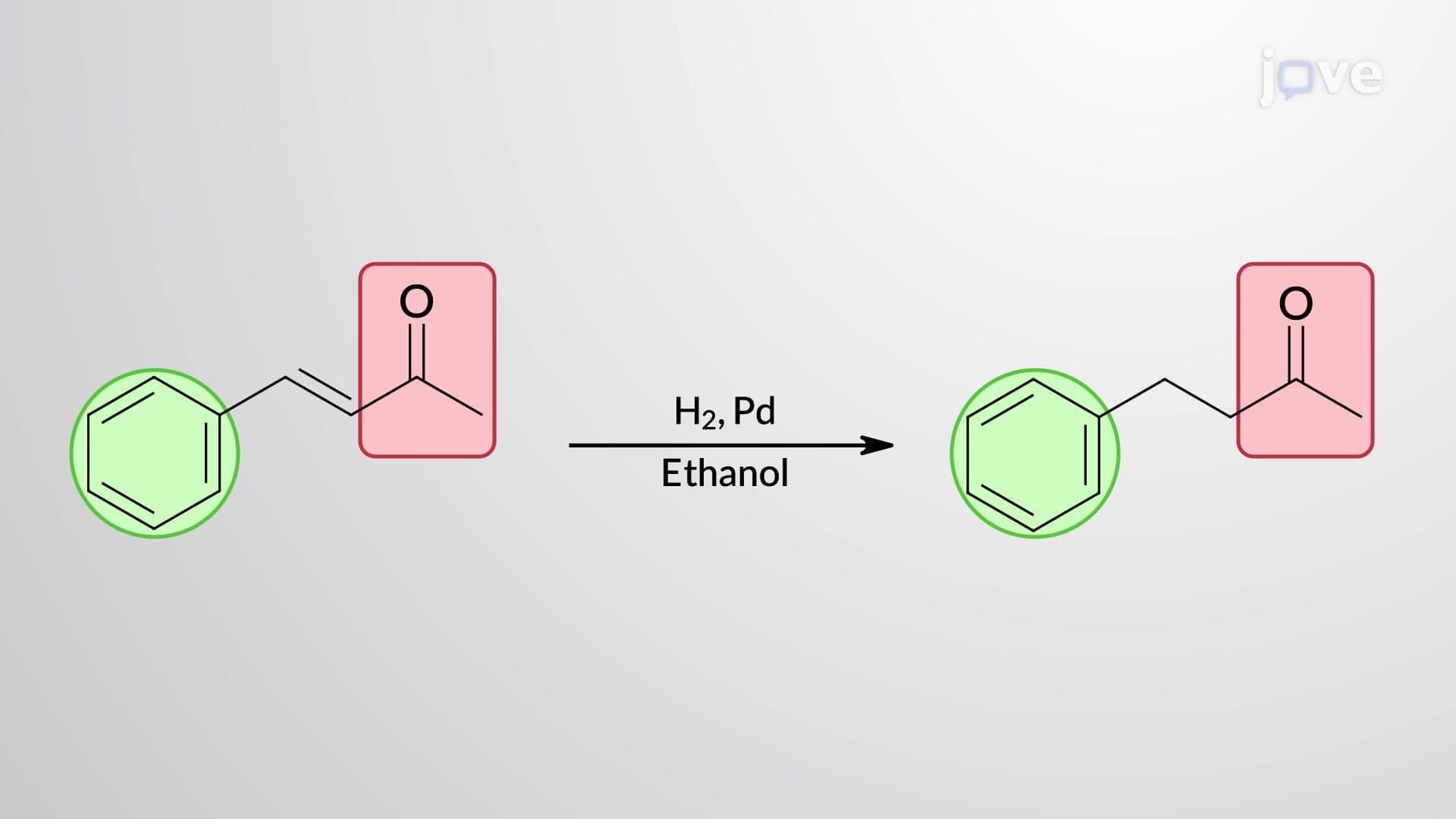
Benzylic positions show enhanced susceptibility to reduction reactions, particularly with alkenes and alkynes located at these sites. While benzene rings resist reduction under normal conditions, benzylic alkenes readily undergo hydrogenation using standard catalytic conditions. This selectivity proves invaluable in synthetic organic chemistry courses taught at universities like MIT and Stanford, where students learn to manipulate molecular frameworks with precision.
Students preparing for the MCAT encounter benzylic chemistry in organic chemistry sections, while AP Chemistry students explore these concepts when studying aromatic compounds. The principles appear frequently on college organic chemistry midterms, particularly in synthesis prediction problems. Understanding benzylic reactivity patterns helps students tackle complex multi-step synthesis challenges and prepares them for advanced coursework in medicinal chemistry and materials science programs at top US universities.
Related Micro-courses