Loading subject page…


147,907 views

Video Summary: Reactions at the Benzylic Position Halogenation Explained
Ever wondered why pharmaceutical companies can precisely modify drug molecules at specific carbon positions? Reactions benzylic position halogenation enables chemists to selectively introduce halogen atoms at the carbon adjacent to benzene rings, creating a gateway for further chemical modifications. For instance, Bristol Myers Squibb uses benzylic halogenation in synthesizing cancer therapeutics, where precise molecular control determines drug efficacy. Reactions At The Benzylic Position Halogenation Explained demonstrates how radical mechanisms and resonance stabilization make this selectivity possible. Watch the full video on JoVE Coach to master this concept with expert-led visuals and step-by-step explanations.
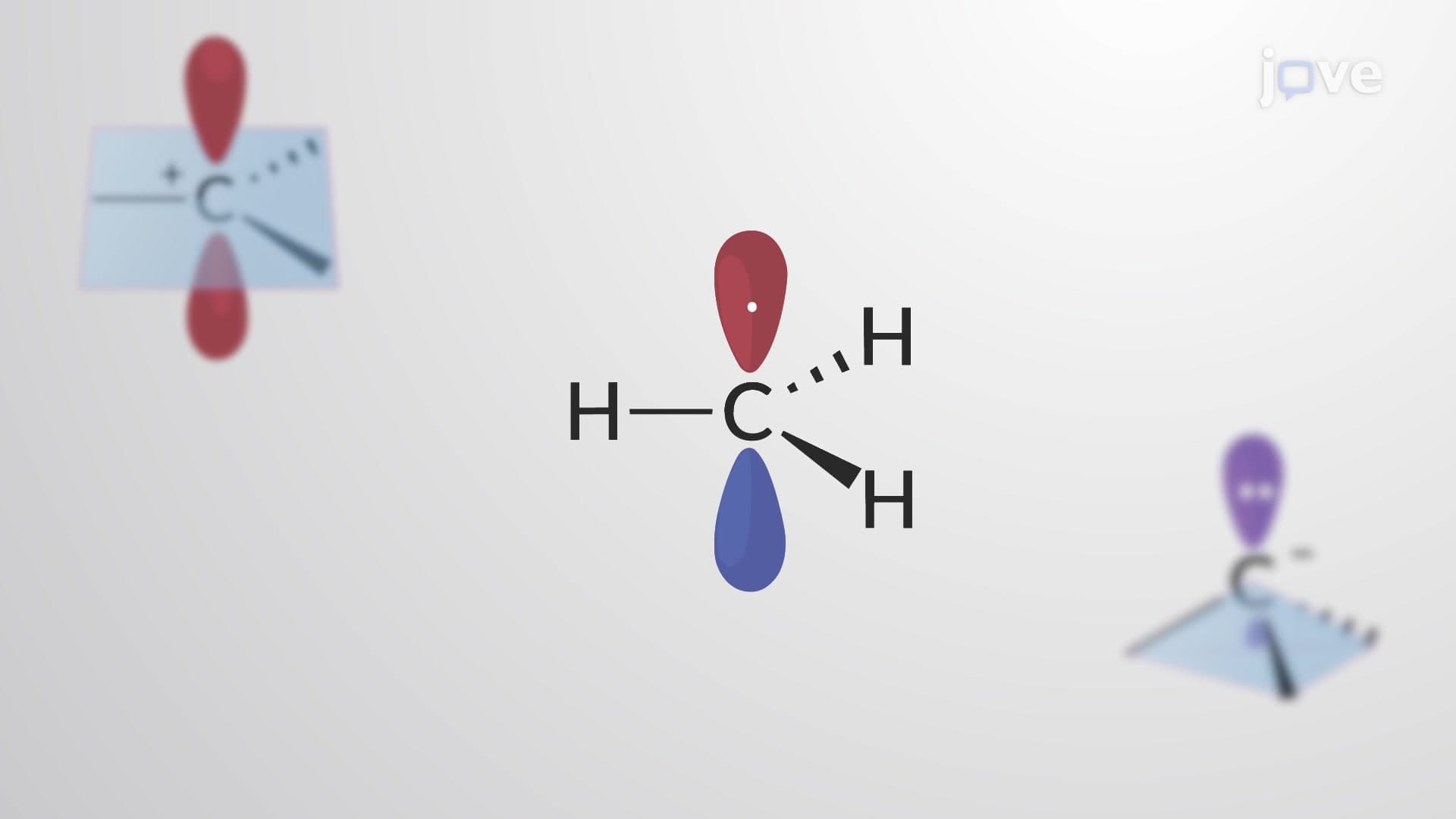
Benzylic halogenation represents one of organic chemistry's most regioselective radical reactions, occurring exclusively at carbons directly attached to aromatic rings. This selectivity stems from the extraordinary stability of benzylic radicals, which benefit from resonance delocalization across the aromatic π-system. Unlike typical alkyl radicals that exist as isolated species, benzylic radicals distribute their unpaired electron across multiple carbon atoms, dramatically lowering their energy.
The reaction proceeds through a classic radical chain mechanism involving initiation, propagation, and termination steps. Heat or UV light homolytically cleaves the halogen-halogen bond, generating reactive halogen radicals. These radicals abstract hydrogen atoms specifically from benzylic positions because the resulting benzylic radical intermediate enjoys ~13 kcal/mol greater stability than primary alkyl radicals. This energy difference translates to reaction rates that are 10,000-fold faster at benzylic positions.
Pharmaceutical companies exploit this selectivity in drug synthesis. For example, Pfizer's manufacturing of certain cardiovascular medications relies on benzylic bromination to introduce reactive sites for subsequent coupling reactions. The predictable regioselectivity eliminates costly purification steps and reduces unwanted side products.
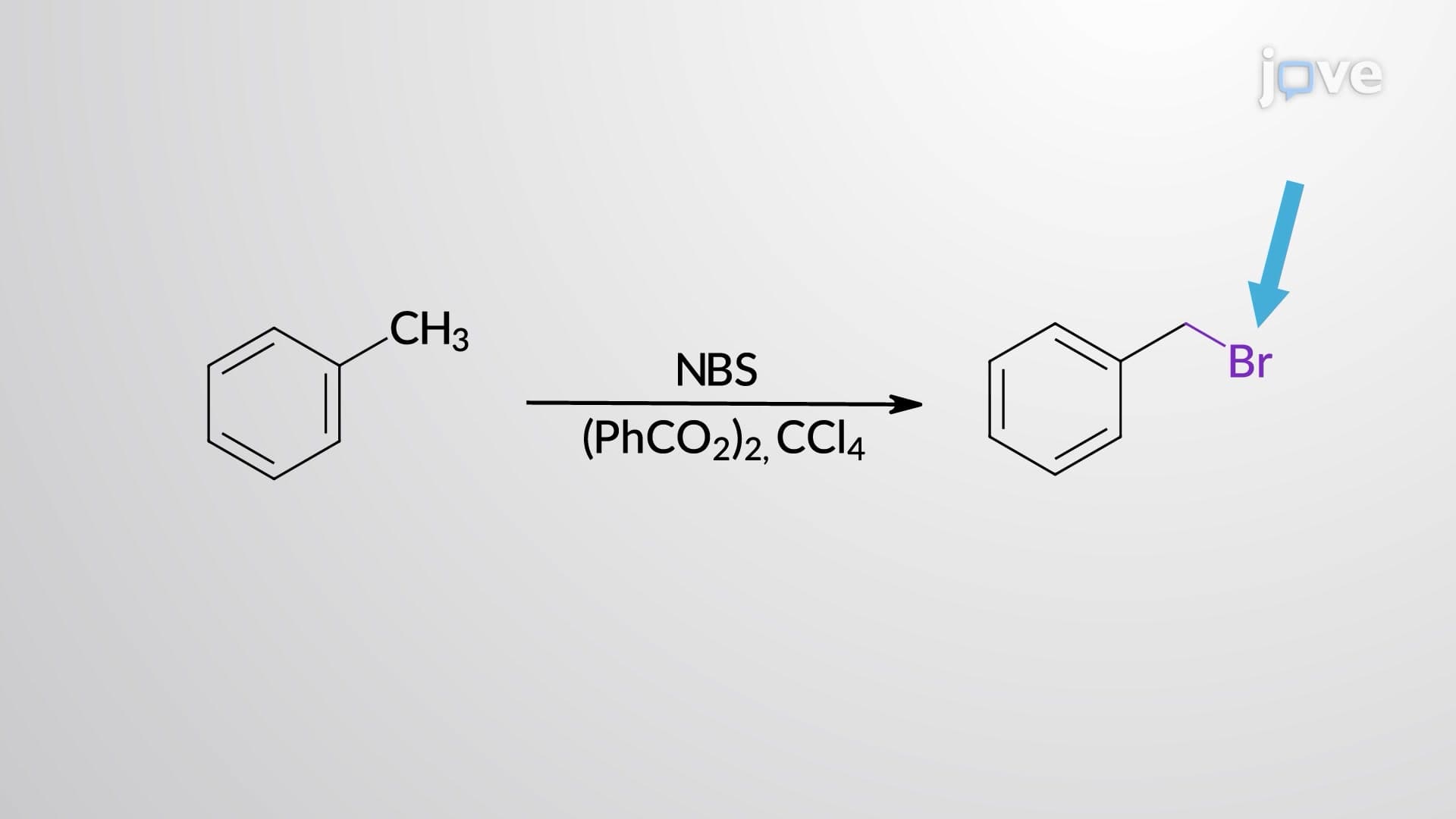
Benzylic chlorination typically employs molecular chlorine (Cl₂) under thermal or photochemical conditions. The reaction shows moderate selectivity and can produce polyhalogenated products when excess chlorine is present. In contrast, benzylic bromination uses N-bromosuccinimide (NBS) with radical initiators like benzoyl peroxide or AIBN. NBS provides superior control because it maintains low bromine concentrations, preventing over-bromination.
Students preparing for the MCAT or AP Chemistry exams should recognize that NBS serves as a convenient bromine source that releases Br₂ slowly through equilibrium processes. This controlled release ensures high mono-selectivity, making NBS the preferred reagent for synthetic applications.
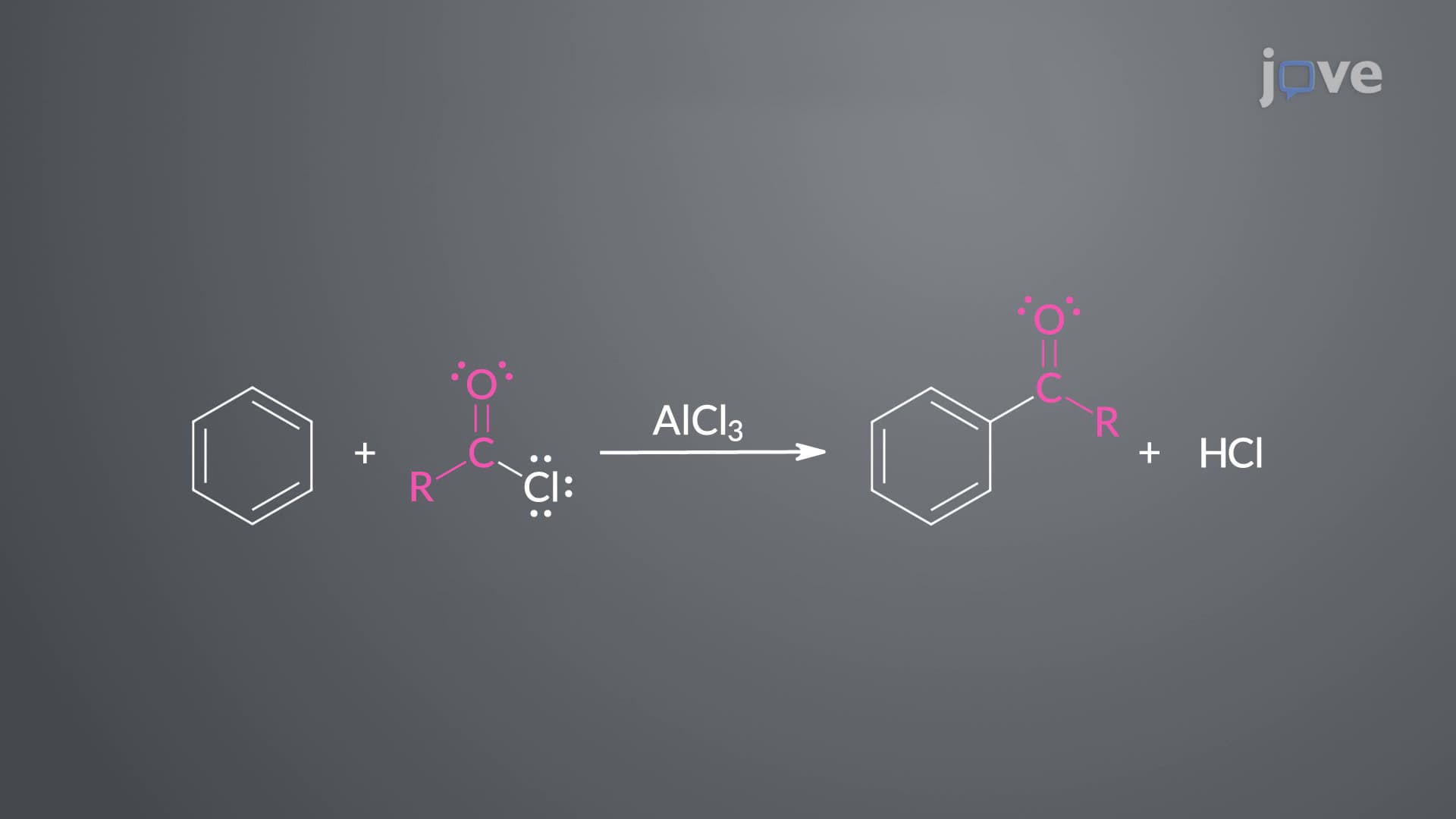
Understanding benzylic halogenation proves essential for success in organic chemistry courses at institutions like UCLA, MIT, or University of Texas. The concept frequently appears on college midterms and standardized exams because it demonstrates fundamental principles of radical stability, regioselectivity, and synthetic strategy. Advanced applications include Friedel-Crafts acylation precursors and cross-coupling reaction substrates that form carbon-carbon bonds in complex molecule synthesis.
Related Micro-courses