Loading subject page…


147,907 views

Video Summary: What Is Directing and Steric Effects
Ever wonder why pharmaceutical companies can't just randomly attach molecules to create new drugs? Directing steric effects determine exactly where chemical reactions occur on benzene rings, making them crucial for synthesizing everything from aspirin to advanced cancer treatments. When chemists at Pfizer design new medications, they must predict whether substituents will guide incoming groups to specific positions or if bulky molecular fragments will block certain reaction sites. Understanding What is Directing And Steric Effects becomes essential for controlling these precise chemical transformations. Watch the full video on JoVE Coach to master this concept with expert-led visuals and step-by-step explanations.
Directing and steric effects represent two fundamental forces that determine where electrophilic substitution reactions occur on benzene rings containing multiple substituents. These effects become particularly important when organic chemists need to predict and control reaction outcomes in complex molecular synthesis.
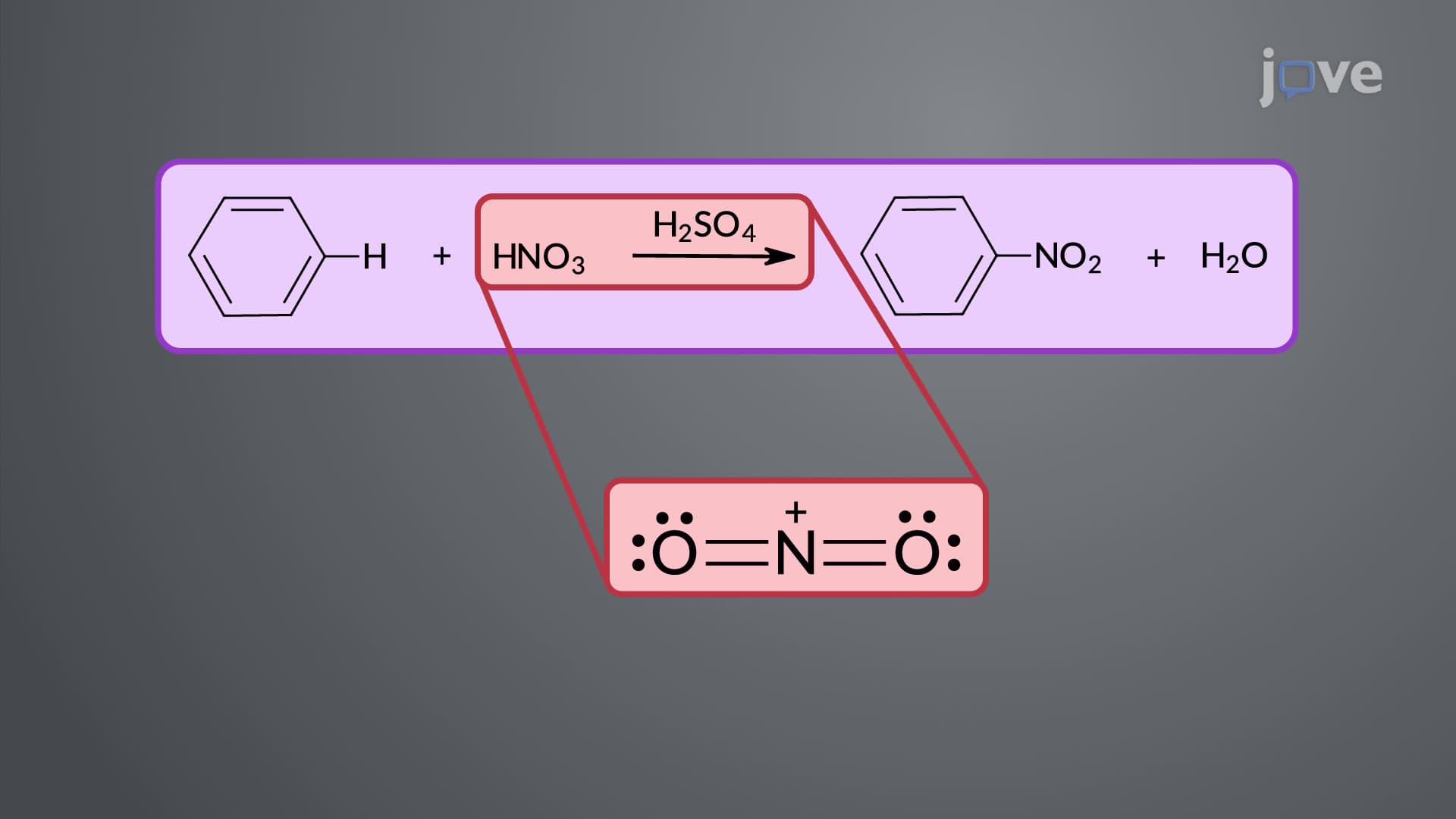
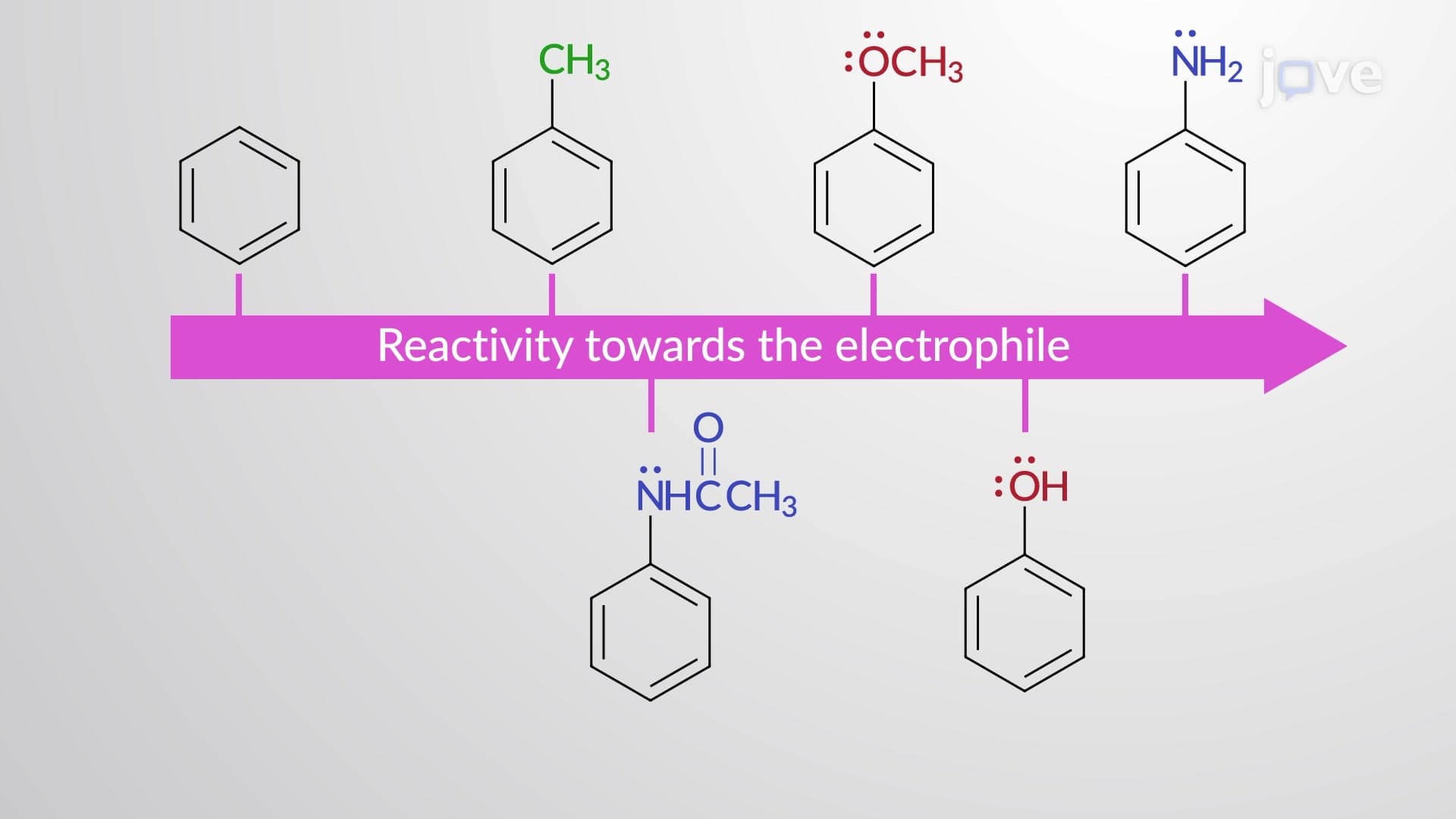
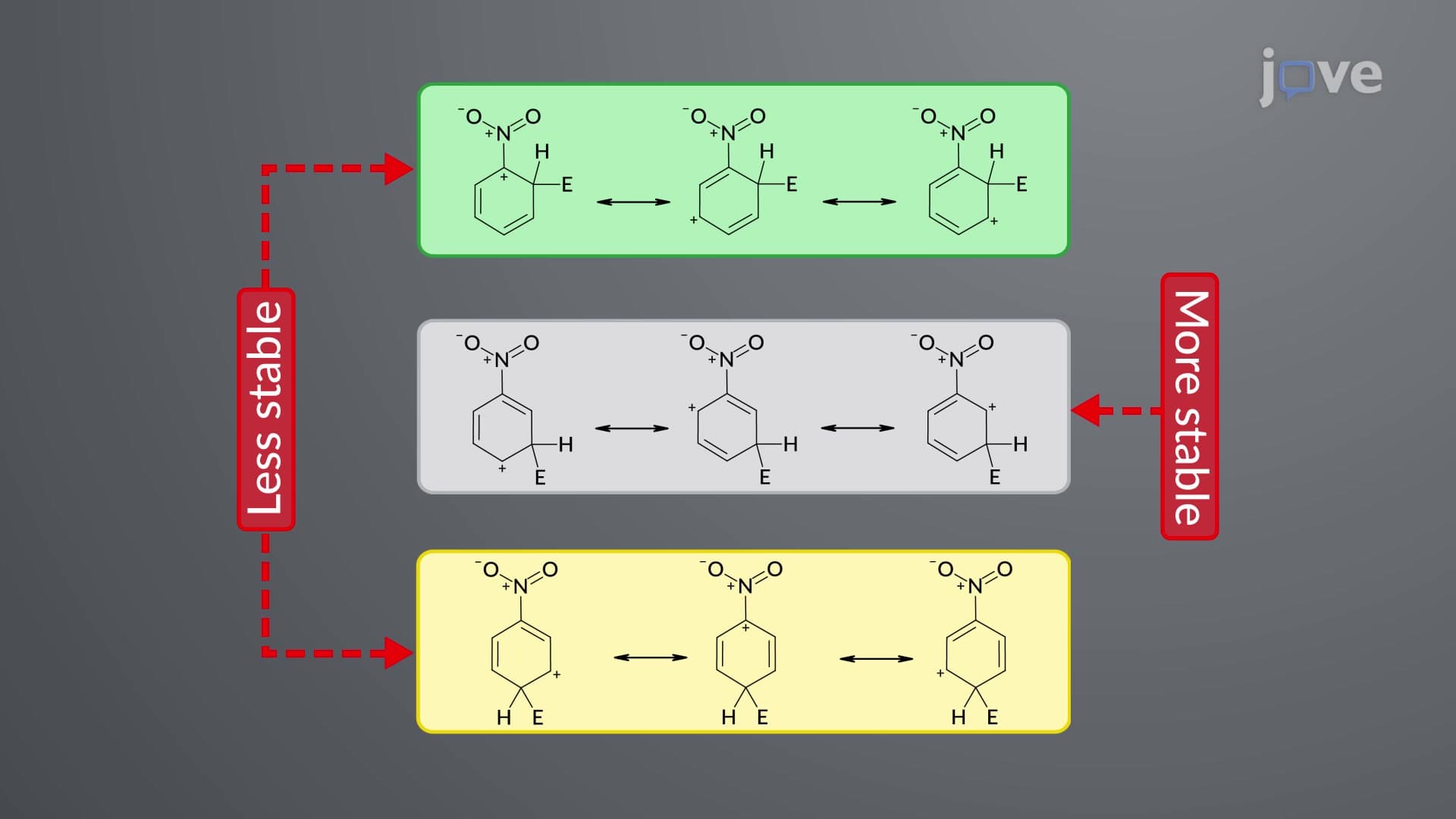
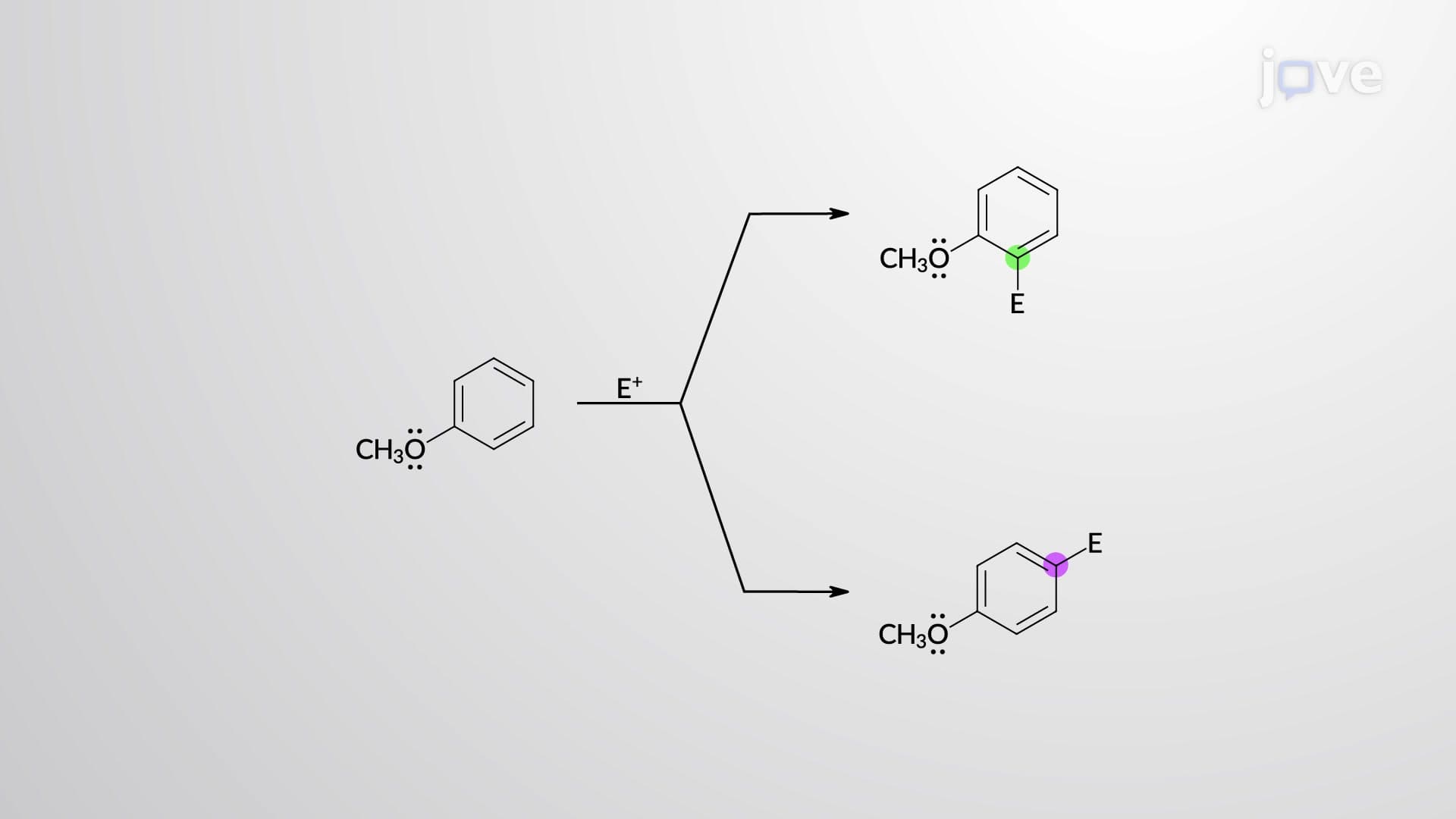
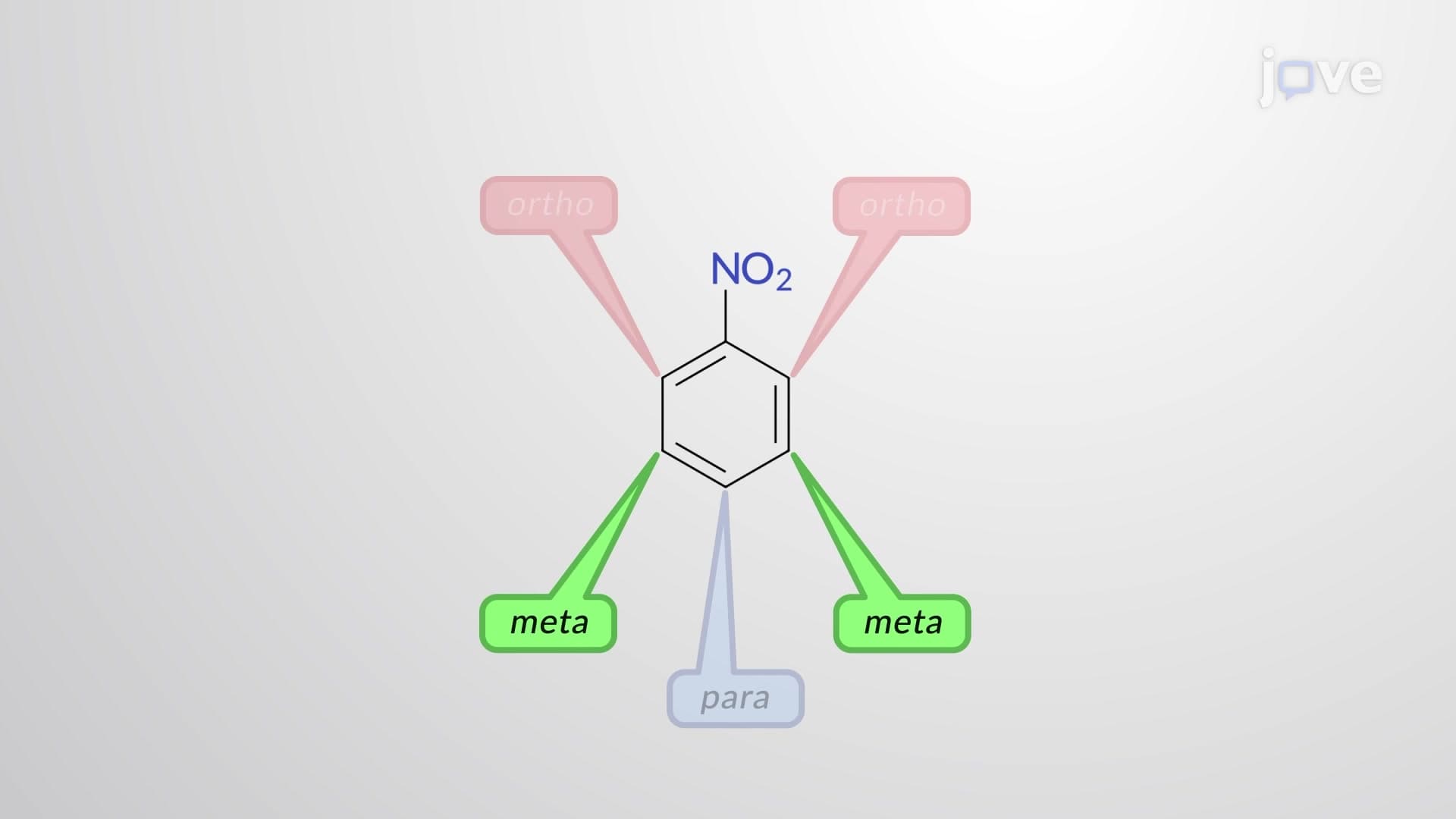
Directing effects arise from the electronic properties of substituents already attached to the benzene ring. Electron-donating groups like methyl (-CH₃) and hydroxyl (-OH) activate the ring toward electrophilic attack while directing incoming groups to ortho and para positions. Conversely, electron-withdrawing groups like nitro (-NO₂) deactivate the ring but direct substitution to meta positions.
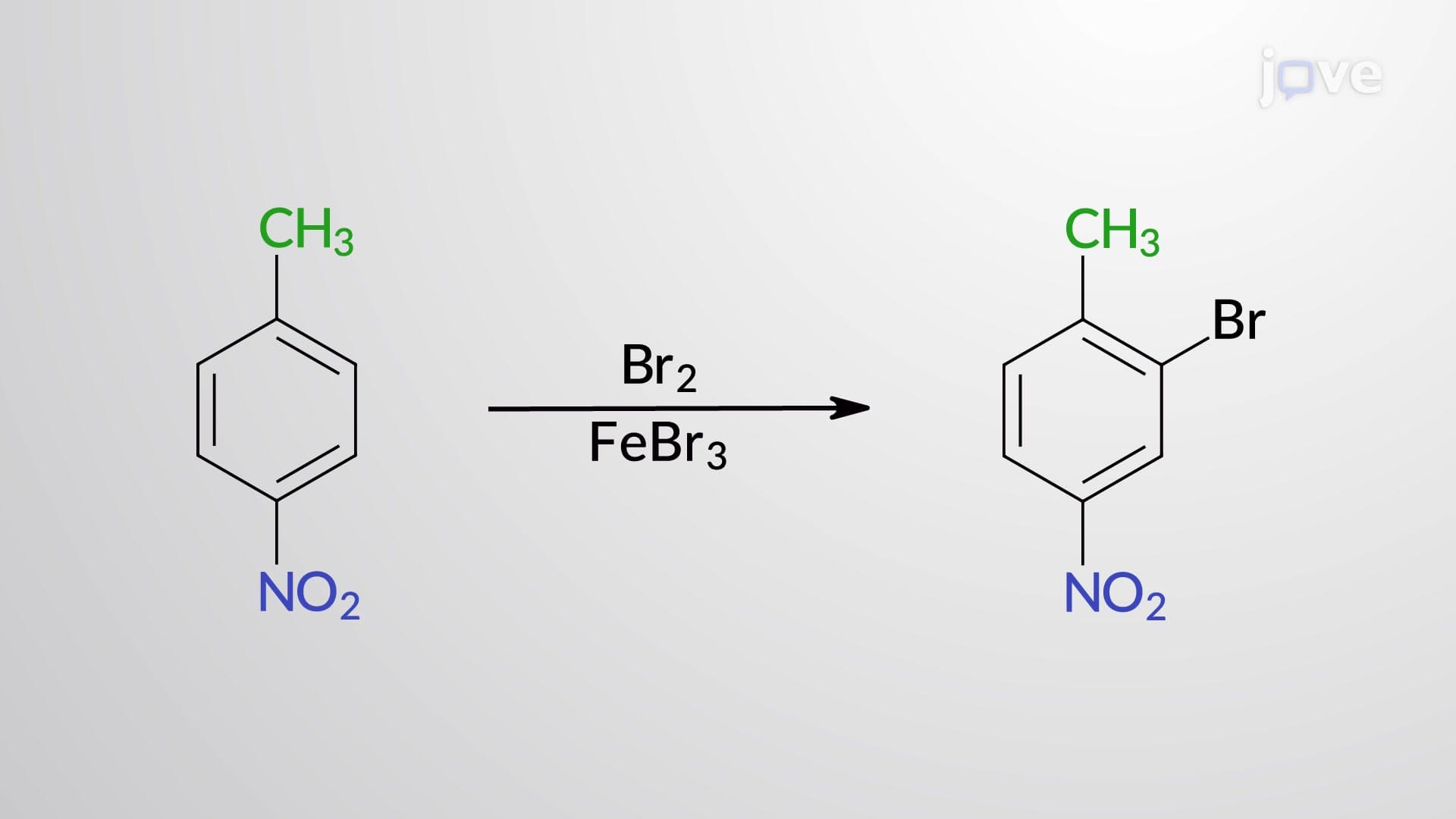
When multiple substituents are present, their directing effects can either reinforce or compete. In reinforcing cases, like p-nitrotoluene bromination, both the methyl group (ortho/para director) and nitro group (meta director) point toward the same carbon atom, producing a single, predictable product. This principle helps pharmaceutical companies synthesize specific drug intermediates with high selectivity.
However, when directing effects compete, the stronger activating group typically dominates. For instance, in p-methylphenol nitration, the hydroxyl group's powerful electron-donation overwhelms the weaker methyl group's influence, directing the incoming nitro group to positions ortho to the OH group rather than to the methyl group.
Steric effects involve physical crowding that occurs when bulky substituents block access to certain positions on the benzene ring. These effects become pronounced with large groups like tert-butyl, which occupies significant three-dimensional space around the attachment point.
Consider p-tert-butyltoluene nitration: although both the tert-butyl and methyl groups are ortho/para directors, the incoming nitro group preferentially attacks the position ortho to the smaller methyl group rather than near the sterically demanding tert-butyl group. This selectivity demonstrates how molecular size influences reaction pathways beyond electronic effects alone.
Meta-disubstituted benzenes illustrate extreme steric hindrance, where substitution between two existing groups creates severe crowding that essentially prevents reaction at that position. Industrial chemists exploit this principle when designing synthetic routes that require specific substitution patterns.
These concepts frequently appear on AP Chemistry exams, college organic chemistry courses, and MCAT preparation materials. Students should practice predicting major products by first identifying substituent types (activating vs. deactivating), then considering electronic directing effects, and finally evaluating steric accessibility. Mastery of these principles proves essential for advanced coursework in medicinal chemistry, where precise molecular architecture determines biological activity and therapeutic effectiveness.
Related Micro-courses