Loading video…


 20 Concepts
 256.6K views

Video Summary: E1 Reaction Stereochemistry and Regiochemistry Explained
Ever wondered why pharmaceutical companies must carefully control which molecular shape forms during drug synthesis? E1 reaction stereochemistry and regiochemistry determines exactly which products form when molecules eliminate groups to create double bonds. For instance, when synthesizing cholesterol-lowering statins at Pfizer laboratories, chemists must predict whether reactions will produce the desired E-alkene or unwanted Z-isomer. E1 Reaction Stereochemistry And Regiochemistry Explained reveals how carbocation intermediates influence both the position and spatial arrangement of new double bonds. Watch the full video on JoVE Coach to master this concept with expert-led visuals and step-by-step explanations.
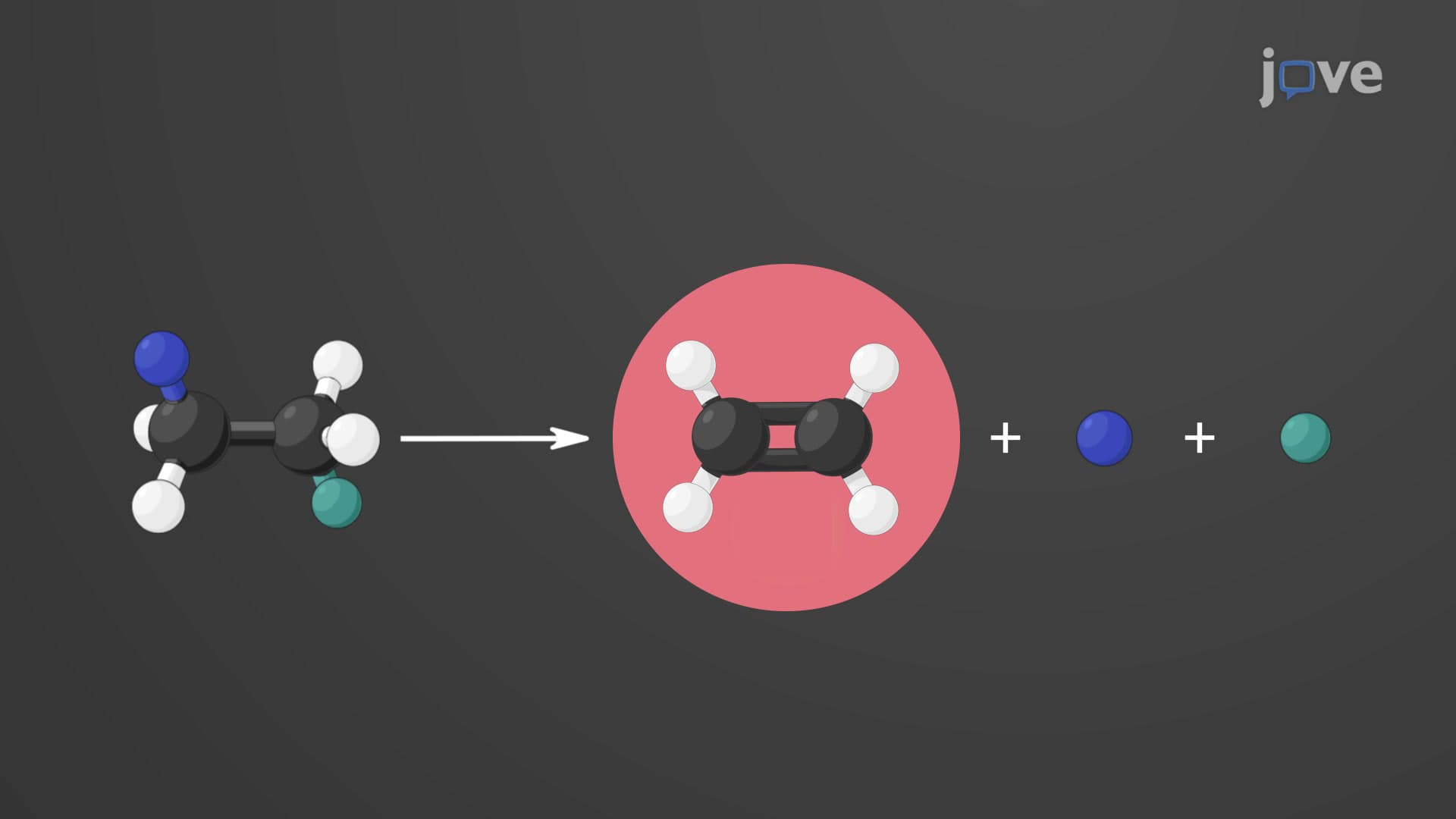
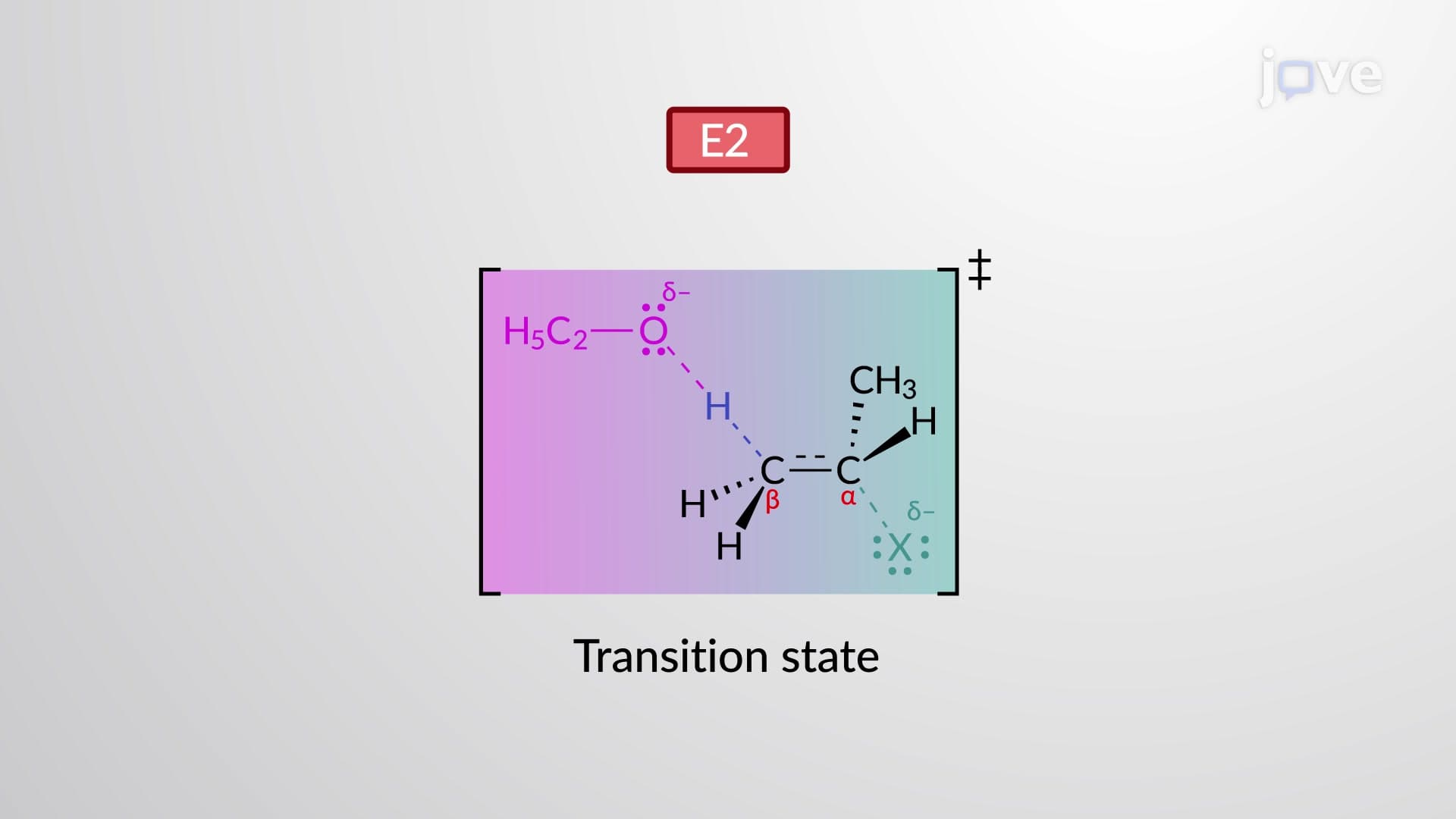
E1 elimination reactions represent a fascinating intersection of thermodynamics and orbital theory in organic chemistry. Unlike their E2 counterparts, E1 reactions proceed through carbocation intermediates, fundamentally altering how we predict both regiochemistry (where the double bond forms) and stereochemistry (the spatial arrangement around that bond). Students preparing for AP Chemistry exams or college organic chemistry courses must grasp that E1 reactions are inherently different because the leaving group departs before base interaction occurs.
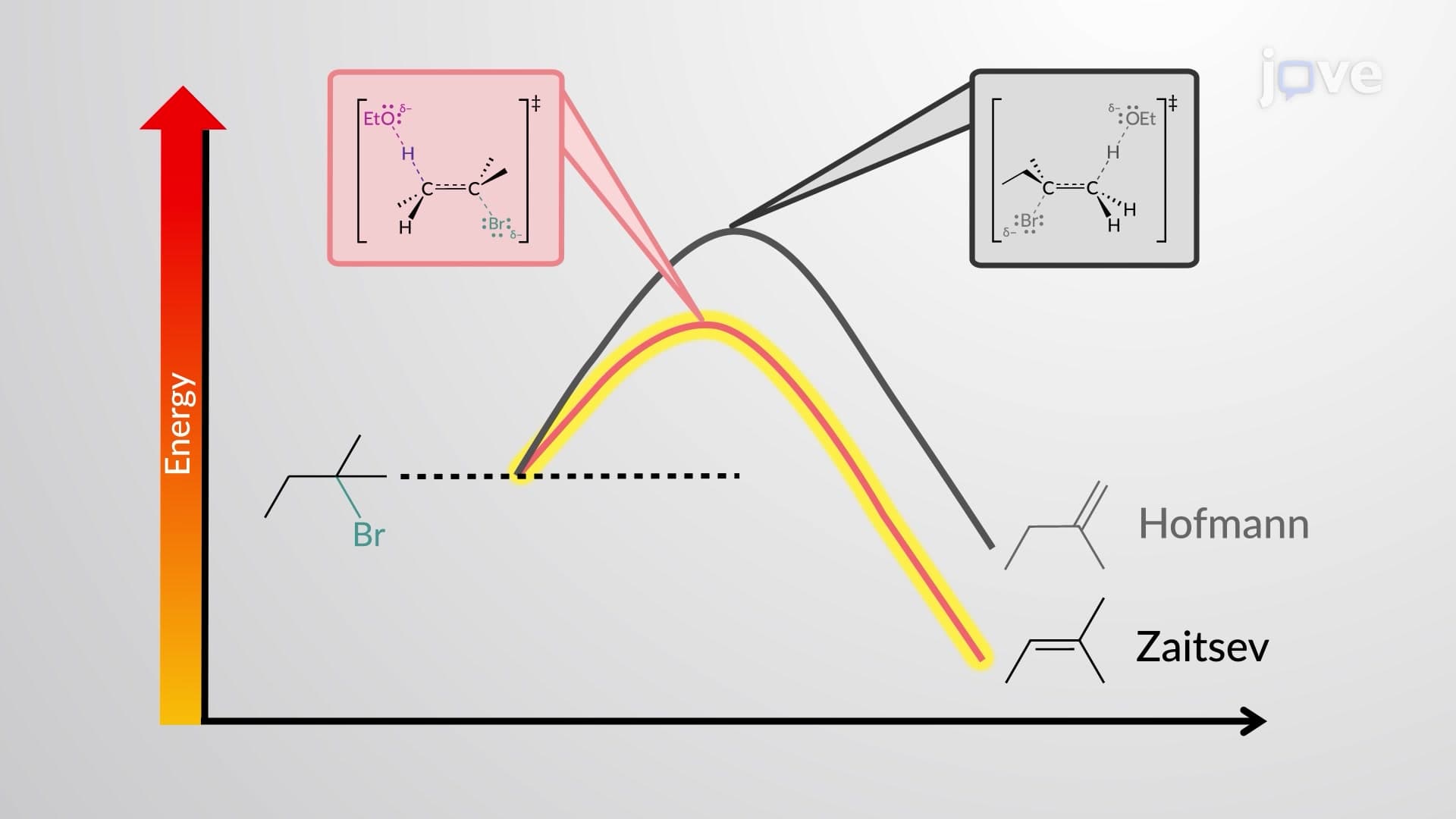
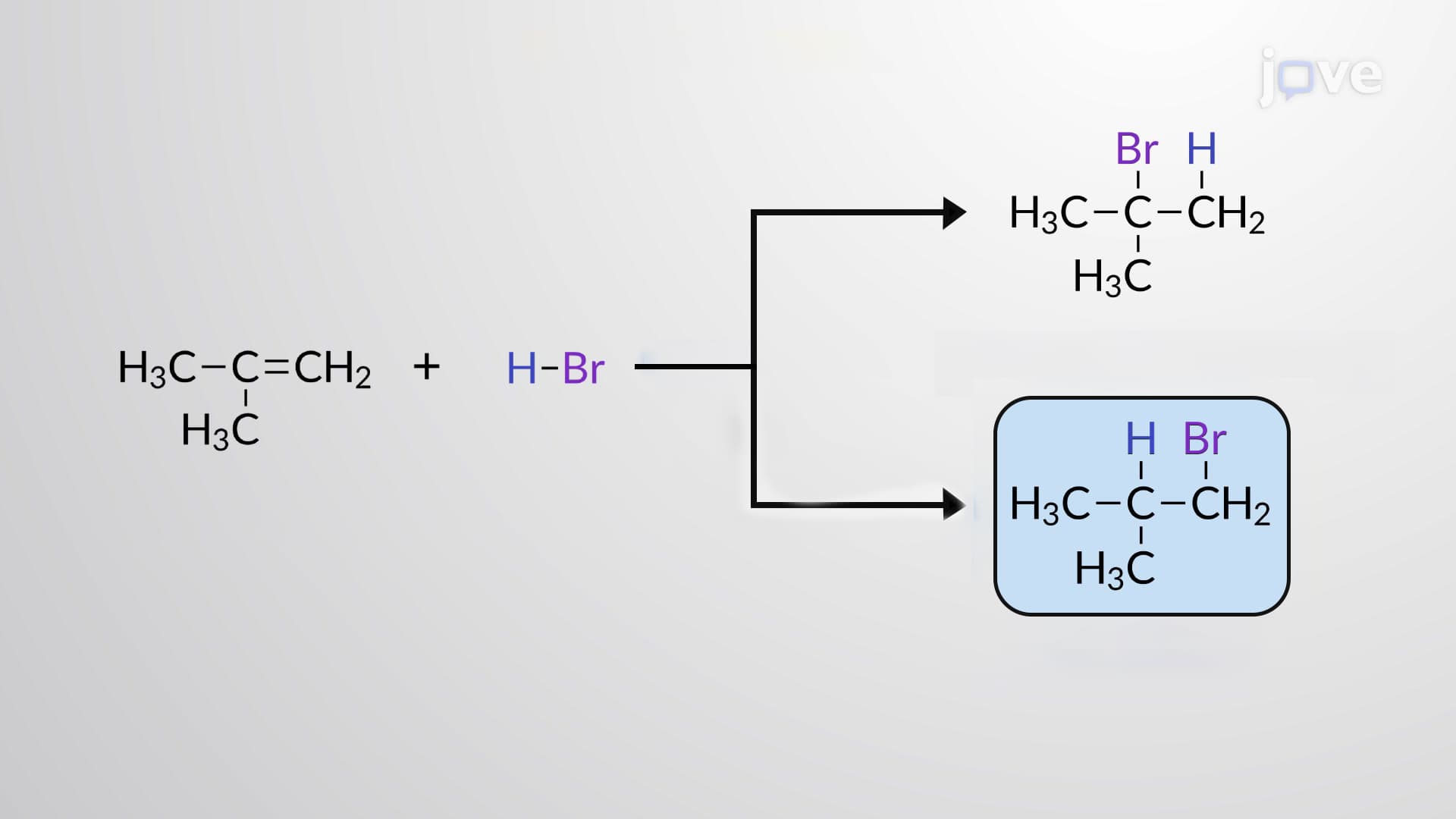
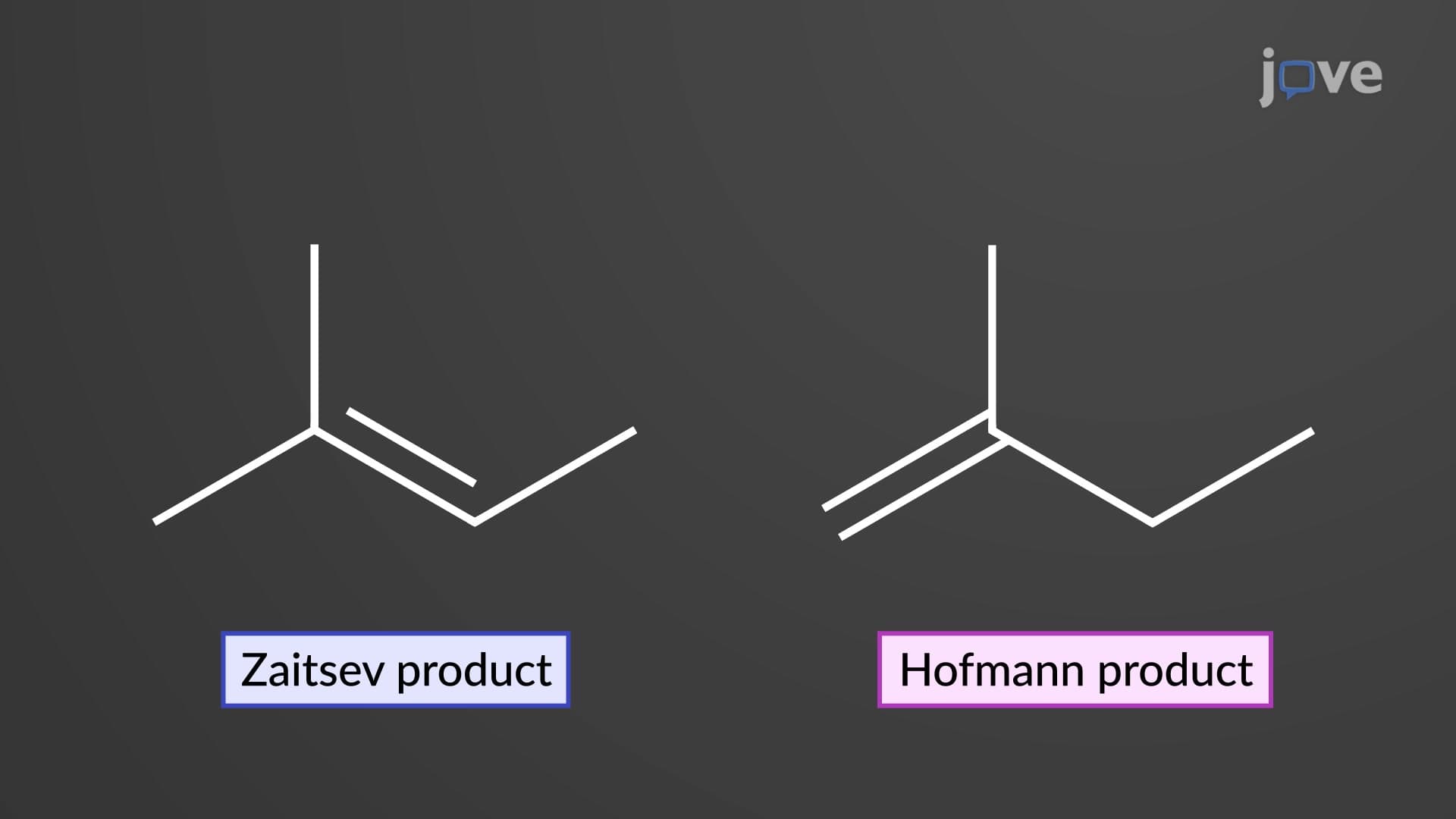
The regioselectivity of E1 reactions strongly favors Zaitsev products-the more substituted alkenes. This preference stems from both thermodynamic and kinetic factors. Thermodynamically, alkenes with more alkyl substituents are more stable due to hyperconjugation effects. Kinetically, the transition state leading to the Zaitsev product features a more substituted partial double bond, lowering the activation energy.
Crucially for MCAT preparation, students must understand that base structure cannot control E1 regioselectivity. Whether using water, methanol, or bulky bases like tert-butanol, the same regiochemical outcome occurs. This contrasts sharply with E2 reactions where sterically hindered bases favor Hofmann products.
E1 reactions can surprise chemists when carbocation rearrangements occur. Secondary carbocations readily undergo 1,2-hydride or 1,2-alkyl shifts to form more stable tertiary carbocations. For example, in pharmaceutical synthesis at companies like Merck, unexpected rearranged products can derail multi-step syntheses if not anticipated. Students tackling college organic chemistry exams must recognize that the "expected" Zaitsev product may not be the major product when rearrangements are possible.
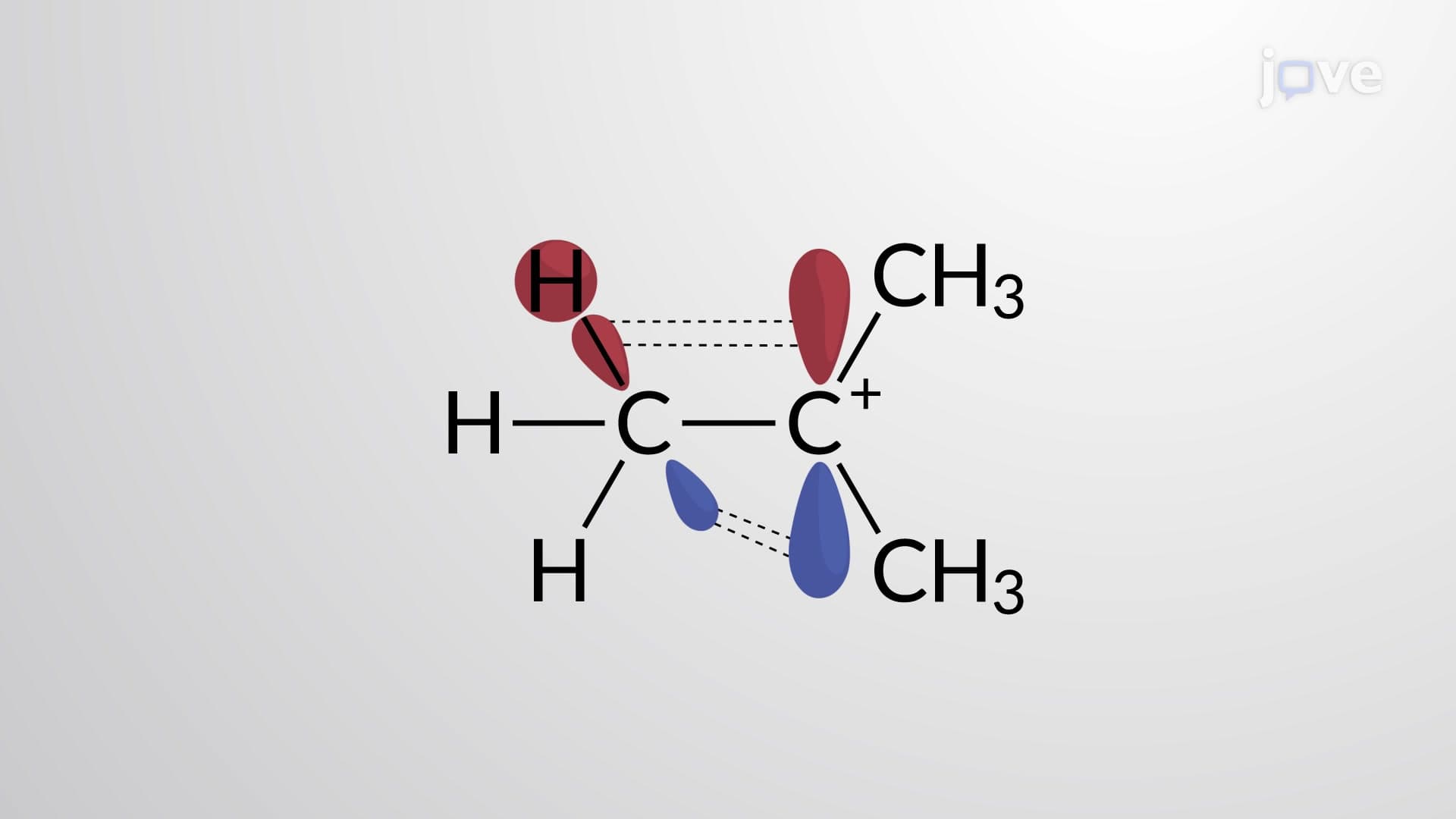
E1 reactions exhibit stereoselectivity, preferentially forming E-alkenes over Z-alkenes, but they lack the stereospecificity of E2 reactions. The key requirement is parallel alignment between the vacant p-orbital of the carbocation and the adjacent C-H bond. The carbocation can adopt two conformations: a sterically strained syn conformation yielding Z-alkenes (minor product) and a more stable anti conformation producing E-alkenes (major product). This flexibility explains why E1 reactions cannot achieve the precise stereocontrol that makes E2 reactions valuable in asymmetric synthesis.
Related Micro-courses