Loading video…


 20 Concepts
 256.6K views

Video Summary: E2 Reaction Kinetics and Mechanism Explained
Ever wonder why cleaning products work so efficiently to break down stubborn grease? The e2 reaction kinetics mechanism powers many industrial processes, from pharmaceutical manufacturing at Pfizer to polymer production. E2 Reaction Kinetics And Mechanism Explained reveals how these bimolecular elimination reactions proceed through a single, concerted step where base strength and substrate structure determine reaction speed. Watch the full video on JoVE Coach to master this concept with expert-led visuals and step-by-step explanations.
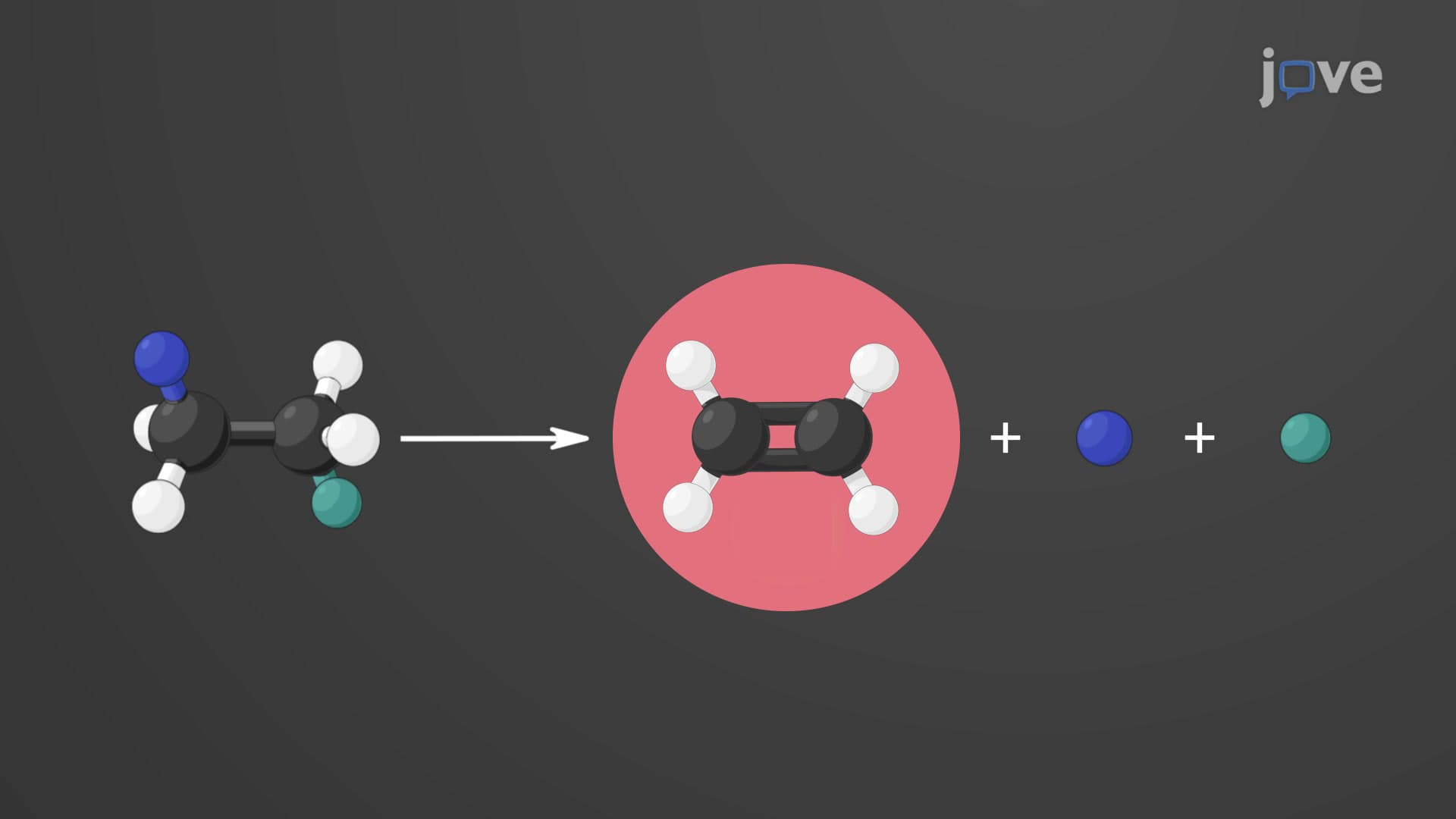
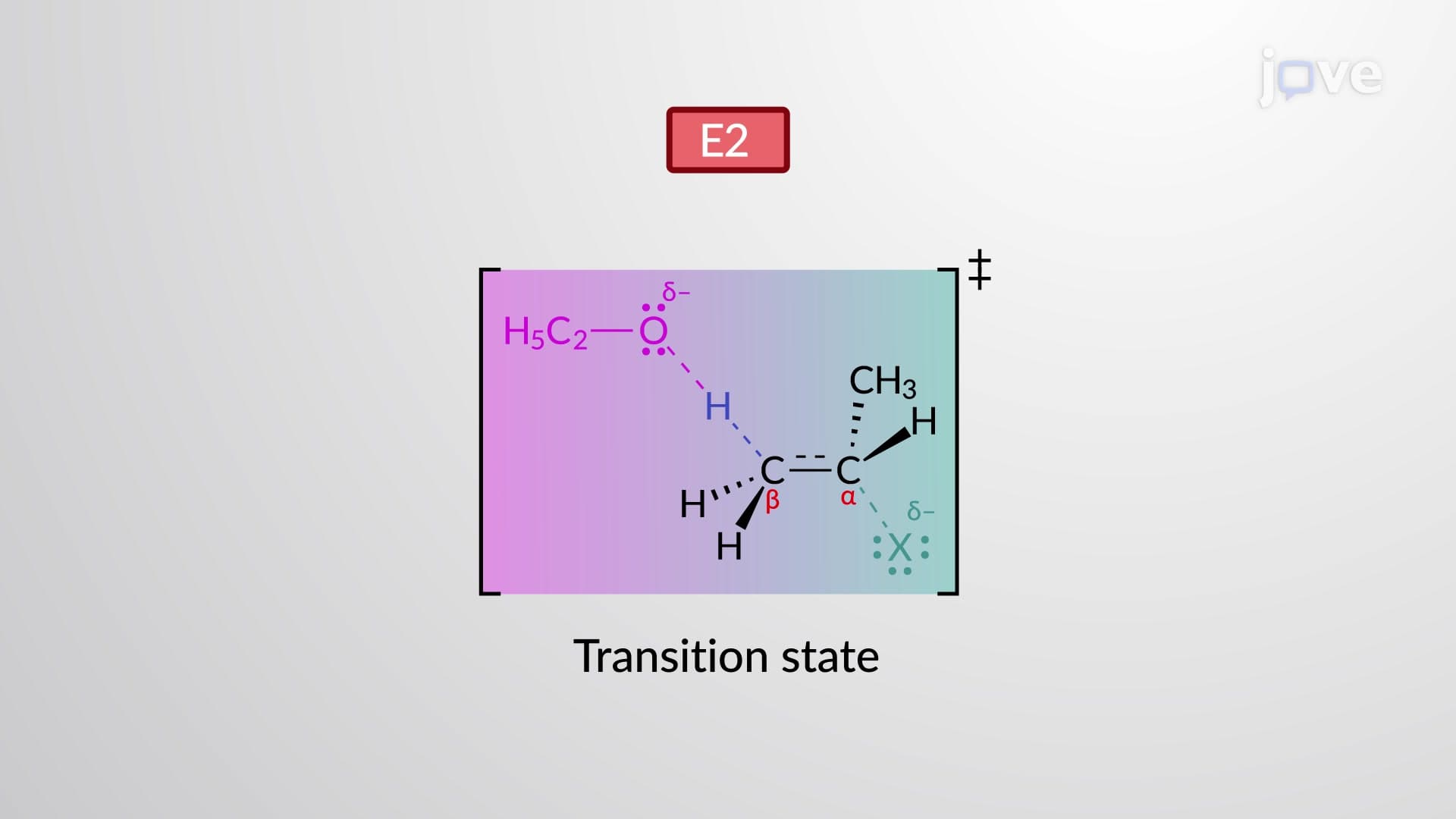
The E2 elimination mechanism represents one of organic chemistry's most important reaction pathways, frequently tested on the MCAT and AP Chemistry exams. Unlike multi-step processes, E2 reactions occur through a single, concerted mechanism where bond breaking and bond forming happen simultaneously. This concerted nature makes E2 reactions particularly predictable and useful in synthetic chemistry applications across the pharmaceutical industry.
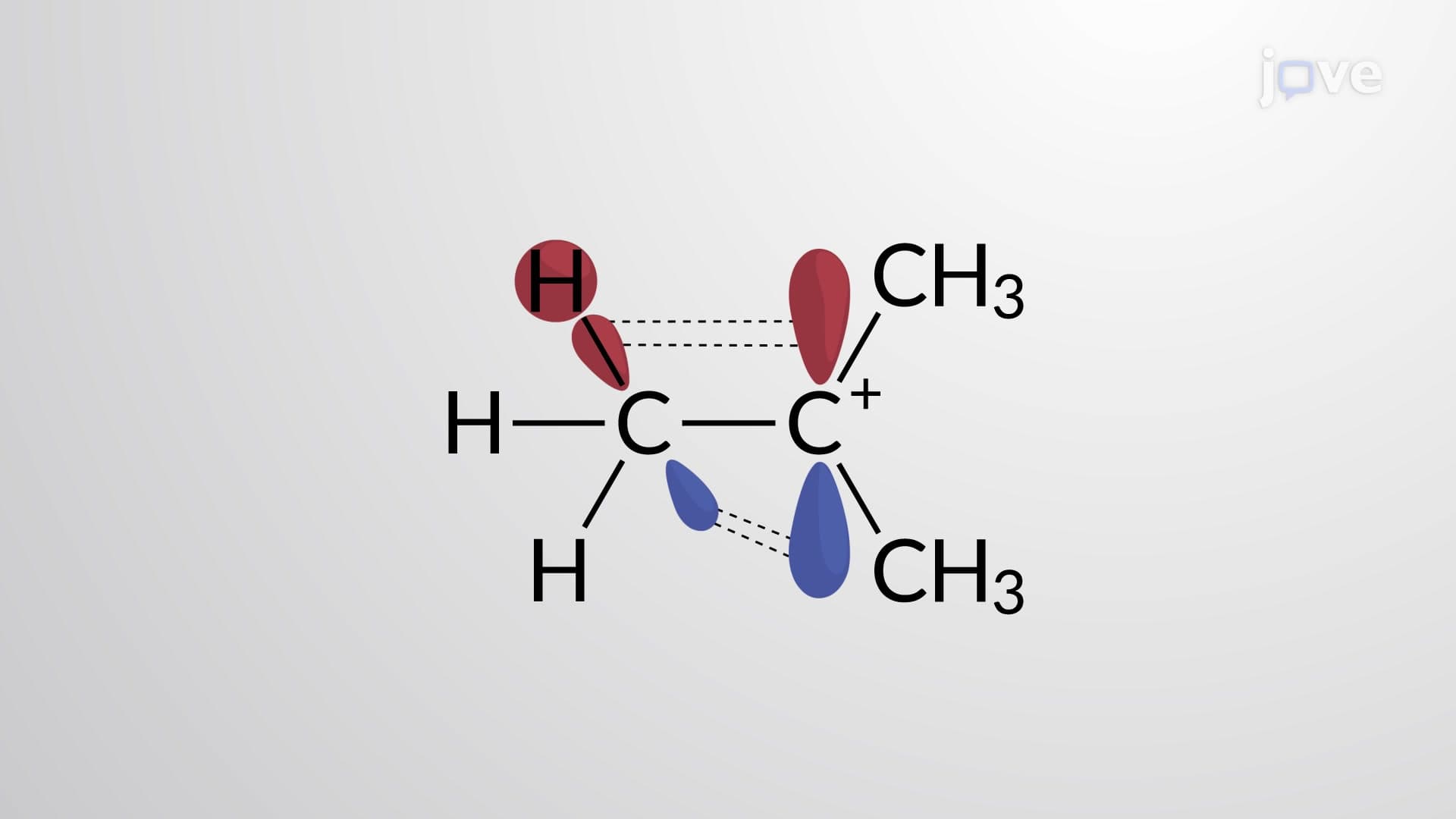
E2 reactions follow second-order kinetics, with rates dependent on both alkyl halide and base concentrations. The rate equation Rate = k[RX][Base] provides compelling evidence for the bimolecular mechanism. When Merck chemists optimize drug synthesis routes, they rely on these kinetic principles to maximize yield and minimize side reactions. Deuterium isotope studies further validate the mechanism-the kH/kD ratio of 6.7 for propyl bromide confirms that C-H bond breaking occurs at the transition state, not in a pre-equilibrium step.
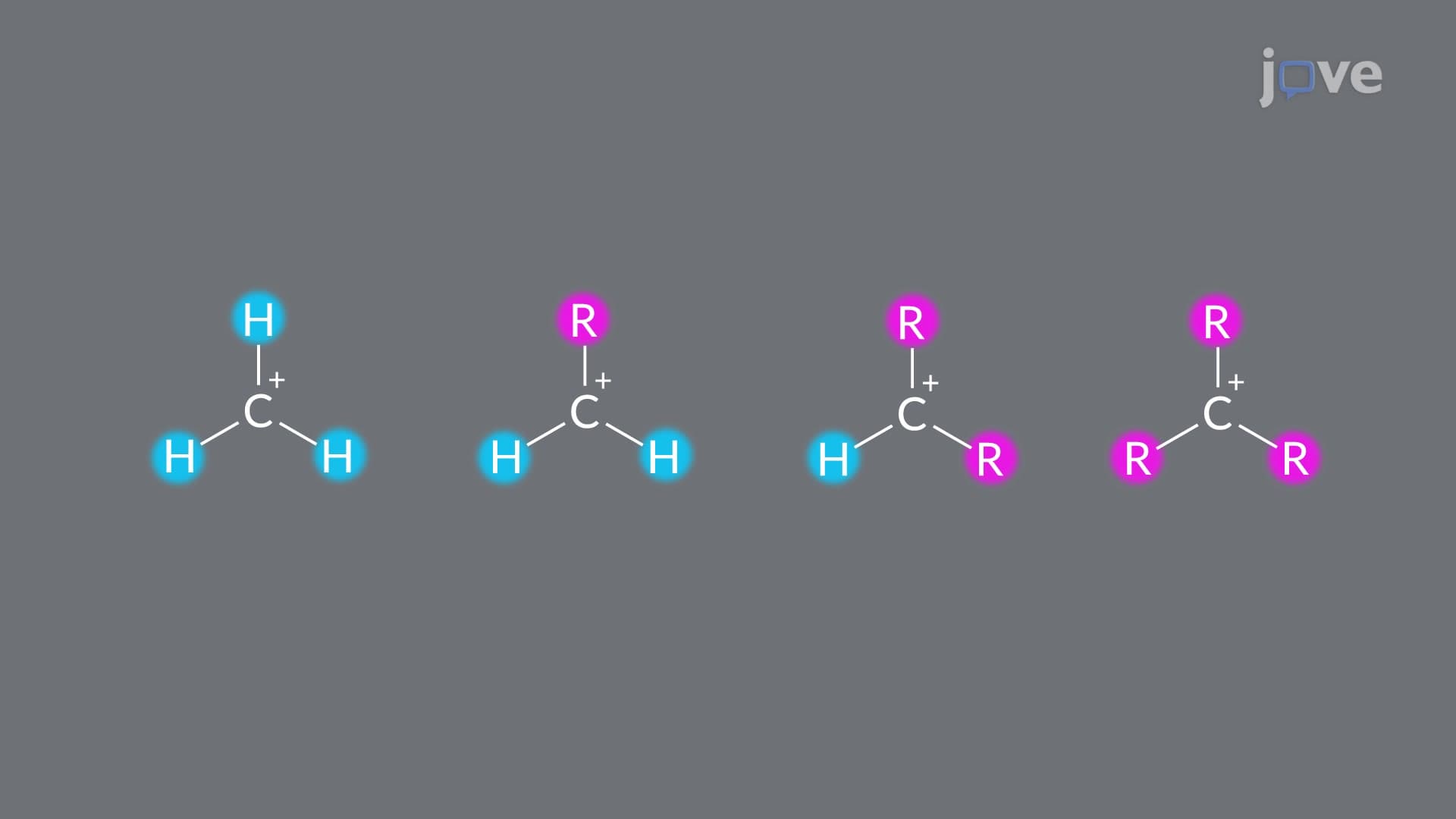
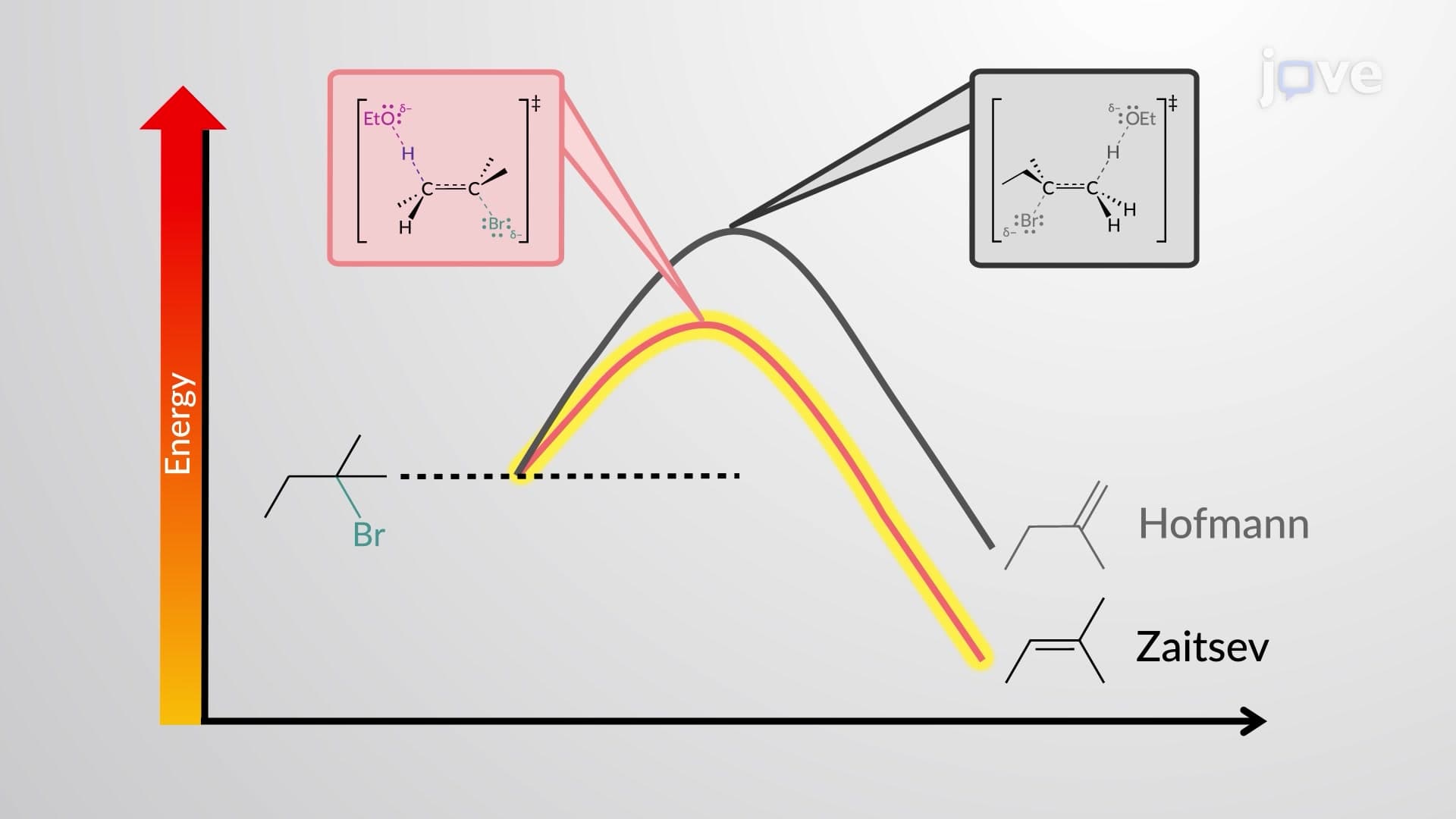
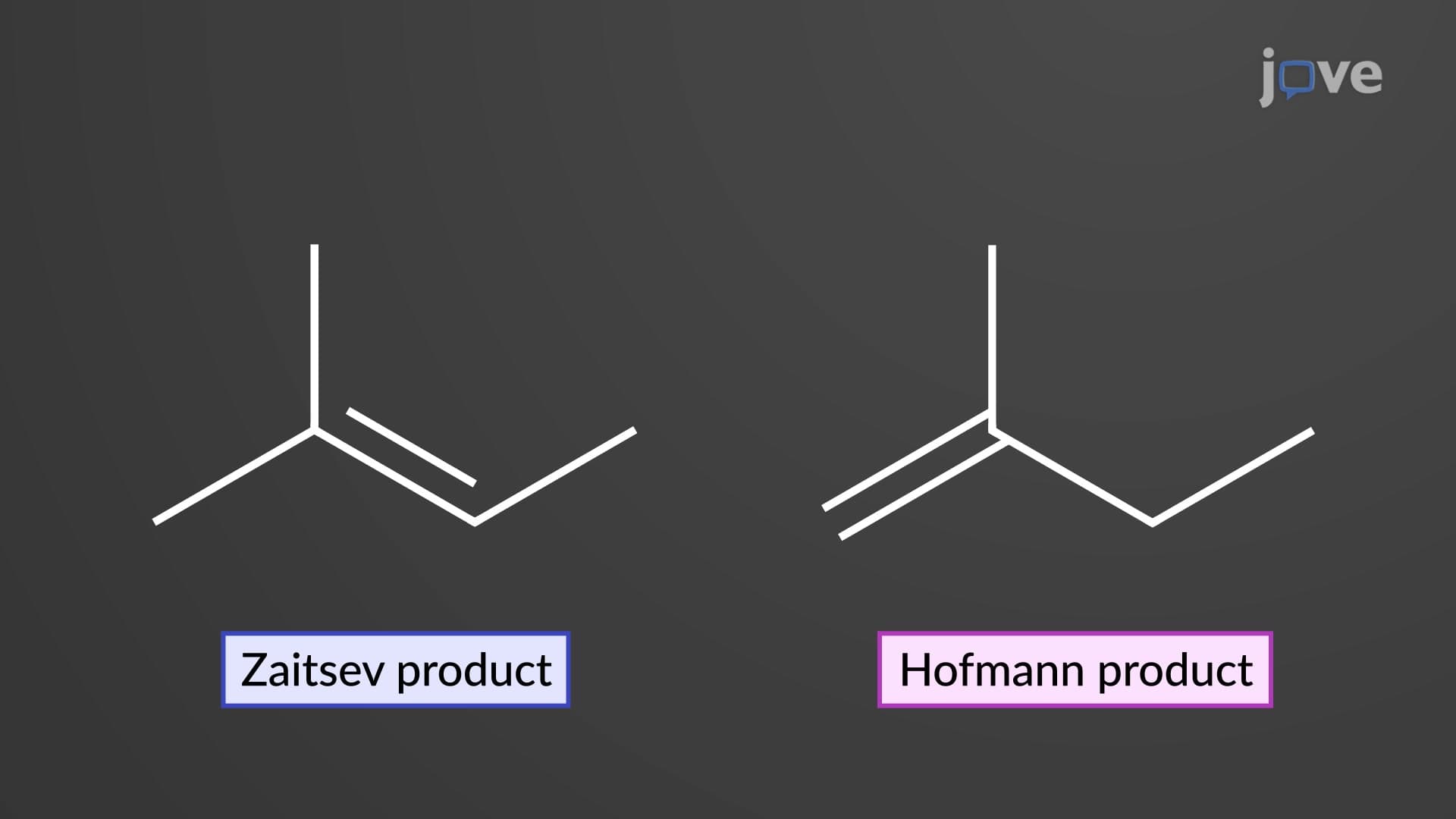
Base strength dramatically influences E2 reaction rates. Strong bases like sodium ethoxide (commonly used in undergraduate organic labs) abstract protons more readily than weak bases. Substrate structure follows Zaitsev's rule-tertiary alkyl halides react faster than secondary, which react faster than primary halides. This reactivity order reflects alkene stability: more substituted alkenes are thermodynamically favored products.
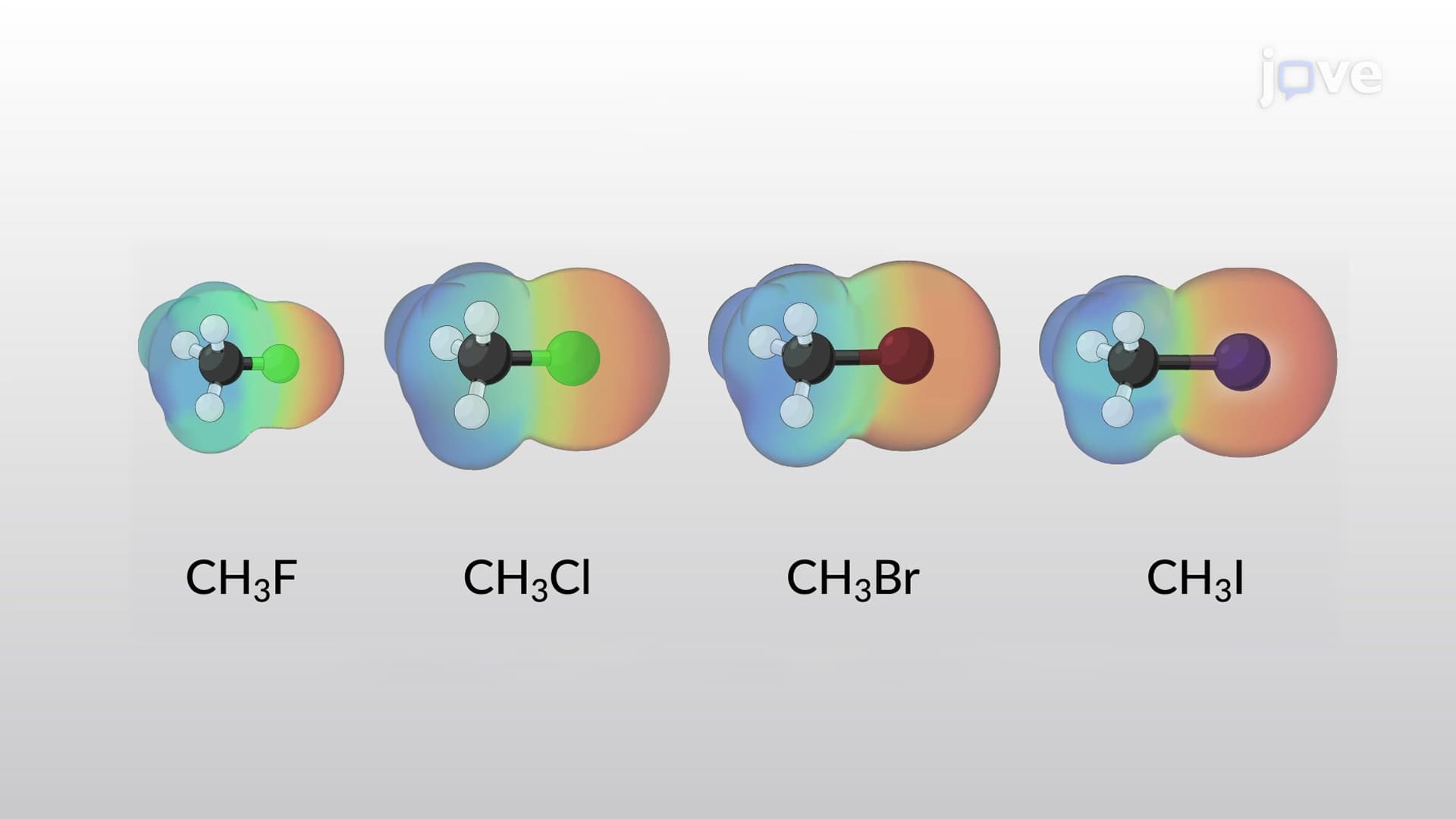
The leaving group's basicity inversely correlates with reaction rate. Iodide ions, being large and polarizable, depart more readily than bromide or chloride. This principle guides pharmaceutical chemists at companies like Johnson & Johnson when designing synthetic routes requiring selective elimination reactions.
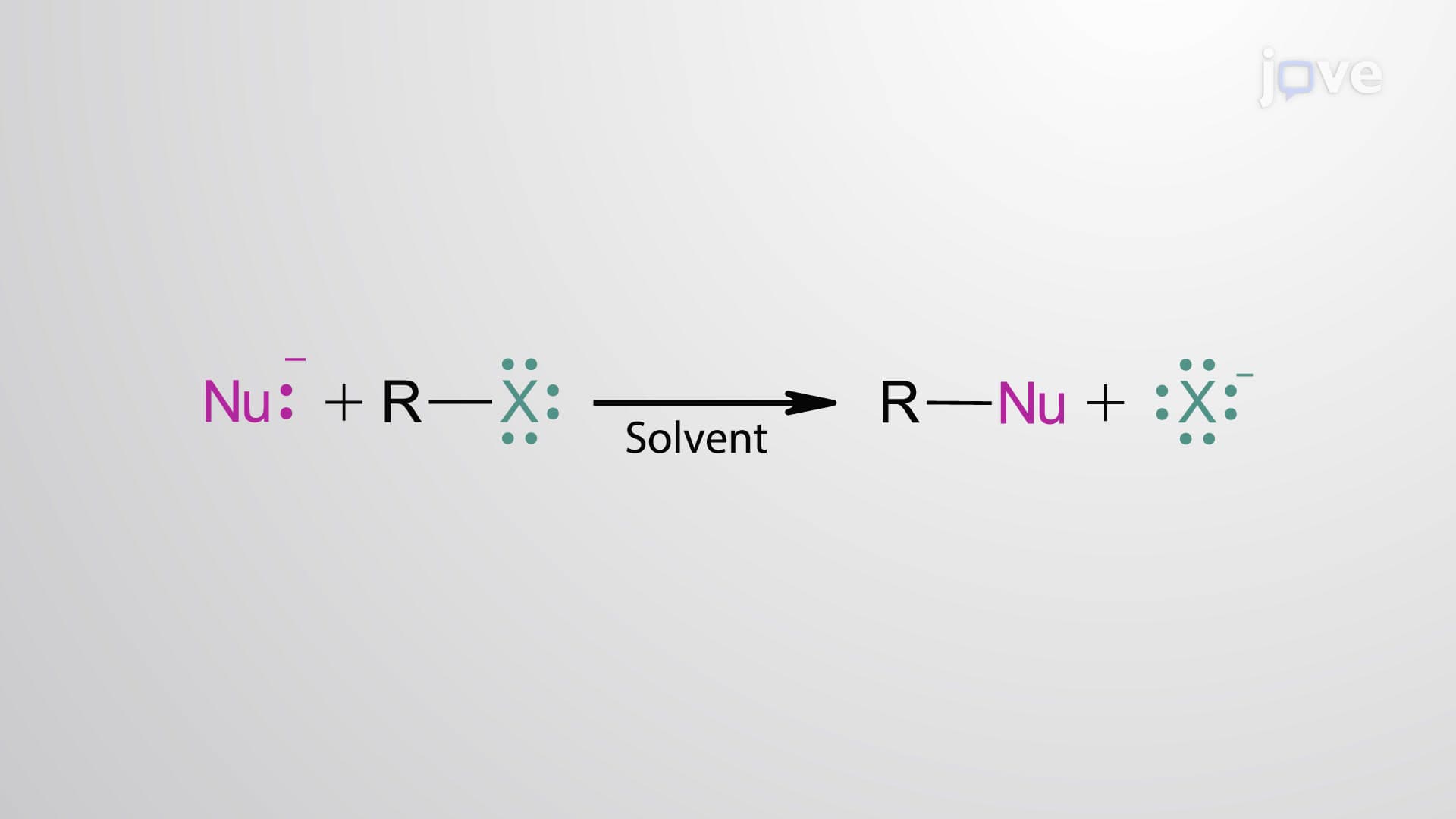
Polar aprotic solvents like acetone or DMSO enhance E2 reaction rates by maintaining base reactivity. In contrast, protic solvents like water or alcohols hydrogen-bond with bases, reducing their nucleophilicity. This solvent dependence appears frequently on college organic chemistry exams and explains why industrial processes often use carefully selected solvent systems.
Students preparing for the MCAT should focus on predicting major products using Zaitsev's rule while considering stereochemical requirements. The antiperiplanar geometry requirement-where the departing hydrogen and halide must be on opposite faces of the molecule-often determines product distribution in cyclic systems.
Related Micro-courses