Loading video…


 20 Concepts
 256.6K views

Video Summary: E2 Reaction Stereochemistry and Regiochemistry Explained
Why do pharmaceutical companies spend millions perfecting reaction conditions when making life-saving medications? E2 reaction stereochemistry regiochemistry determines whether a drug synthesis produces the correct molecular structure or a potentially harmful byproduct. Consider how chemists at Pfizer must control elimination reactions to ensure consistent drug manufacturing. E2 Reaction Stereochemistry And Regiochemistry Explained reveals how molecular geometry and bond positioning dictate product formation in these crucial reactions. Watch the full video on JoVE Coach to master this concept with expert-led visuals and step-by-step explanations.
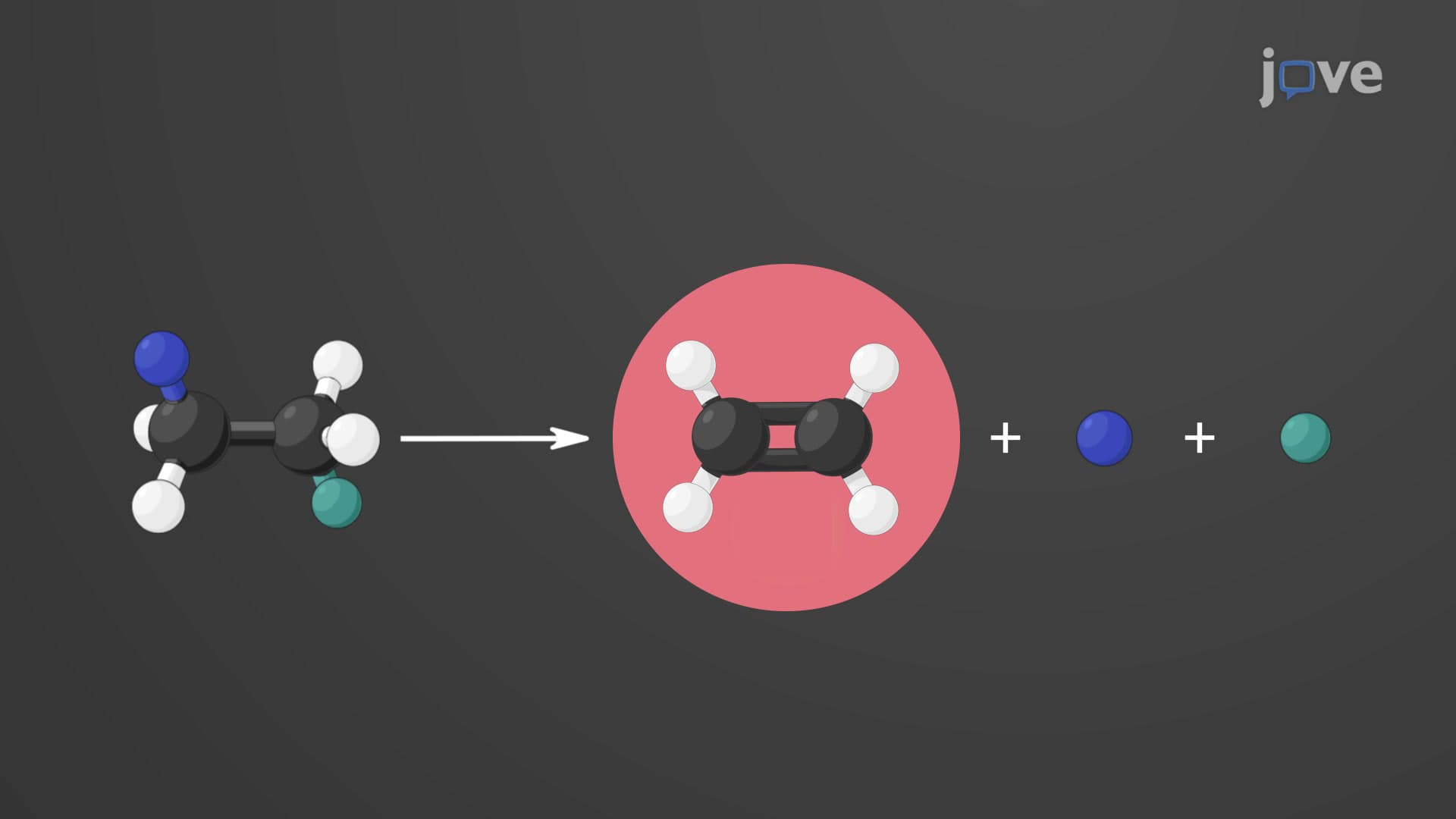
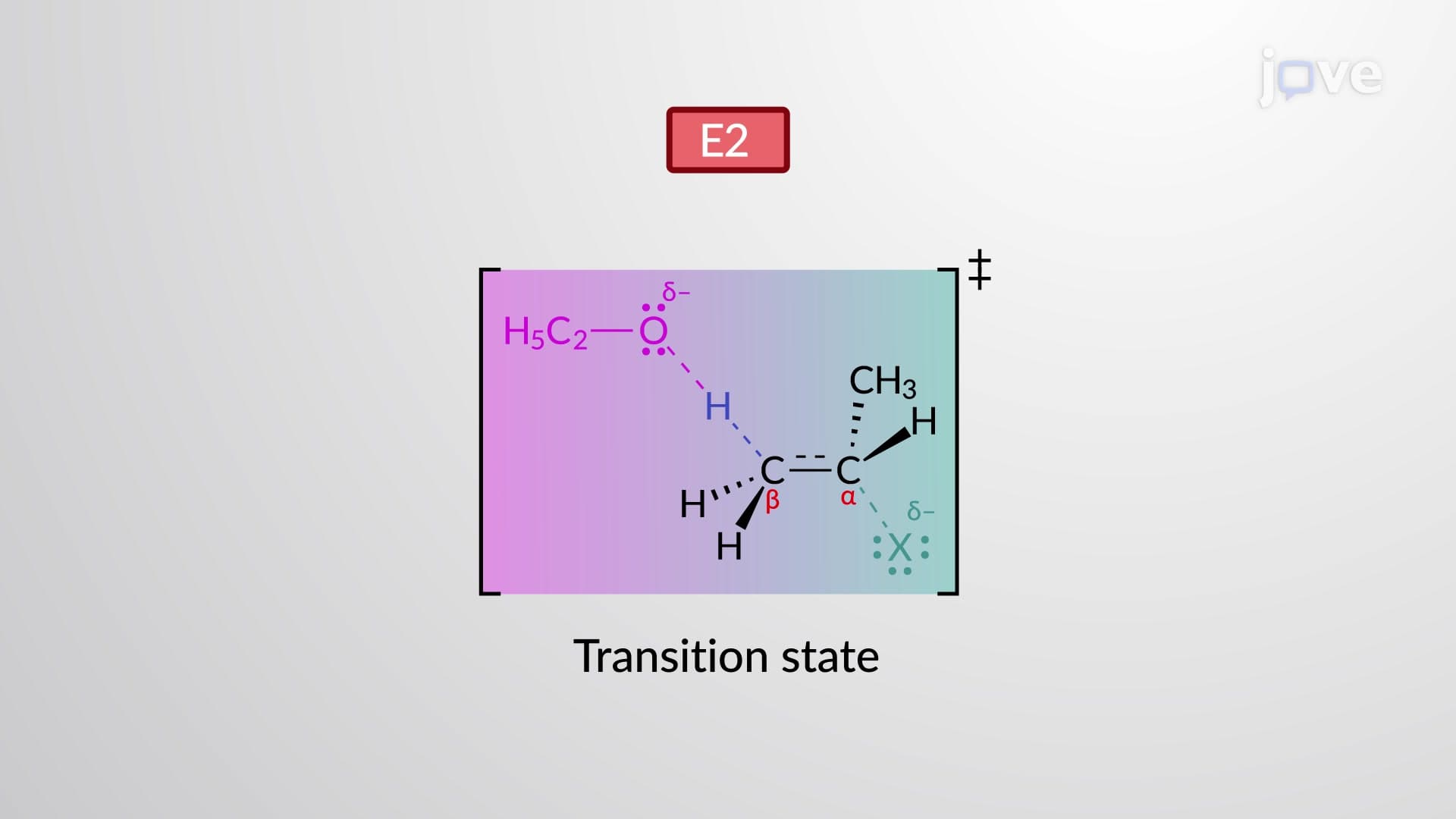
E2 elimination reactions represent one of organic chemistry's most predictable yet nuanced mechanisms. These bimolecular eliminations occur through a concerted process where base abstraction of a beta hydrogen coincides with leaving group departure, forming a new carbon-carbon double bond. The stereochemical and regiochemical outcomes follow specific rules that chemists exploit in synthetic applications.
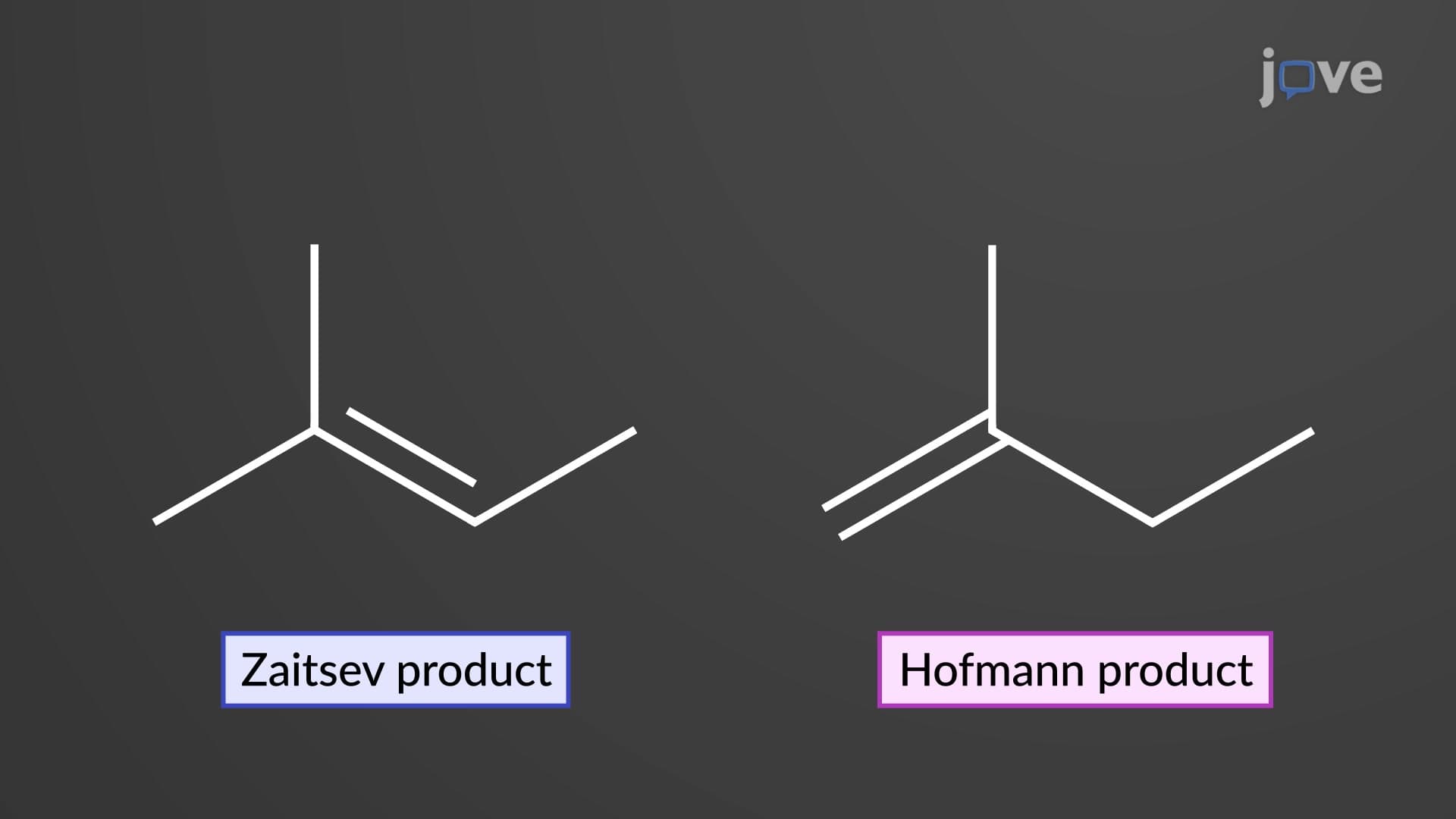
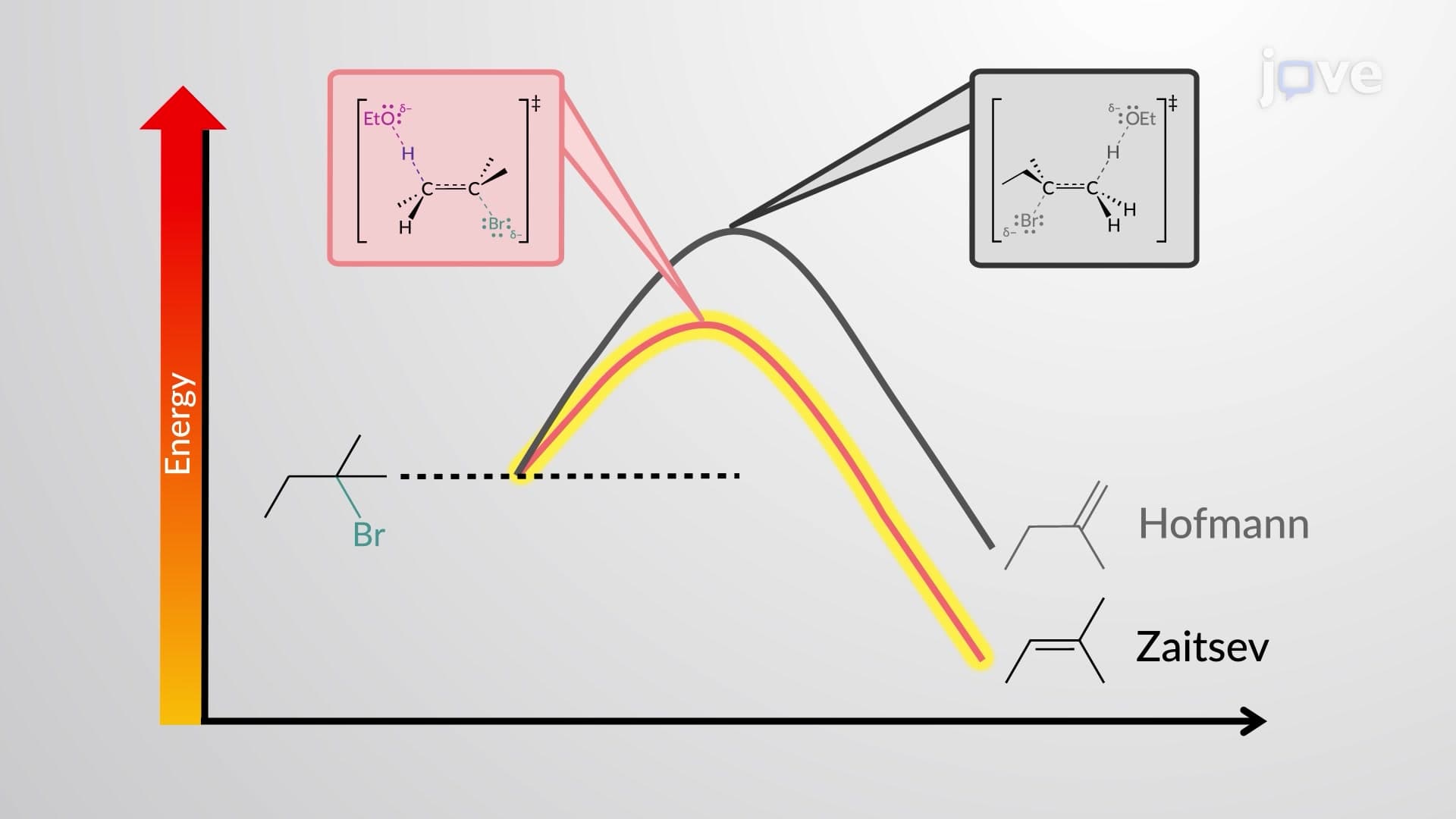
Regiochemistry determines where the double bond forms when multiple beta hydrogens exist. The classic example involves 2-bromo-2-methylbutane elimination with sodium ethoxide. Two distinct pathways emerge: formation of the more substituted alkene (Zaitsev product) or the less substituted alkene (Hofmann product). The Zaitsev rule predicts that more substituted alkenes predominate because their increased hyperconjugation stabilizes the transition state.
However, chemists can override this preference using sterically hindered bases like potassium tert-butoxide. The bulky base cannot easily approach the more substituted carbon, favoring abstraction of less hindered hydrogens and producing the Hofmann product. This selectivity proves crucial in pharmaceutical synthesis where specific regioisomers exhibit different biological activities.
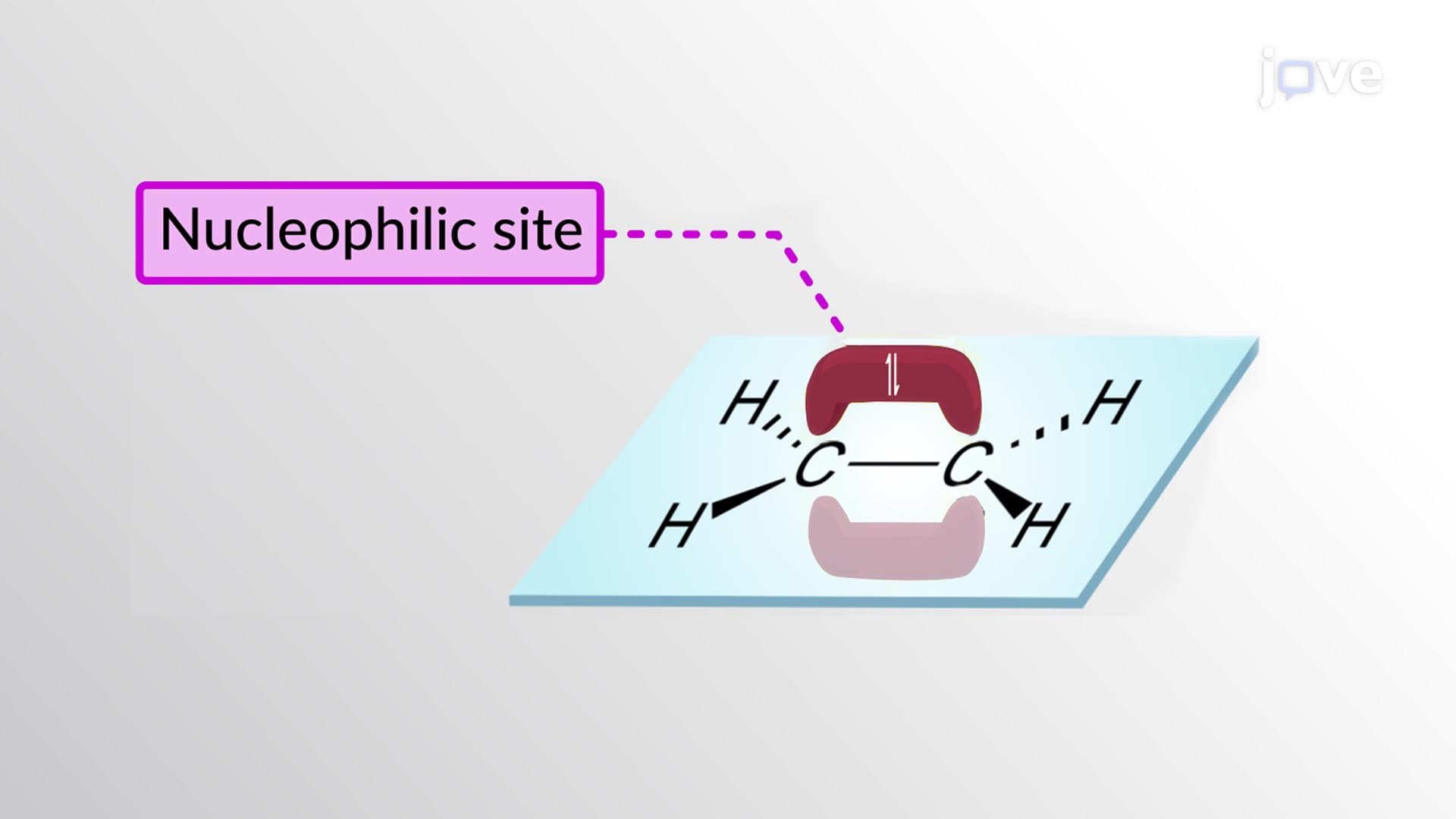
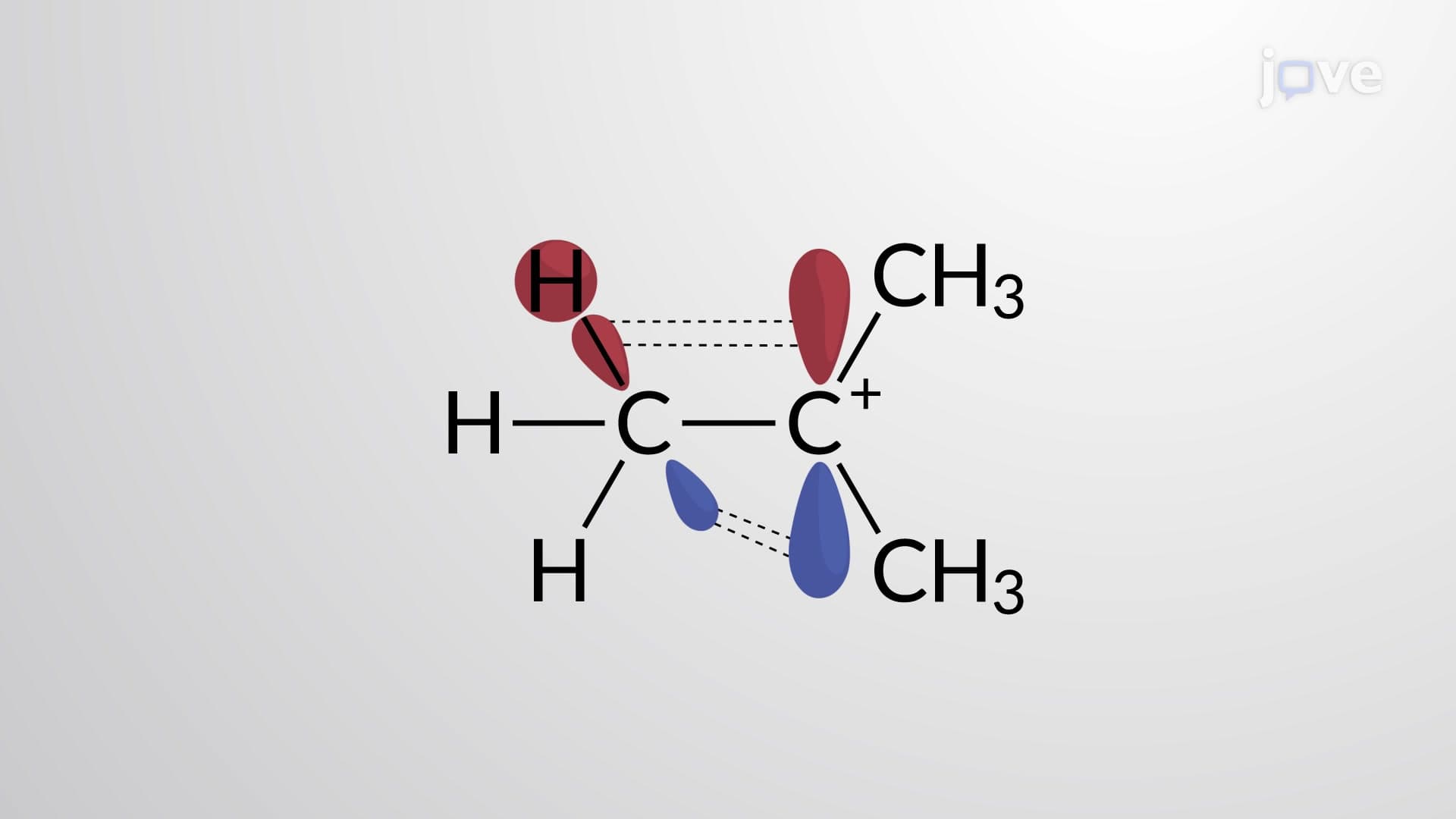
E2 reactions demand specific orbital alignment for successful elimination. The breaking C-H sigma bond and the developing C-X sigma* antibonding orbital must achieve coplanarity for proper overlap. Two conformations satisfy this requirement: anti-coplanar (staggered) and syn-coplanar (eclipsed) arrangements.
The anti-coplanar pathway dominates because it minimizes steric interactions between the base and leaving group while maximizing orbital overlap. This preference explains why E2 eliminations of cyclohexyl halides require the hydrogen and halogen to occupy axial positions on opposite ring faces.
When alkyl halides contain two beta hydrogens, stereoselective elimination typically produces the more thermodynamically stable E-alkene as the major product. This selectivity reflects the lower energy required to form the anti-coplanar transition state leading to the E-isomer.
Conversely, substrates with only one beta hydrogen undergo stereospecific elimination, producing either E or Z products based solely on the starting material's stereochemistry, regardless of thermodynamic stability. This principle appears frequently on MCAT and AP Chemistry examinations, where students must predict elimination products from specific substrate configurations.
These concepts find practical application in advanced organic chemistry courses at universities like MIT and Stanford, where students design multi-step syntheses requiring precise stereochemical control.
Related Micro-courses