Loading subject page…


256,601 views

Video Summary: Predicting Products Sn1 Vs Sn2 Explained
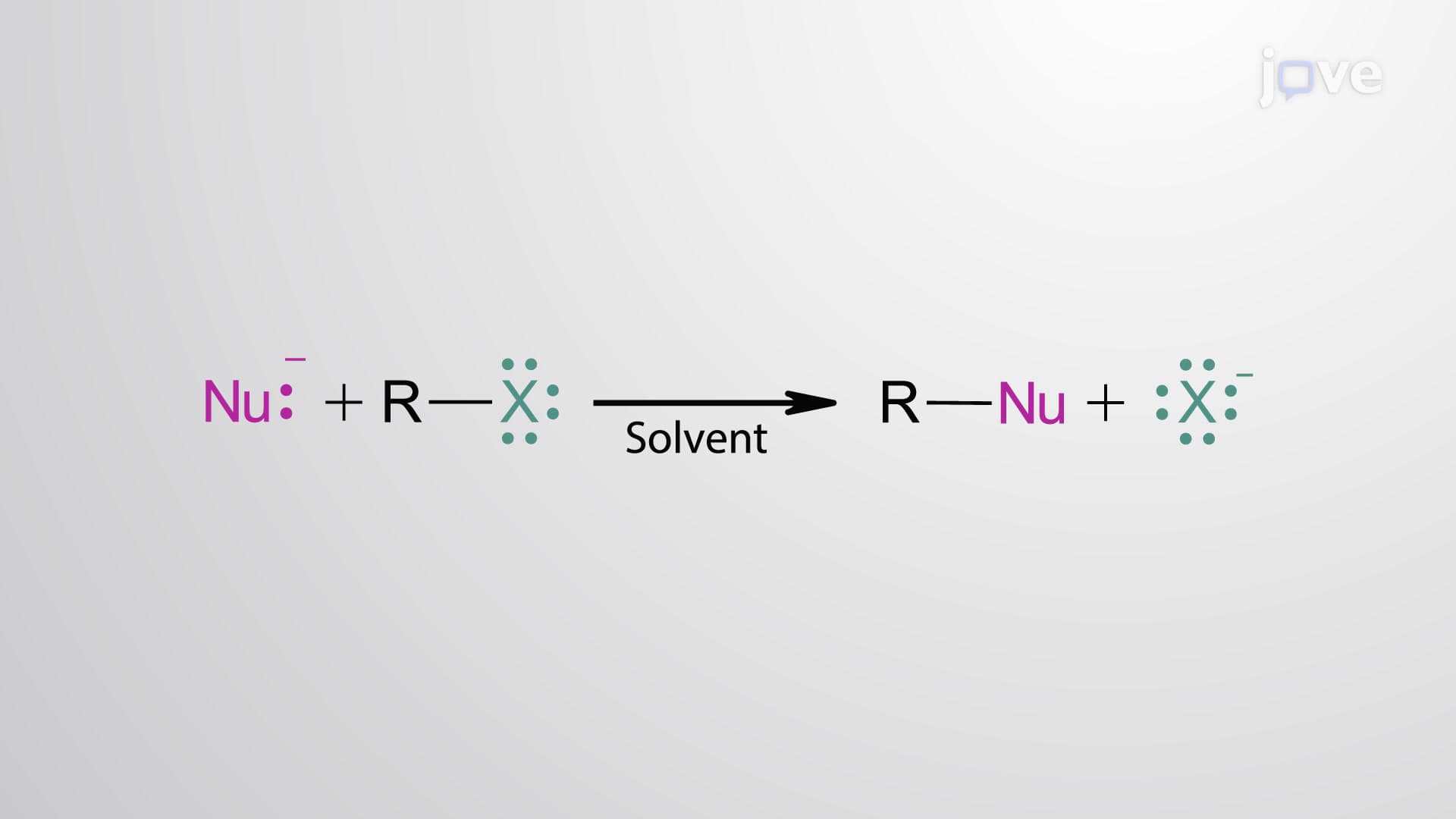
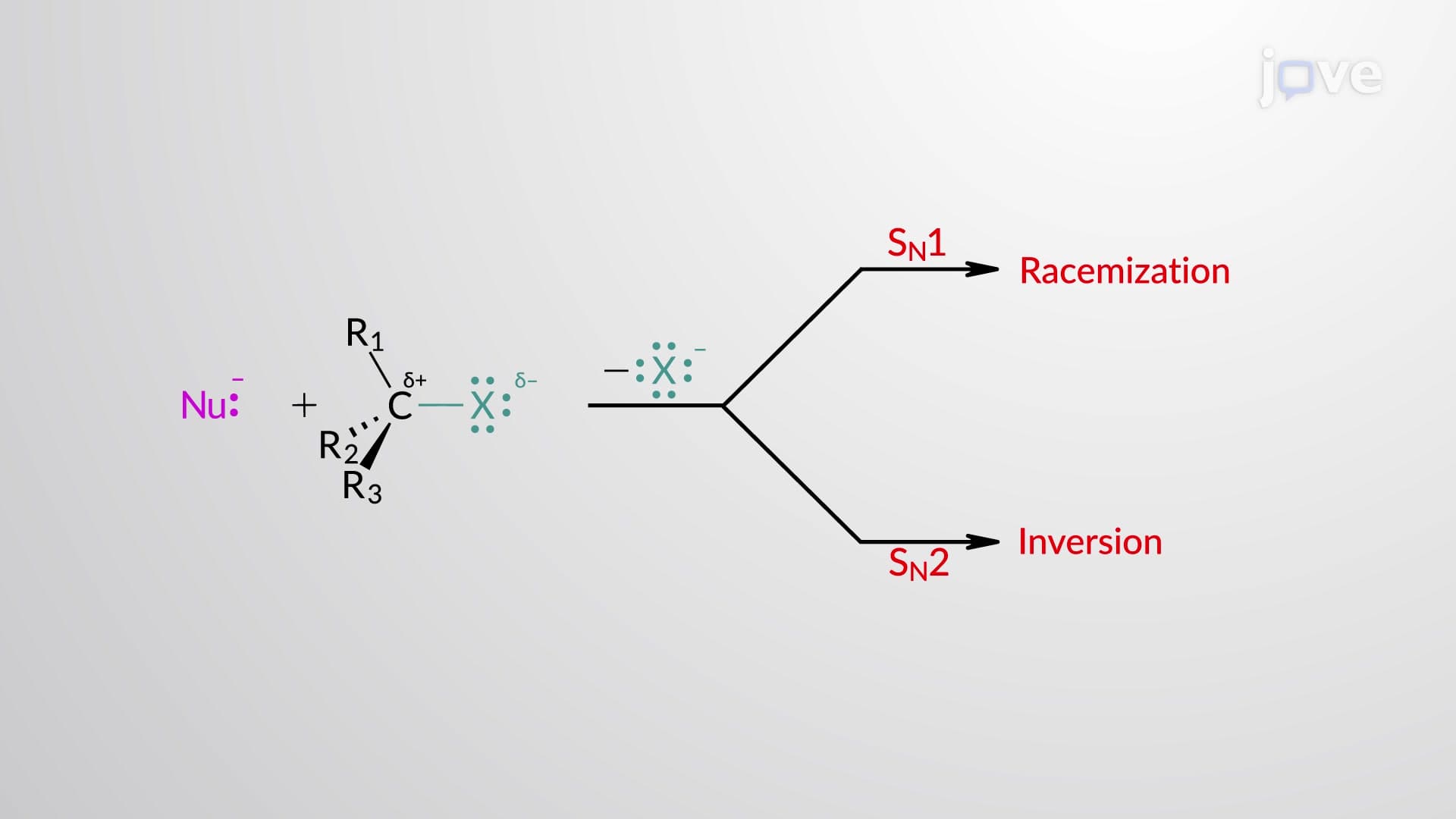
Ever wonder why some household cleaners work instantly while others need time to break down grease? The answer lies in reaction mechanisms! Predicting products Sn1 vs Sn2 explained reveals how molecular structure determines whether nucleophilic substitution reactions follow a one-step or two-step pathway. For example, when synthesizing pharmaceuticals like ibuprofen at US manufacturing facilities, chemists must choose the right conditions to favor the desired mechanism. Understanding substrate structure, nucleophile strength, and solvent effects lets you predict which pathway dominates. Watch the full video on JoVE Coach to master this concept with expert-led visuals and step-by-step explanations.
Nucleophilic substitution reactions represent fundamental transformations in organic chemistry, where predicting the correct mechanism determines both product formation and stereochemistry. The ability to distinguish between Sn1 and Sn2 pathways becomes crucial for students preparing for AP Chemistry exams and college organic chemistry courses, as these concepts frequently appear in mechanism-based problems.
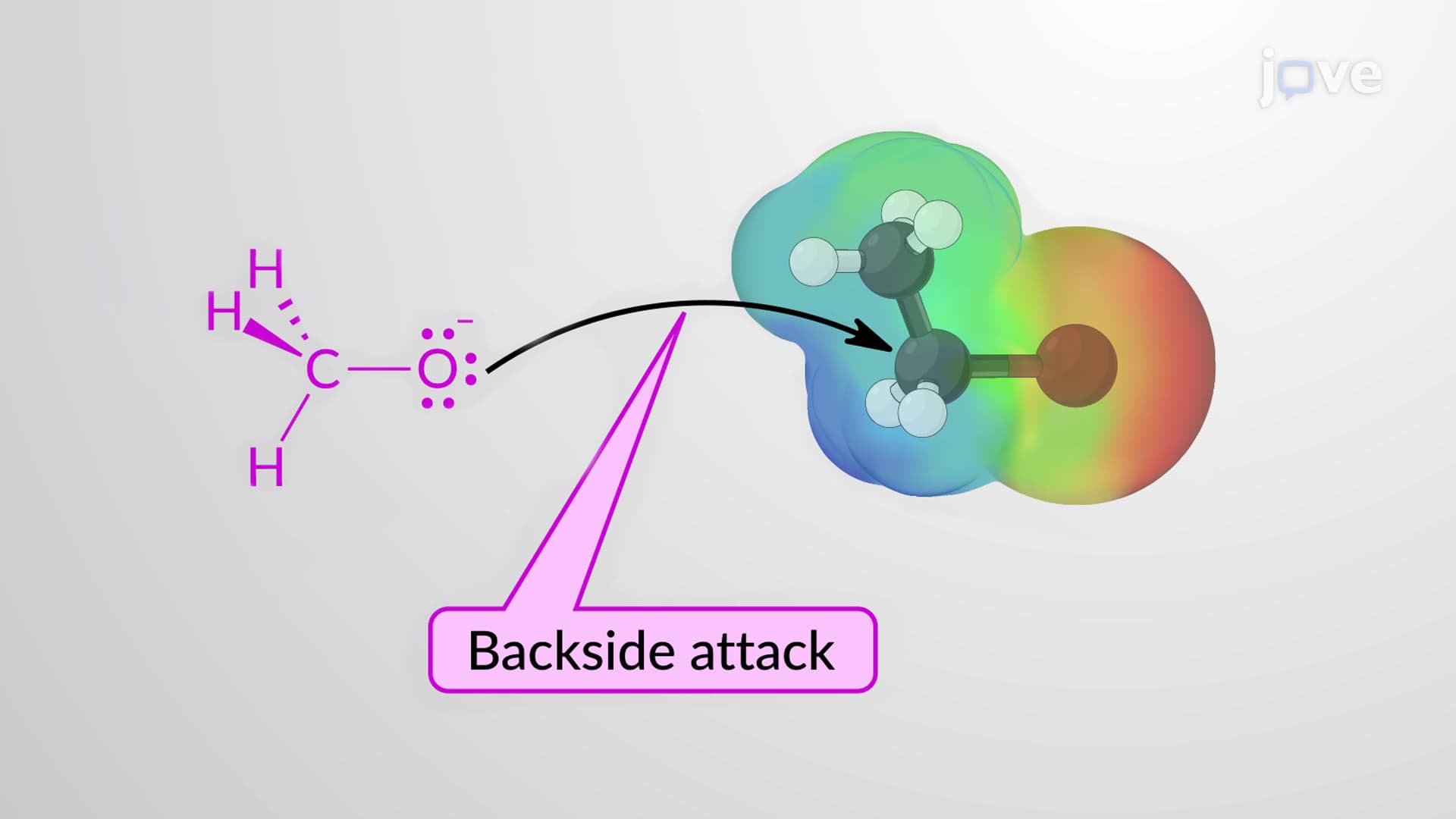
The degree of substitution around the carbon bearing the leaving group serves as the most reliable predictor of mechanism preference. Primary alkyl halides, with minimal steric crowding, strongly favor Sn2 reactions because nucleophiles can easily approach the backside of the carbon-halogen bond. Secondary alkyl halides present borderline cases where both mechanisms compete, making solvent and nucleophile choice critical.
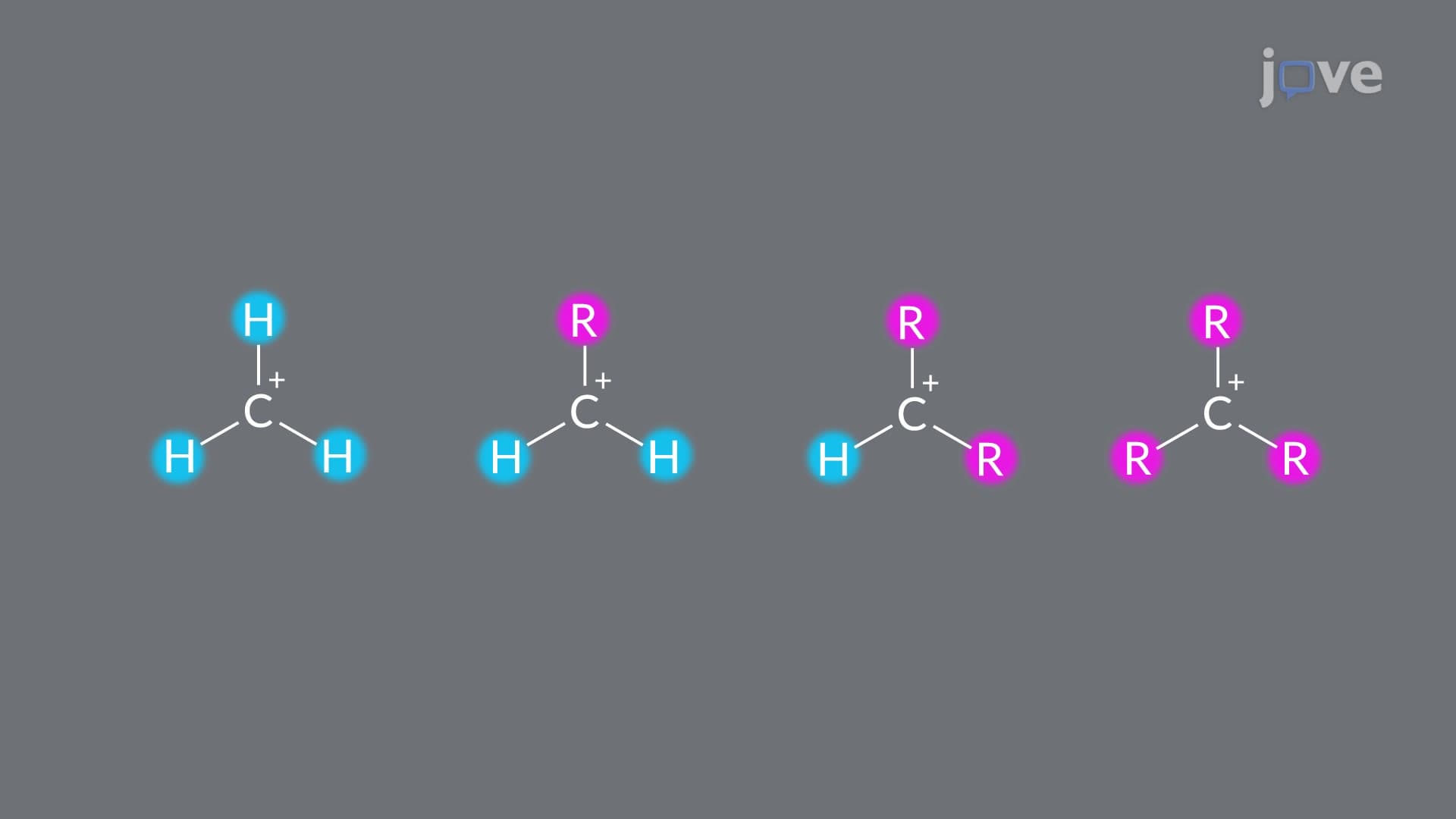
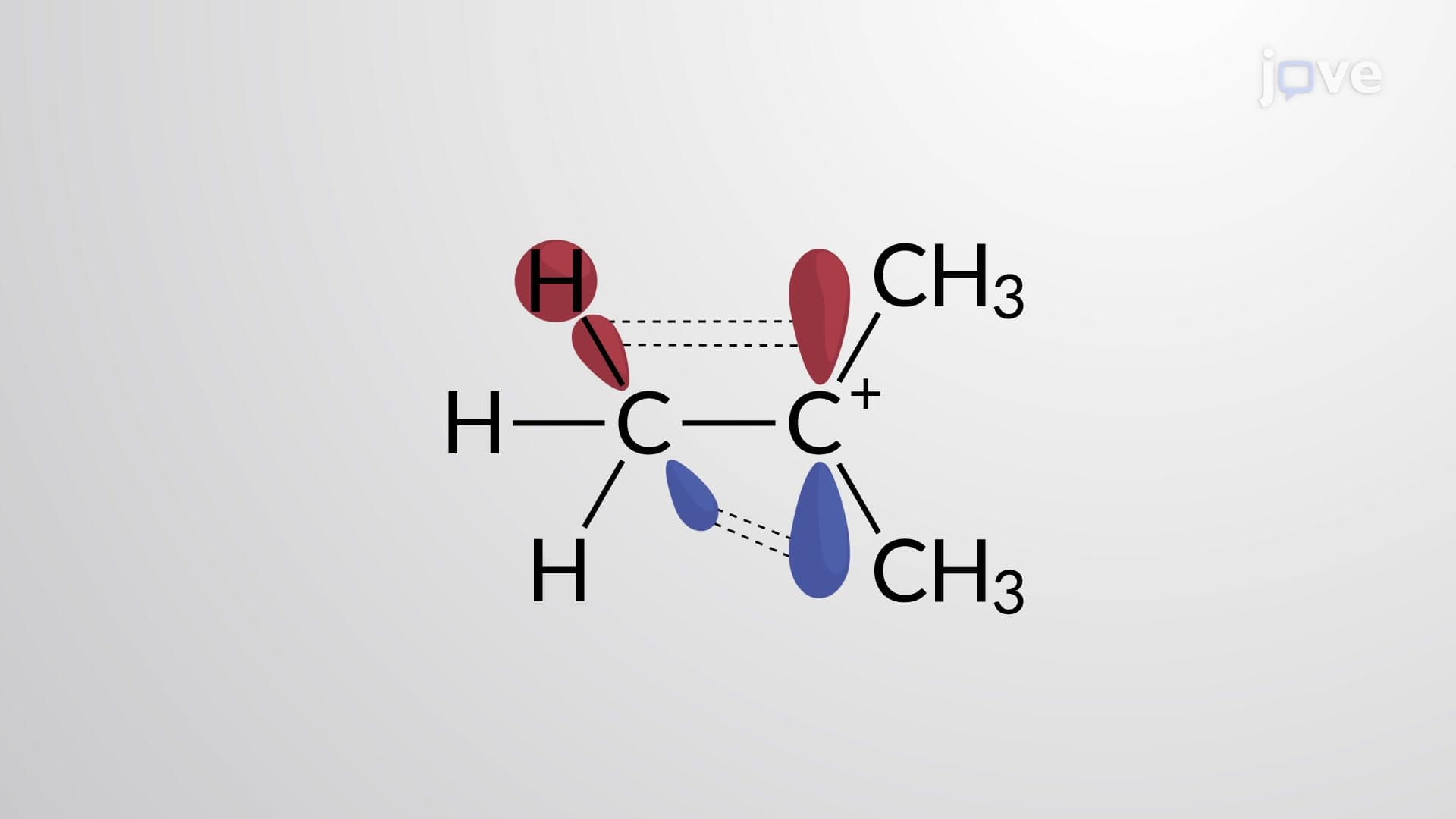
Tertiary alkyl halides exclusively undergo Sn1 reactions due to severe steric hindrance that blocks nucleophilic approach. The resulting tertiary carbocation gains exceptional stability through hyperconjugation-overlapping of adjacent C-H bonds with the empty p-orbital. This stabilization explains why tert-butyl bromide readily forms products in polar protic solvents, even with weak nucleophiles like water.
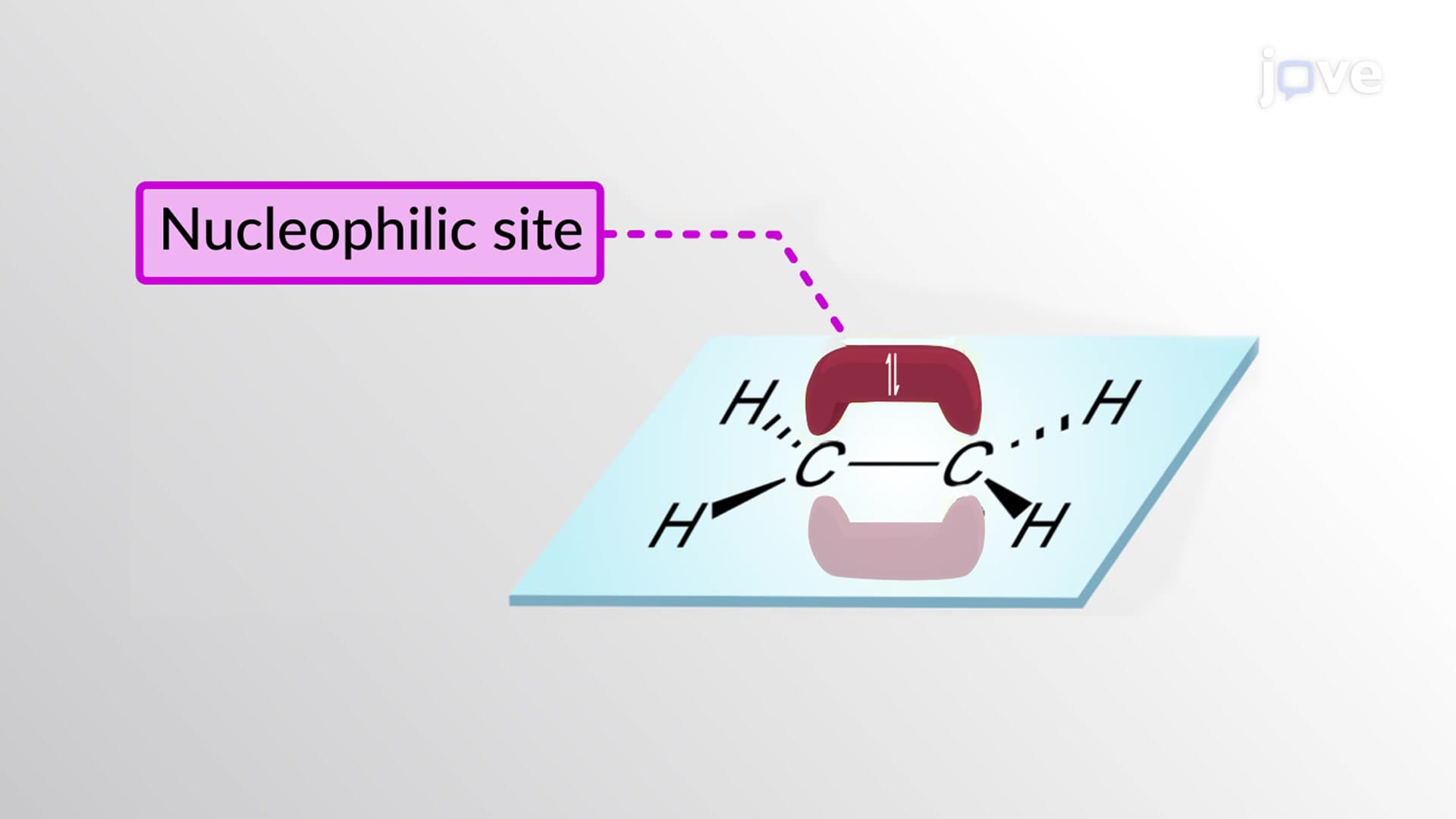
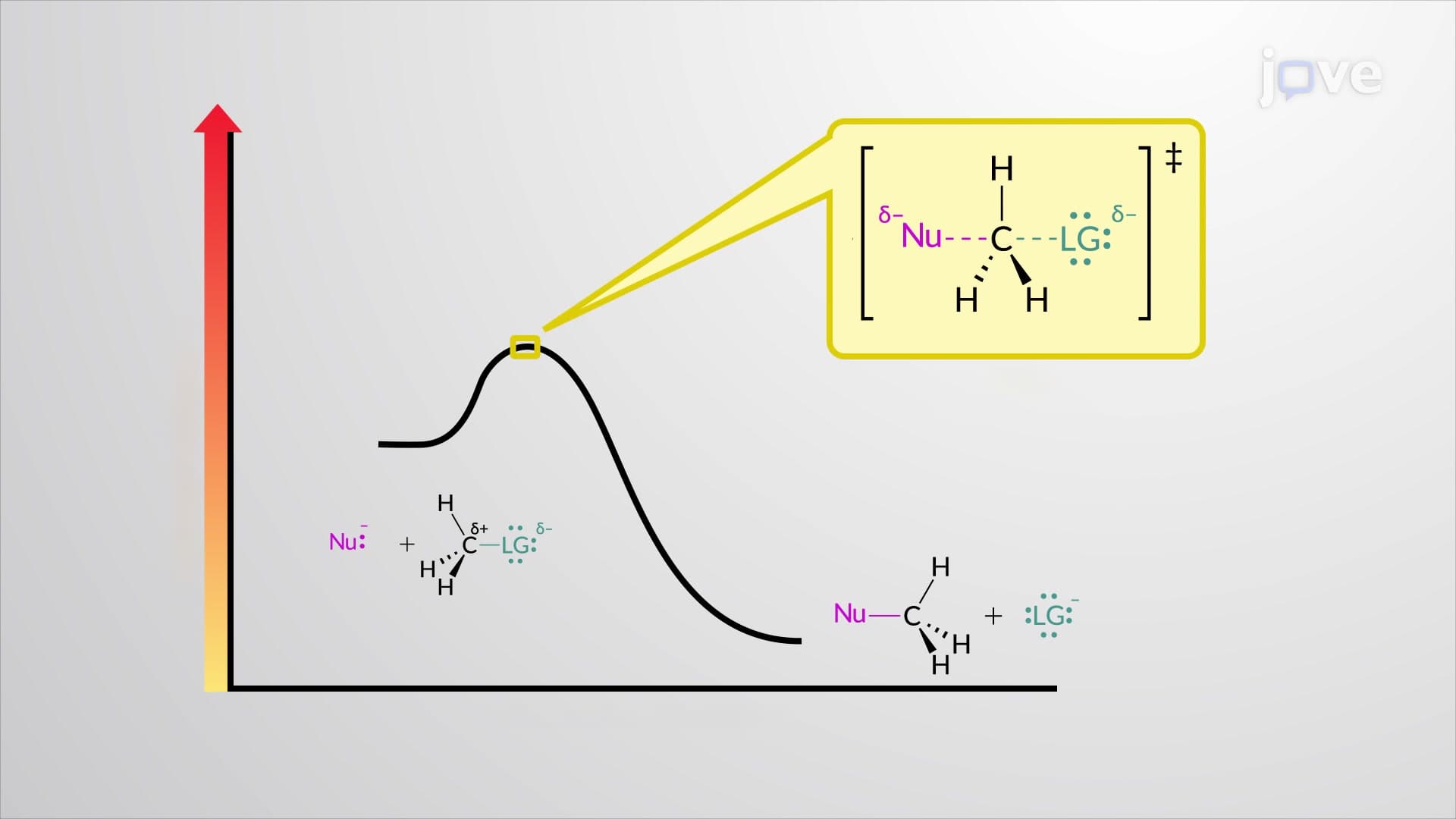
Strong nucleophiles like hydroxide ion or cyanide accelerate Sn2 reactions by providing high electron density for bond formation. These species appear in the rate law (Rate = k[RX][Nu-]), making their concentration directly proportional to reaction speed. Conversely, Sn1 reactions proceed through rate-determining ionization, rendering nucleophile strength irrelevant to the kinetics.
This distinction proves vital for MCAT preparation, where students must recognize that weak nucleophiles like alcohols or water can effectively participate in Sn1 reactions but poorly promote Sn2 pathways. Industrial applications, such as the synthesis of ethyl acetate from ethyl bromide, rely on strong alkoxide nucleophiles to ensure efficient Sn2 displacement.
Polar aprotic solvents like dimethyl sulfoxide (DMSO) or acetone enhance Sn2 reactions by destabilizing nucleophiles, increasing their reactivity. These solvents lack hydrogen bonding capability, preventing nucleophile solvation that would impede substrate approach.
Polar protic solvents such as water or alcohols favor Sn1 mechanisms by stabilizing the carbocation intermediate and departing halide through ion-dipole interactions. The pharmaceutical industry exploits this principle when synthesizing compounds requiring carbocation rearrangements, as seen in steroid hormone production where tertiary alcohols form through Sn1-like processes.
Related Micro-courses