Loading video…


 20 Concepts
 256.6K views

Video Summary: Predicting Products Substitution Vs Elimination Explained
Ever wonder why pharmaceutical companies must predict exactly which molecular pathways their drug candidates will follow? Predicting products substitution elimination reactions determines whether a nucleophile will replace an atom or remove it entirely-a crucial decision that affects everything from aspirin synthesis to petrochemical production. For instance, when Pfizer manufactures medications, chemists must predict whether their reagents will undergo substitution (creating the desired drug structure) or elimination (forming unwanted byproducts). Understanding Predicting Products Substitution VS Elimination Explained helps chemists control these competing pathways through careful manipulation of temperature, solvent choice, and reagent selection. Watch the full video on JoVE Coach to master this concept with expert-led visuals and step-by-step explanations.
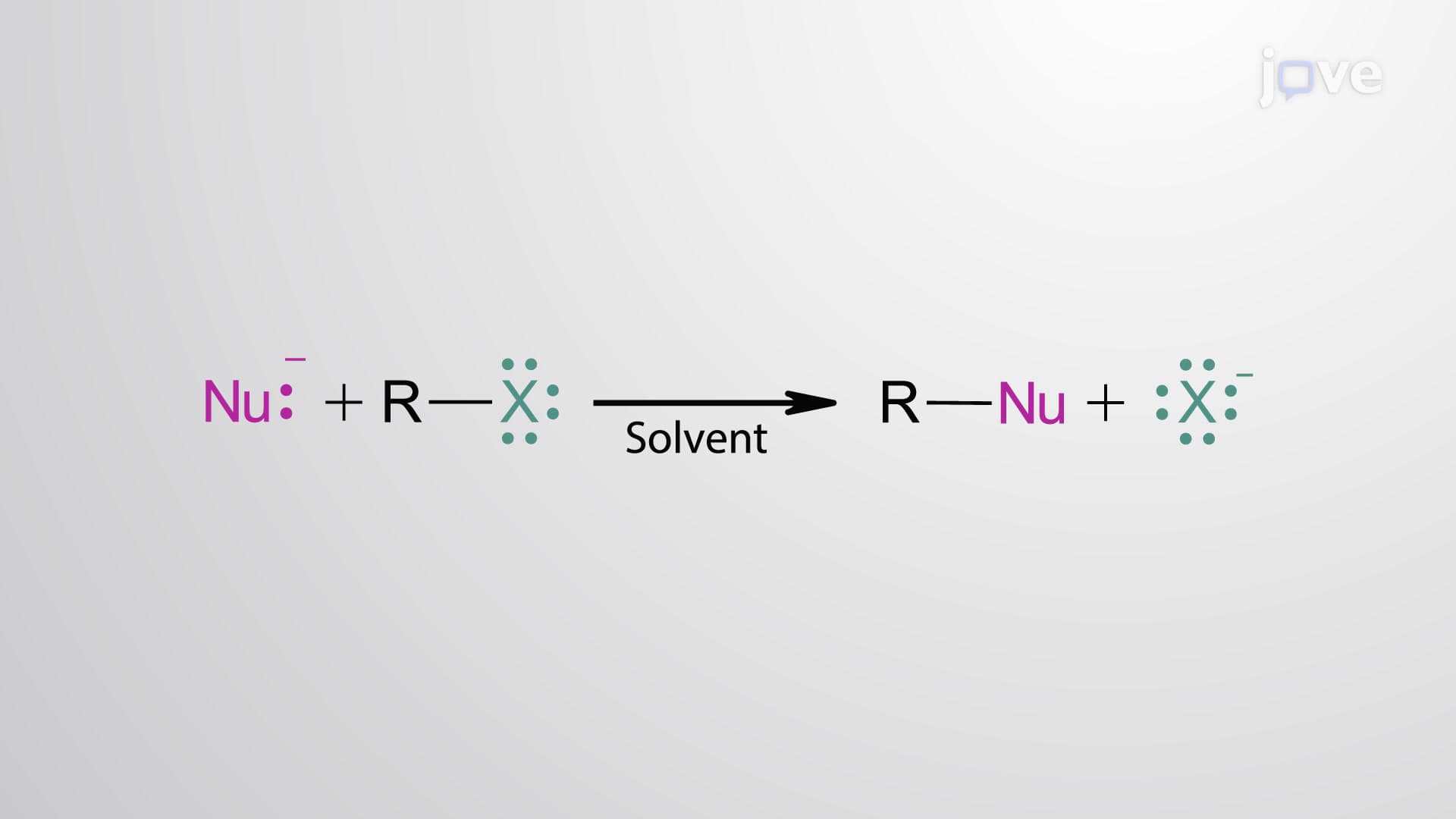
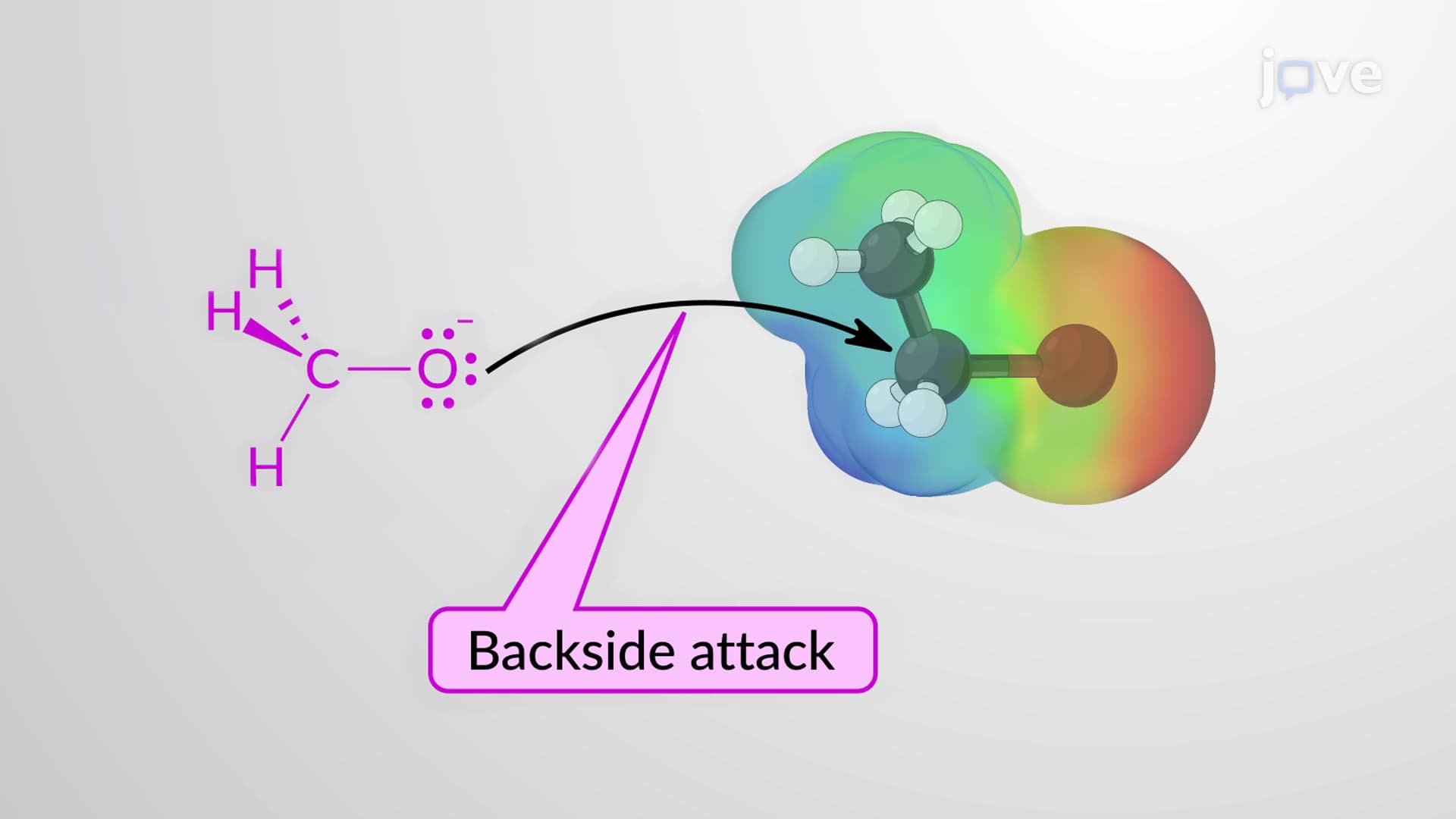
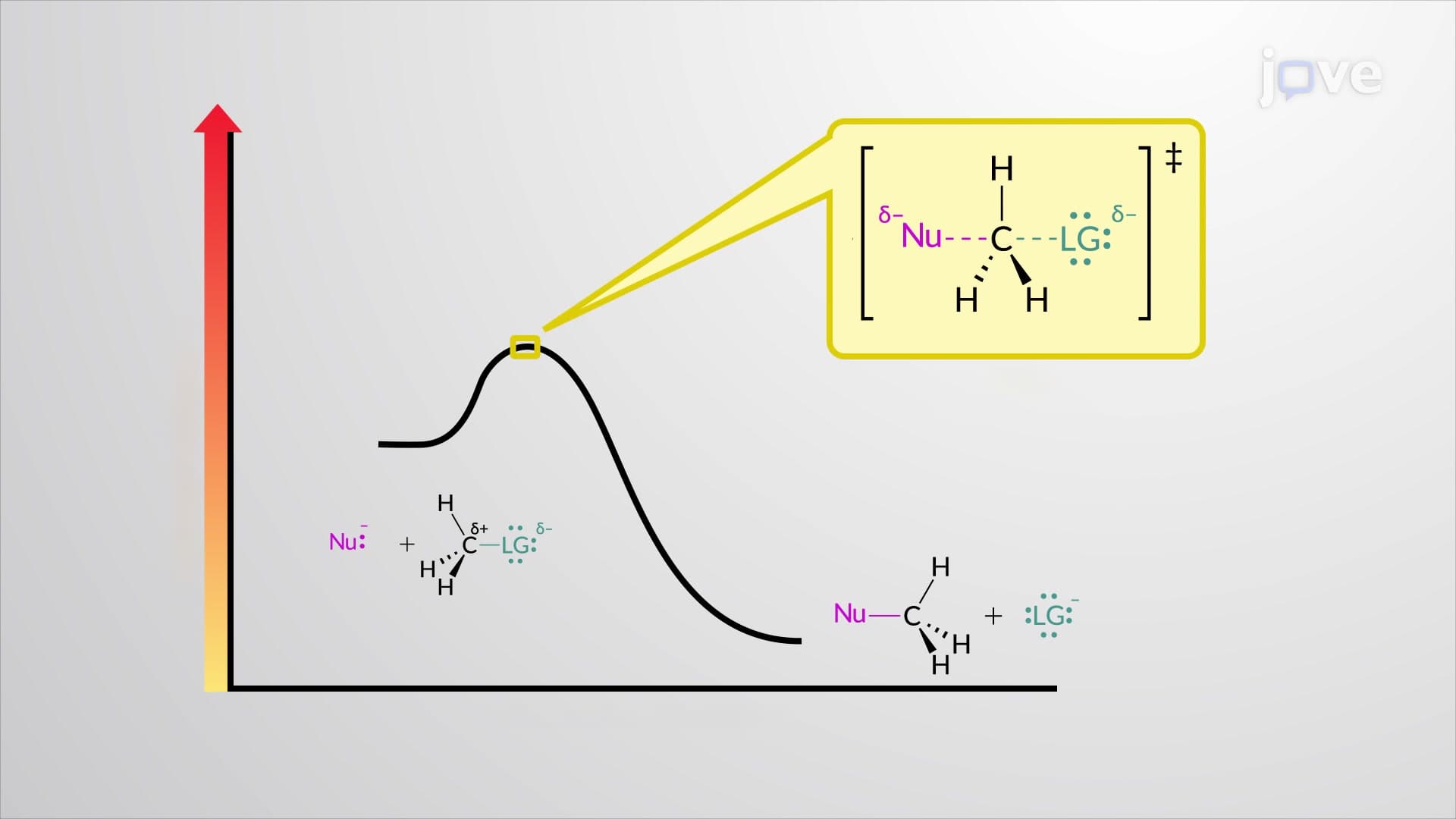
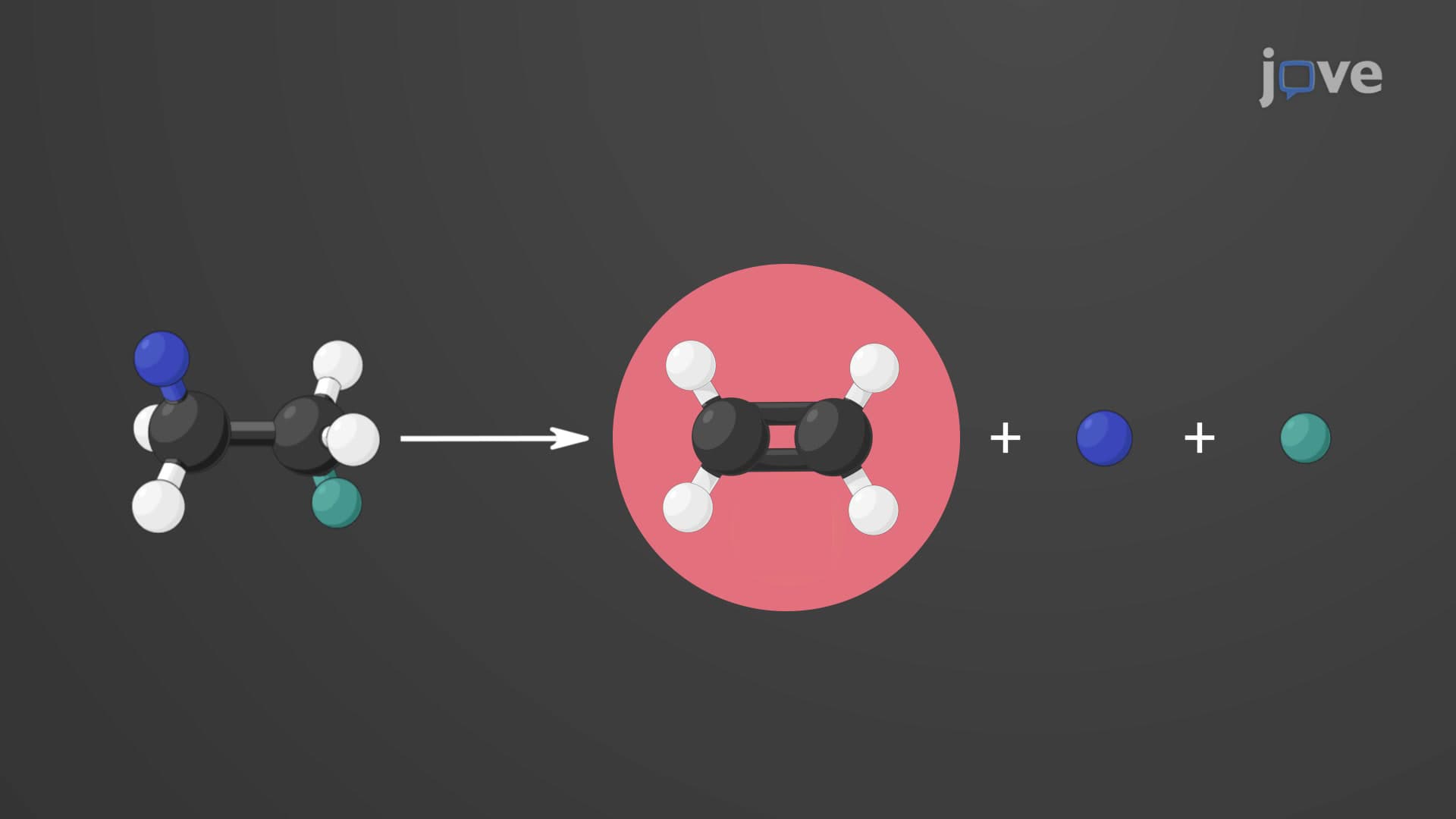
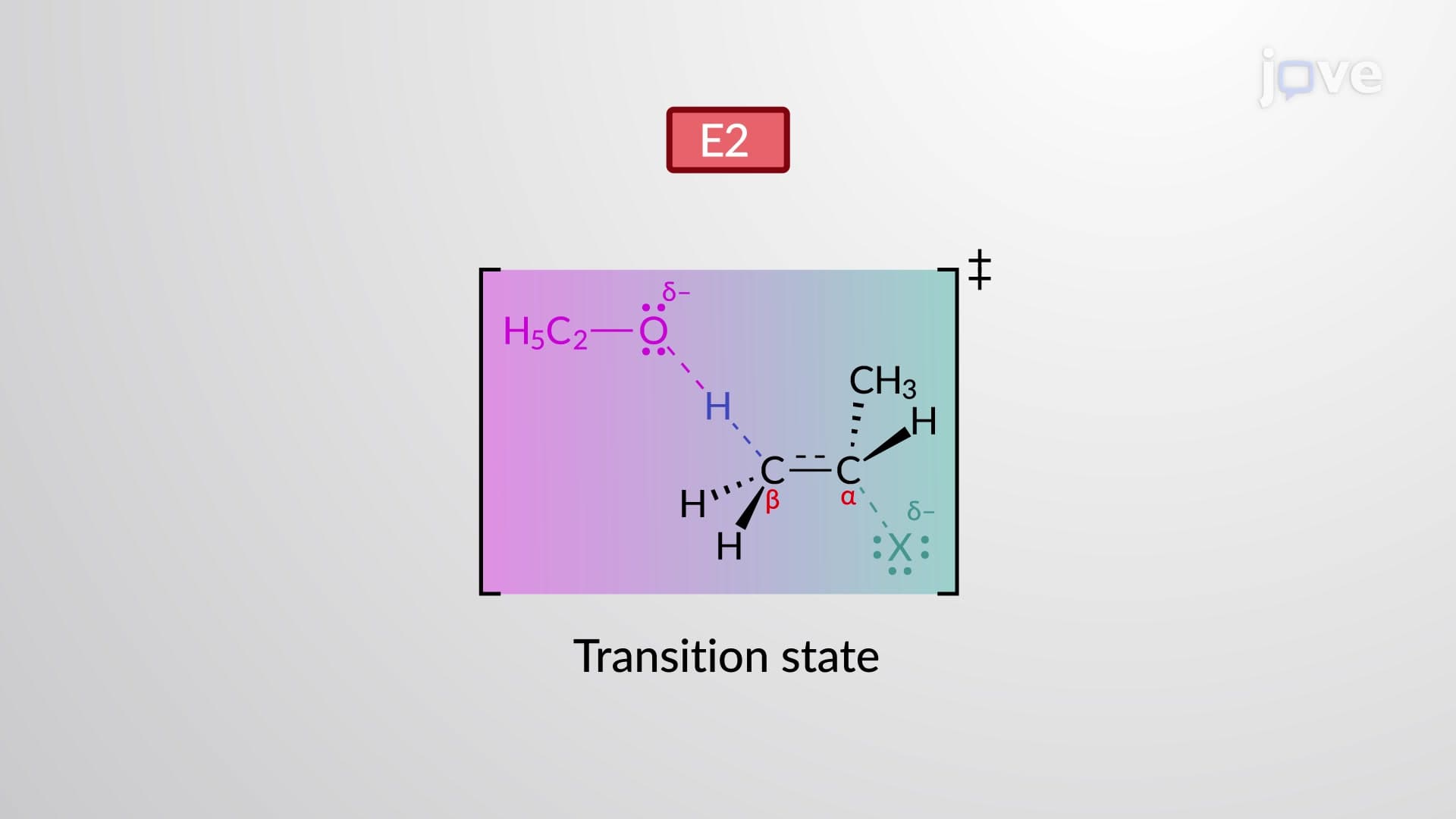
The competition between substitution and elimination represents one of organic chemistry's most fundamental challenges. When nucleophiles encounter alkyl halides, they face a molecular crossroads: attack the electrophilic carbon (substitution) or abstract a neighboring hydrogen (elimination). This decision point determines whether chemists obtain their desired products or frustrating mixtures requiring expensive separation.
Primary alkyl halides strongly favor bimolecular mechanisms (SN2 and E2) due to their minimal steric hindrance. Think of primary halides as easily accessible parking spaces-nucleophiles can approach the carbon center without obstruction, making SN2 substitution highly favorable. However, strong, bulky bases like tert-butoxide preferentially abstract hydrogen atoms, promoting E2 elimination instead.
Secondary halides present more complex behavior. Increased branching creates moderate steric hindrance, making the carbon less accessible for SN2 attack. Consequently, strong bases favor E2 elimination, while weaker nucleophiles can still achieve SN2 substitution under appropriate conditions. This balance explains why secondary substrates often produce product mixtures-a common challenge students encounter on AP Chemistry exams and MCAT practice tests.
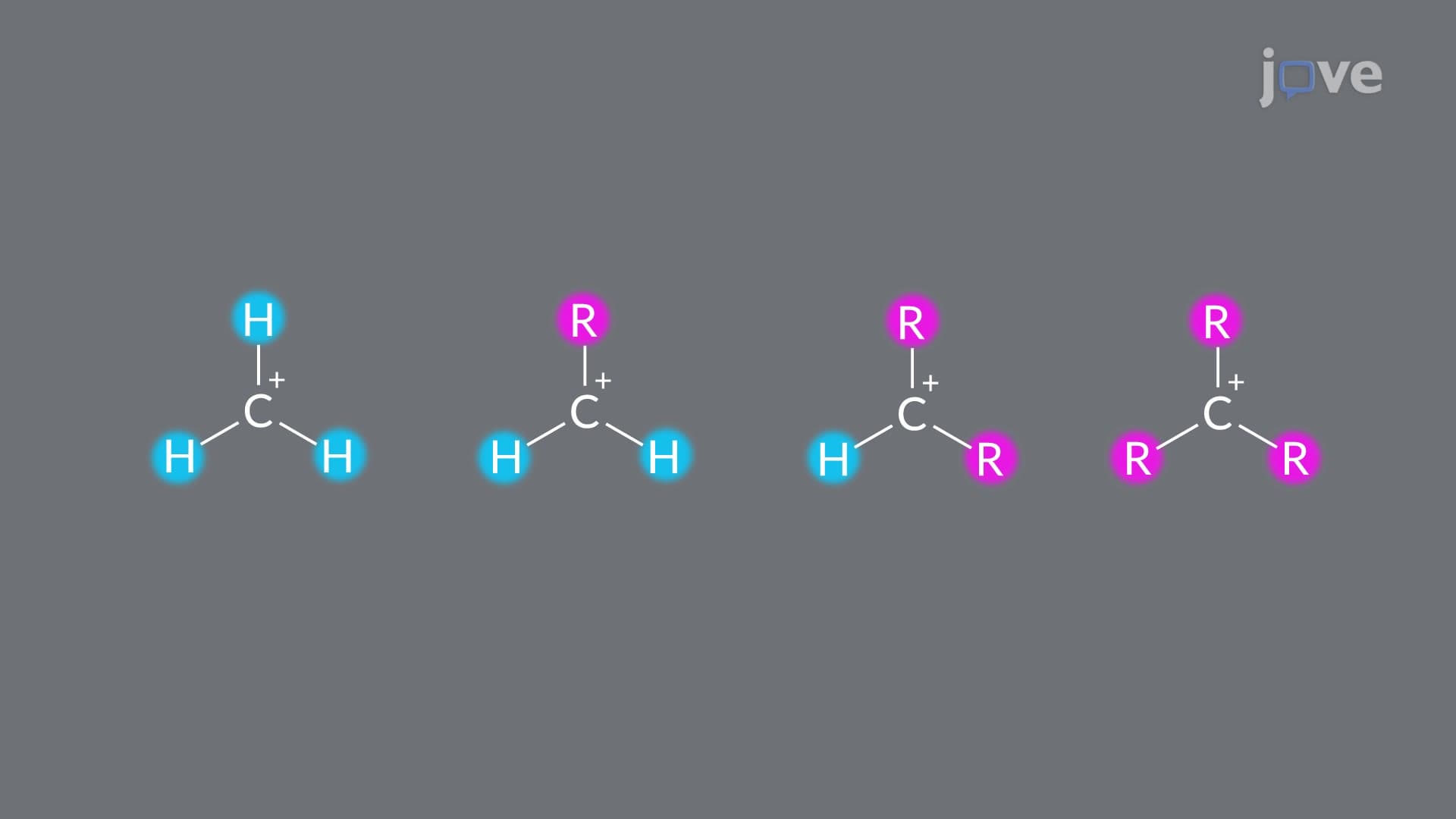
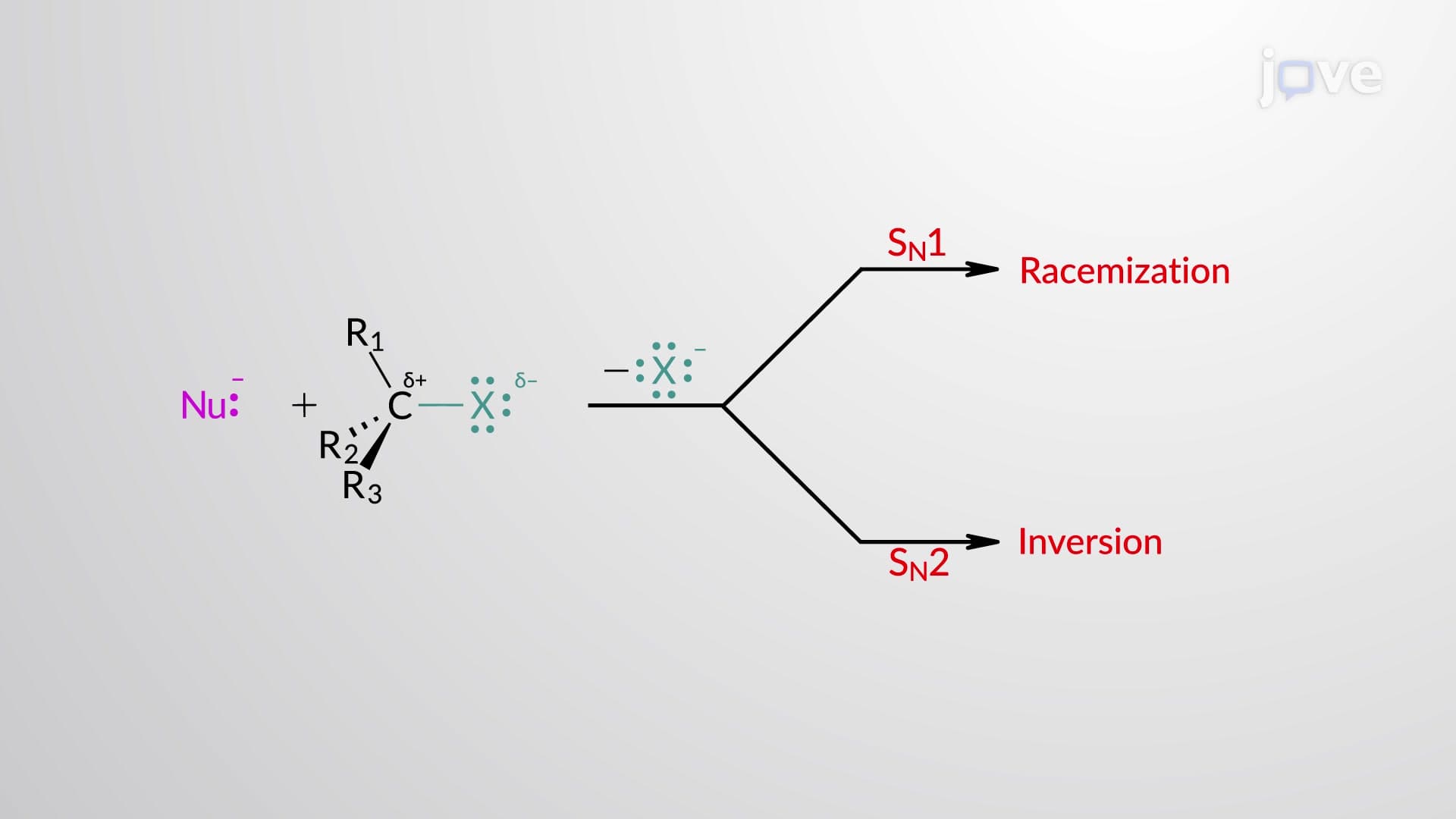
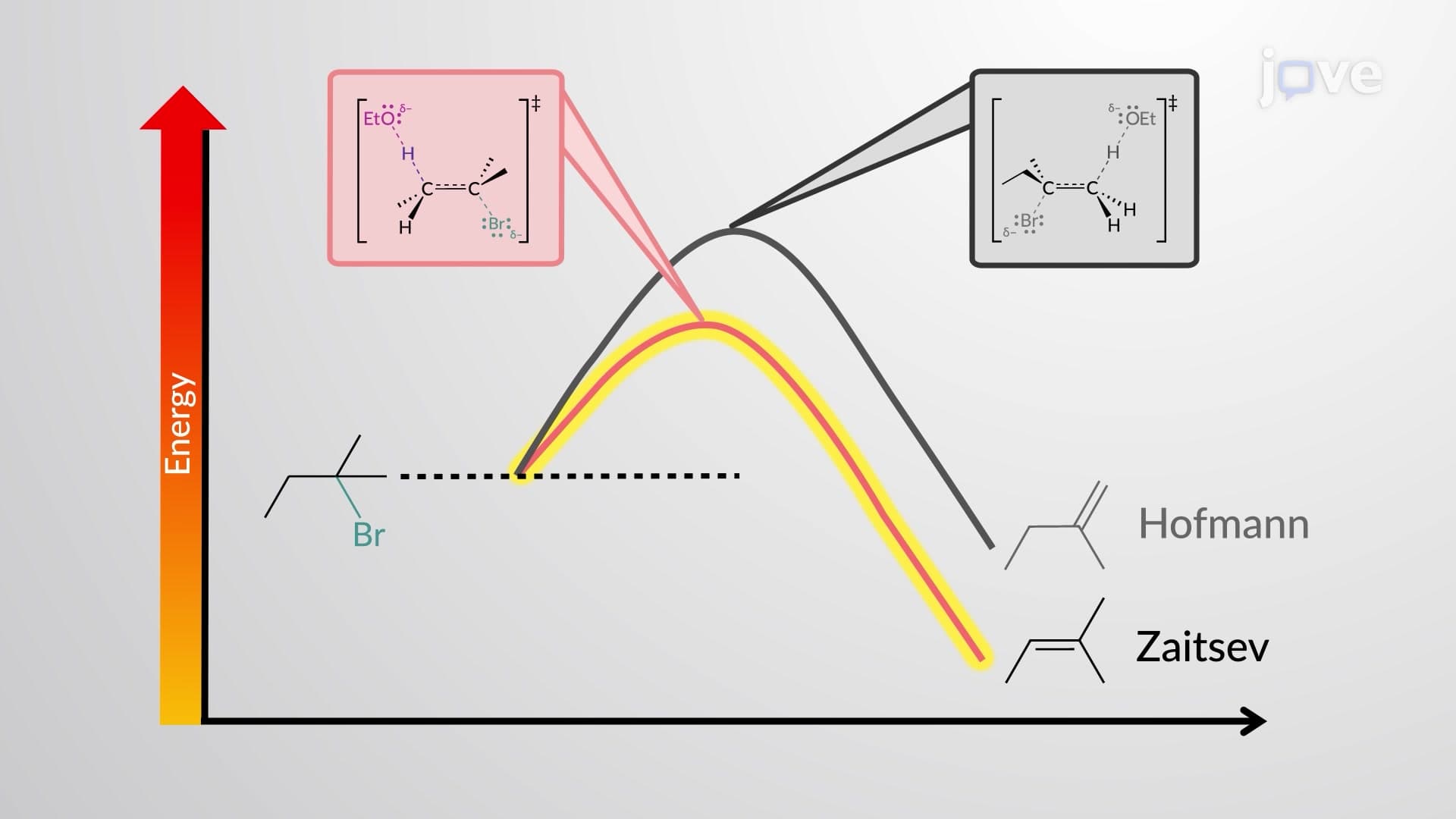
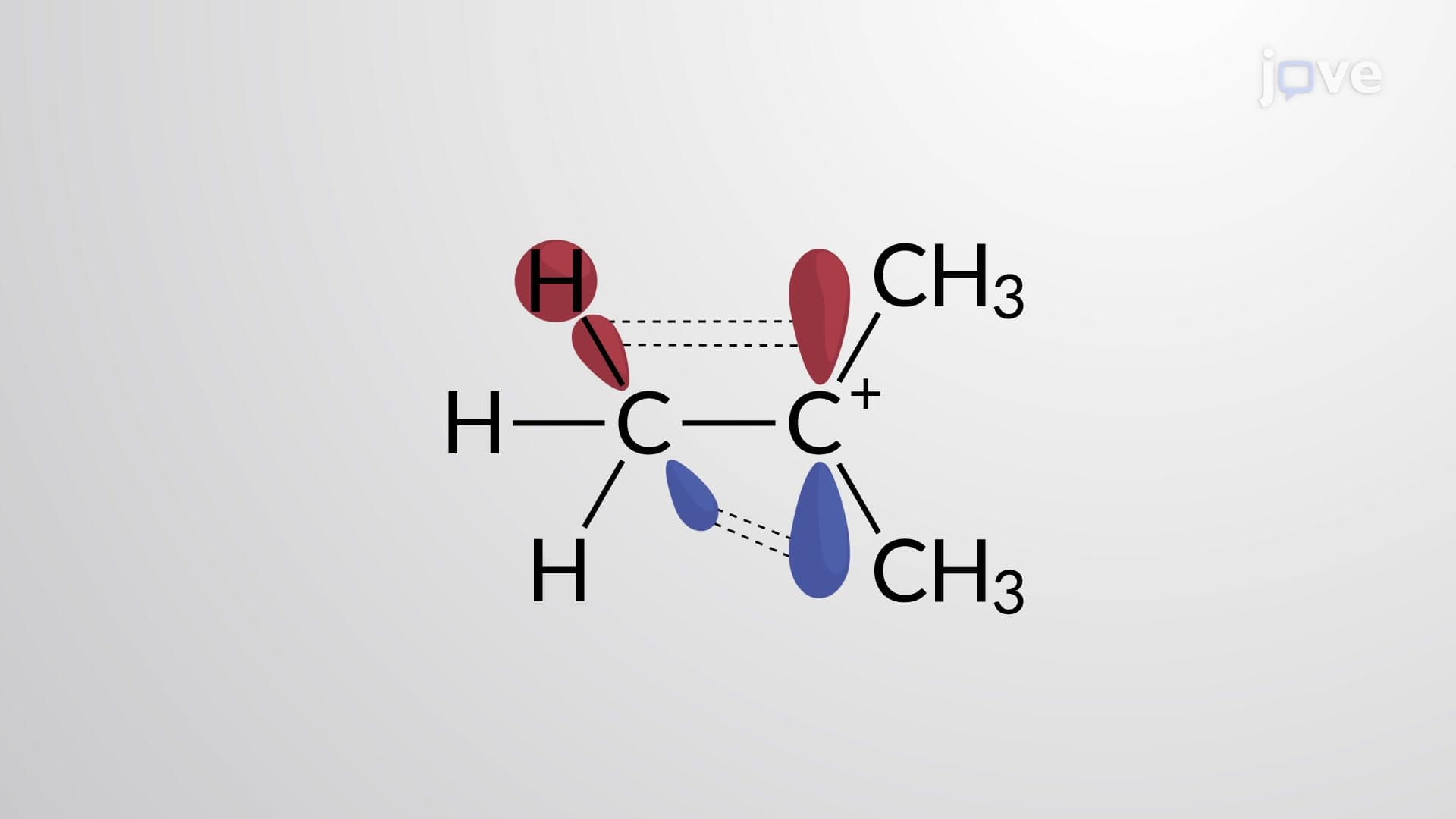
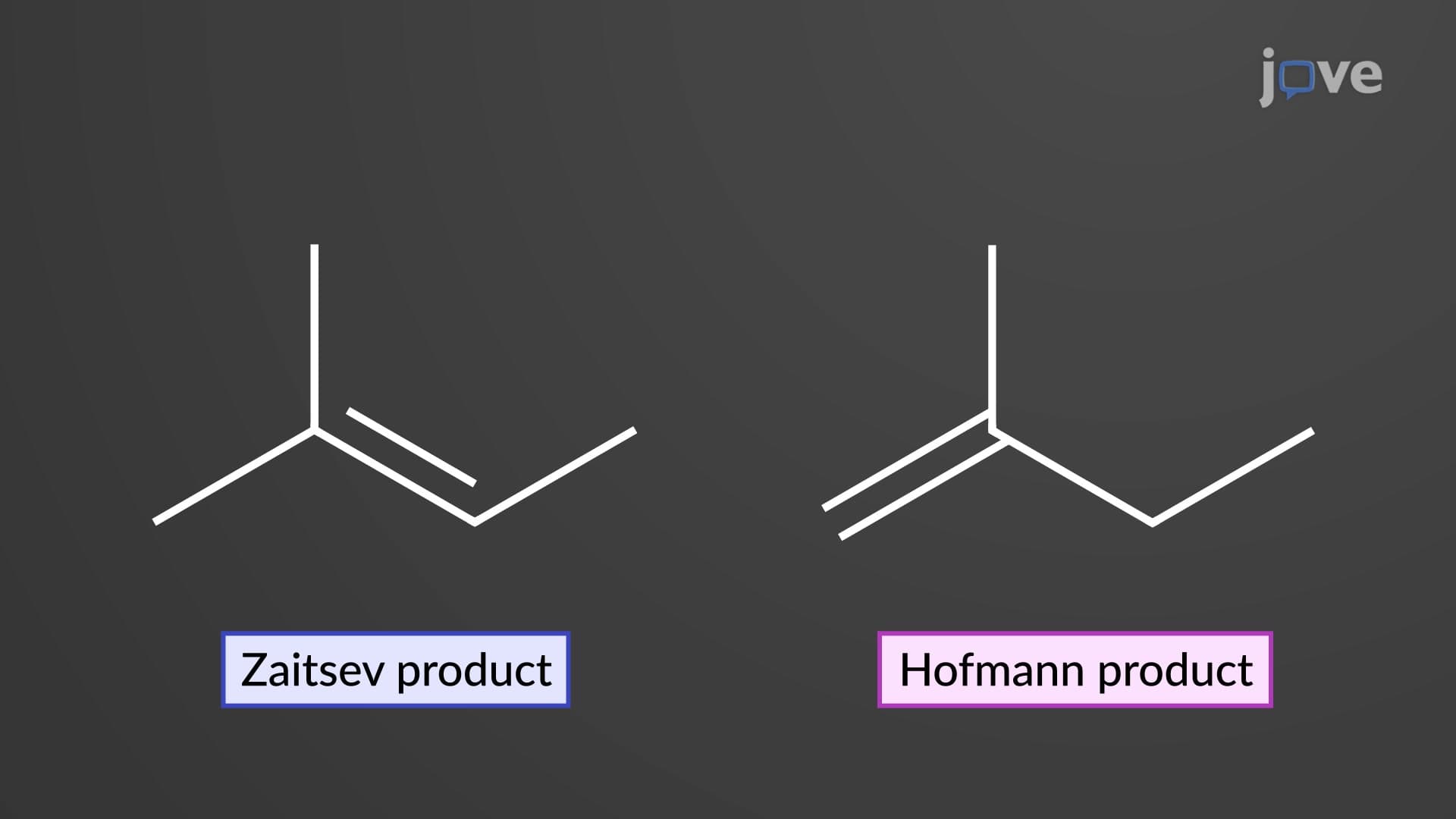
Tertiary halides virtually eliminate SN2 possibilities due to severe steric crowding. Instead, they favor unimolecular mechanisms (SN1 and E1) or E2 elimination with strong bases. The stability of tertiary carbocations makes both SN1 and E1 mechanistically viable, with temperature often determining the winner.
Temperature elevation universally favors elimination over substitution, following entropy principles-elimination creates more molecules from fewer reactants. Pharmaceutical companies exploit this temperature dependence when synthesizing complex molecules. For example, Merck's manufacturing processes carefully control reaction temperatures to maximize desired substitution products while minimizing elimination byproducts.
Solvent selection provides another powerful control mechanism. Polar protic solvents stabilize carbocations, promoting SN1 and E1 pathways, while polar aprotic solvents enhance nucleophile reactivity, favoring SN2 mechanisms. Industrial chemists routinely adjust solvent systems to optimize product distributions.
College organic chemistry courses emphasize systematic prediction approaches: identify substrate type, assess nucleophile properties, consider environmental conditions, then predict major and minor products. This methodology proves invaluable for students tackling challenging problems on university midterms and standardized tests like the MCAT, where mechanistic understanding often distinguishes high-performing candidates.
Related Micro-courses