Loading video…


 20 Concepts
 256.6K views

Video Summary: What are Alkyl Halides
Ever wondered why dry cleaning works so effectively? Alkyl halides are the secret behind many industrial solvents, including perchloroethylene used in US dry cleaning facilities. These organic compounds consist of carbon chains bonded to halogen atoms (fluorine, chlorine, bromine, or iodine), making them incredibly versatile building blocks in chemistry. From pharmaceutical manufacturing to pesticide production, alkyl halides play crucial roles in creating everyday products Americans rely on. Watch the full video on JoVE Coach to master this concept with expert-led visuals and step-by-step explanations.
Alkyl halides, also known as haloalkanes, represent a fundamental class of organic compounds that bridge basic hydrocarbon chemistry with more complex synthetic pathways. These molecules consist of an alkyl group (carbon chain) covalently bonded to a halogen atom-fluorine, chlorine, bromine, or iodine-attached to an sp³ hybridized carbon atom.
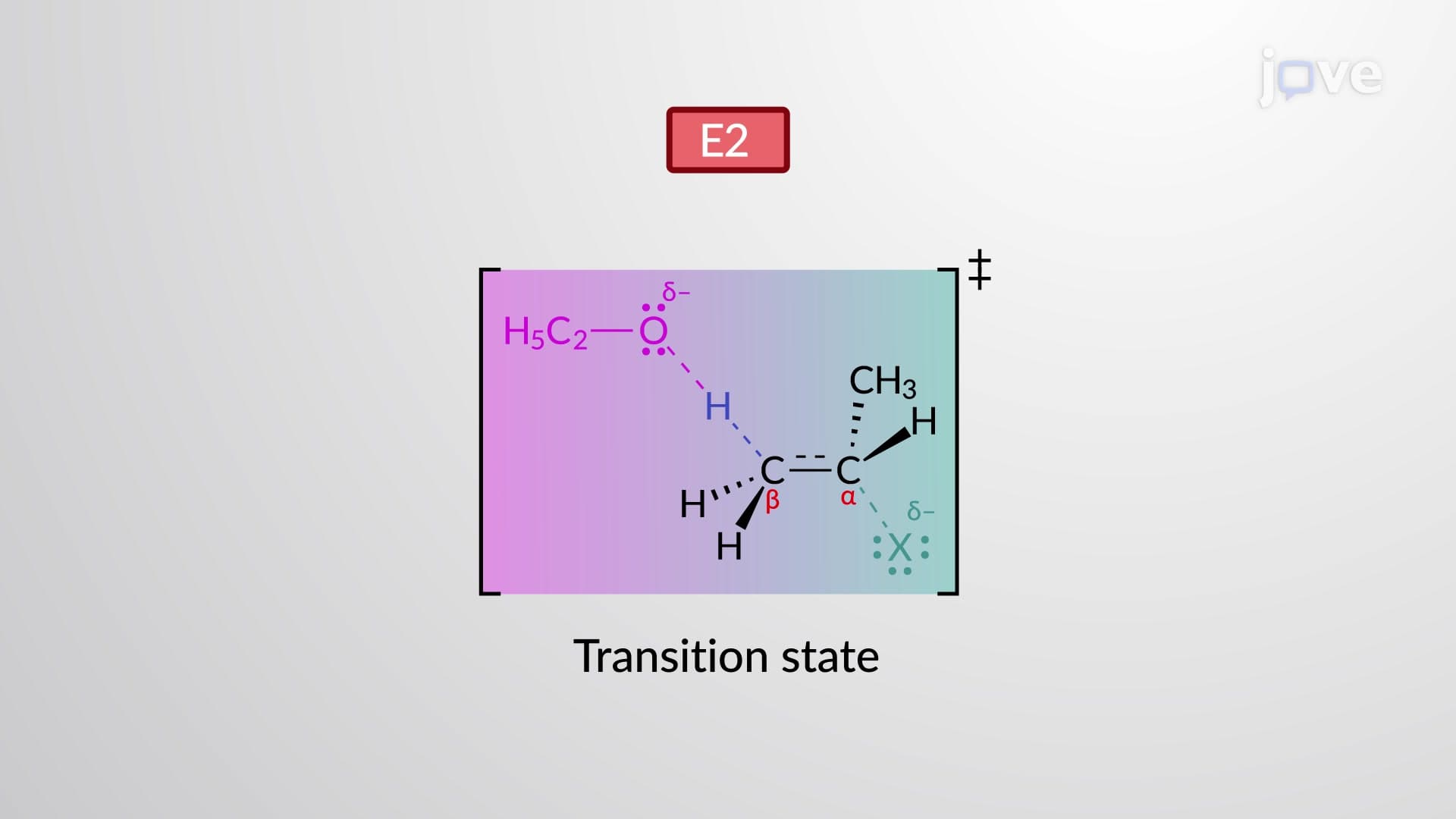
The structural framework of alkyl halides follows a clear hierarchical system. The carbon directly bonded to the halogen is designated the alpha carbon, while adjacent carbons are labeled beta, gamma, and so forth. This classification system proves essential for predicting reaction mechanisms and outcomes, particularly in advanced organic chemistry courses and standardized exams like the MCAT.
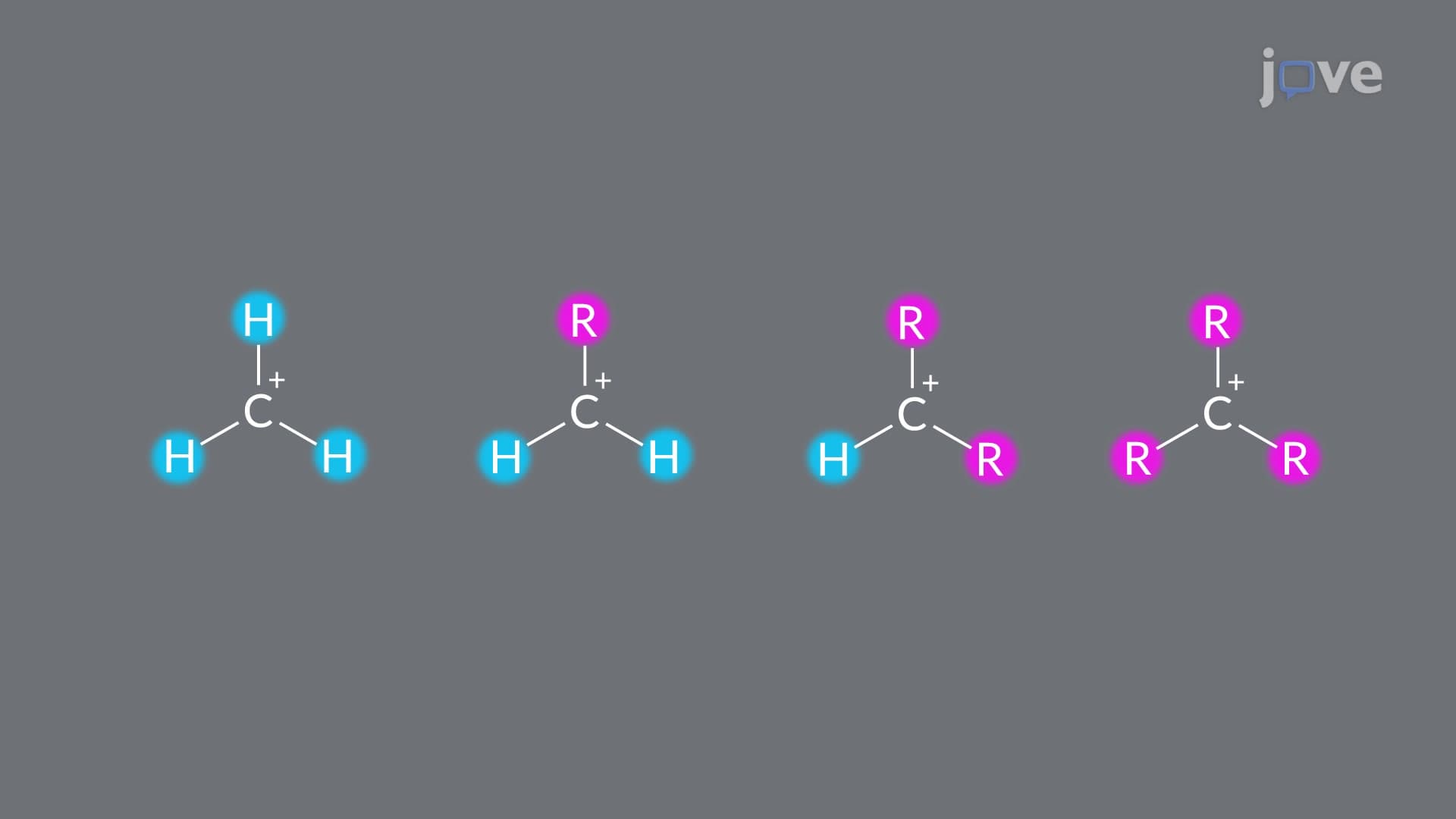
Alkyl halides are categorized as primary (1°), secondary (2°), or tertiary (3°) based on the number of carbon groups attached to the alpha carbon. Primary alkyl halides have the halogen bonded to a carbon with one other carbon attachment, while secondary have two, and tertiary have three. This classification directly impacts reactivity patterns-a concept frequently tested on AP Chemistry exams and college organic chemistry midterms.
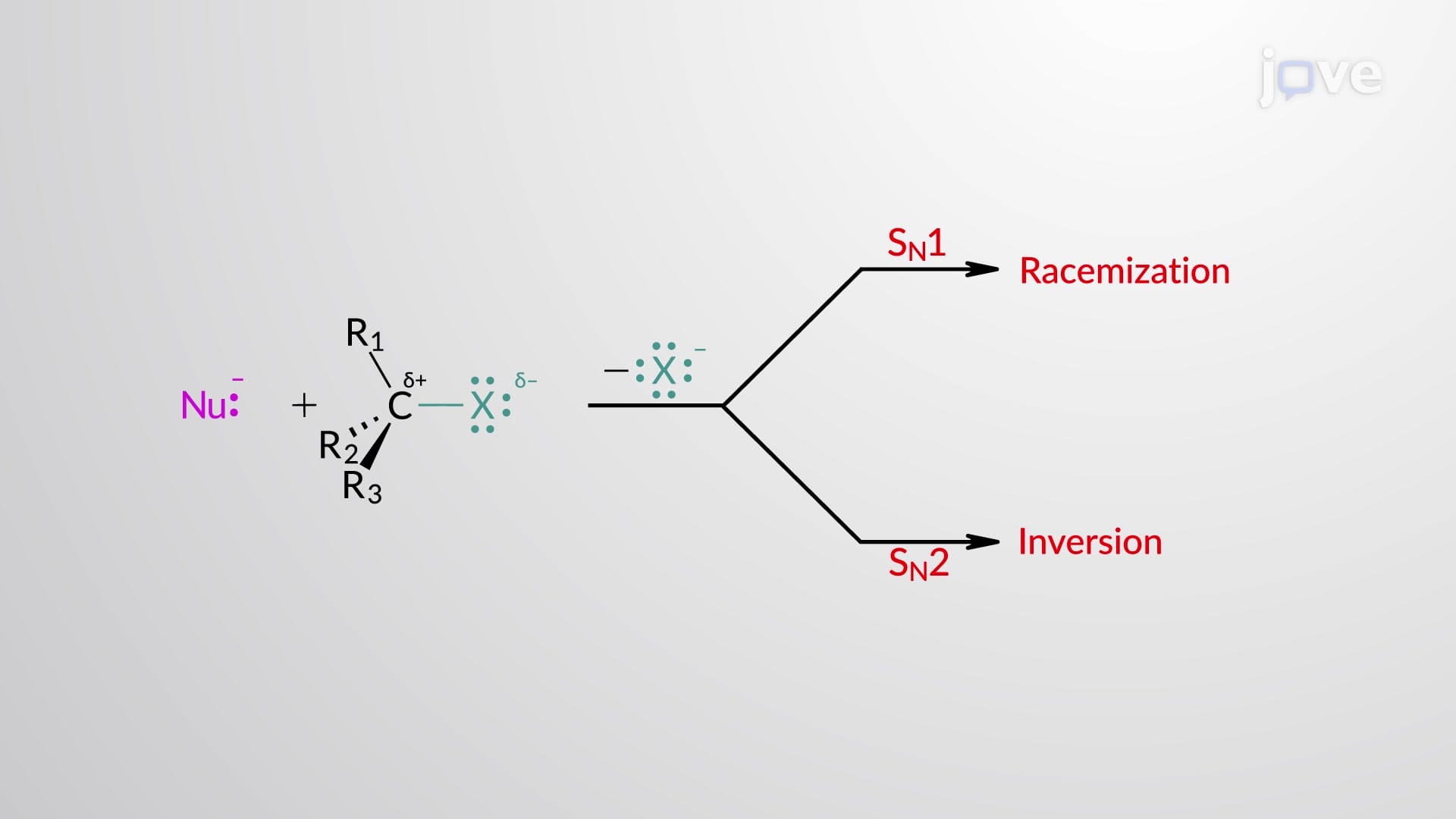
For example, tert-butyl chloride (a tertiary alkyl halide) reacts via different mechanisms than methyl chloride (primary), affecting reaction rates and product distributions in laboratory syntheses commonly performed in undergraduate chemistry courses across US universities.
Proper nomenclature follows systematic IUPAC rules that students encounter throughout their chemistry education. Halogens function as substituents, receiving prefixes fluoro-, chloro-, bromo-, and iodo-. The naming process involves identifying the longest carbon chain, locating substituents, assigning the lowest possible locant numbers, and arranging substituents alphabetically.
This systematic approach appears consistently on standardized exams, from high school chemistry quizzes to MCAT organic chemistry sections, where students must demonstrate mastery of naming complex polyfunctional molecules.
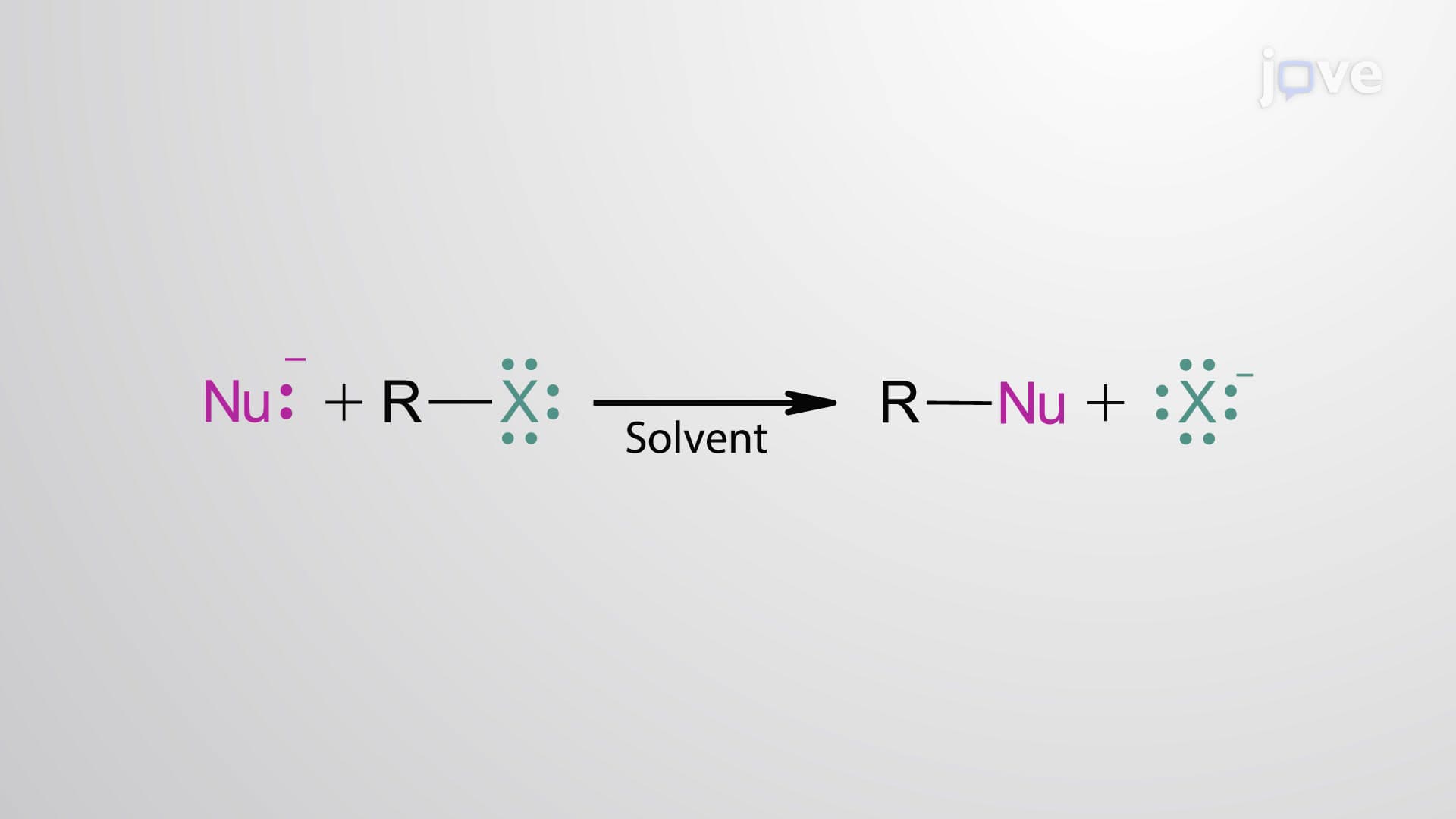
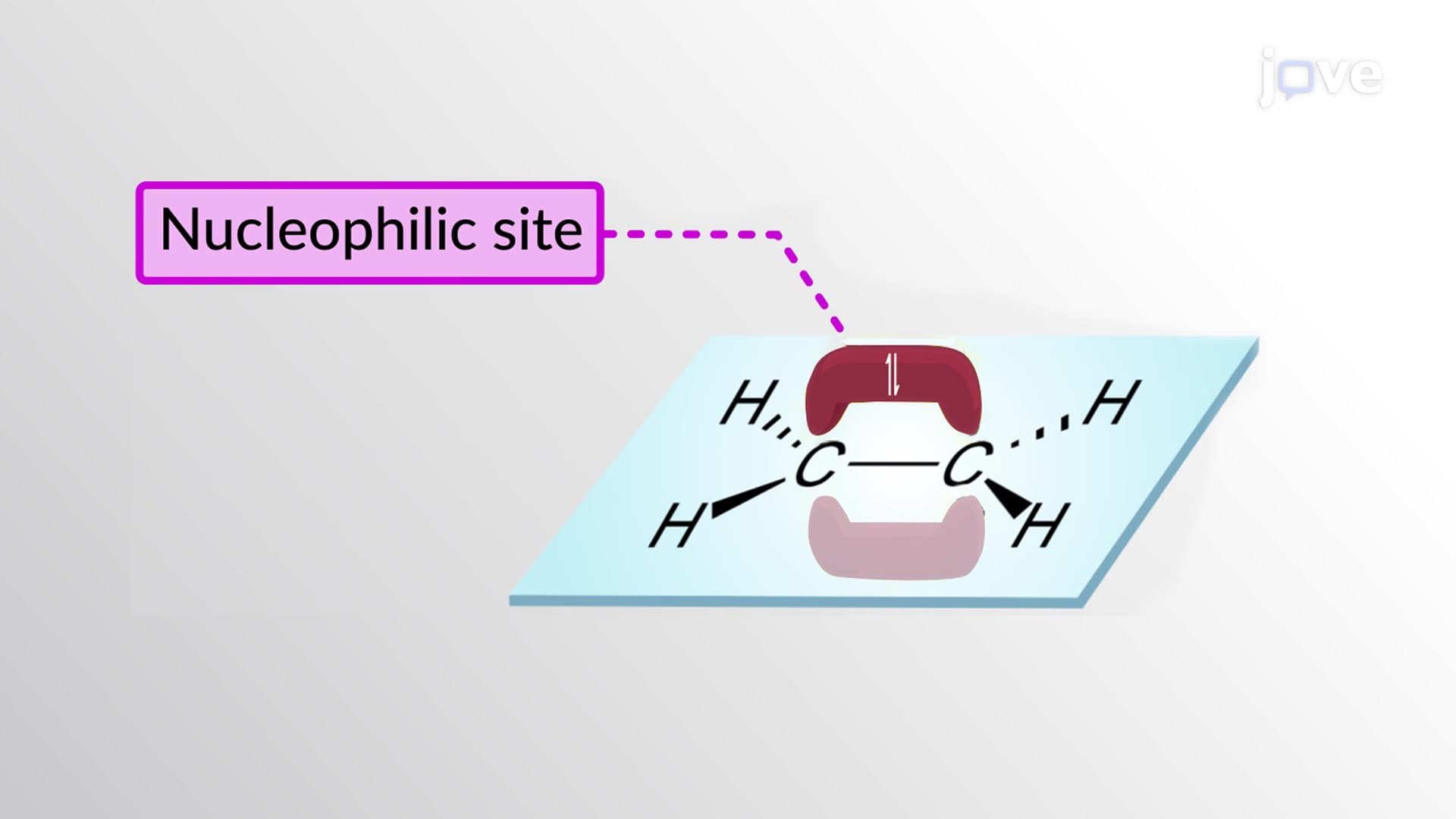
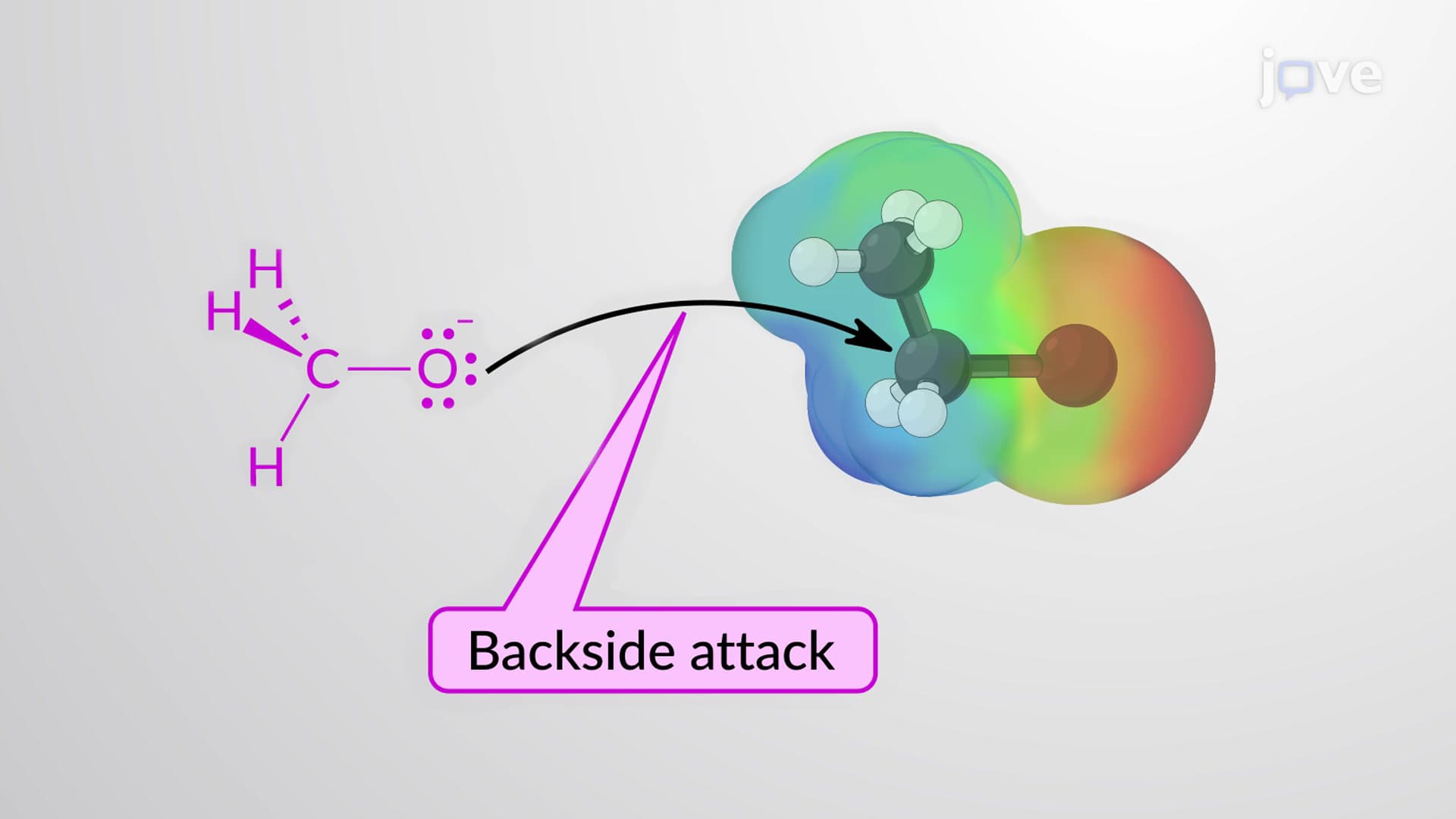
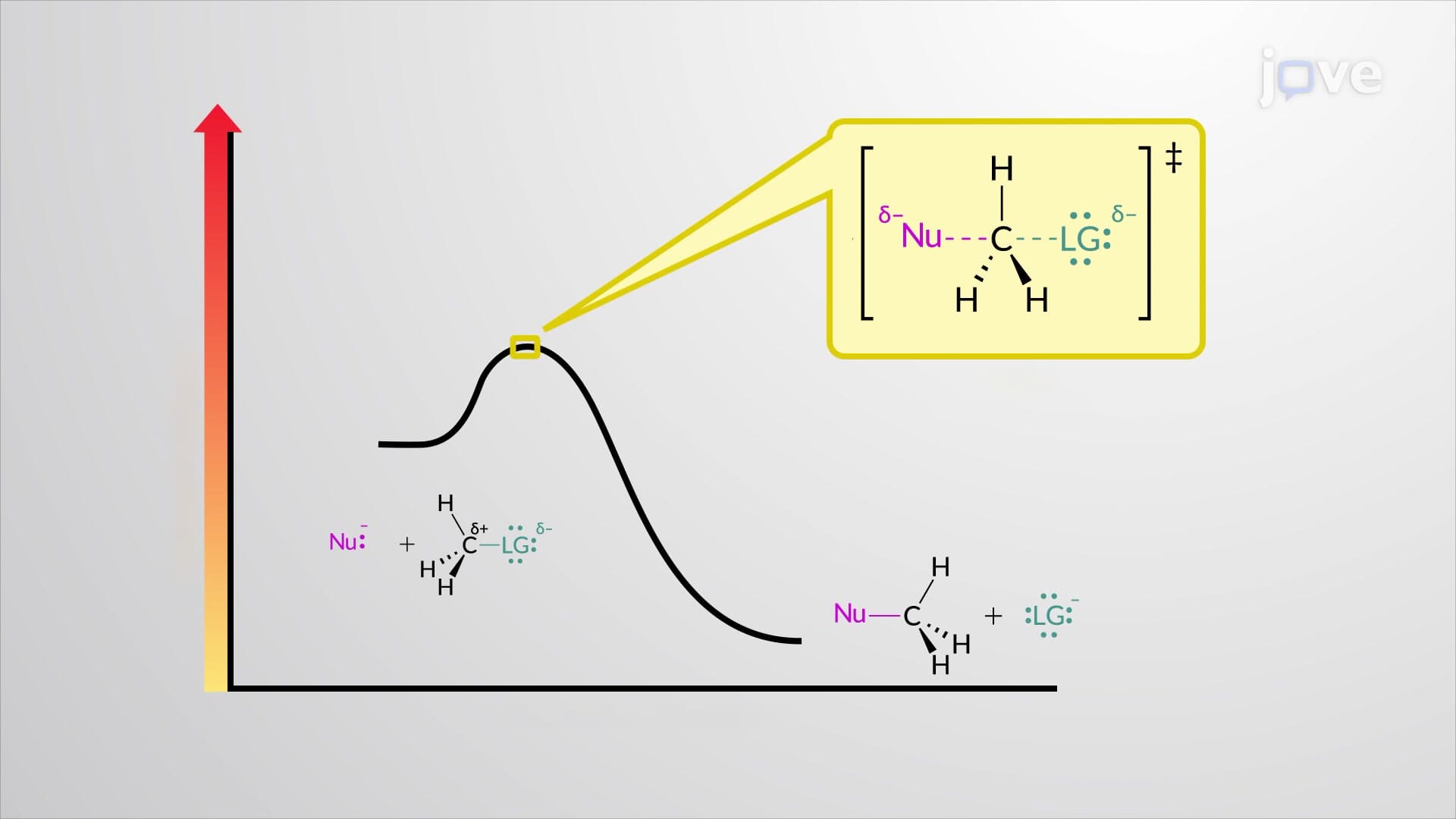
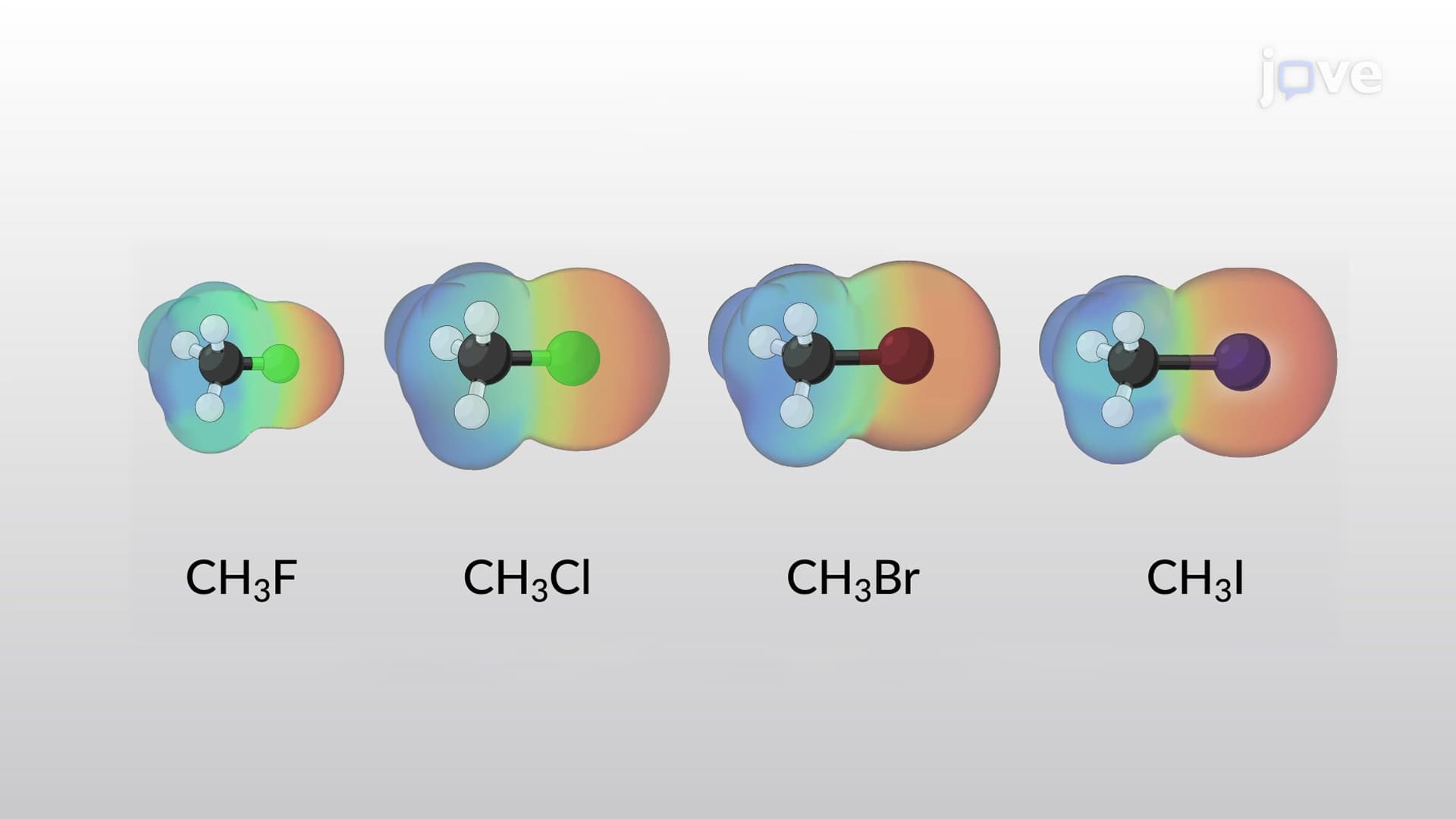
The unique reactivity of alkyl halides stems from the electronegativity difference between carbon and halogens. This polarity creates an electrophilic carbon center susceptible to nucleophilic attack-a fundamental concept underlying numerous synthetic transformations taught in organic chemistry sequences at institutions like MIT, Stanford, and state university systems.
Halogen leaving group ability follows the trend: iodide > bromide > chloride > fluoride, correlating with conjugate base stability. This principle governs reaction mechanisms essential for pharmaceutical synthesis, where companies like Pfizer and Merck utilize alkyl halide intermediates in drug manufacturing processes.
Understanding these reactivity patterns proves crucial for success in advanced coursework and professional applications, from medicinal chemistry research to environmental remediation projects addressing halogenated pollutants in US groundwater systems.
Related Micro-courses