Loading video…


 20 Concepts
 256.6K views

Video Summary: What are Electrophiles
Ever wonder why certain molecules act like electron magnets in chemical reactions? Electrophiles are electron-seeking species that drive countless reactions, from the pharmaceutical synthesis at Pfizer laboratories to the petrochemical processes at ExxonMobil refineries. These reactive molecules, whether positively charged like carbocations or neutral like boron trifluoride, contain empty orbitals that attract electron-rich nucleophiles, forming the foundation of organic chemistry mechanisms. Watch the full video on JoVE Coach to master this concept with expert-led visuals and step-by-step explanations.
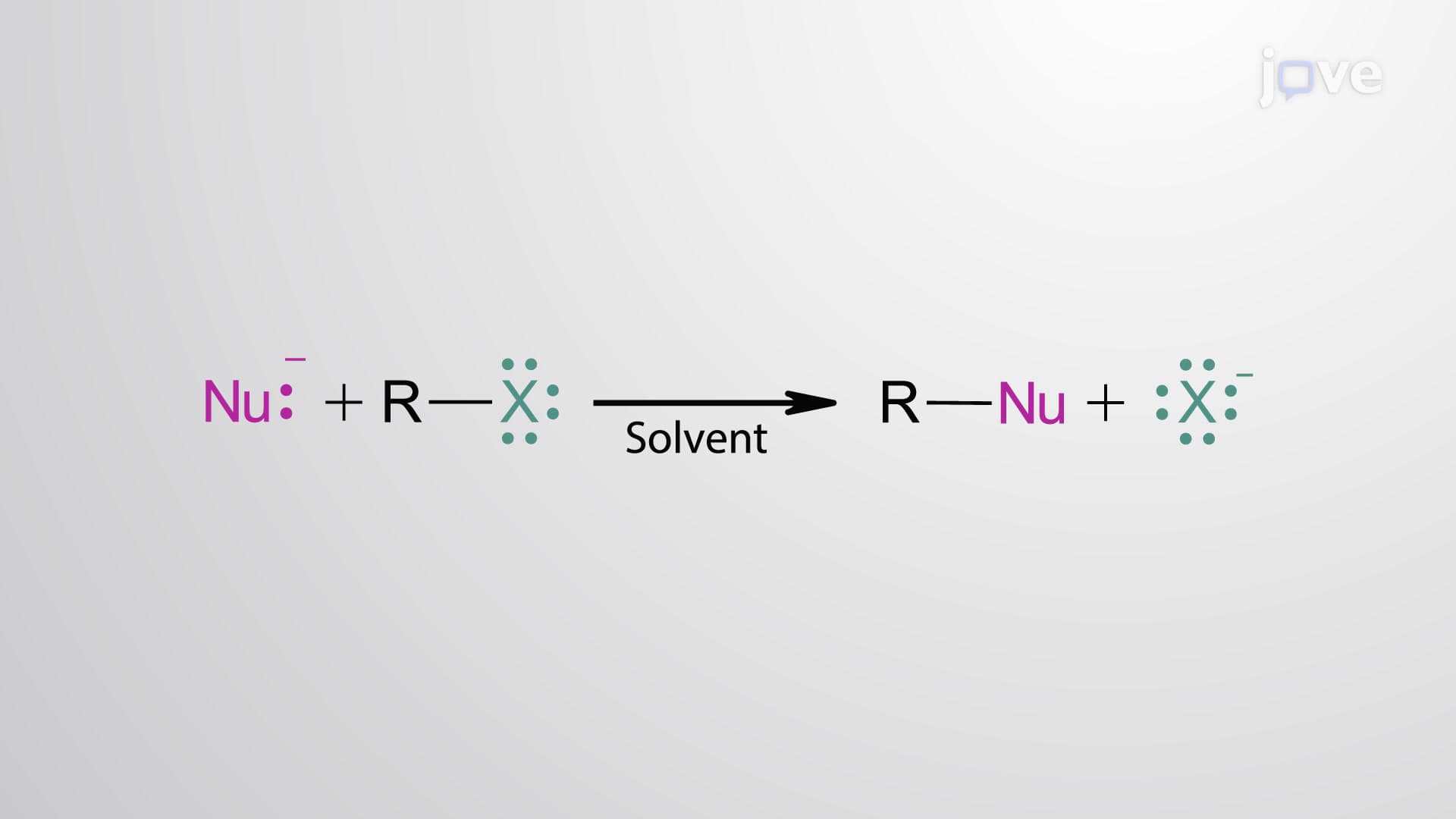
Electrophiles represent one of the most fundamental concepts in organic chemistry, serving as the electron-accepting partners in countless chemical reactions. These species, literally meaning "electron-loving," are characterized by their electron deficiency and their ability to accept electron pairs from nucleophiles. Understanding electrophiles is crucial for success in AP Chemistry, college organic chemistry courses, and professional exams like the MCAT.
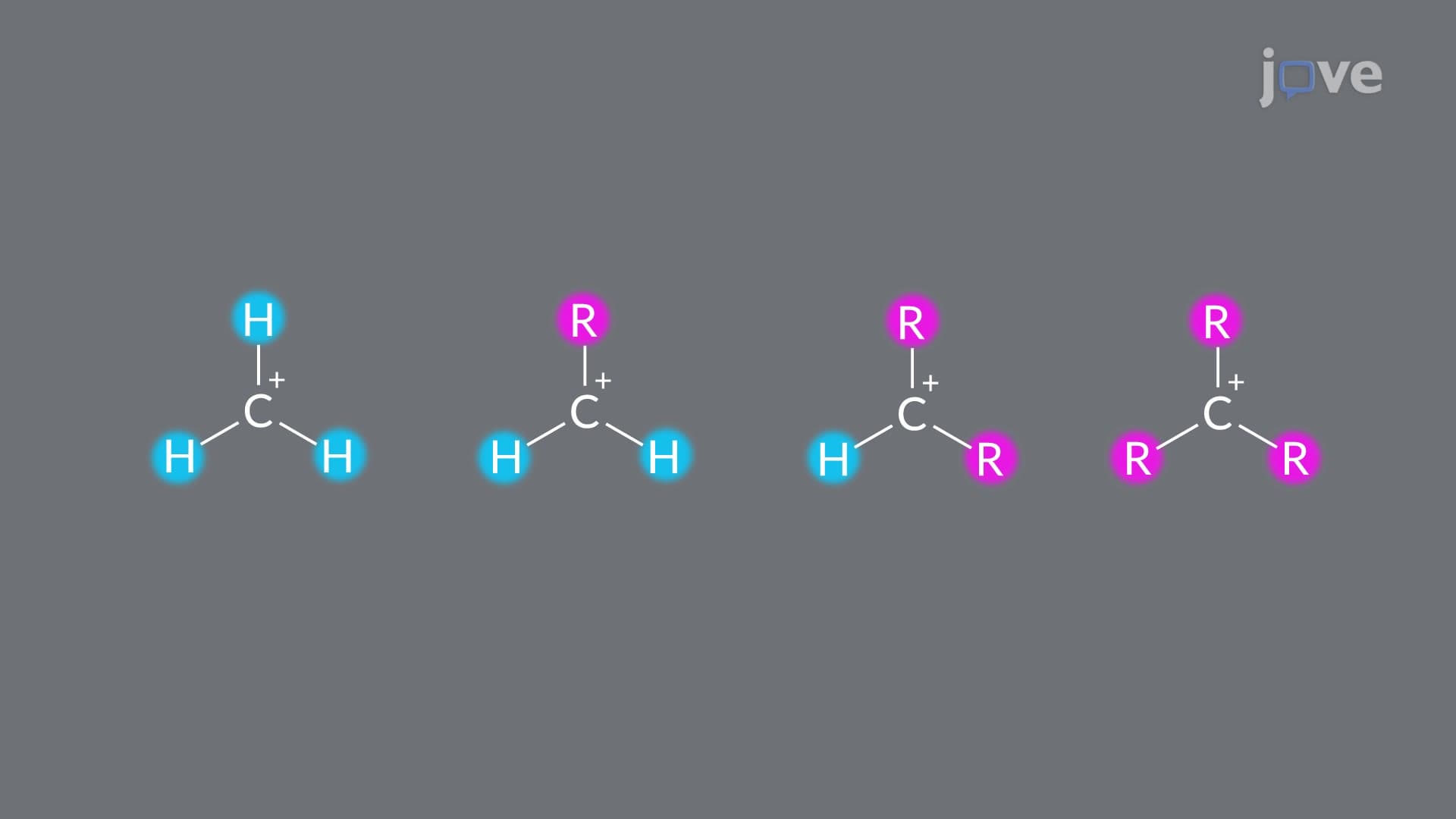
Electrophiles fall into two main categories: positively charged and neutral species. Positively charged electrophiles include simple ions like the proton (H+) and more complex species like carbocations. The proton, with its vacant 1s orbital, represents the simplest and most reactive electrophile. Carbocations, featuring sp2-hybridized carbon atoms with empty p orbitals, are common intermediates in reactions taught in university organic chemistry courses.
Neutral electrophiles demonstrate electrophilicity through different mechanisms. Lewis acids like boron trifluoride (BF3) possess incomplete octets, creating electron-deficient centers that readily accept electron pairs. In pharmaceutical manufacturing, such Lewis acids often catalyze important synthetic transformations.
Many organic molecules become electrophilic through polarization effects. In carbonyl compounds like acetone or formaldehyde-common examples in SAT Subject Test Chemistry-the electronegativity difference between carbon and oxygen creates a dipole. The carbon atom carries a partial positive charge (δ+), making it susceptible to nucleophilic attack. This concept is essential for understanding reaction mechanisms covered in advanced placement chemistry curricula.
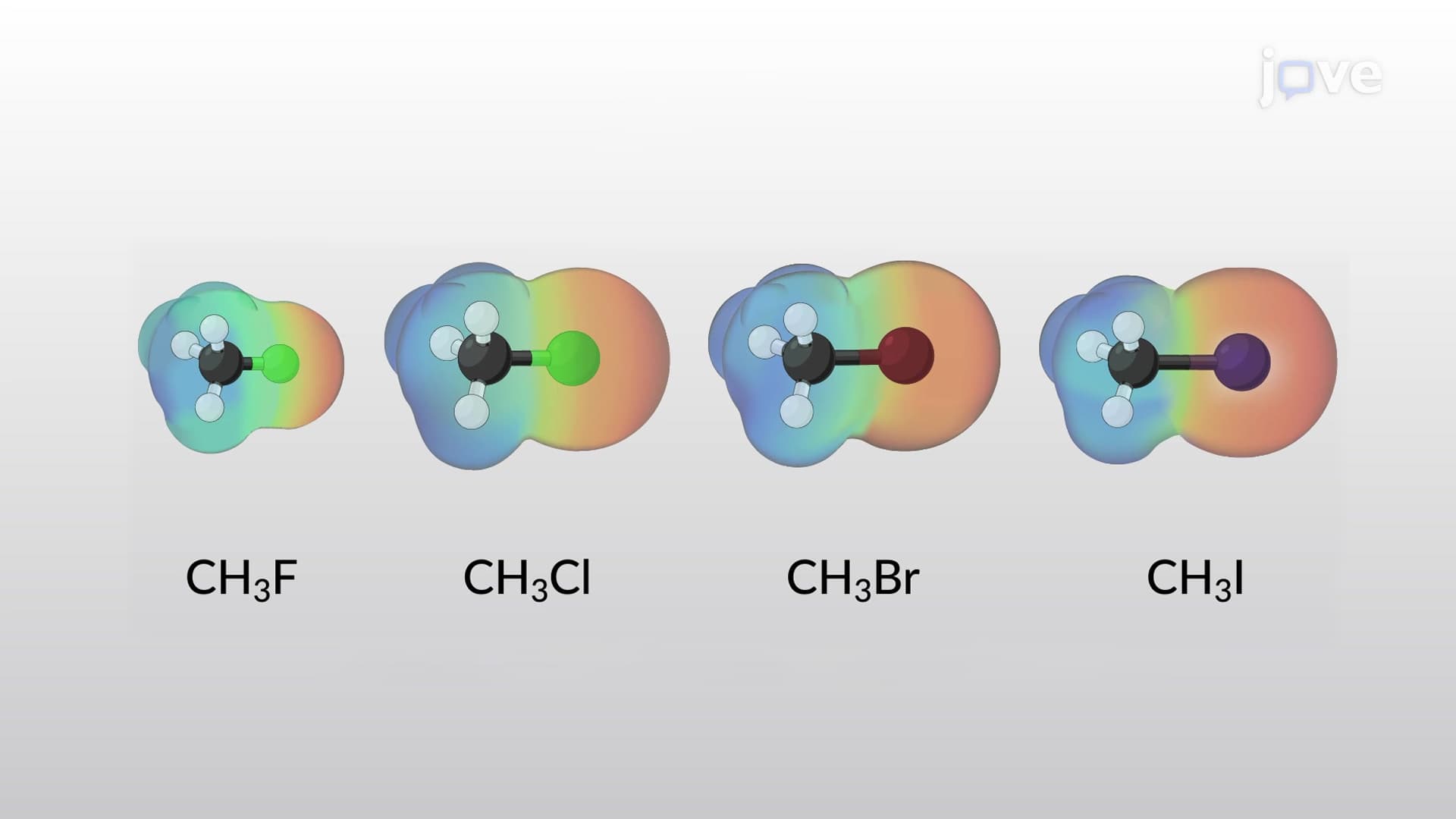
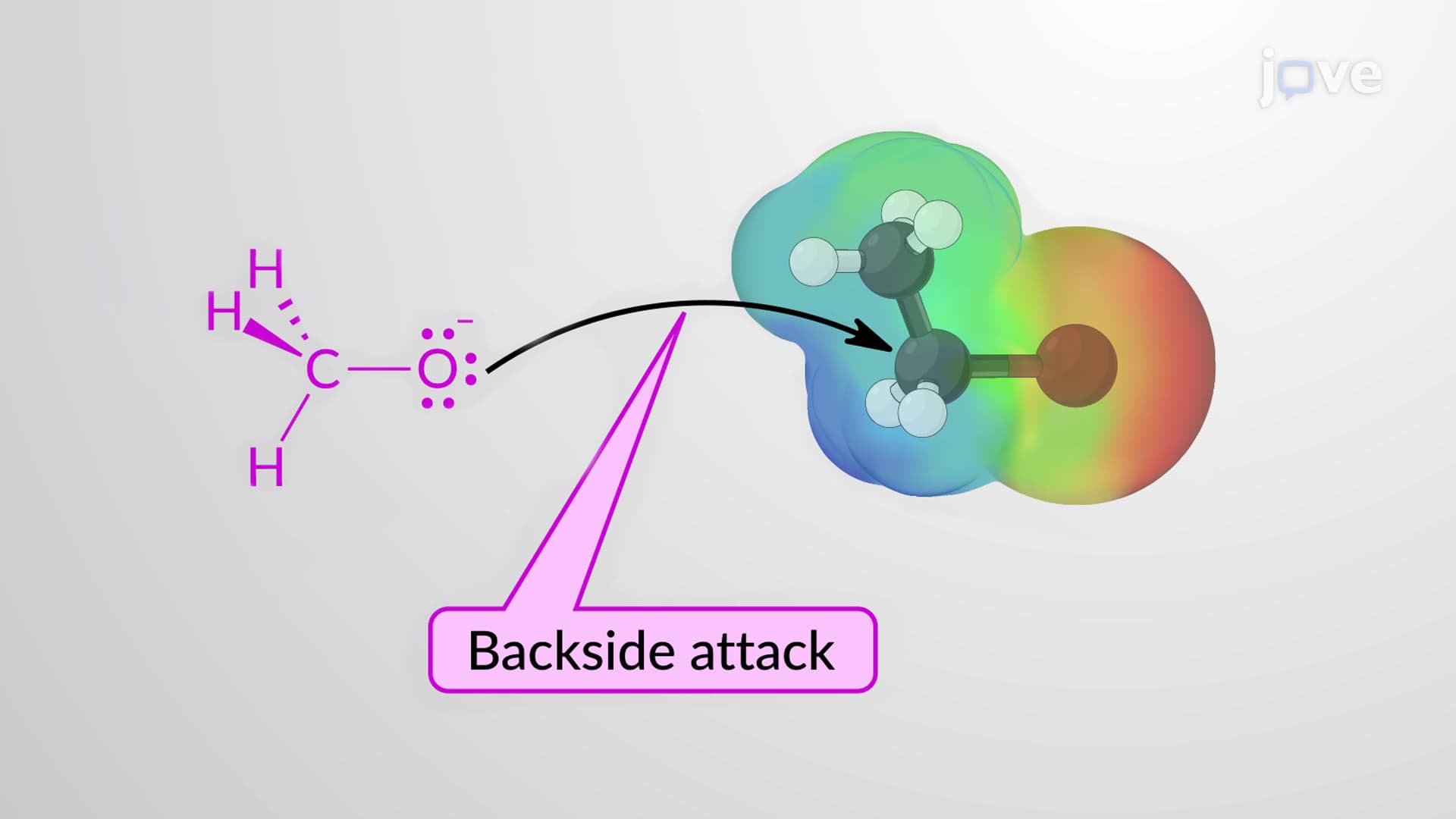
Halogenated compounds like chlorobutane exhibit electrophilicity through inductive effects. The electronegative chlorine atom withdraws electron density from the carbon chain, creating an electrophilic carbon center. This principle underlies many substitution reactions studied in college-level organic chemistry.
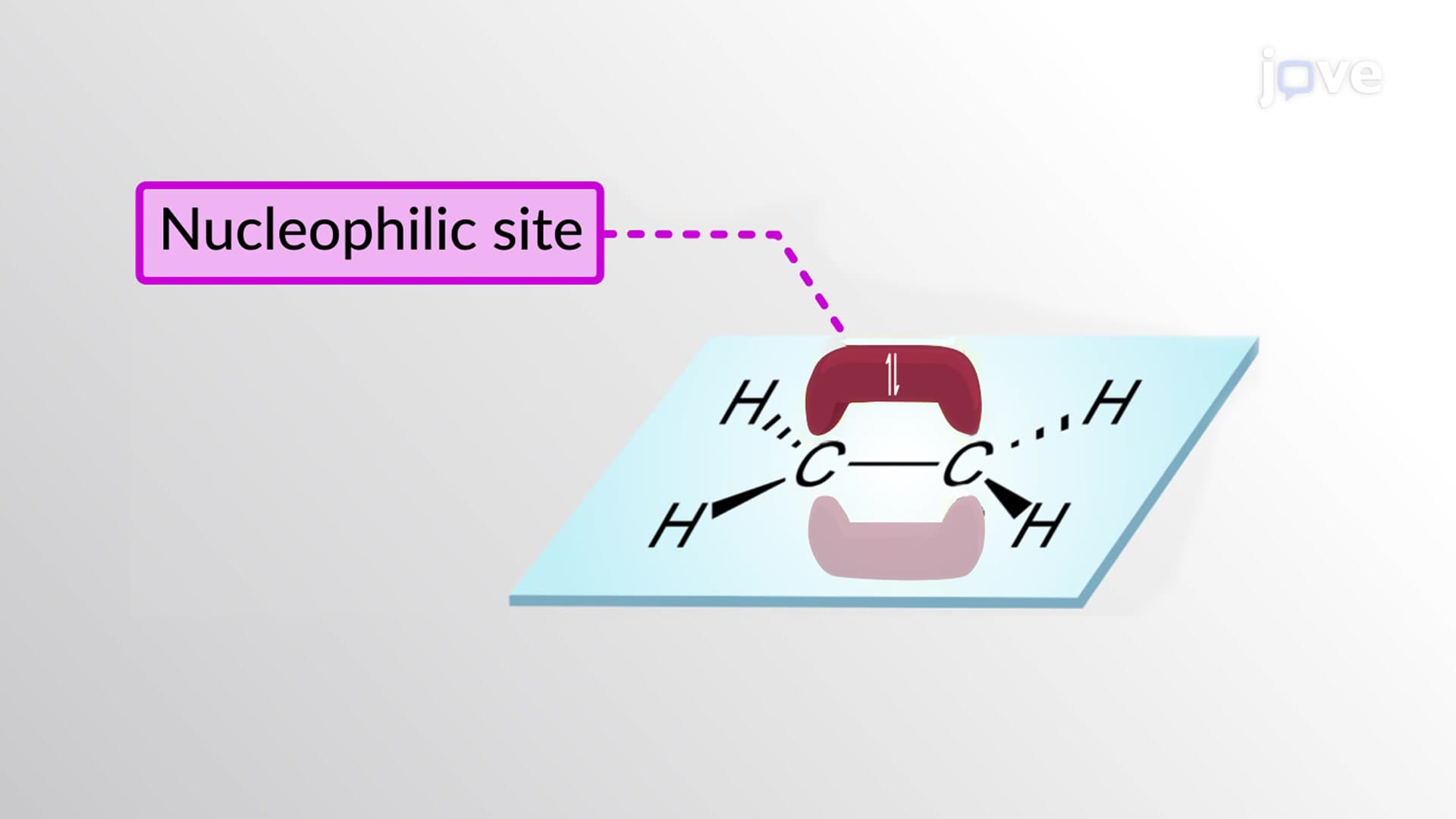
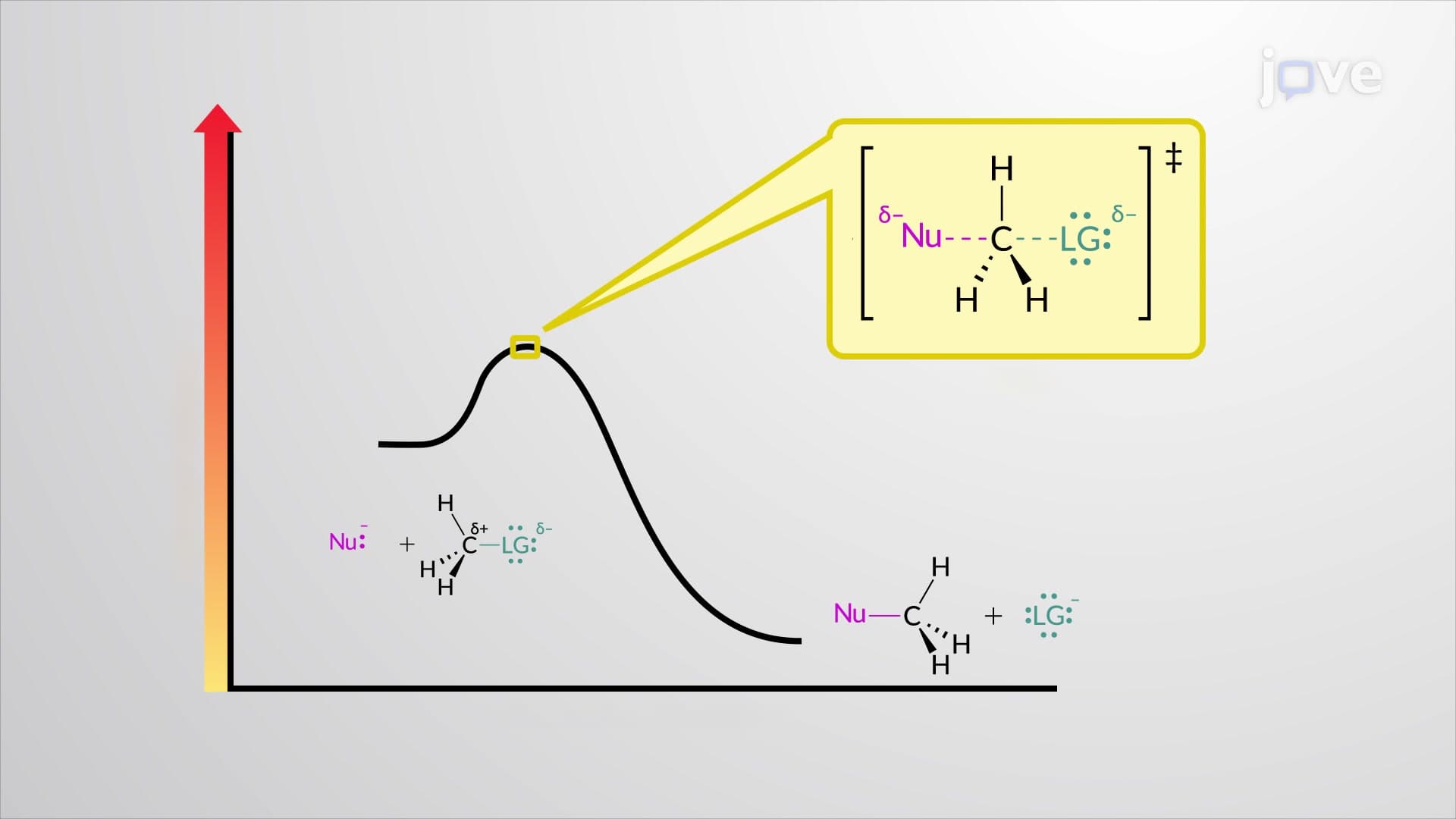
From a molecular orbital standpoint, electrophiles possess low-energy, empty orbitals or accessible antibonding orbitals. When nucleophiles attack, their electrons occupy these orbitals, forming new bonds while potentially breaking existing ones. In hydrogen chloride, for instance, nucleophilic attack populates the H-Cl antibonding orbital, leading to bond cleavage-a mechanism frequently tested on chemistry standardized exams.
Even non-polar molecules like bromine can act as electrophiles due to weak bonding. The poor orbital overlap in Br-Br creates a readily accessible antibonding orbital, making bromine an effective electrophile in addition reactions commonly demonstrated in high school and college laboratories across the United States.
Related Micro-courses