Loading video…


 20 Concepts
 256.6K views

Video Summary: What are Nucleophiles
Ever wonder why certain chemical reactions happen so predictably in pharmaceutical manufacturing across the US? Nucleophiles are electron-rich species that act as Lewis bases, seeking out electron-deficient centers to form new chemical bonds. These crucial reactants drive nucleophilic substitution reactions used in drug synthesis at companies like Pfizer and Merck. Understanding what are nucleophiles helps explain how medicines are manufactured and metabolized in our bodies. Watch the full video on JoVE Coach to master this concept with expert-led visuals and step-by-step explanations.
Nucleophiles represent one of the most fundamental concepts in organic chemistry, serving as the driving force behind countless reactions in biological systems and industrial processes. These electron-rich species function as Lewis bases, possessing high electron density that enables them to donate electrons to electron-deficient centers. In the pharmaceutical industry, nucleophiles are essential for synthesizing life-saving medications, from aspirin production to complex antibiotic manufacturing at major US facilities.
Anionic nucleophiles carry negative charges and contain lone electron pairs on heteroatoms like oxygen, nitrogen, or sulfur. These species occupy high-energy molecular orbitals, making them inherently unstable and highly reactive. Consider the cyanide ion (CN⁻), where both carbon and nitrogen possess lone pairs. However, carbon serves as the primary nucleophilic center because its sp orbital exists at higher energy than nitrogen's orbital, demonstrating how orbital energy hierarchy determines reactivity sites.
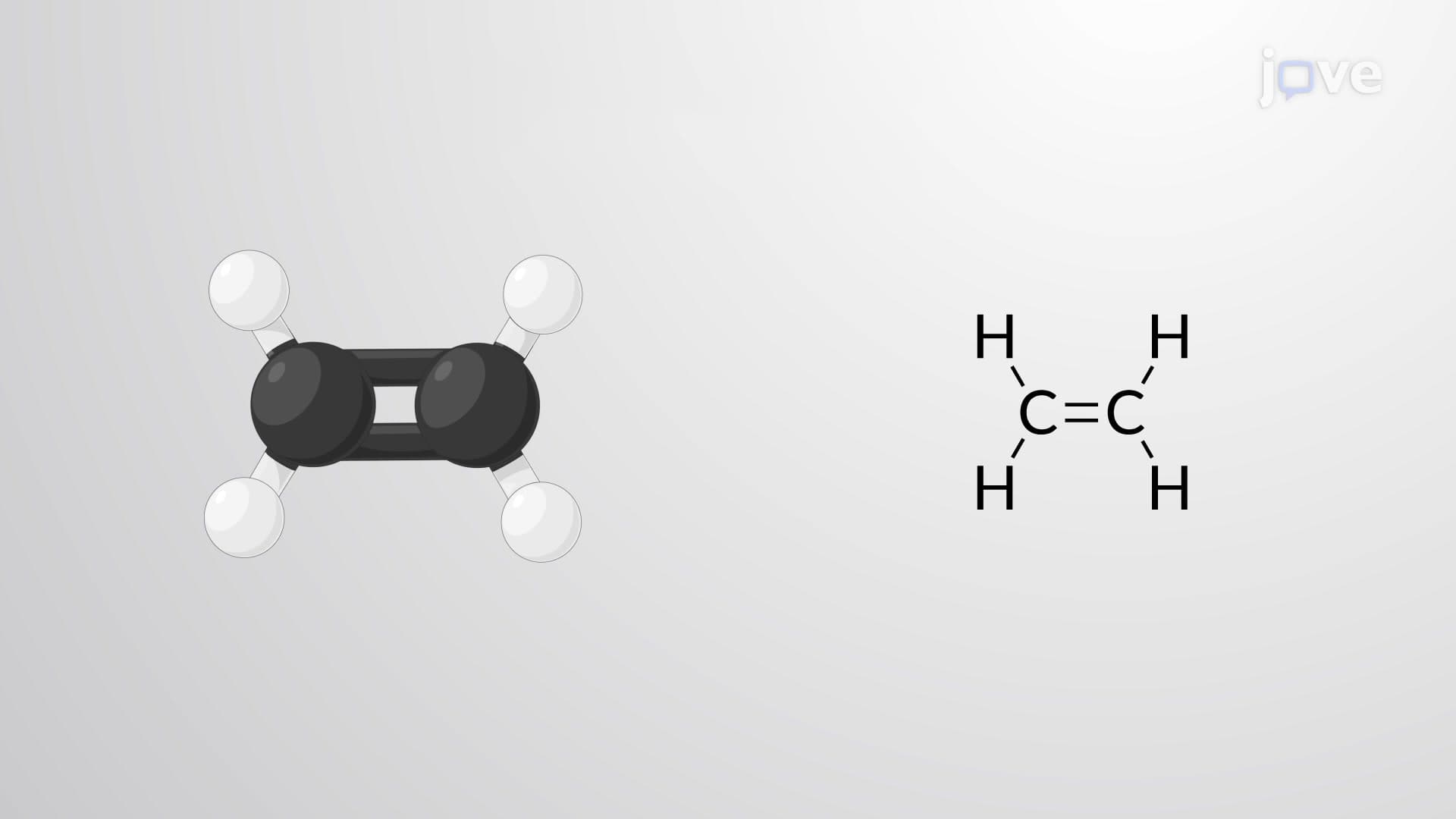
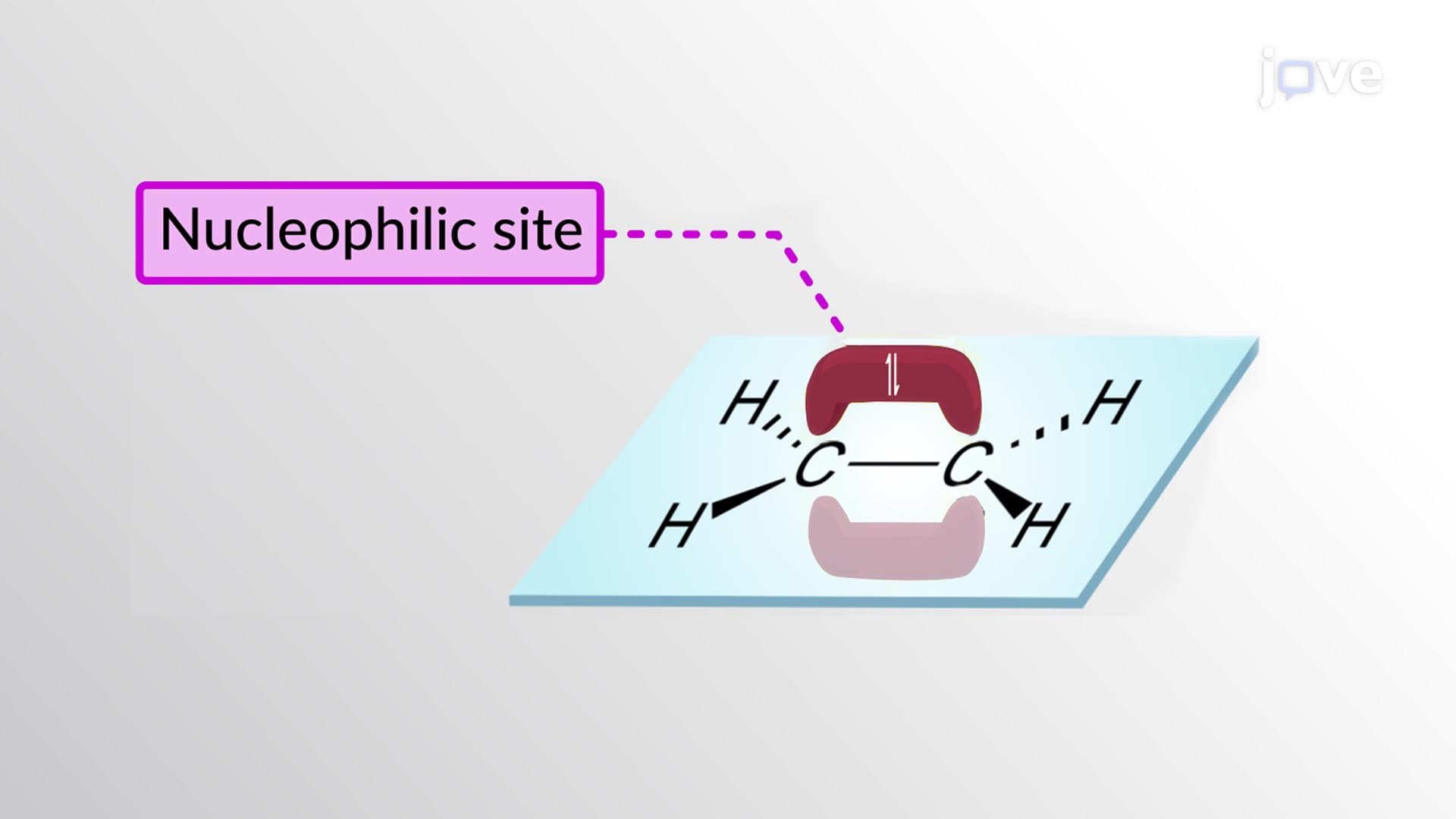
Neutral nucleophiles, while lacking formal negative charges, still possess unshared electron pairs on heteroatoms or regions of high electron density like π-bonds in alkenes. Water, ammonia, and alcohols exemplify common neutral nucleophiles encountered in AP Chemistry and college organic chemistry courses. These species exhibit lower nucleophilicity compared to their anionic counterparts due to the absence of charge-driven electron donation.
The strength of nucleophiles can be systematically evaluated using pKa values of their conjugate acids. This relationship proves invaluable for students preparing for MCAT examinations or advanced placement chemistry tests. When comparing nucleophiles containing identical atoms, higher conjugate acid pKa values correspond to stronger nucleophilic behavior. This principle enables chemists to predict reaction outcomes and optimize synthetic pathways in research laboratories across US universities and pharmaceutical companies.
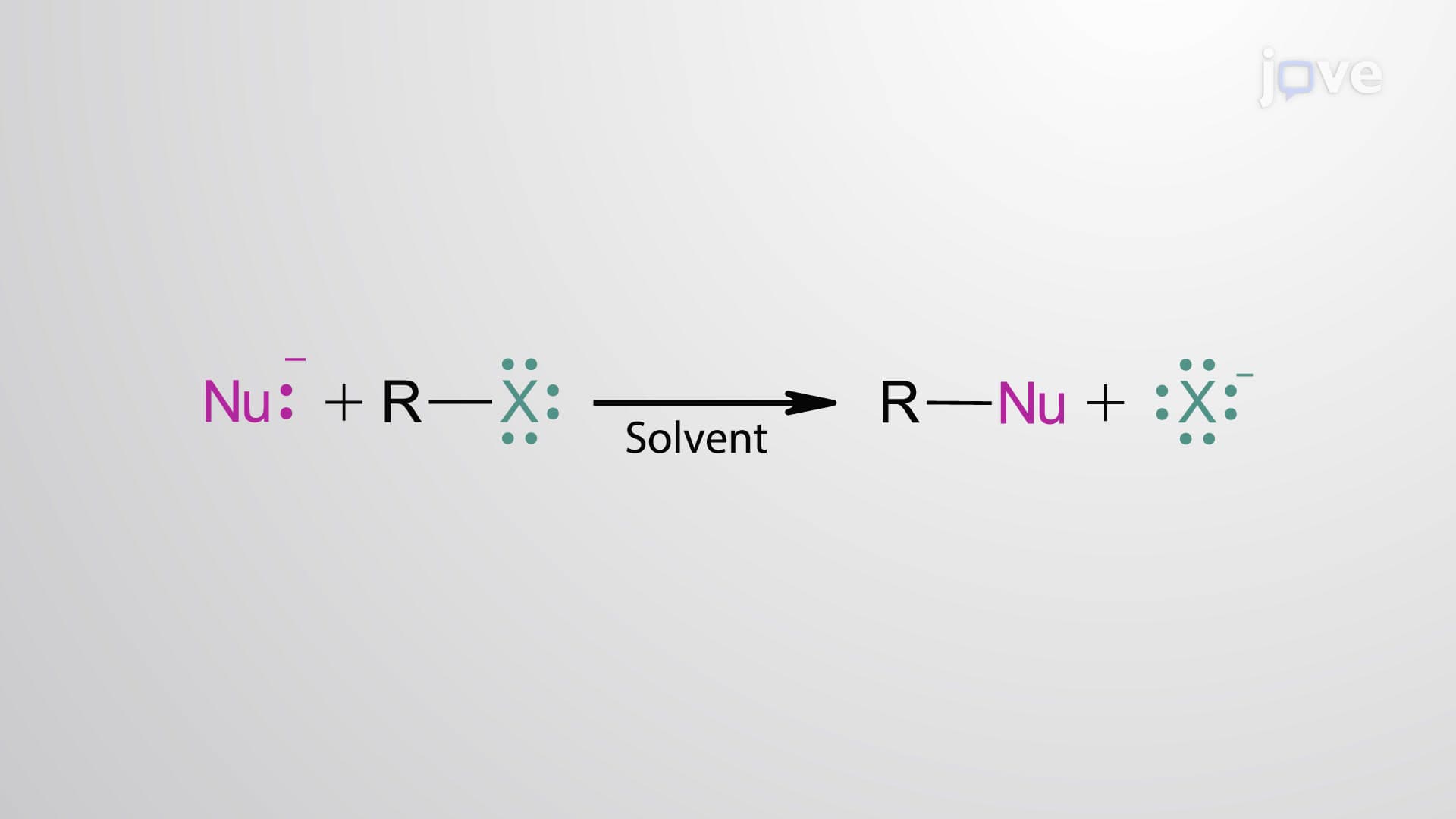
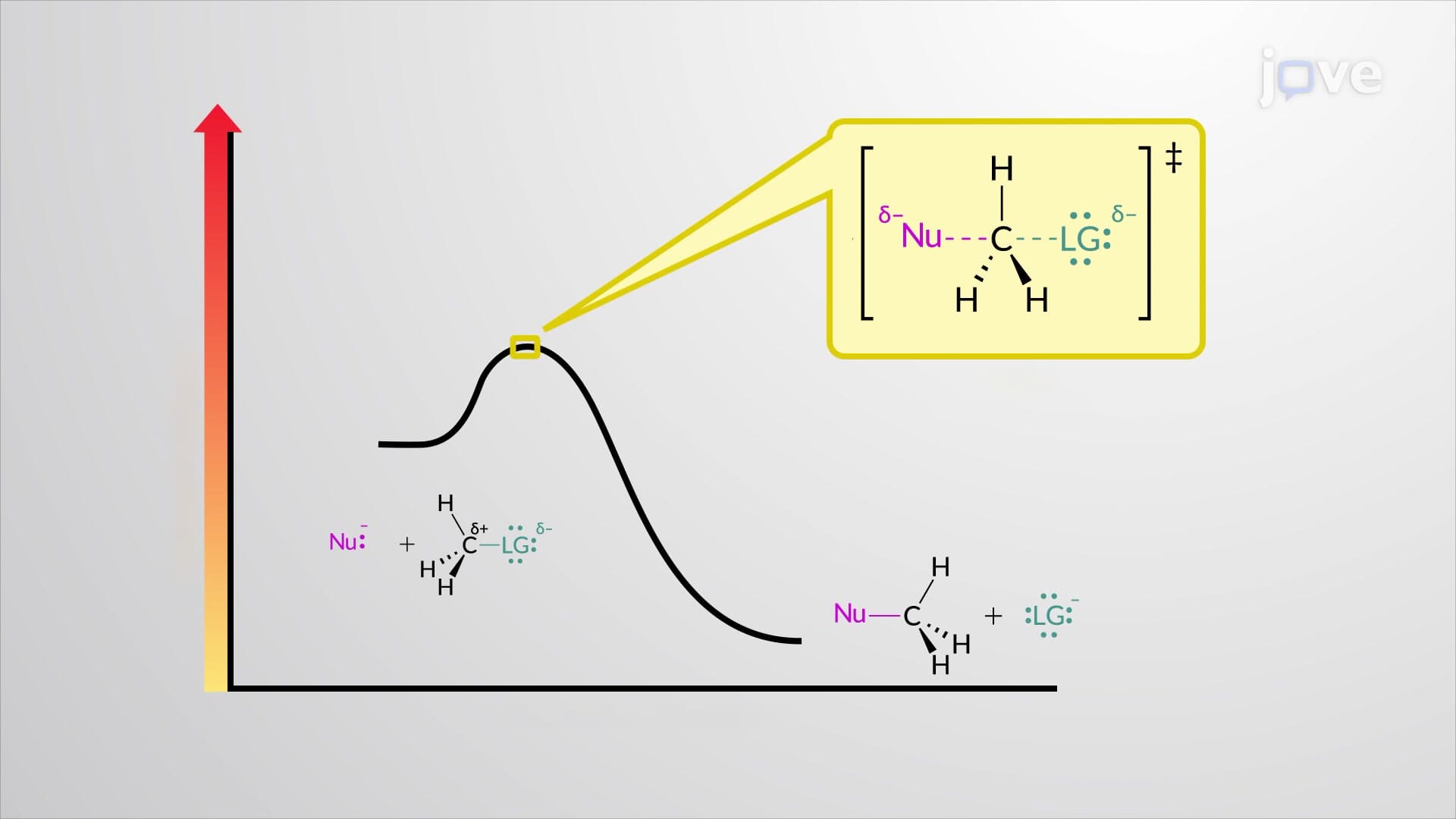
Understanding product formation requires analyzing formal charge changes during nucleophilic substitution. Anionic nucleophiles form covalent bonds that neutralize their negative charges, yielding neutral products directly. Conversely, neutral nucleophiles acquire positive formal charges upon bond formation, necessitating subsequent deprotonation steps to achieve neutral final products. This mechanistic understanding proves crucial for students tackling organic chemistry problems in college coursework and standardized examinations.
Related Micro-courses