Loading video…


 20 Concepts
 256.6K views

Video Summary: What Is Elimination Reactions
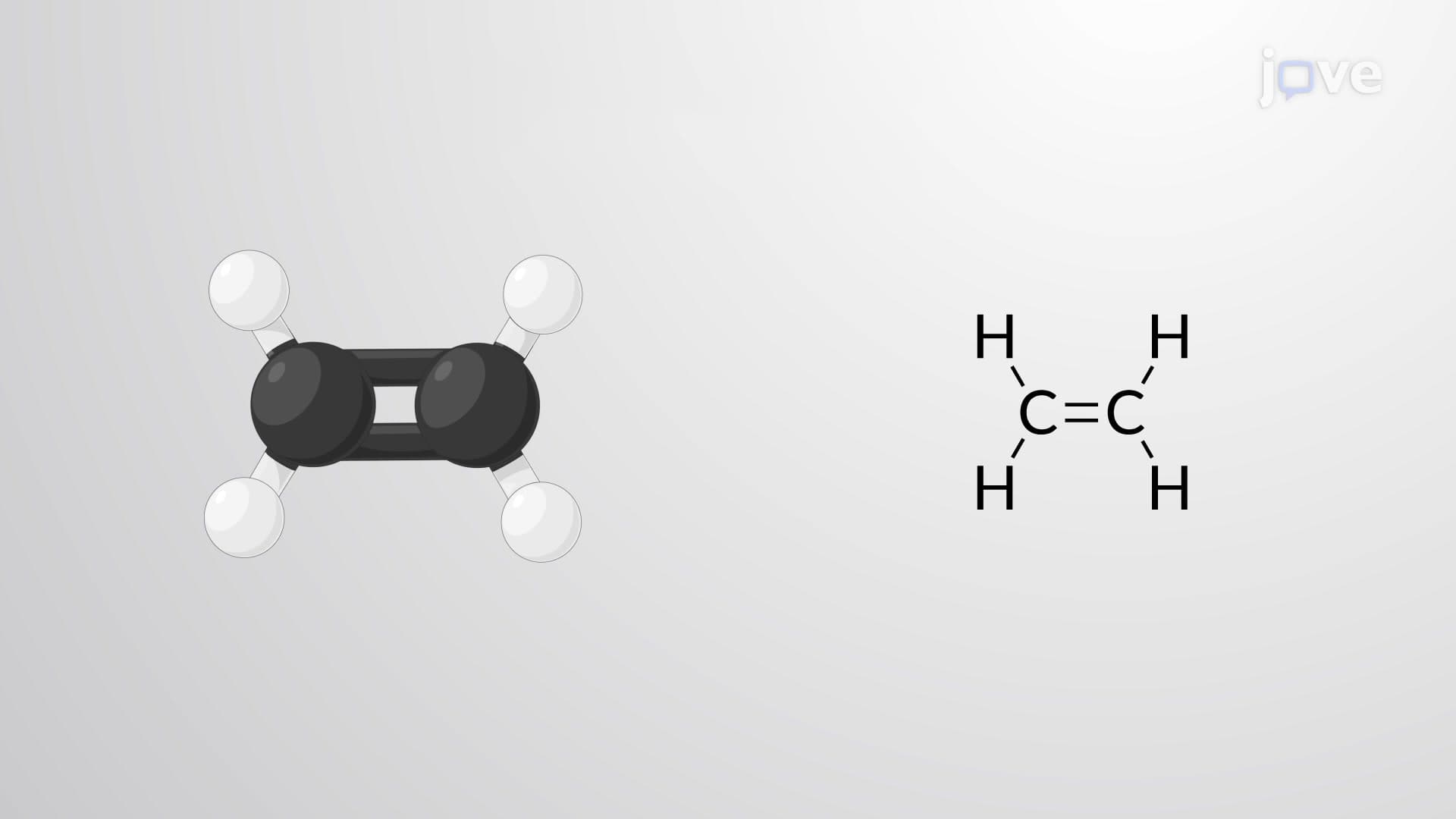
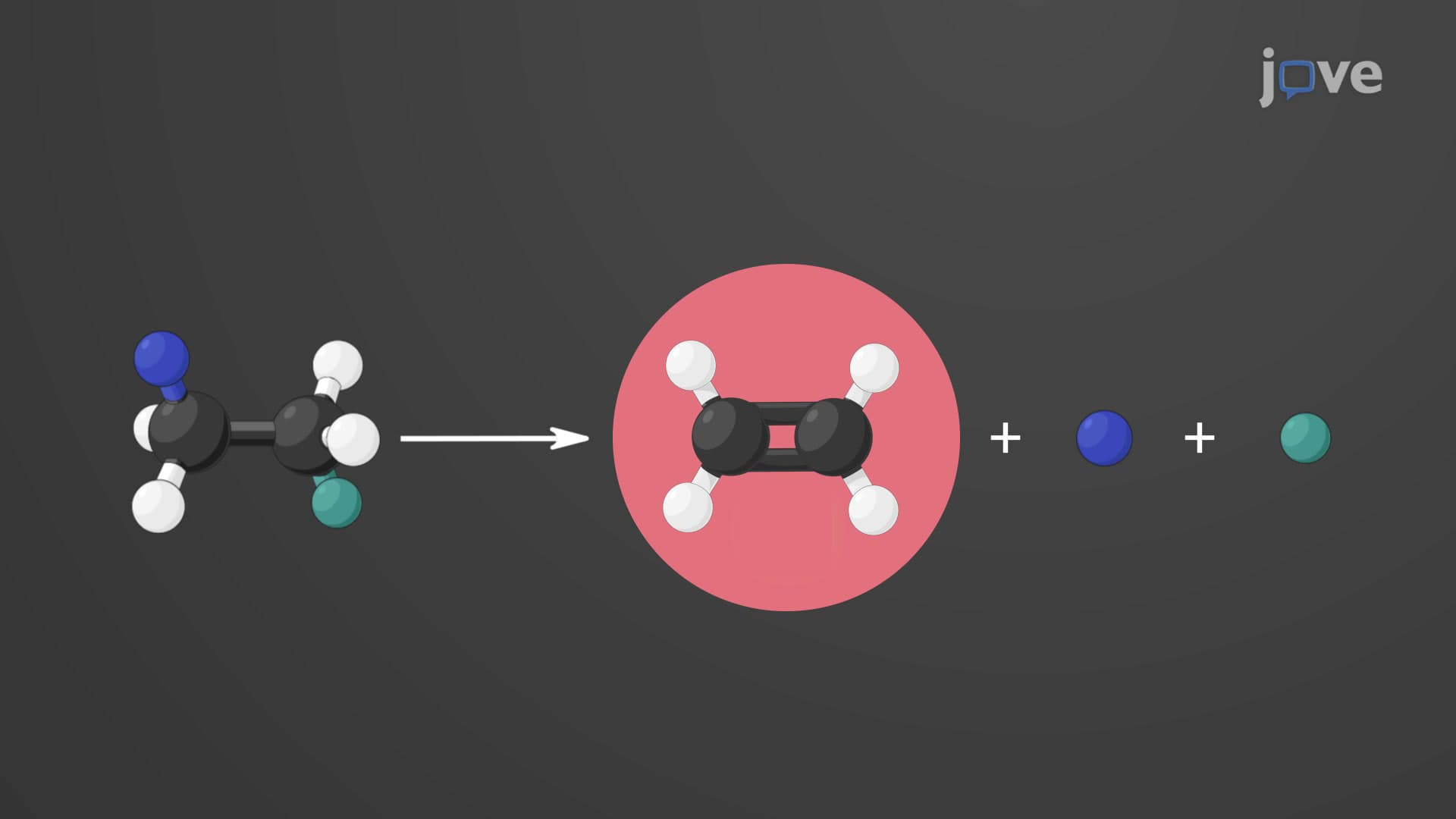
Ever wondered how plastic manufacturing creates the building blocks for everything from smartphone cases to car bumpers? Elimination reactions are fundamental chemical processes where molecules lose small fragments to form double bonds, creating alkenes that serve as precursors to countless materials we use daily. For instance, the elimination reaction converting ethyl chloride to ethylene is crucial for producing polyethylene plastic used in US grocery bags. Watch the full video on JoVE Coach to master this concept with expert-led visuals and step-by-step explanations.
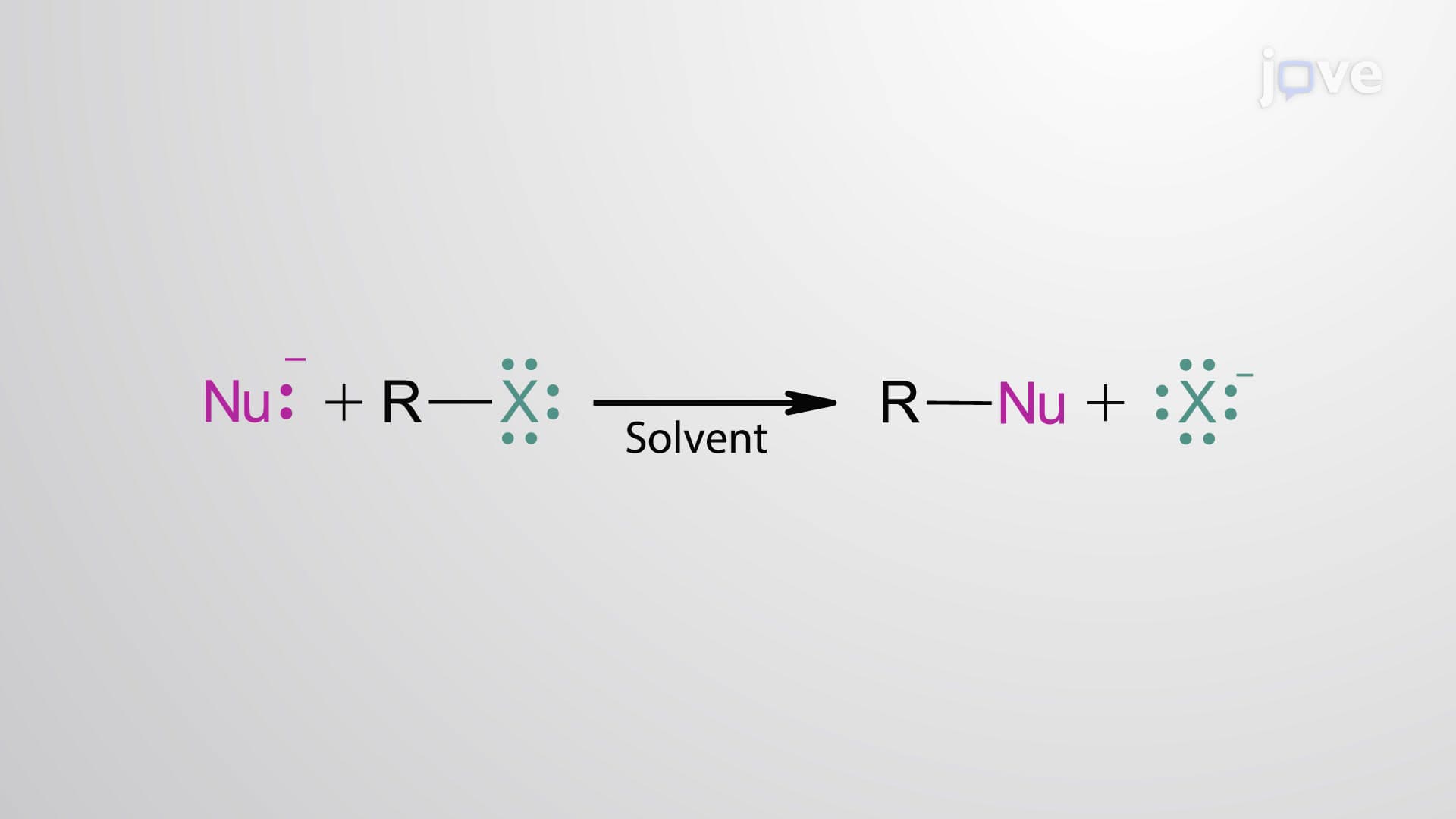
Elimination reactions represent a fundamental class of organic chemistry transformations where molecules undergo fragmentation to form new double bonds. Unlike substitution reactions that simply replace one group with another, elimination reactions involve the removal of two adjacent atoms or groups from a molecule, typically resulting in the formation of an alkene. This process is essential in both laboratory synthesis and industrial chemical production across the United States, from pharmaceutical manufacturing in New Jersey to petrochemical processing in Texas.
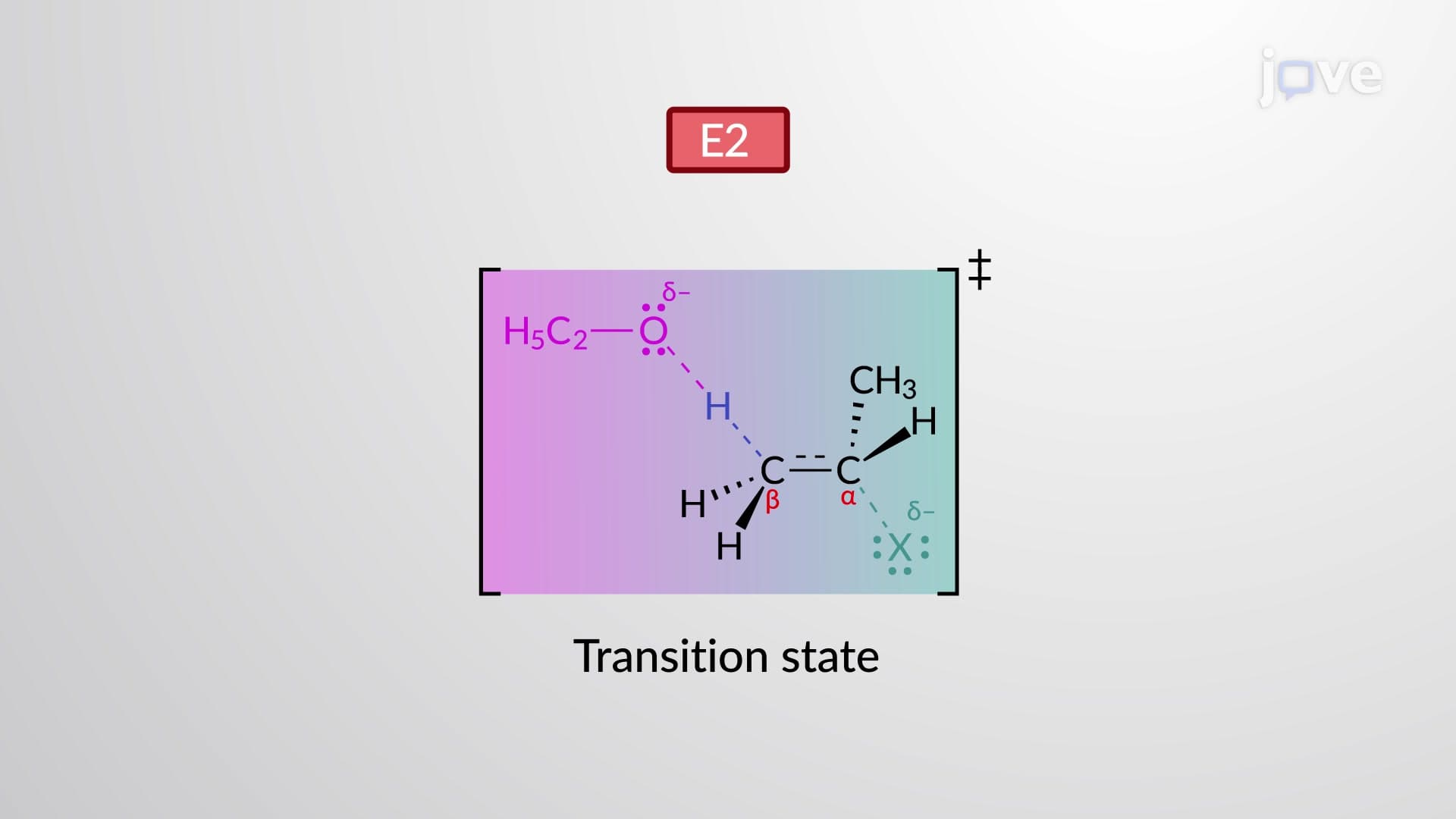
The two primary mechanisms for elimination reactions follow distinctly different pathways. E2 reactions occur through a concerted, one-step process where a strong base simultaneously removes a proton from the beta carbon while the leaving group departs from the alpha carbon. This mechanism requires strong bases like potassium tert-butoxide and is favored by primary and secondary alkyl halides. Students preparing for the MCAT or AP Chemistry exams should remember that E2 reactions show second-order kinetics and require anti-periplanar geometry.
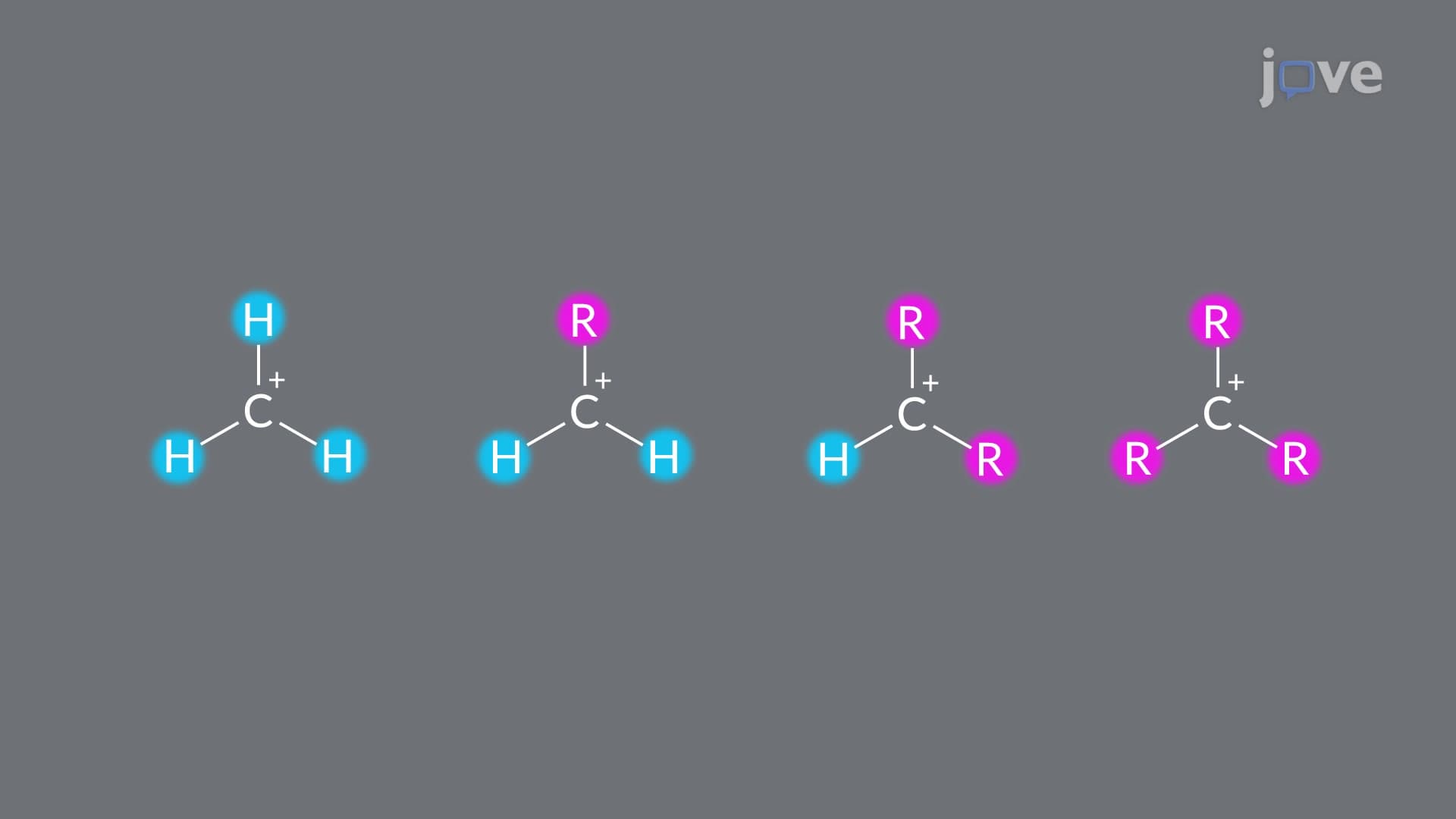
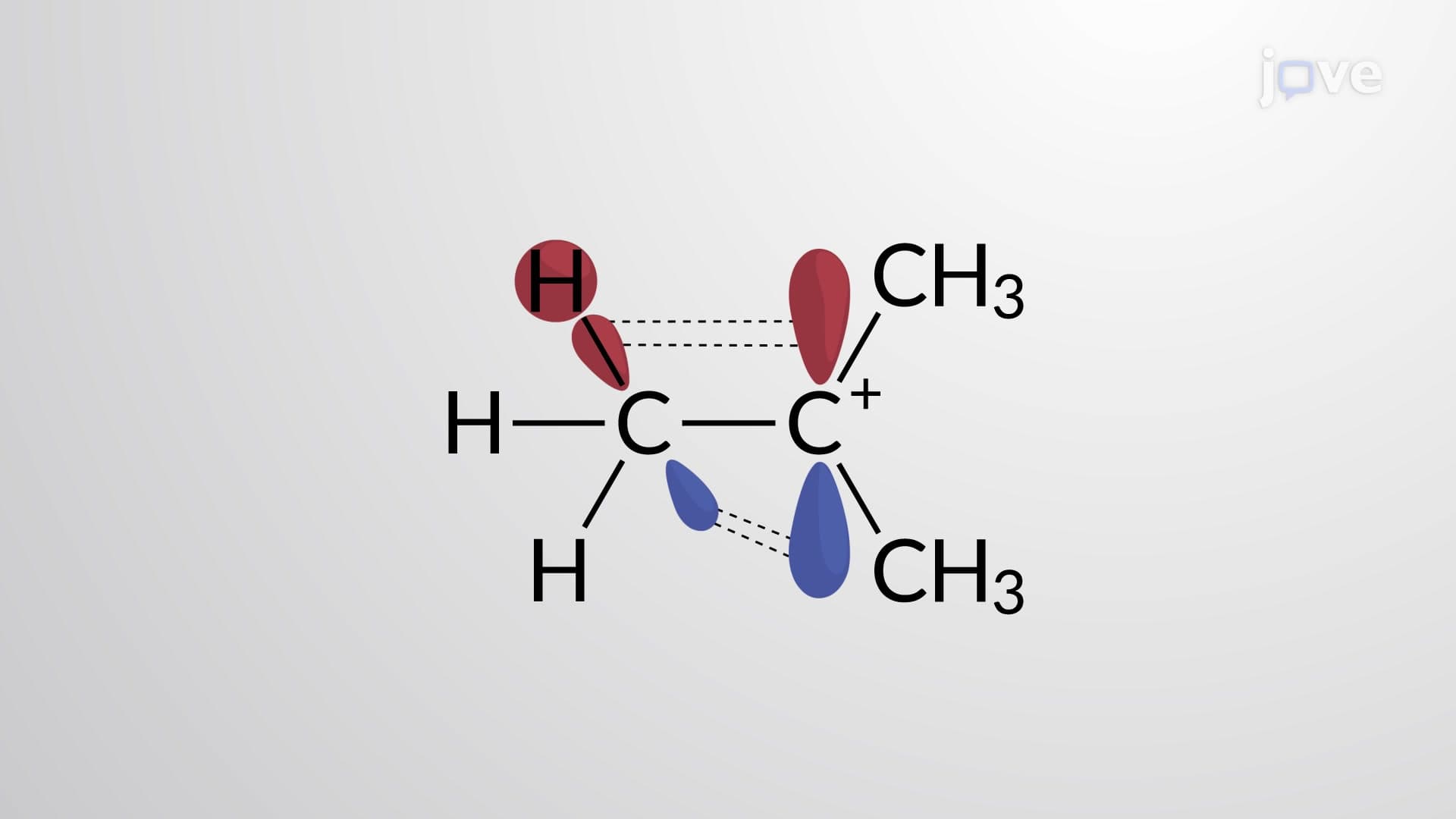
E1 reactions proceed through a two-step mechanism beginning with the departure of the leaving group to form a carbocation intermediate, followed by base-mediated deprotonation. This pathway is more common with tertiary alkyl halides and weaker bases, following first-order kinetics. Understanding these mechanistic differences is crucial for success in organic chemistry courses at universities like MIT, Stanford, and UC Berkeley.
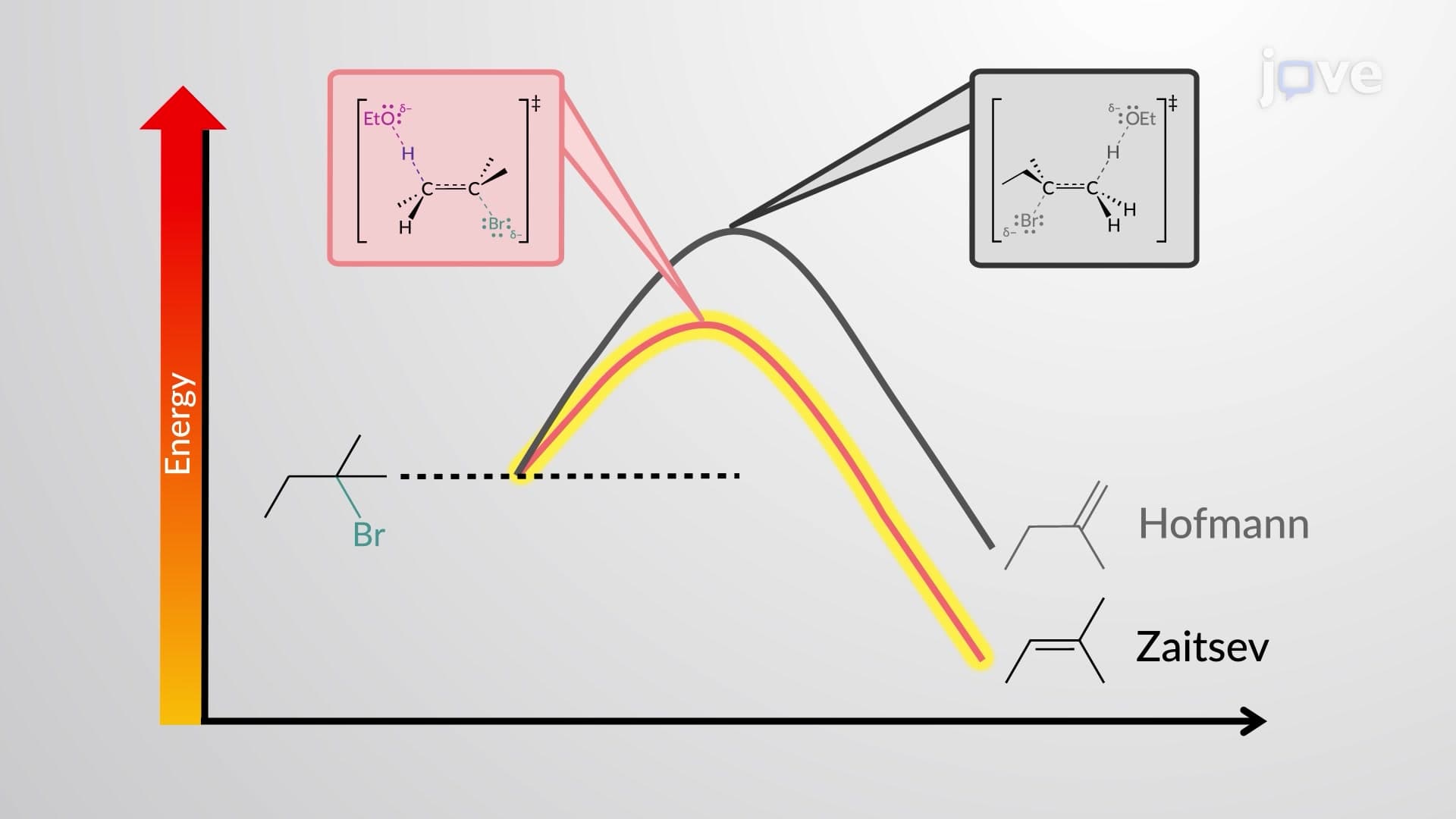
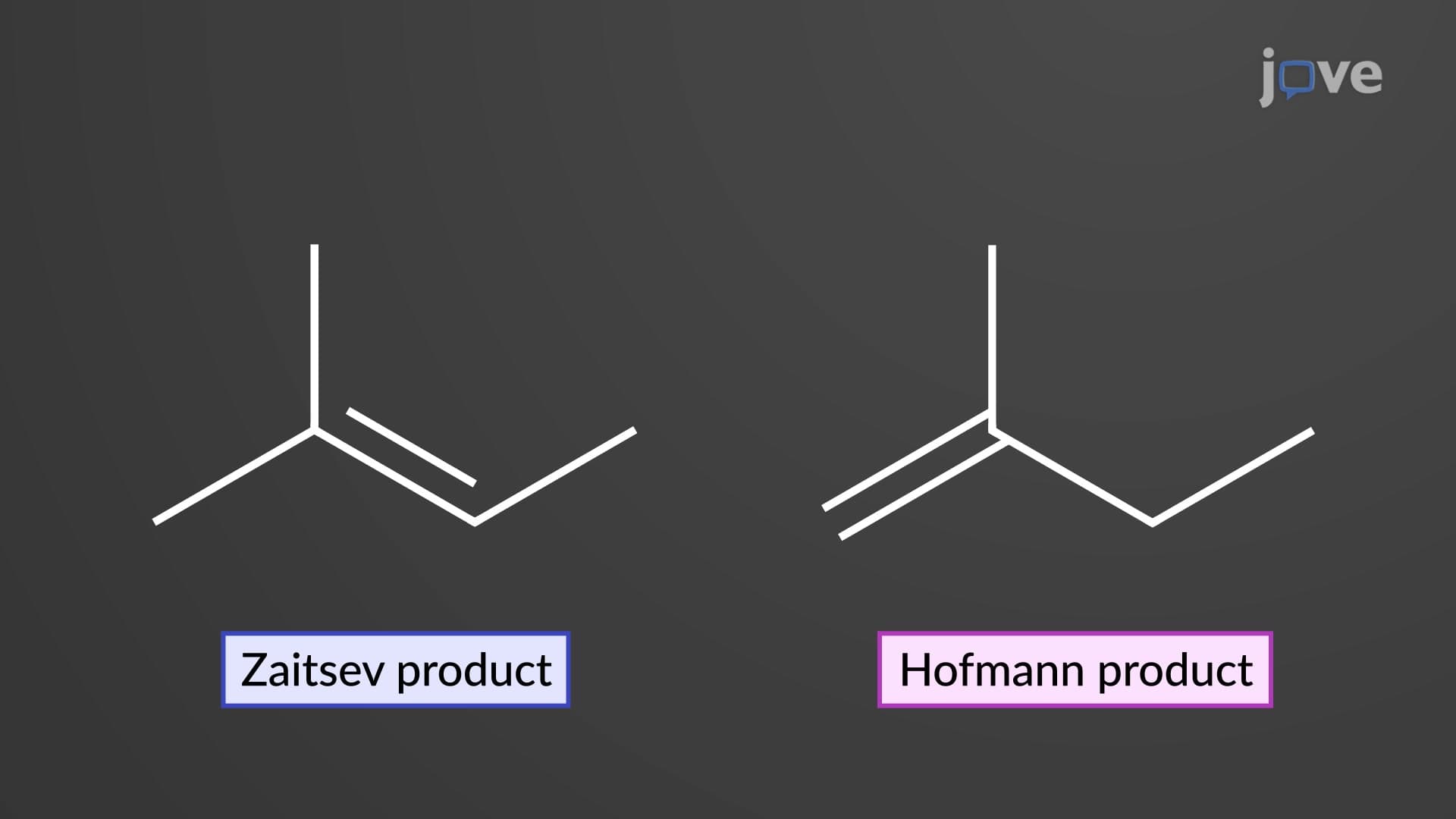
When multiple elimination pathways are possible, regioselectivity determines which products form preferentially. Zaitsev's rule states that elimination reactions typically favor the formation of the more substituted (more stable) alkene product. This occurs because additional alkyl substituents provide greater hyperconjugation stabilization to the double bond. However, when using bulky bases or under specific reaction conditions, the Hofmann product (less substituted alkene) may predominate due to steric hindrance.
Stereoselectivity in elimination reactions typically favors trans-alkene formation over cis-isomers due to reduced steric strain in the transition state. This preference is particularly important in pharmaceutical synthesis, where stereochemistry directly impacts drug efficacy and safety. Students studying for the MCAT should recognize that E2 reactions require anti-periplanar arrangement of the leaving group and beta hydrogen, which naturally leads to trans-alkene products. This concept frequently appears on college organic chemistry midterms and is essential for understanding advanced synthetic strategies used in drug discovery at companies like Pfizer and Johnson & Johnson.
Related Micro-courses