Loading subject page…

- Pharmacokinetics and Pharmacodynamics
- Bioavailability and Bioequivalence
- Bioavailability Study Design: Single Versus Multiple Dose Studies
Micro-course: Bioavailability and Bioequivalence
1,059 views
Learn key concepts and earn your certificate.













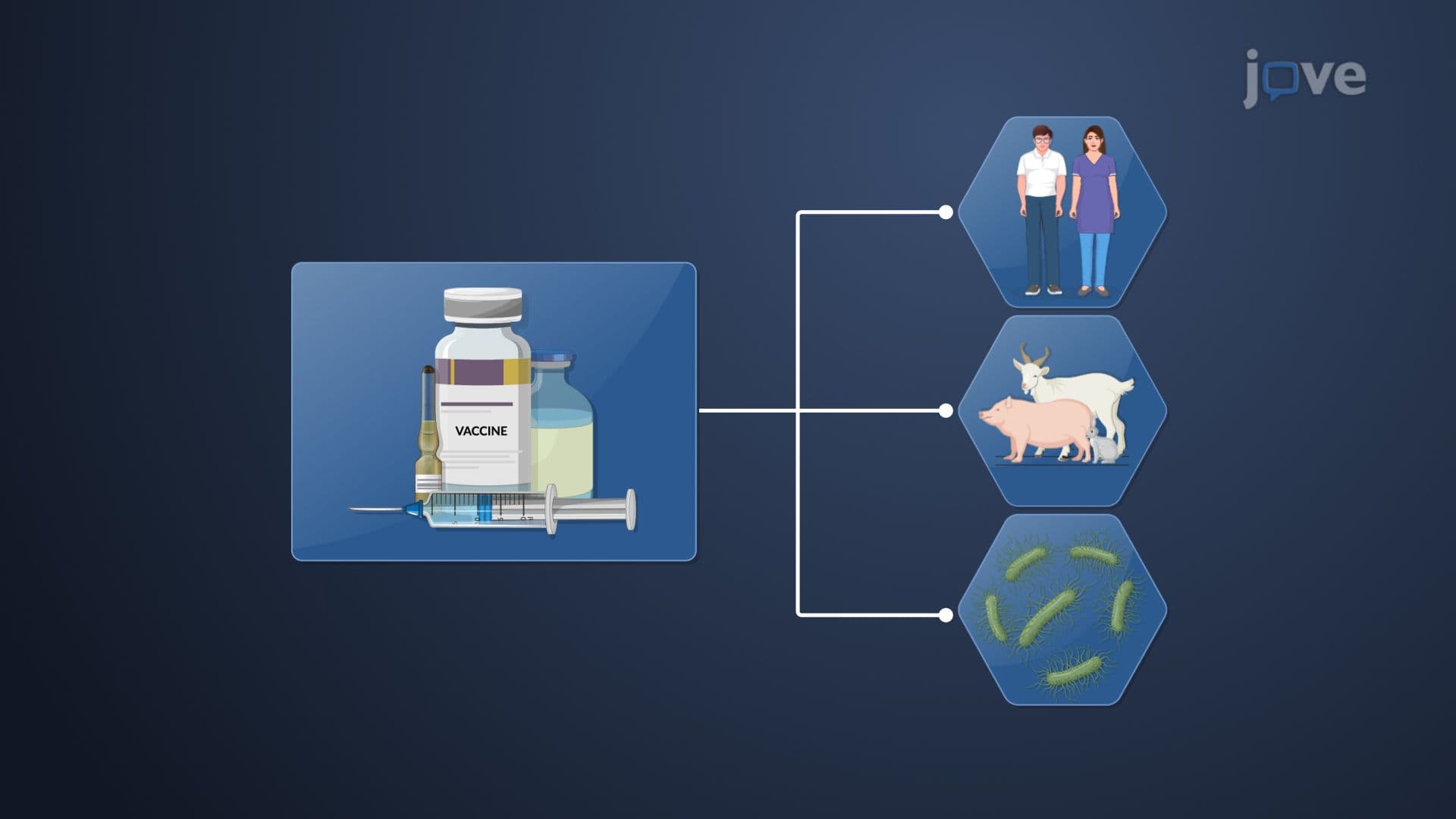
Bioavailability Study Design: Single Versus Multiple Dose Studies


00:00
01:11
Video Summary: Bioavailability Study Design Single Versus Explained
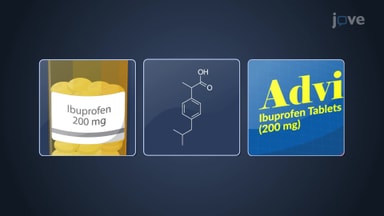
Did you know that choosing between single-dose and multiple-dose approaches in bioavailability study design single versus multiple protocols can determine whether a new medication like Advil receives FDA approval? Understanding bioavailability study design single versus explained concepts is crucial for predicting how drugs behave in your body. For instance, when pharmaceutical companies test new formulations of existing drugs like generic versions of brand-name medications, they must decide between these two distinct study approaches. Watch the full video on JoVE Coach to master this concept with expert-led visuals and step-by-step explanations.
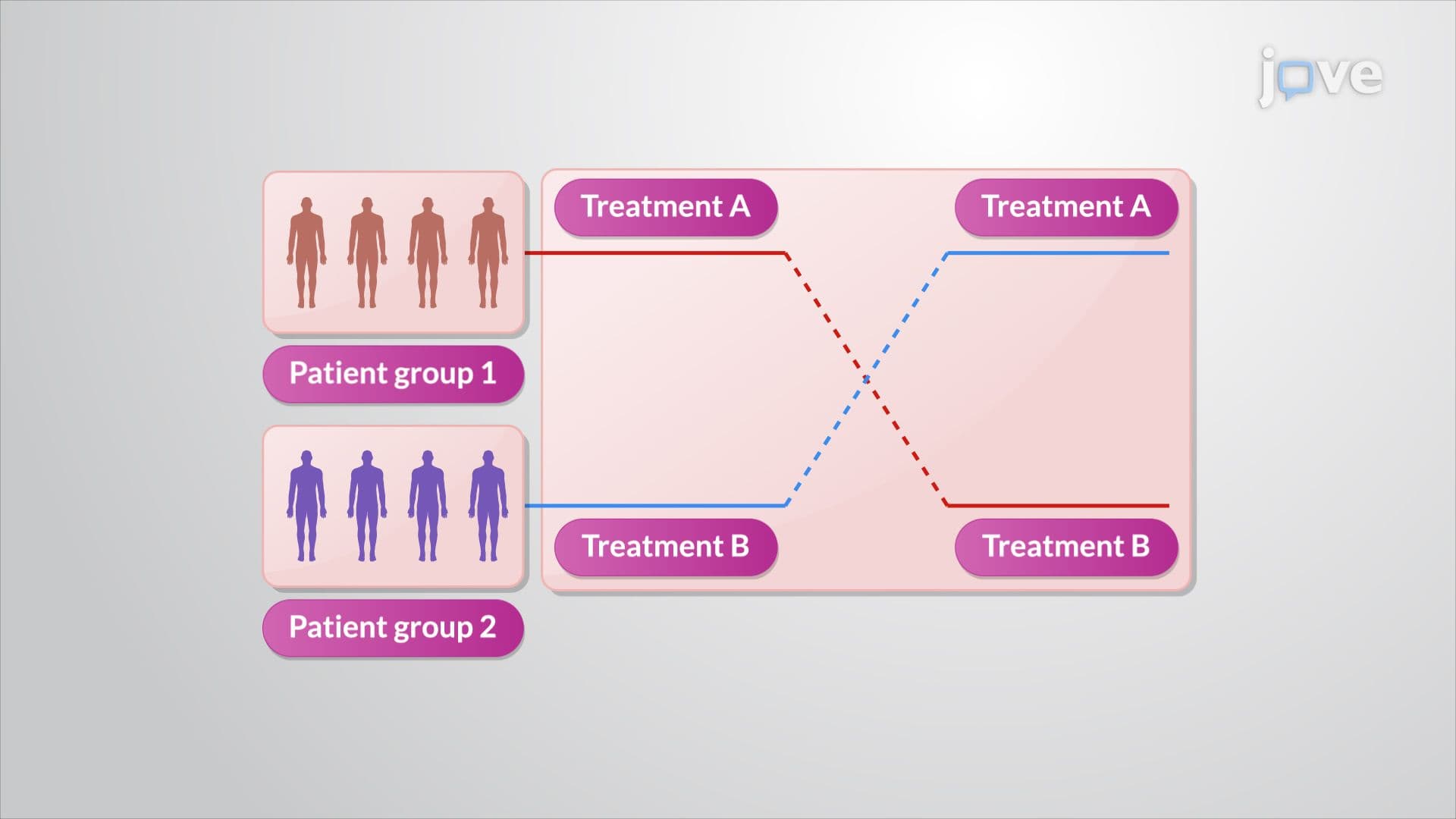
- Understand the fundamental differences in bioavailability study design single versus multiple-dose protocols and their respective advantages
- Identify when single-dose studies are preferred over multiple-dose studies in pharmaceutical research and drug development
- Compare the reliability of steady-state predictions between single-dose and multiple-dose bioavailability studies
- Analyze the impact of interindividual variability on study outcomes in different bioavailability study designs
- Evaluate the cost-benefit considerations of extended monitoring periods versus prolonged drug exposure risks
- Apply knowledge of elimination half-lives to determine appropriate study duration and sampling protocols
- Recognize how nonlinear pharmacokinetics detection capabilities differ between study design approaches
- Explore the clinical relevance and regulatory implications of choosing appropriate bioavailability study methodologies
Understanding Bioavailability Study Design Single Versus Multiple-Dose Approaches
Bioavailability studies form the backbone of pharmaceutical research, determining how much of an administered drug reaches systemic circulation. When designing these critical studies, researchers face a fundamental choice between single-dose and multiple-dose protocols, each offering distinct advantages and limitations that can significantly impact regulatory approval and patient safety.
Single-Dose Study Characteristics and Applications
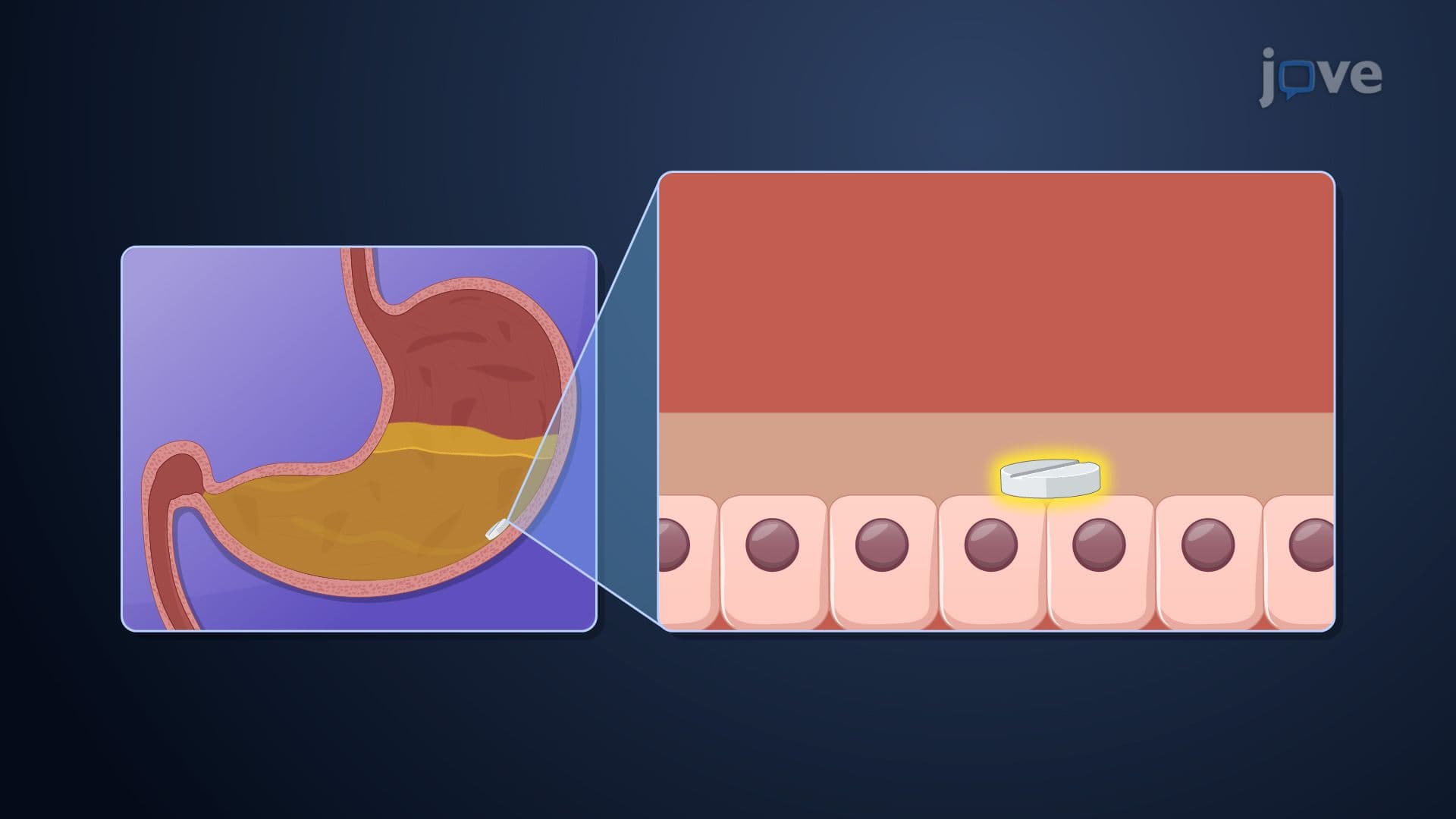
Single-dose bioavailability studies represent the gold standard for initial drug evaluation due to their streamlined methodology and reduced complexity. These studies involve administering one dose of the test medication and monitoring blood concentrations over extended periods-sometimes up to 72 hours or longer depending on the drug's elimination half-life. This approach minimizes participant drug exposure, reducing the risk of adverse reactions and making studies more ethically acceptable for healthy volunteers.
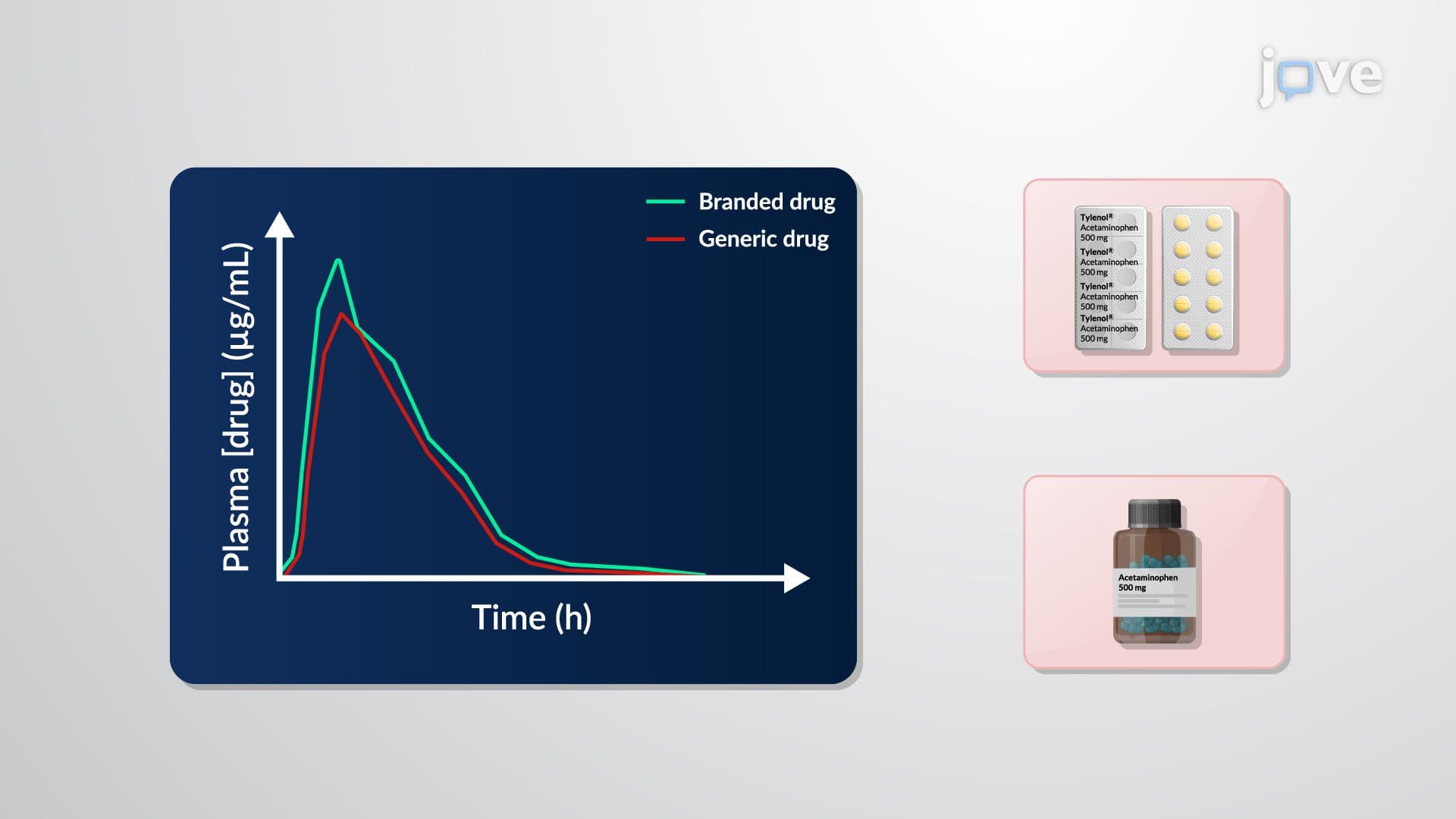
The straightforward nature of single-dose studies makes them particularly valuable for comparing generic medications to brand-name counterparts, a process essential for FDA bioequivalence approval. For example, when testing a generic version of the blood thinner warfarin, researchers can use single-dose studies to determine if the generic formulation delivers the same amount of active ingredient to the bloodstream as the original brand. However, these studies have notable limitations-they cannot reliably predict how the drug will behave during chronic treatment when patients take multiple doses over weeks or months.
Multiple-Dose Study Design and Steady-State Considerations
Multiple-dose studies address the limitations of single-dose protocols by administering the drug repeatedly until steady-state conditions are achieved-typically requiring 5-6 elimination half-lives. This approach more closely mimics real-world clinical usage, where patients take medications daily for extended periods. During steady-state, drug input equals drug elimination, providing more reliable predictions of therapeutic effectiveness and safety profiles.
These studies excel at detecting nonlinear pharmacokinetics, a phenomenon where drug clearance changes with dose or time. This capability is crucial for medications like phenytoin, an anti-seizure drug where small dose changes can lead to disproportionately large changes in blood levels. Multiple-dose studies also demonstrate reduced interindividual variability compared to single-dose studies, providing more consistent and predictable results across diverse patient populations.
Practical Implications for Students and Future Healthcare Professionals
Understanding these study design differences proves essential for students pursuing healthcare careers, particularly those preparing for the MCAT, pharmacy school admissions tests, or nursing licensure examinations. These concepts frequently appear in pharmacokinetics sections of medical school coursework and are fundamental to understanding drug development processes that future physicians, pharmacists, and nurses will encounter in clinical practice.
Frequently Asked Questions
Bioavailability study design single versus multiple-dose refers to two fundamental approaches for testing how much drug reaches systemic circulation. Single-dose studies give one dose and monitor extended periods, while multiple-dose studies give repeated doses until steady-state. This distinction determines study reliability, cost, duration, and regulatory acceptance for drug approval processes.
MCAT questions often test understanding of pharmacokinetic principles underlying these study designs, including elimination half-life calculations and steady-state concepts. Students should know when each approach is preferred and how study design affects data interpretation. AP Biology and college-level pharmacology courses also cover these concepts when discussing drug metabolism and clinical trial methodology.
The FDA would likely require multiple-dose studies for extended-release formulations because these products are designed for chronic use, and steady-state behavior is crucial for safety and efficacy. For example, when developing extended-release versions of blood pressure medications like metoprolol, multiple-dose studies better predict real-world performance and dosing requirements for patients taking the medication daily.
No, you only need basic understanding of drug absorption, distribution, and elimination concepts typically covered in high school AP Biology or introductory college chemistry. The mathematical concepts involve simple half-life calculations and area-under-curve interpretations that build on algebra skills. Focus on understanding the practical applications rather than complex pharmacokinetic equations.
Create comparison charts highlighting single-dose versus multiple-dose advantages and disadvantages, then practice applying these concepts to real drug examples. Focus on understanding when each approach is preferred rather than memorizing definitions. Use active recall by explaining concepts aloud and connecting study design choices to patient safety and regulatory requirements.
These concepts naturally lead to studying pharmacokinetic modeling, therapeutic drug monitoring, and clinical trial design methodology. Understanding bioequivalence studies, dose-response relationships, and population pharmacokinetics builds directly on these foundational study design principles. Consider exploring how these concepts apply to personalized medicine and precision dosing approaches.
Companies choose multiple-dose studies when developing medications for chronic conditions where steady-state behavior is critical for patient safety and therapeutic effectiveness. Despite higher costs and longer duration, these studies provide more clinically relevant data, reduce regulatory risk, and better support dosing recommendations that physicians will use in practice.
Related Micro-courses