Loading subject page…


11,950 views

Video Summary: What are Statistical Inference Techniques
Did you know that when the FDA approves new medications, they rely on statistical inference techniques to determine if treatments actually work better than placebos? Statistical inference techniques are powerful mathematical methods that help researchers draw meaningful conclusions from data samples about entire populations. These techniques include both parametric methods (like t-tests used in clinical trials) and nonparametric approaches (like rank-based tests for comparing patient outcomes). Watch the full video on JoVE Coach to master this concept with expert-led visuals and step-by-step explanations.
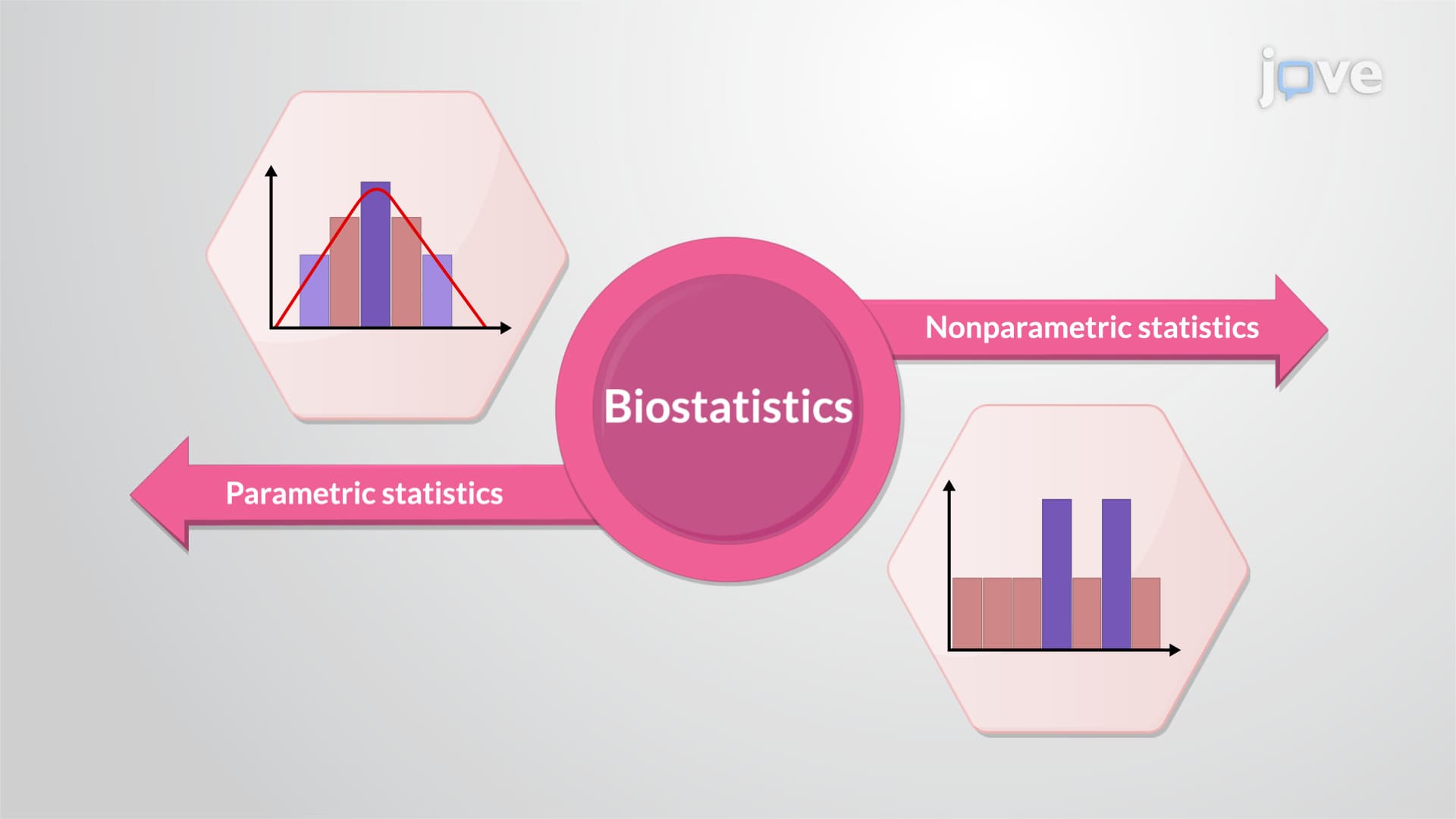
Statistical inference techniques form the backbone of modern data analysis, enabling researchers to make evidence-based conclusions about populations using sample data. These methods fall into two primary categories: parametric and nonparametric approaches, each serving distinct analytical purposes depending on data characteristics and research objectives.
The fundamental principle underlying all statistical inference involves using sample statistics to estimate population parameters or test hypotheses about population characteristics. This process requires careful consideration of sampling methods, data distribution assumptions, and appropriate test selection to ensure valid conclusions.
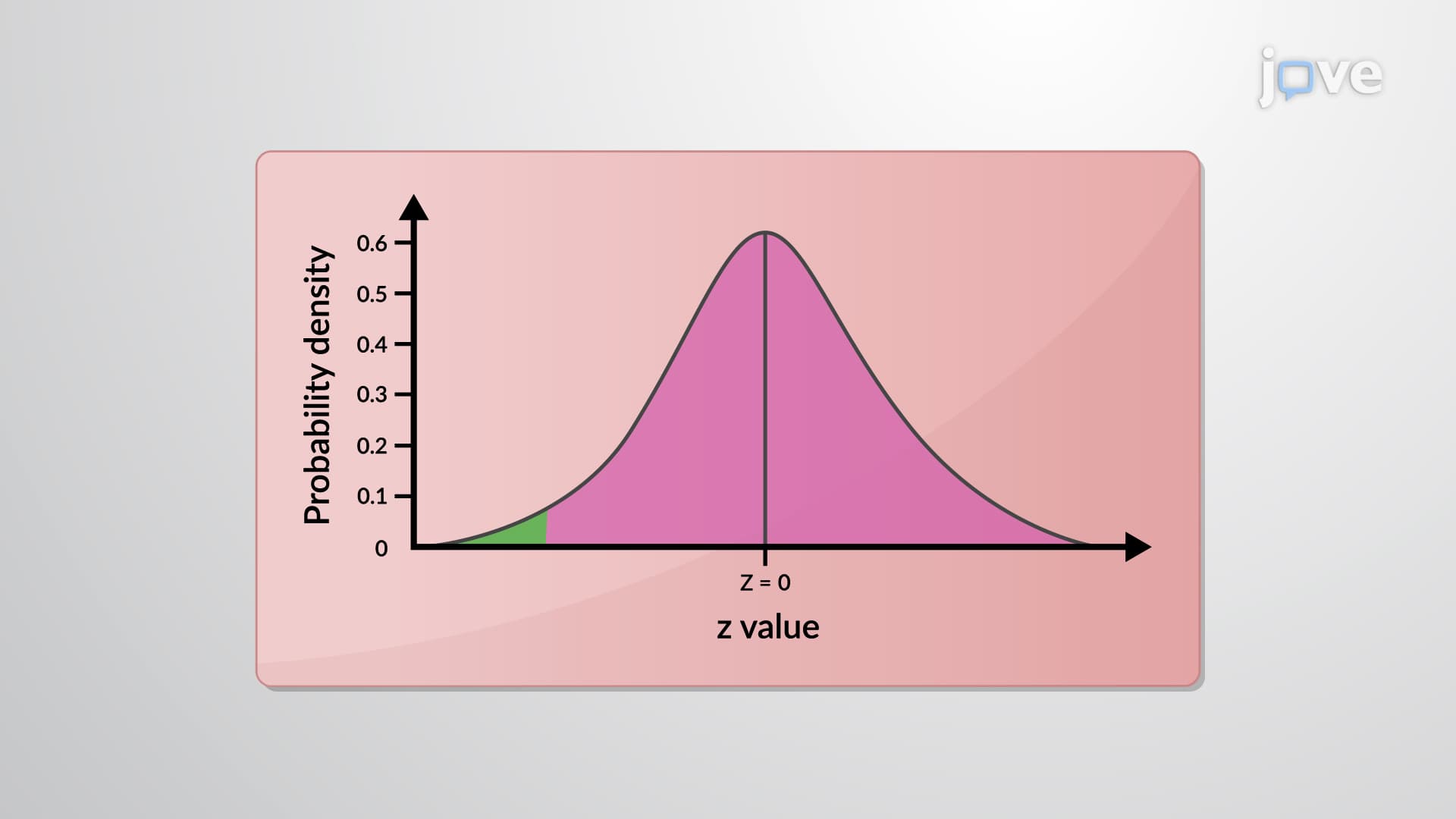
Parametric statistical inference techniques assume that data follows a specific probability distribution, typically the normal distribution. These methods include widely-used tests such as the Student's t-test for comparing means, ANOVA for multiple group comparisons, and regression analysis for examining relationships between variables.
In medical research, parametric methods shine when analyzing continuous data like blood pressure measurements, cholesterol levels, or drug concentrations. For example, pharmaceutical companies conducting Phase III clinical trials often use two-sample t-tests to compare mean efficacy outcomes between treatment and control groups. The FDA requires these rigorous statistical approaches for drug approval processes.
Students preparing for the MCAT or AP Statistics exams frequently encounter parametric test questions involving hypothesis testing scenarios. These tests offer high statistical power when their assumptions are met, making them efficient for detecting true differences or relationships in data.
Nonparametric statistical inference techniques make no assumptions about underlying data distributions, making them invaluable when dealing with skewed data, small samples, or ordinal measurements. Common nonparametric tests include the Wilcoxon rank-sum test (Mann-Whitney U test), Kruskal-Wallis test, and Spearman's rank correlation.
These methods excel in analyzing patient satisfaction scores, pain ratings, or survival times where data may not follow normal distributions. For instance, when comparing median recovery times between different surgical procedures, the Wilcoxon rank-sum test provides reliable results without requiring normality assumptions.
Nonparametric tests demonstrate remarkable robustness to outliers and work effectively with smaller sample sizes, making them practical for preliminary studies or pilot research projects. However, they generally have lower statistical power than parametric alternatives when parametric assumptions are satisfied.
Selecting appropriate statistical inference techniques requires evaluating several factors: data type (continuous, ordinal, categorical), sample size, distribution shape, and research questions. Students should first assess whether their data meets parametric test assumptions through normality tests or visual inspection.
For college statistics courses and standardized exams, understanding when to apply each technique is crucial. Parametric methods work best with large samples and normally distributed continuous data, while nonparametric approaches handle non-normal distributions, ordinal data, and situations with extreme outliers or small sample sizes.
Related Micro-courses