Loading subject page…

- Pharmacokinetics and Pharmacodynamics
- Biostatistics: Introduction
- Statistical Hypothesis Testing
Micro-course: Biostatistics: Introduction
11,950 views
Learn key concepts and earn your certificate.



Statistical Hypothesis Testing

00:00
01:16
Video Summary: What Is Statistical Hypothesis Testing
Did you know that the FDA approves new medications only after rigorous statistical hypothesis testing proves their effectiveness? Statistical hypothesis testing is the scientific method that allows researchers to determine whether observed differences in data are real or just due to chance. For example, when pharmaceutical companies test whether a new cholesterol medication actually lowers patients' cholesterol levels compared to existing treatments, they use this powerful analytical framework. Watch the full video on JoVE Coach to master this concept with expert-led visuals and step-by-step explanations.
- Understand what statistical hypothesis testing is and how it forms the foundation of evidence-based decision making in research
- Identify the difference between null hypothesis (H₀) and alternative hypothesis (H₁) in experimental design
- Analyze how statistical significance determines whether to accept or reject a hypothesis based on sample data
- Compare treatment and control groups to evaluate the effectiveness of interventions or treatments
- Evaluate real-world applications of hypothesis testing in medical research, marketing, and quality control
- Apply hypothesis testing concepts to assess relationships between variables in scientific studies
- Recognize the role of statistical hypothesis testing in validating research claims and avoiding false conclusions
- Explore how hypothesis testing helps distinguish between meaningful results and random variation in data
Understanding Statistical Hypothesis Testing Fundamentals
Statistical hypothesis testing serves as the backbone of scientific research and data-driven decision making. This systematic approach allows researchers to evaluate claims about populations using sample data, providing a structured method to distinguish between genuine effects and random chance. The process begins with formulating two competing statements: the null hypothesis (H₀) and the alternative hypothesis (H₁).
The Null and Alternative Hypothesis Framework
The null hypothesis represents the status quo or assumption of no effect, no difference, or no relationship between variables. For instance, when testing a new SAT prep course, the null hypothesis might state that the average score improvement equals zero. Conversely, the alternative hypothesis suggests there is a significant effect, difference, or relationship. In the SAT example, this would claim that students who take the prep course show meaningful score improvements.
This framework proves essential for AP Statistics students and college undergraduates studying research methods. The beauty of hypothesis testing lies in its ability to control for Type I errors (false positives) by setting significance levels, typically at 0.05 or 5%.
Real-World Applications in American Industries
Statistical hypothesis testing permeates numerous sectors of American society. The Centers for Disease Control and Prevention (CDC) uses it to evaluate vaccine efficacy, comparing infection rates between vaccinated and unvaccinated populations. Netflix employs A/B testing-a form of hypothesis testing-to determine which movie recommendations increase user engagement. Even the U.S. Census Bureau relies on these methods to ensure sampling accuracy in demographic surveys.
In clinical trials conducted by major pharmaceutical companies like Pfizer or Johnson & Johnson, researchers must demonstrate that new treatments significantly outperform existing standards or placebos. This rigorous testing protects patients and ensures only effective treatments reach the market.
Statistical Significance and Decision Making
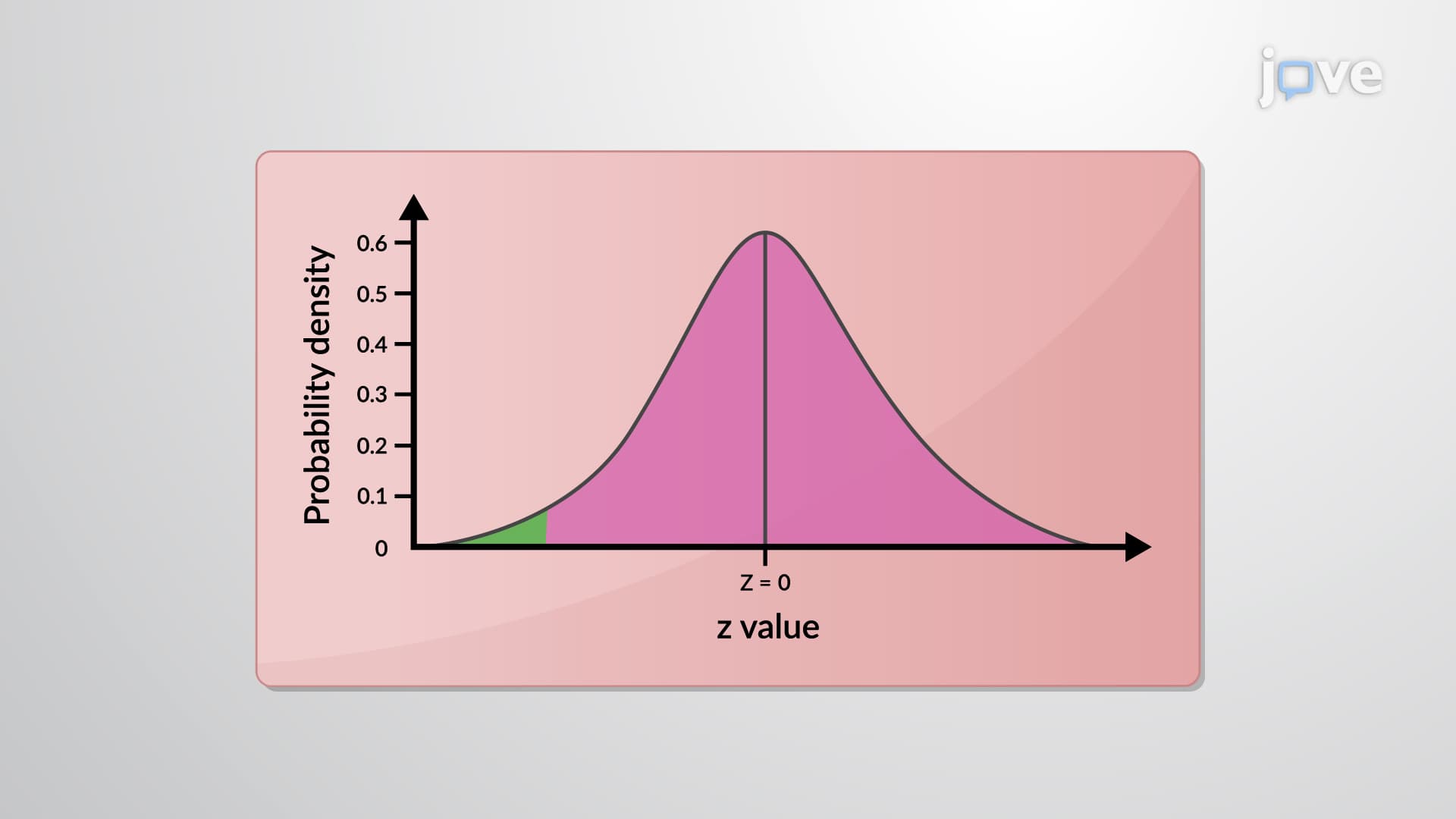
Statistical significance testing helps researchers determine whether observed differences exceed what random variation alone could produce. When p-values fall below predetermined thresholds, typically 0.05, researchers reject the null hypothesis in favor of the alternative. This process appears frequently on MCAT practice questions and college statistics exams, where students must interpret results and make appropriate conclusions.
The concept extends beyond academic settings into business intelligence, where companies like Amazon use hypothesis testing to optimize website layouts, pricing strategies, and inventory management. Understanding these applications prepares students for careers in data science, healthcare, marketing research, and quality assurance.
Frequently Asked Questions
Statistical hypothesis testing is a systematic method for evaluating claims about populations using sample data to determine if observed differences are statistically significant rather than due to random chance. It's crucial because it provides objective criteria for making evidence-based decisions in fields ranging from medicine to marketing. This approach helps researchers avoid drawing false conclusions and ensures that only genuine effects are considered meaningful.
The AP Statistics exam frequently includes hypothesis testing problems where students must identify null and alternative hypotheses, calculate test statistics, determine p-values, and interpret results in context. Students encounter scenarios like comparing mean test scores between two teaching methods or testing whether a coin is fair. These problems typically appear in both multiple-choice and free-response sections, requiring both computational skills and conceptual understanding.
MCAT questions focus more on interpreting research results and understanding study design implications for medical applications, while college statistics courses emphasize computational methods and mathematical foundations. MCAT problems often present completed research studies where students must evaluate conclusions, whereas college exams require students to perform calculations and construct their own hypothesis tests from raw data.
The FDA's approval of COVID-19 vaccines exemplifies hypothesis testing in action. Researchers tested the null hypothesis that vaccines provide no protection against infection versus the alternative hypothesis that vaccines significantly reduce infection rates. Clinical trials involving tens of thousands of participants showed infection rates of less than 5% in vaccinated groups compared to over 90% in placebo groups, leading to rejection of the null hypothesis and vaccine approval.
Not at all! While the mathematical details can be complex, the core concepts are quite intuitive and build on logical reasoning skills high schoolers already possess. Students who understand basic probability and can follow step-by-step procedures typically succeed with hypothesis testing. Many concepts parallel everyday decision-making processes, making them more accessible than they initially appear.
Focus on understanding the logic behind each step rather than memorizing formulas. Practice identifying appropriate null and alternative hypotheses from word problems, then work through calculating test statistics and interpreting p-values. Create a systematic checklist for hypothesis testing problems and practice with real-world scenarios similar to those your professor emphasizes in class.
This knowledge opens doors to numerous high-demand fields including data science, biostatistics, market research, quality control, and evidence-based policy making. Many STEM majors require statistics courses, and understanding hypothesis testing provides a strong foundation for research methods across disciplines. Even business and social science careers increasingly value statistical literacy for making data-driven decisions.
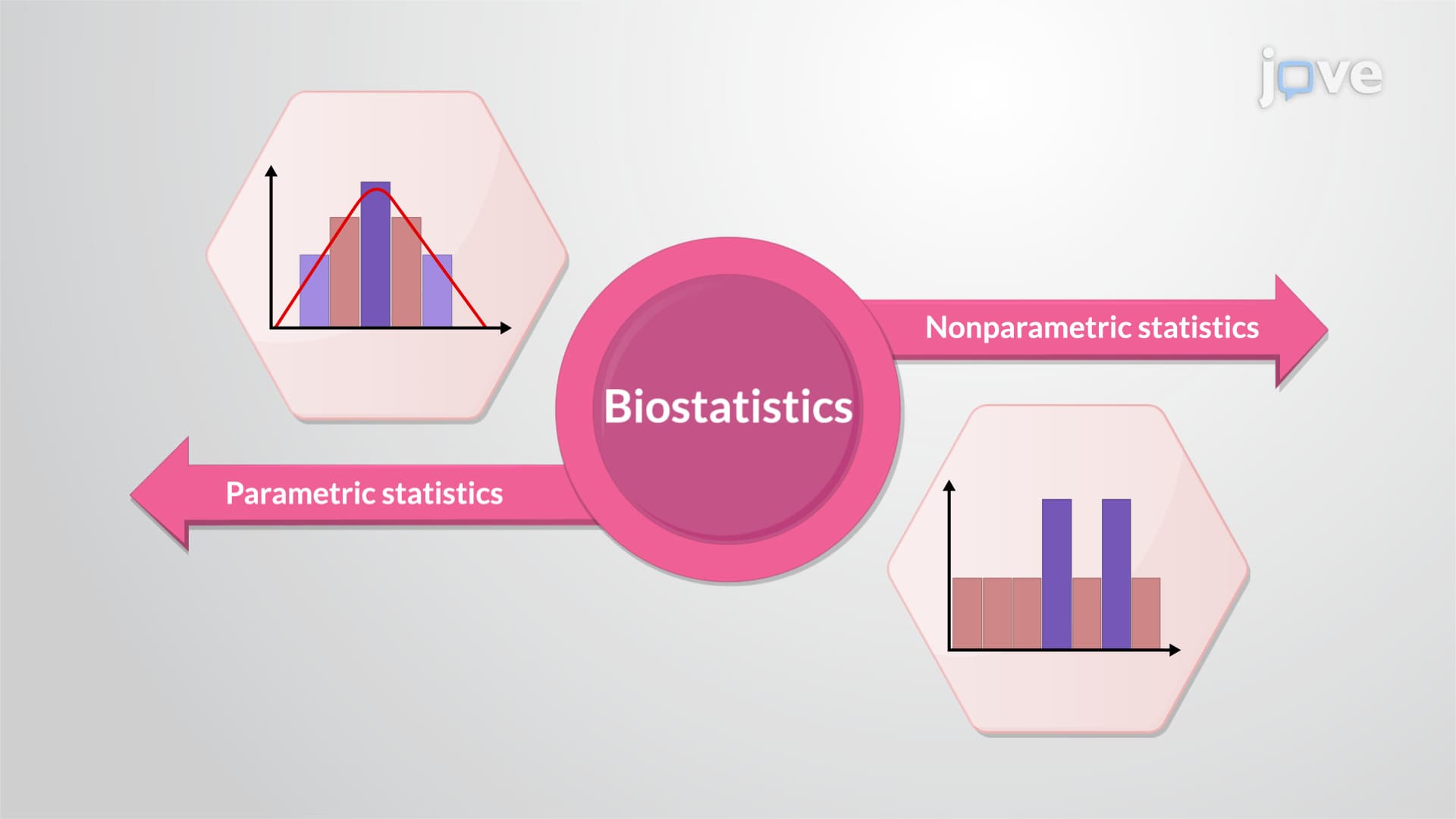
Build on hypothesis testing by exploring confidence intervals, regression analysis, and experimental design principles. These topics deepen your understanding of statistical inference and prepare you for advanced courses in data science or research methods. Consider studying ANOVA for comparing multiple groups and non-parametric tests for situations where traditional assumptions don't hold.
Related Micro-courses

29 Concepts


15 Concepts