Loading subject page…


36,893 views

Video Summary: Adrenergic Agonists Chemistry and Structure Explained
Ever wonder why epinephrine (EpiPen) works so fast in life-threatening allergic reactions? The secret lies in adrenergic agonists chemistry structure, specifically the β-phenylethylamine skeleton that allows these molecules to rapidly activate your body's fight-or-flight response. From emergency medications like epinephrine used in US hospitals to decongestants containing phenylephrine found in drugstores, understanding Adrenergic Agonists Chemistry And Structure Explained is crucial for mastering pharmacology. Watch the full video on JoVE Coach to master this concept with expert-led visuals and step-by-step explanations.
Adrenergic agonists represent a critical class of medications that mimic the action of naturally occurring neurotransmitters like epinephrine and norepinephrine. These drugs are essential in treating conditions ranging from asthma attacks to cardiac arrest in US emergency departments. The foundation of their pharmacological activity lies in a specific molecular blueprint called the β-phenylethylamine skeleton, which serves as the structural backbone for all compounds in this drug class.
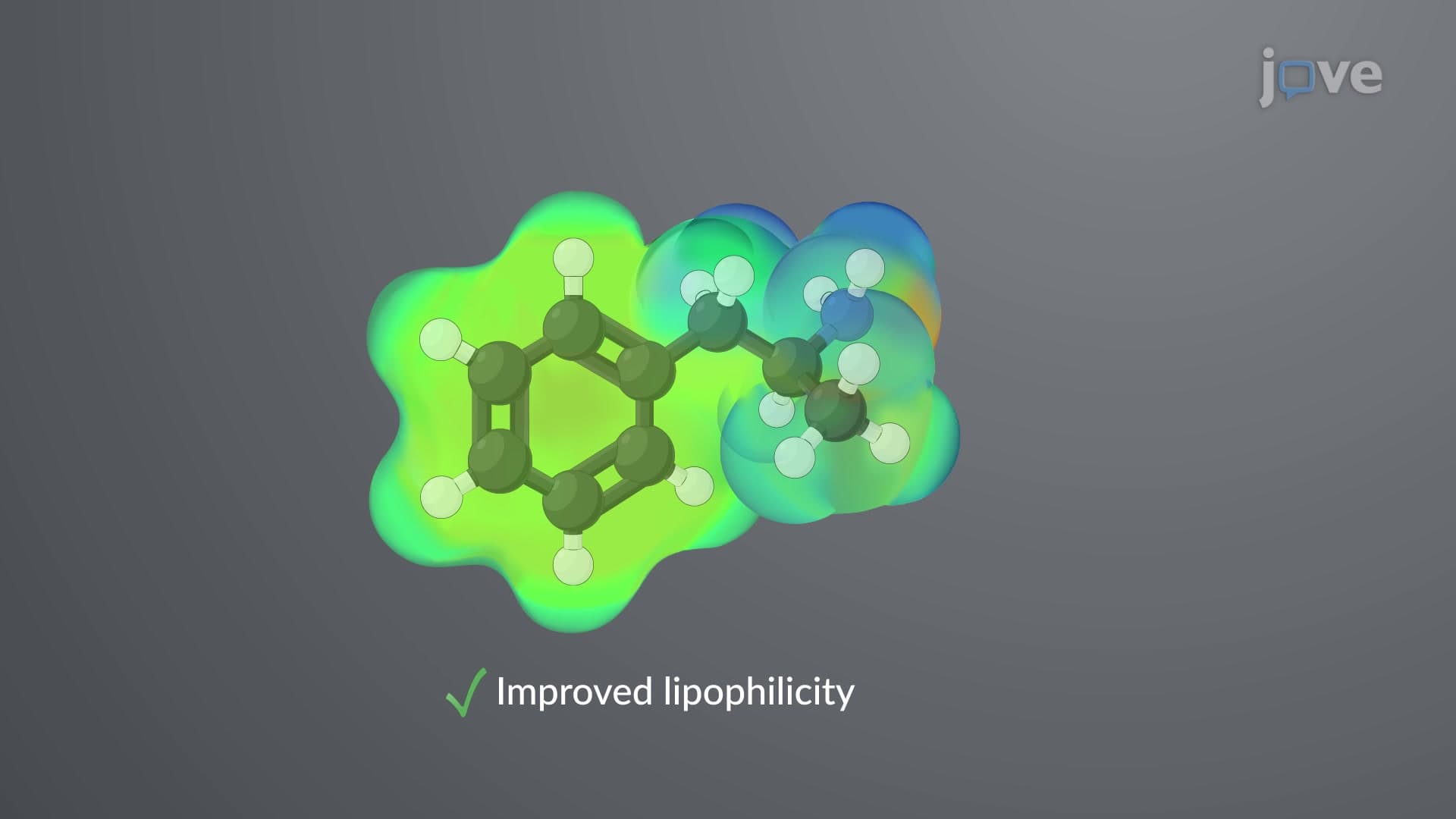
The β-phenylethylamine skeleton consists of a benzene ring connected to an ethylamine chain through a two-carbon linker. This precise arrangement is non-negotiable for optimal receptor binding-drugs lacking this specific geometry show dramatically reduced activity. Think of it like a molecular key that must fit perfectly into the adrenergic receptor lock. US pharmaceutical companies spend millions ensuring their drug candidates maintain this critical structural feature while optimizing other properties.
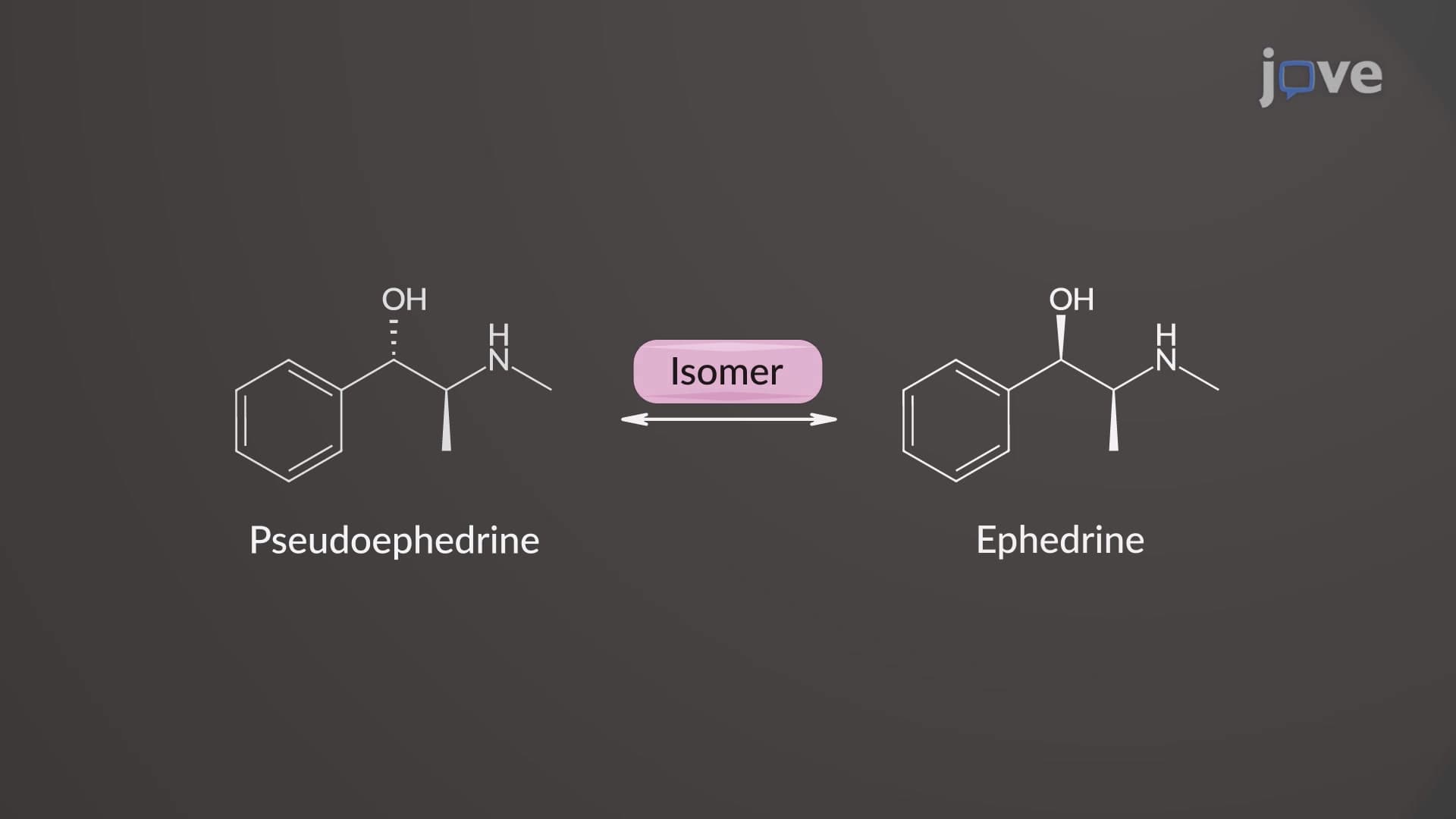
The positioning of hydroxyl (OH) groups on the aromatic ring determines the drug's potency and selectivity. Hydroxyl groups at positions 3 and 4 (creating what chemists call a catechol structure) are essential for maximum agonist activity. Removing these groups creates a trade-off: while the drug becomes less potent, it gains metabolic stability and can better penetrate the central nervous system. This principle explains why medications like pseudoephedrine (lacking both OH groups) can cross the blood-brain barrier to cause side effects like jitteriness, while epinephrine (with both OH groups) primarily affects peripheral tissues.
Strategic modifications to the basic structure allow pharmaceutical scientists to fine-tune drug properties. Adding bulky alkyl groups to the amino nitrogen typically enhances β-receptor selectivity, making drugs more useful for treating asthma and other respiratory conditions. However, phenylephrine represents a notable exception-despite having a bulky substituent, it selectively targets α-receptors and serves as an effective nasal decongestant. Students preparing for the MCAT or AP Chemistry exams should remember that these structure-activity relationships frequently appear in test questions about drug design and pharmacology.
Related Micro-courses