Loading video…


 20 Concepts
 36.9K views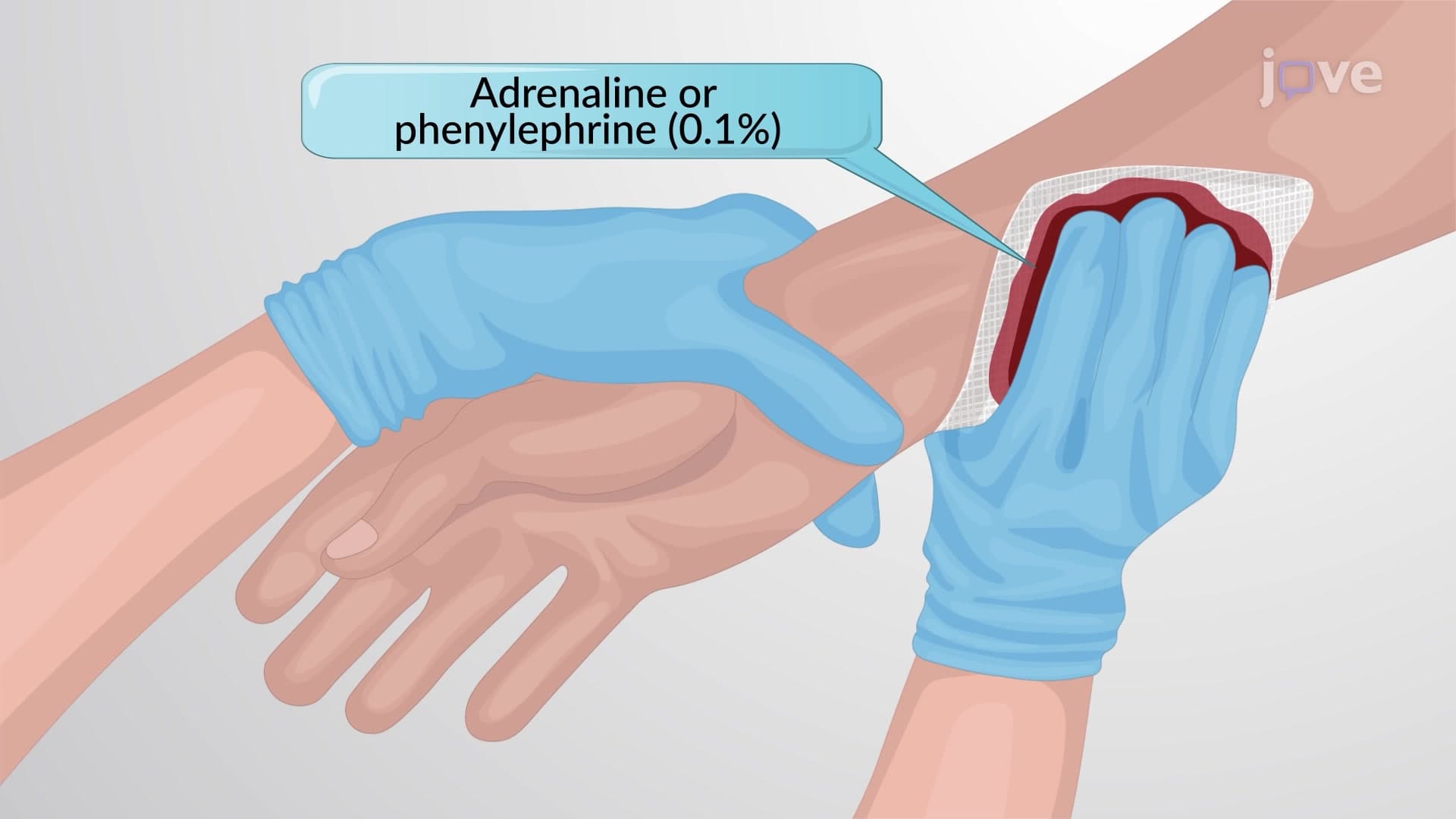

Video Summary: What Is Adrenergic Agonists Therapeutic Uses
Did you know that the adrenaline auto-injector (EpiPen) used to treat severe allergic reactions at US schools relies on adrenergic agonists therapeutic uses? These life-saving medications work by mimicking the body's natural fight-or-flight response, making them essential tools in emergency medicine and chronic disease management. From treating anaphylactic shock in hospital emergency departments to managing ADHD in classroom settings, adrenergic agonists serve diverse therapeutic roles across multiple medical specialties. Watch the full video on JoVE Coach to master this concept with expert-led visuals and step-by-step explanations.
Adrenergic agonists therapeutic uses represent a cornerstone of emergency and chronic disease management, functioning by stimulating the same receptors activated during the body's natural stress response. These medications essentially "hijack" the sympathetic nervous system to produce desired therapeutic effects, making them invaluable across numerous medical specialties from emergency medicine to psychiatry.
The most critical adrenergic agonists therapeutic uses occur in life-threatening scenarios. Epinephrine (adrenaline) serves as the gold standard for anaphylactic shock treatment, rapidly reversing airway constriction and vascular collapse that can kill within minutes. In US emergency departments, epinephrine's ability to simultaneously stimulate α1 receptors (vasoconstriction), β1 receptors (increased heart rate and contractility), and β2 receptors (bronchodilation) makes it uniquely effective for multi-system allergic reactions.
For cardiogenic and hypovolemic shock, healthcare providers utilize different adrenergic strategies. Dopamine acts as a dose-dependent medication: low doses primarily affect dopamine receptors for kidney vasodilation, moderate doses stimulate β1 receptors for cardiac support, and high doses activate α1 receptors for vasoconstriction. This versatility explains why dopamine remains a first-line vasopressor in US intensive care units.
Beyond emergency applications, adrenergic agonists therapeutic uses extend into chronic disease management. β2-selective agonists like albuterol (salbutamol) provide bronchodilation for asthma patients, representing one of the most prescribed medication classes in US schools and clinics. The selectivity for β2 receptors minimizes cardiac side effects while maximizing respiratory benefits.
In psychiatry and neurology, indirect adrenergic agonists like methylphenidate and amphetamines treat ADHD by increasing norepinephrine and dopamine availability in prefrontal cortex regions responsible for attention and impulse control. These medications help millions of US students achieve better academic performance and behavioral regulation. For narcolepsy patients, these same mechanisms promote wakefulness during daytime hours.
Several unique adrenergic agonists therapeutic uses deserve recognition. α-agonists like phenylephrine serve dual purposes: systemic administration provides vasoconstriction for hypotension management, while topical application (nasal sprays, eye drops) creates localized effects without significant systemic absorption. This principle explains phenylephrine's use in both operating rooms for blood pressure support and optometry clinics for pupil dilation during eye examinations.
Newer applications include β3-selective agonists like mirabegron for overactive bladder treatment, demonstrating how receptor selectivity continues expanding therapeutic possibilities. This represents the future direction of adrenergic pharmacology-increasingly precise targeting of specific receptor subtypes for minimal side effects and maximum therapeutic benefit.
Understanding these concepts proves essential for AP Biology students studying autonomic nervous system function, pre-med students preparing for the MCAT, and nursing students learning pharmacology for NCLEX preparation.
Related Micro-courses