Loading video…


 20 Concepts
 36.9K views

Video Summary: Adrenergic Agonists Direct Acting Agents Explained
Did you know that the adrenaline rush you feel during a basketball game involves the same receptors targeted by life-saving heart medications? Adrenergic agonists direct acting agents are synthetic drugs that mimic your body's natural fight-or-flight response with precision targeting. Unlike natural catecholamines that break down quickly in your digestive system, these engineered compounds like dobutamine (used in US cardiac units) can be taken orally or administered directly where needed. Adrenergic Agonists Direct Acting Agents Explained reveals how scientists overcame nature's limitations to create targeted therapies. Watch the full video on JoVE Coach to master this concept with expert-led visuals and step-by-step explanations.
The human sympathetic nervous system relies on naturally occurring catecholamines like epinephrine and norepinephrine to trigger fight-or-flight responses. However, these endogenous compounds face significant limitations as therapeutic agents. They cannot survive oral administration due to rapid breakdown by enzymes like monoamine oxidase (MAO) and catechol-O-methyltransferase (COMT), and they lack receptor specificity, causing widespread effects that may be undesirable in clinical settings.
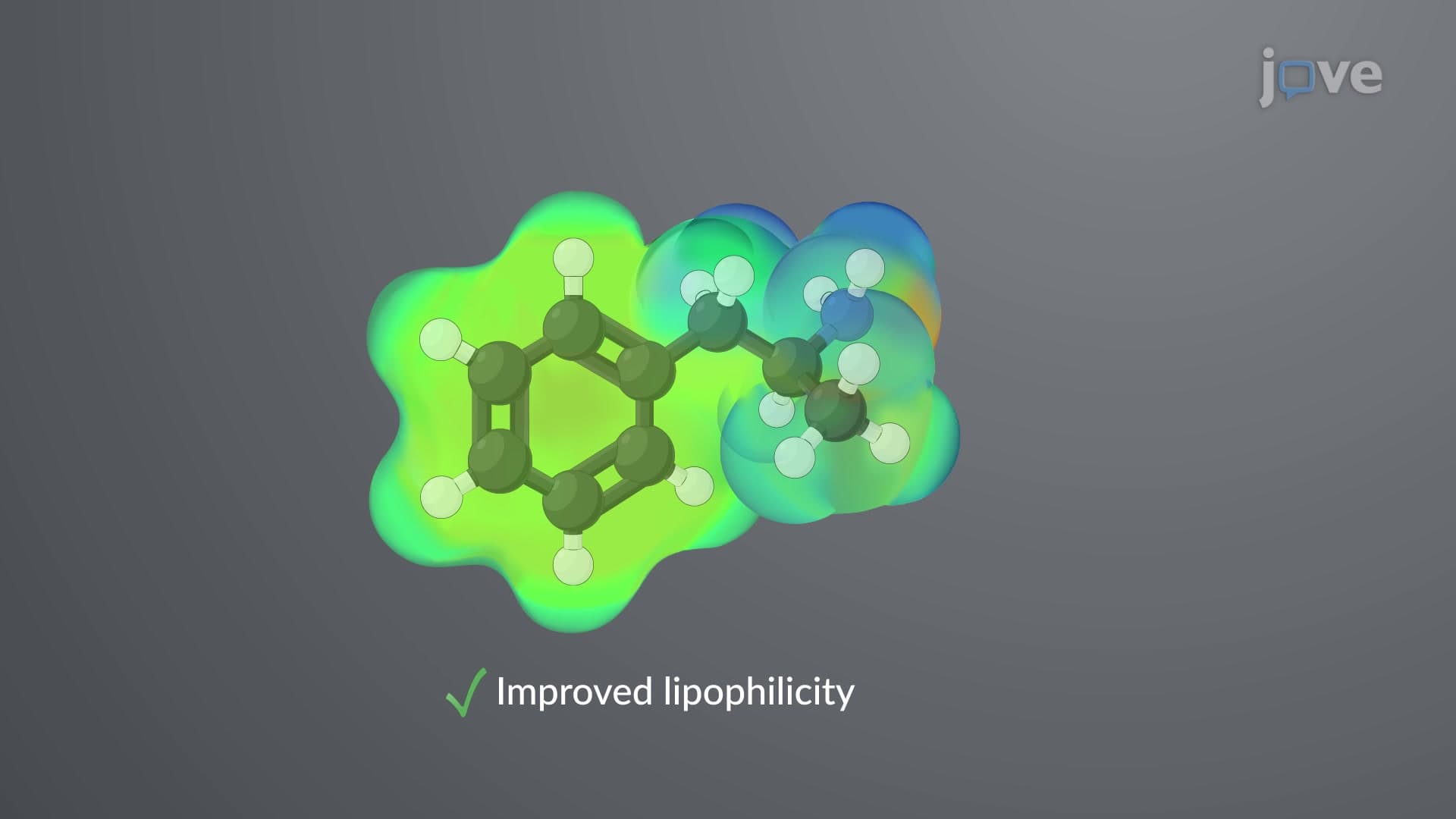
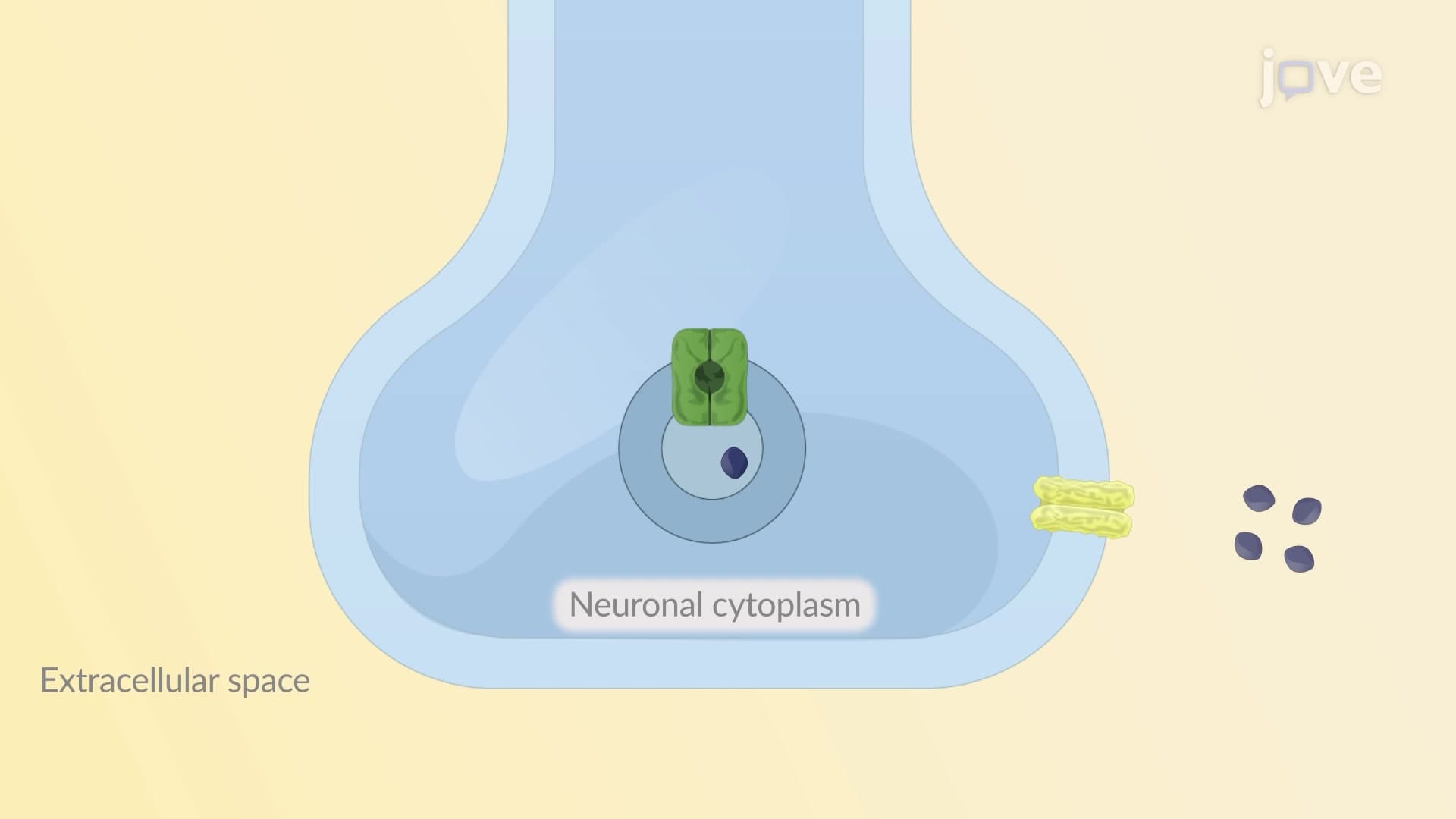
Direct-acting adrenergic agonists represent pharmaceutical chemistry's solution to these limitations. These synthetic compounds bypass presynaptic neurons entirely, binding directly to postsynaptic adrenoceptors to elicit targeted sympathetic responses with improved bioavailability and duration of action.
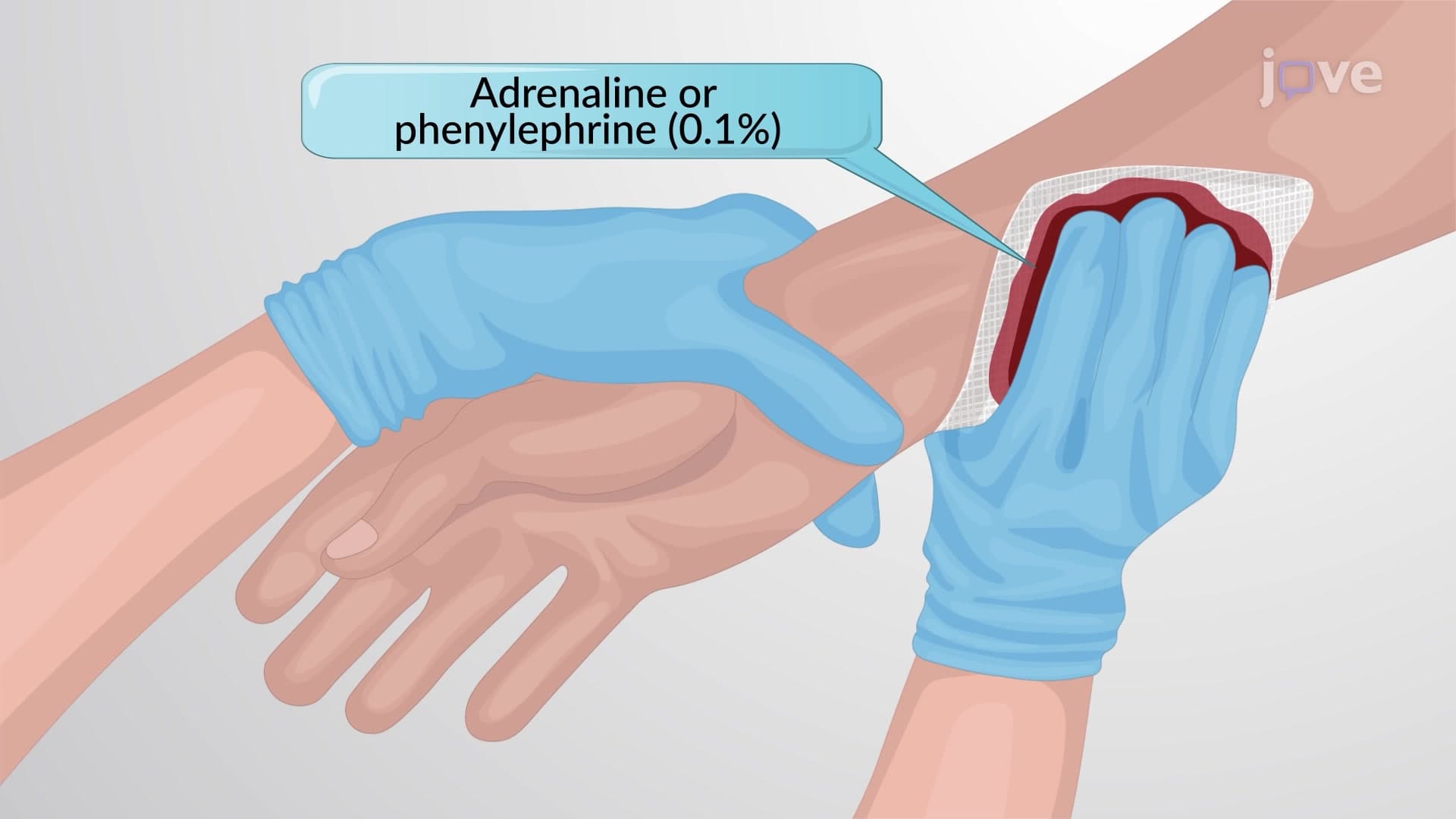
The classification of direct-acting adrenergic agonists centers on their selectivity for specific adrenoceptor subtypes. Nonselective agents like isoprenaline (isoproterenol) activate multiple receptor types, making them useful for research but limiting their clinical applications due to widespread effects. Oxymetazoline, commonly found in over-the-counter nasal decongestants like Afrin, demonstrates nonselective action but achieves therapeutic benefit through topical application that minimizes systemic exposure.
Selective agents provide the precision that makes modern adrenergic therapy possible. Alpha-1 selective agonists like phenylephrine are staples in US emergency departments for treating hypotension, while alpha-2 selective agents like clonidine serve as antihypertensive medications by reducing sympathetic outflow from the central nervous system.
Beta-selective agonists showcase the therapeutic power of receptor specificity. Beta-1 selective agents like dobutamine increase cardiac contractility without significantly affecting heart rate, making them invaluable in cardiac intensive care units across US hospitals for treating heart failure with reduced ejection fraction. Meanwhile, beta-2 selective agonists like terbutaline and albuterol form the backbone of asthma and COPD treatment, providing bronchodilation while minimizing cardiac effects.
Students preparing for the MCAT or USMLE should note that understanding these selectivity patterns helps predict both therapeutic effects and potential adverse reactions. For instance, a beta-2 agonist used for asthma might cause tremors (due to some beta-2 receptors in skeletal muscle) but shouldn't significantly increase heart rate if truly selective.
The synthetic nature of direct-acting adrenergic agonists allows for structural modifications that enhance their clinical utility. Many can be formulated for oral, inhaled, or intravenous administration, providing flexibility in treatment approaches. Their improved stability means longer shelf life and more predictable dosing compared to natural catecholamines, which require special handling and immediate use in clinical settings.
Related Micro-courses