Loading video…


 20 Concepts
 36.9K views


Video Summary: Adrenergic Antagonists Pharmacological Actions of Beta Receptors Explained
Did you know that the beta-blocker propranolol can treat both heart conditions and severe birthmarks in infants? Adrenergic antagonists pharmacological actions involve blocking the body's "fight-or-flight" responses by inhibiting catecholamine effects at receptor sites. For instance, cardiologists at Mayo Clinic routinely prescribe these medications to manage hypertension and prevent cardiac arrhythmias in millions of Americans. Understanding adrenergic antagonists pharmacological actions of alpha receptors explained is crucial for grasping how these life-saving medications work. Watch the full video on JoVE Coach to master this concept with expert-led visuals and step-by-step explanations.
Adrenergic antagonists represent a cornerstone of modern cardiovascular pharmacology, fundamentally altering how the body responds to stress and sympathetic stimulation. These medications work by blocking adrenergic receptors, preventing natural catecholamines like epinephrine and norepinephrine from exerting their typical effects. This mechanism underlies their widespread therapeutic applications across multiple medical specialties.
The primary pharmacological action of beta-adrenergic antagonists centers on cardiovascular depression. By blocking beta-1 receptors in cardiac tissue, these drugs significantly reduce heart rate (negative chronotropic effect), decrease contractility (negative inotropic effect), and lower overall cardiac output. This triple action makes them invaluable for treating hypertension, with drugs like metoprolol and atenolol prescribed to over 30 million Americans annually.
In clinical practice, cardiologists at institutions like Cleveland Clinic and Johns Hopkins utilize these medications to manage angina pectoris by reducing myocardial oxygen demand. The anti-arrhythmic properties prove particularly valuable in preventing sudden cardiac death, especially in post-myocardial infarction patients. However, the cardiac depressive effects can lead to life-threatening bradycardia and heart failure, requiring careful patient monitoring and dose titration.
A critical distinction exists between selective and nonselective beta-blockers regarding respiratory effects. Nonselective agents like propranolol block beta-2 receptors in bronchial smooth muscle, causing dangerous bronchoconstriction in patients with asthma or chronic obstructive pulmonary disease. This understanding is crucial for MCAT preparation and clinical decision-making, as selective beta-1 blockers like metoprolol offer safer alternatives for patients with respiratory conditions.
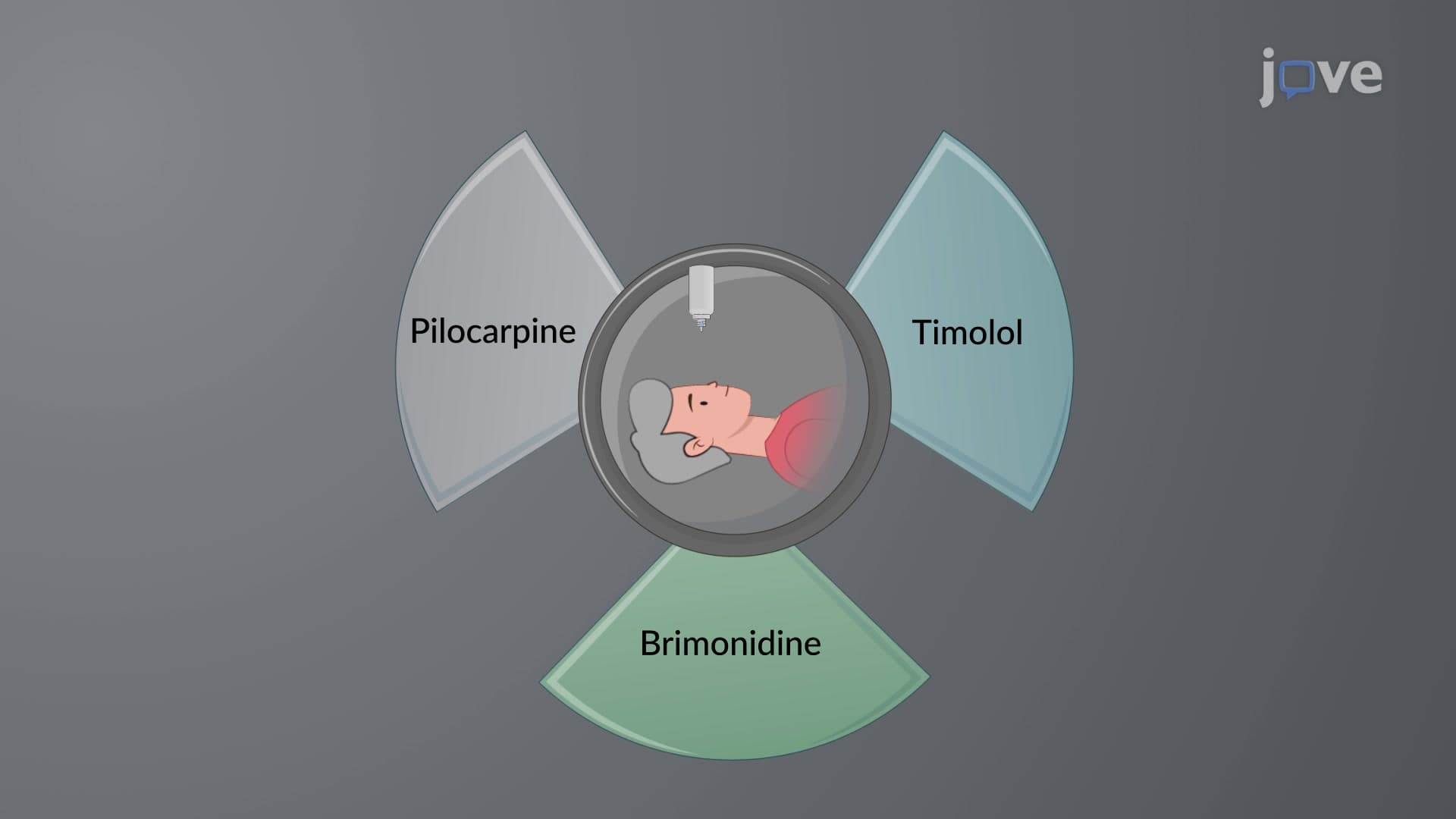
Beyond cardiovascular medicine, adrenergic antagonists demonstrate remarkable versatility. Ophthalmologists prescribe timolol eye drops to reduce intraocular pressure in glaucoma patients by decreasing aqueous humor production. Neurologists utilize propranolol for chronic migraine prevention, while endocrinologists employ these drugs to control excessive sympathetic responses in pheochromocytoma and thyrotoxicosis. The FDA's approval of propranolol for severe infantile hemangiomas represents a breakthrough in pediatric dermatology, offering non-surgical treatment for these vascular tumors.
Students preparing for AP Biology or college pharmacology courses should note that beta-blockers also affect metabolic processes, inhibiting sympathetically-induced lipolysis and insulin release. These effects contribute to their comprehensive therapeutic profile while potentially causing adverse effects like fatigue, depression, and sleep disturbances through central nervous system interactions.
Related Micro-courses