Loading subject page…


36,893 views


Video Summary: Adrenergic Agonists Indirect Acting Agents Explained
Why do stimulants like amphetamines create such powerful effects in the body? Adrenergic agonists indirect acting agents work by enhancing your body's own stress hormones rather than directly stimulating receptors. Unlike cocaine, which blocks reuptake transporters, drugs like tyramine actually displace stored norepinephrine from nerve terminals, creating amplified sympathetic responses. This mechanism explains why these substances are both medically useful and potentially dangerous. Watch the full video on JoVE Coach to master this concept with expert-led visuals and step-by-step explanations.
Adrenergic agonists indirect acting agents represent a fascinating class of drugs that amplify the body's natural stress response without directly binding to adrenergic receptors. Instead of mimicking norepinephrine and epinephrine directly, these compounds enhance the effects of endogenous catecholamines through sophisticated cellular mechanisms. This indirect approach often produces more sustained and sometimes more intense physiological responses than direct-acting agonists.
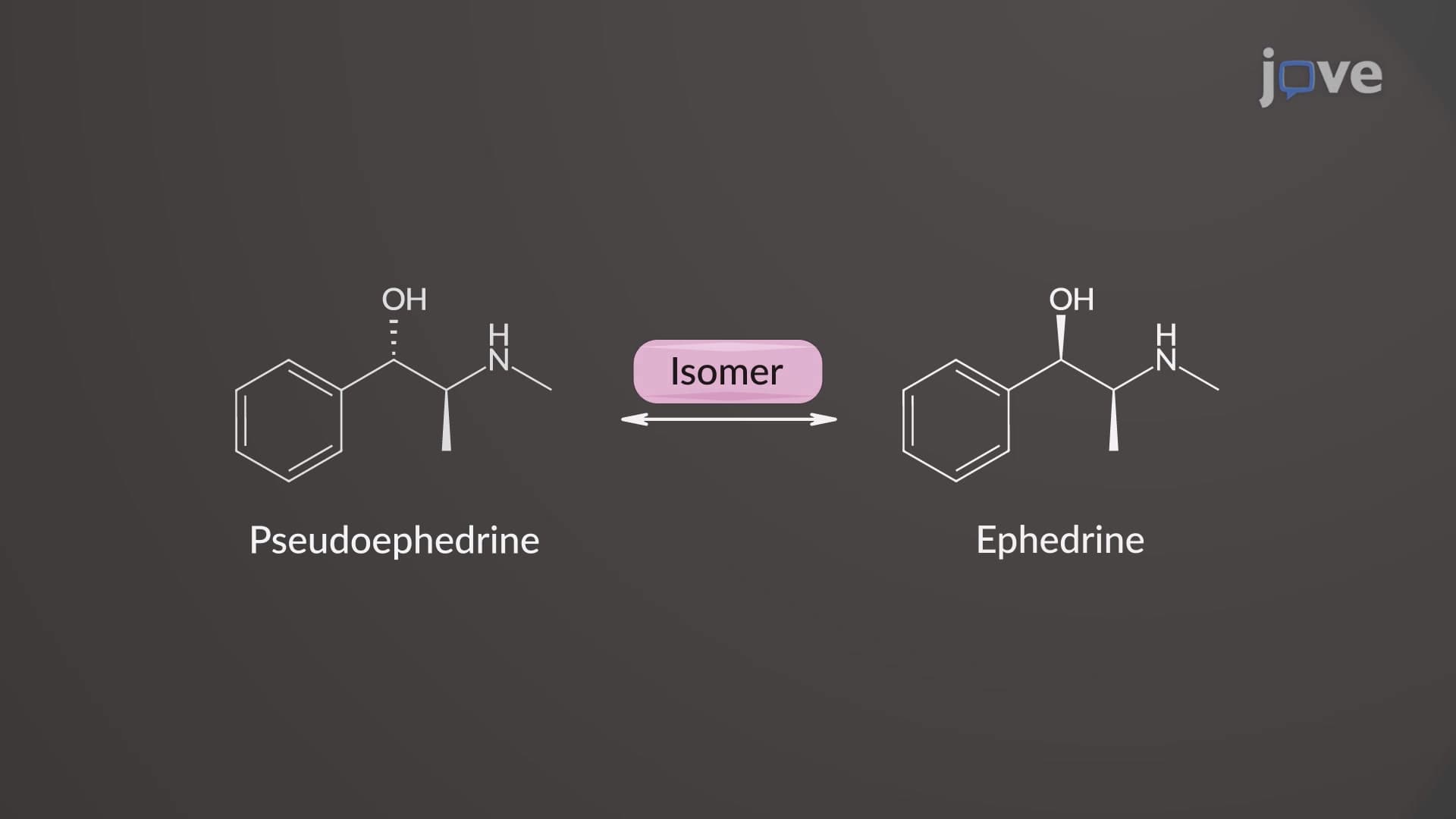
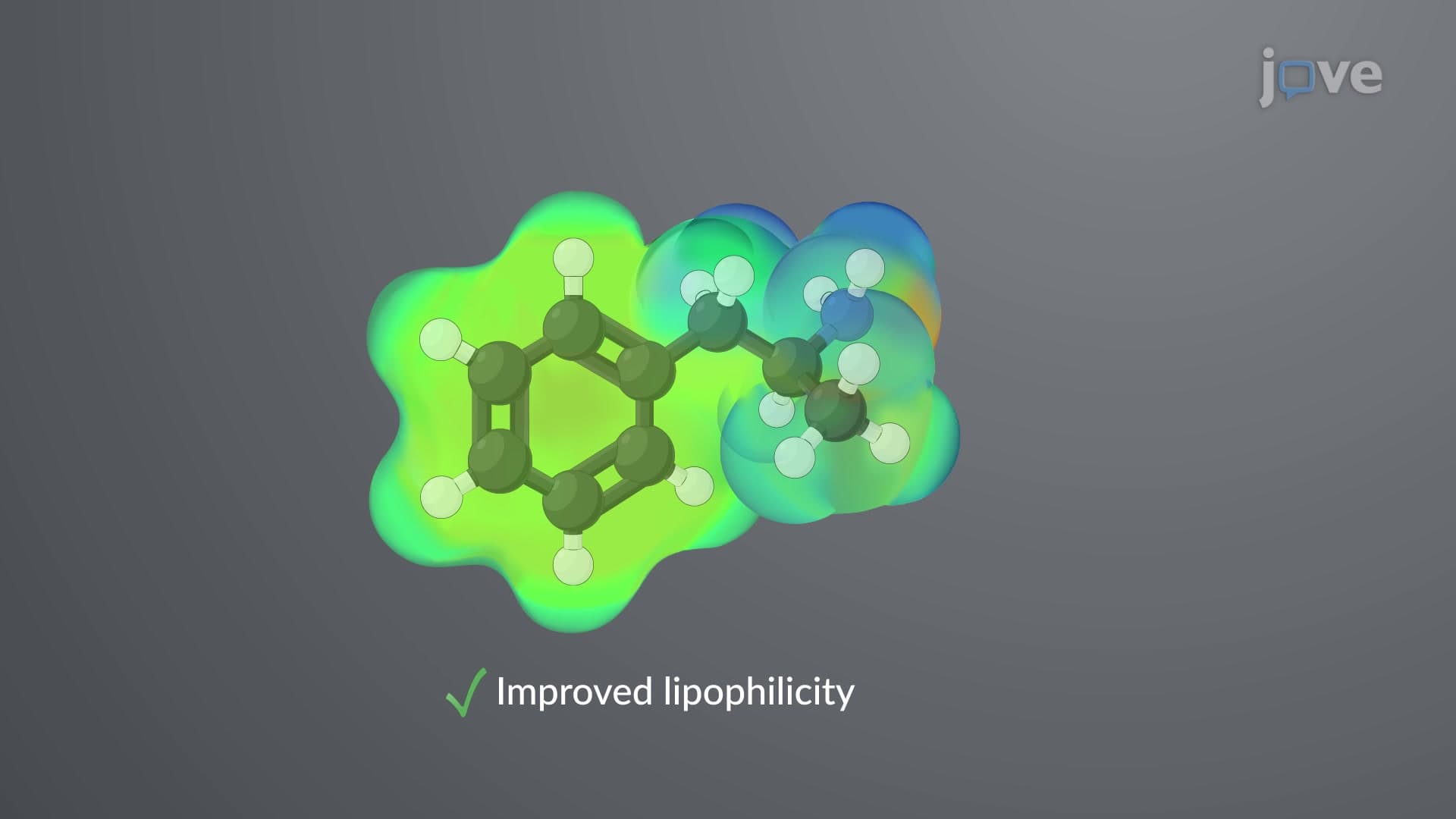
The displacement mechanism employed by drugs like amphetamine and tyramine involves a clever molecular deception. These displacer molecules structurally resemble norepinephrine but lack the characteristic catechol group (two adjacent hydroxyl groups on a benzene ring). This similarity allows them to hijack the norepinephrine transporter (NET), gaining entry into sympathetic nerve terminals.
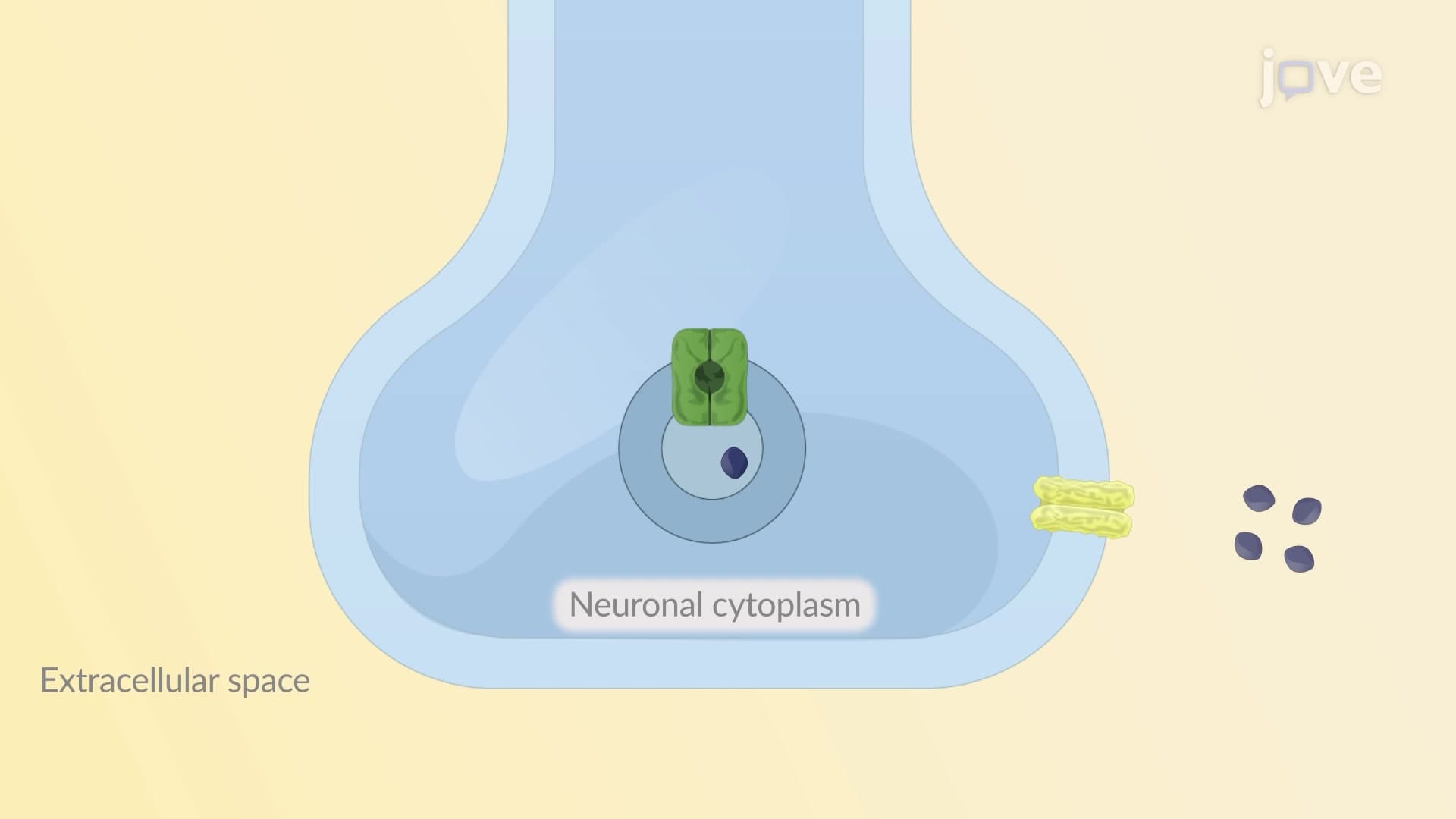
Once inside, these impostor molecules infiltrate synaptic vesicles where norepinephrine is normally stored. Through a process called competitive displacement, they force stored norepinephrine out of vesicles and into the cytoplasm. The displaced norepinephrine then gets pumped out of the nerve terminal through reverse transport, flooding synaptic clefts with neurotransmitter. This mechanism explains why amphetamine produces such prolonged stimulation-it's literally emptying the body's norepinephrine reserves.
Cocaine demonstrates a different indirect mechanism by blocking the norepinephrine transporter from the outside, preventing normal reuptake of released catecholamines. This blockade allows norepinephrine and dopamine to accumulate in synaptic spaces, intensifying and prolonging their effects. The result is enhanced sympathetic activity and the euphoric effects that make cocaine highly addictive.
Enzyme inhibitors like selegiline (MAO-B inhibitor) and entacapone (COMT inhibitor) work by preventing catecholamine breakdown. Monoamine oxidase and catechol-O-methyltransferase normally metabolize norepinephrine, epinephrine, and dopamine. By blocking these enzymes, these drugs extend the half-life of endogenous catecholamines, effectively amplifying sympathetic responses.
For MCAT and AP Biology students, understanding these mechanisms is crucial for pharmacology questions. College physiology courses frequently test the distinction between direct and indirect sympathomimetics. The key concept is that indirect agents require functional sympathetic nerve terminals and adequate catecholamine stores to work effectively. This explains why indirect agents lose effectiveness with repeated use-they deplete neurotransmitter stores.
These mechanisms also explain important drug interactions. For example, patients taking MAO inhibitors who consume tyramine-rich foods (aged cheese, wine) can experience dangerous hypertensive crises because tyramine displacement combined with reduced metabolism creates excessive norepinephrine accumulation.
Related Micro-courses