Loading subject page…


36,893 views

Video Summary: Adrenergic Agonists Mixed Action Agents Explained
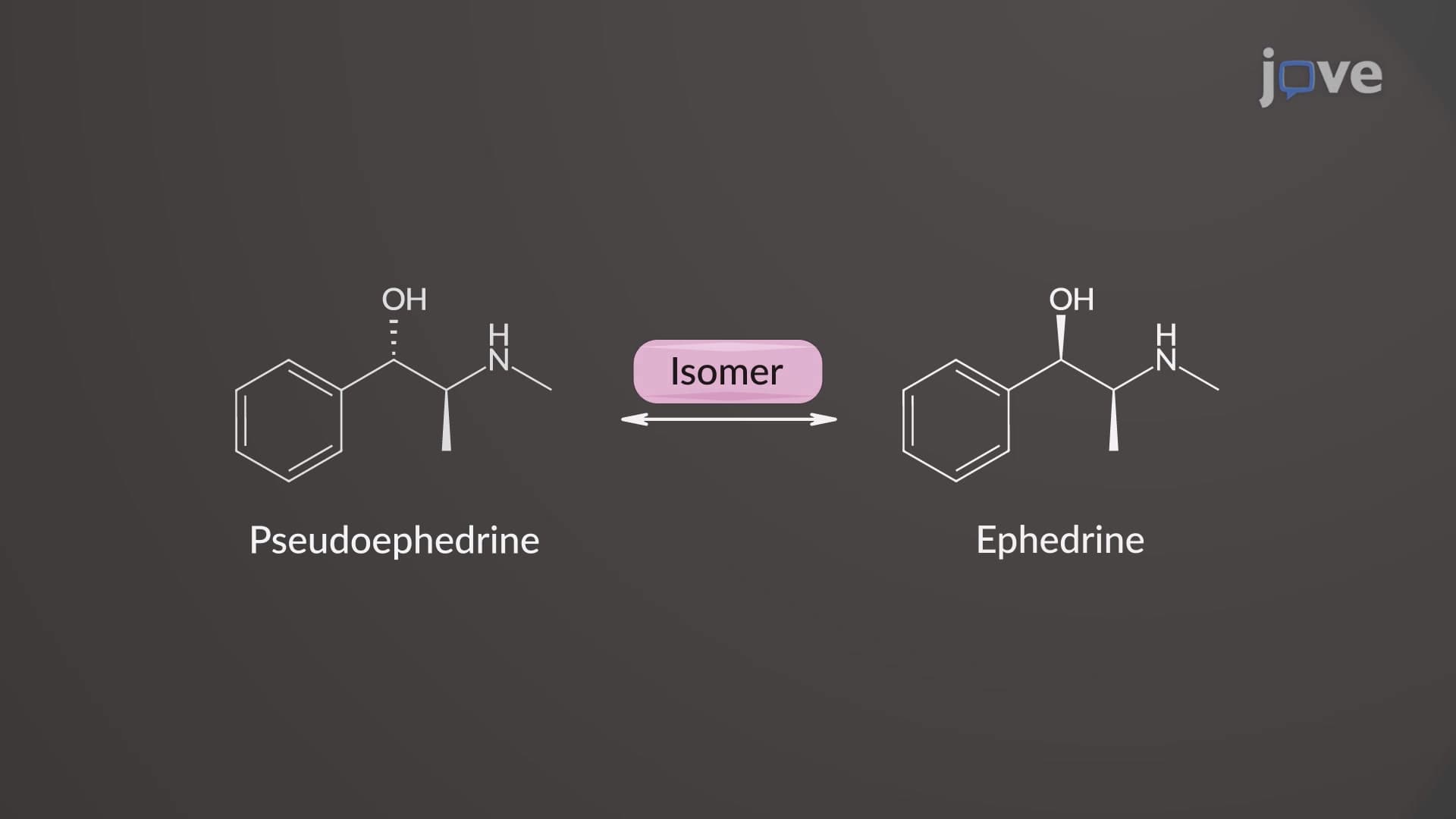
Ever wondered how Sudafed can clear your stuffy nose while also keeping you awake at night? Adrenergic agonists mixed action agents work through a fascinating dual mechanism that makes them uniquely effective yet potentially problematic medications. These compounds, including ephedrine found in cold medicines and pseudoephedrine in decongestants like those sold at CVS and Walgreens, simultaneously stimulate receptors and trigger neurotransmitter release. Watch the full video on JoVE Coach to master this concept with expert-led visuals and step-by-step explanations.
Mixed-action adrenergic agonists represent a unique class of sympathomimetic drugs that bridge the gap between direct and indirect mechanisms of action. Unlike pure direct agonists such as epinephrine, or pure indirect agonists like amphetamine, these compounds simultaneously bind to adrenergic receptors while also triggering the release of stored norepinephrine from nerve terminals. This dual action creates a pharmacological profile that combines immediate receptor activation with sustained neurotransmitter effects.
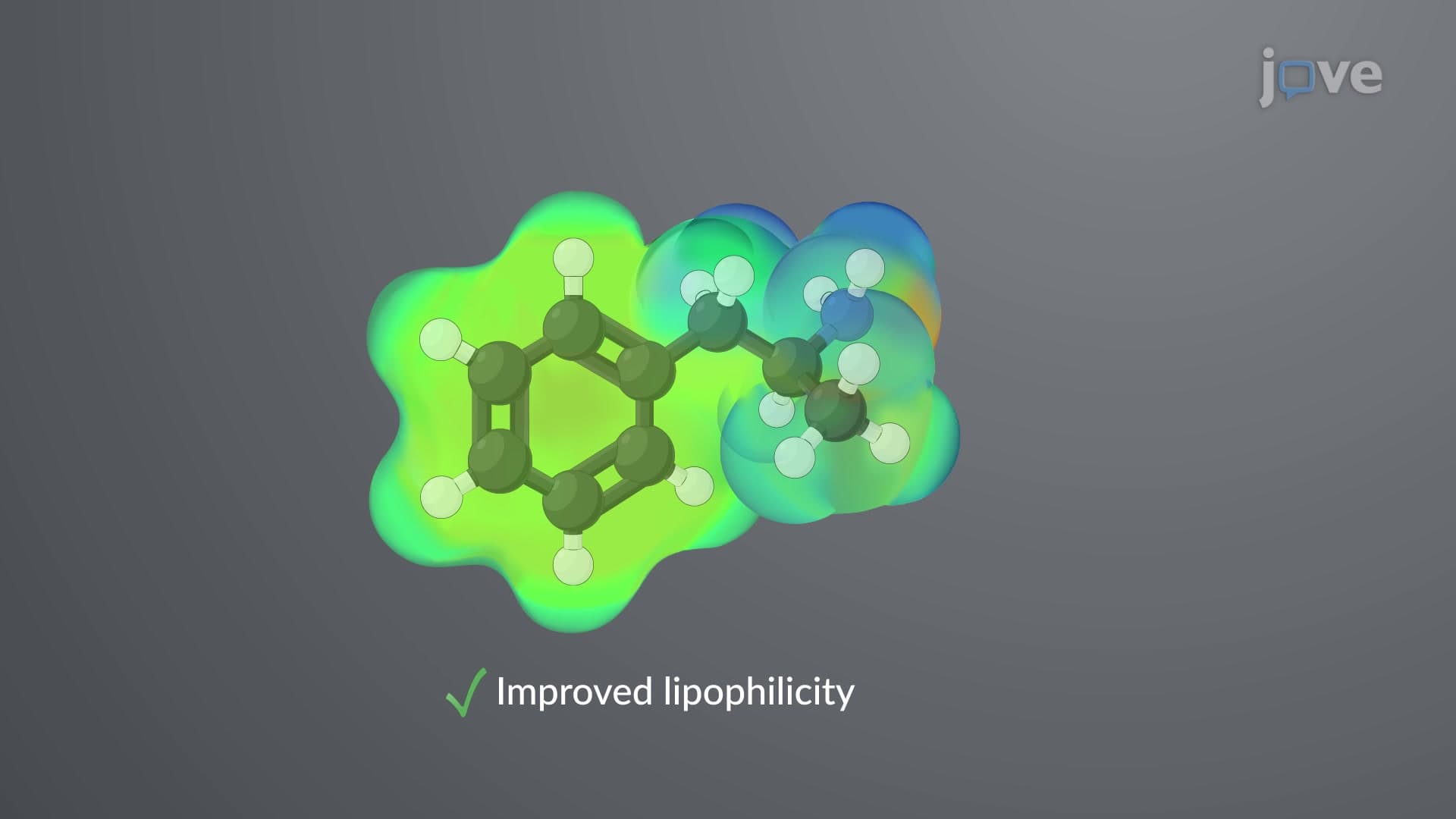
The key structural difference distinguishing mixed-action agents from endogenous catecholamines lies in their lack of the catechol moiety-the benzene ring with two adjacent hydroxyl groups found in dopamine, norepinephrine, and epinephrine. This structural modification makes ephedrine and pseudoephedrine poor substrates for catechol-O-methyltransferase (COMT) and monoamine oxidase (MAO), the primary enzymes responsible for catecholamine metabolism. Consequently, these drugs exhibit significantly longer half-lives and maintain therapeutic effects for hours rather than minutes. This extended duration makes them ideal for oral administration, unlike epinephrine which requires injection for systemic effects.
Ephedrine has found its niche in operating rooms across American hospitals, particularly for managing anesthesia-induced hypotension. When patients experience dangerous blood pressure drops during surgery, ephedrine's mixed action provides both immediate vasoconstriction through direct alpha-1 receptor stimulation and sustained cardiac stimulation through norepinephrine release. This makes it superior to pure vasoconstrictors that might compromise cardiac output. The drug's bronchodilating properties, while weaker than albuterol, still make it useful in emergency situations where beta-2 agonists are unavailable.
Pseudoephedrine's widespread use in over-the-counter decongestants has created significant regulatory challenges in the United States. The Combat Methamphetamine Epidemic Act of 2005 placed strict controls on pseudoephedrine sales, requiring pharmacies to keep these products behind the counter, limit purchase quantities, and maintain detailed sales records. Students studying for the MCAT or pharmacy school should understand these regulations as they reflect the intersection of pharmacology and public health policy. The drug's effectiveness as a decongestant stems from its alpha-1 agonist activity causing vasoconstriction in nasal blood vessels, but its potential for CNS stimulation and conversion to methamphetamine has necessitated these protective measures.
Related Micro-courses