Loading subject page…


36,893 views

Video Summary: Drugs Affecting Neurotransmitter Release or Uptake Explained
Did you know that cocaine blocks the same neurotransmitter pathway targeted by antidepressants like Cymbalta? Drugs affecting neurotransmitter release work by disrupting how nerve cells communicate, either preventing chemical messengers from being released or blocking their recycling back into neurons. From reserpine depleting dopamine stores to tricyclic antidepressants used in treating depression, these mechanisms are crucial in both medicine and understanding addiction. Watch the full video on JoVE Coach to master this concept with expert-led visuals and step-by-step explanations.
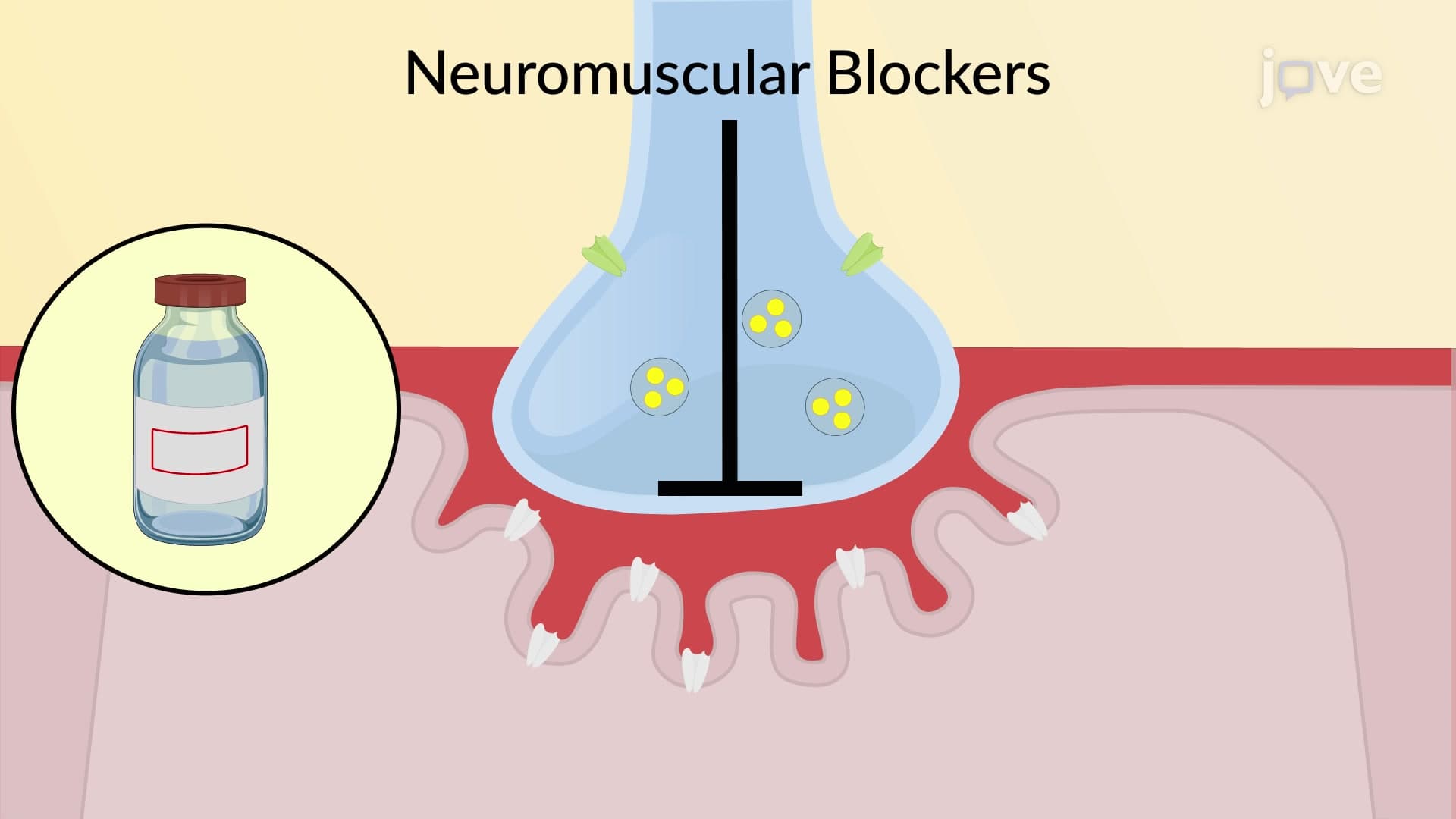
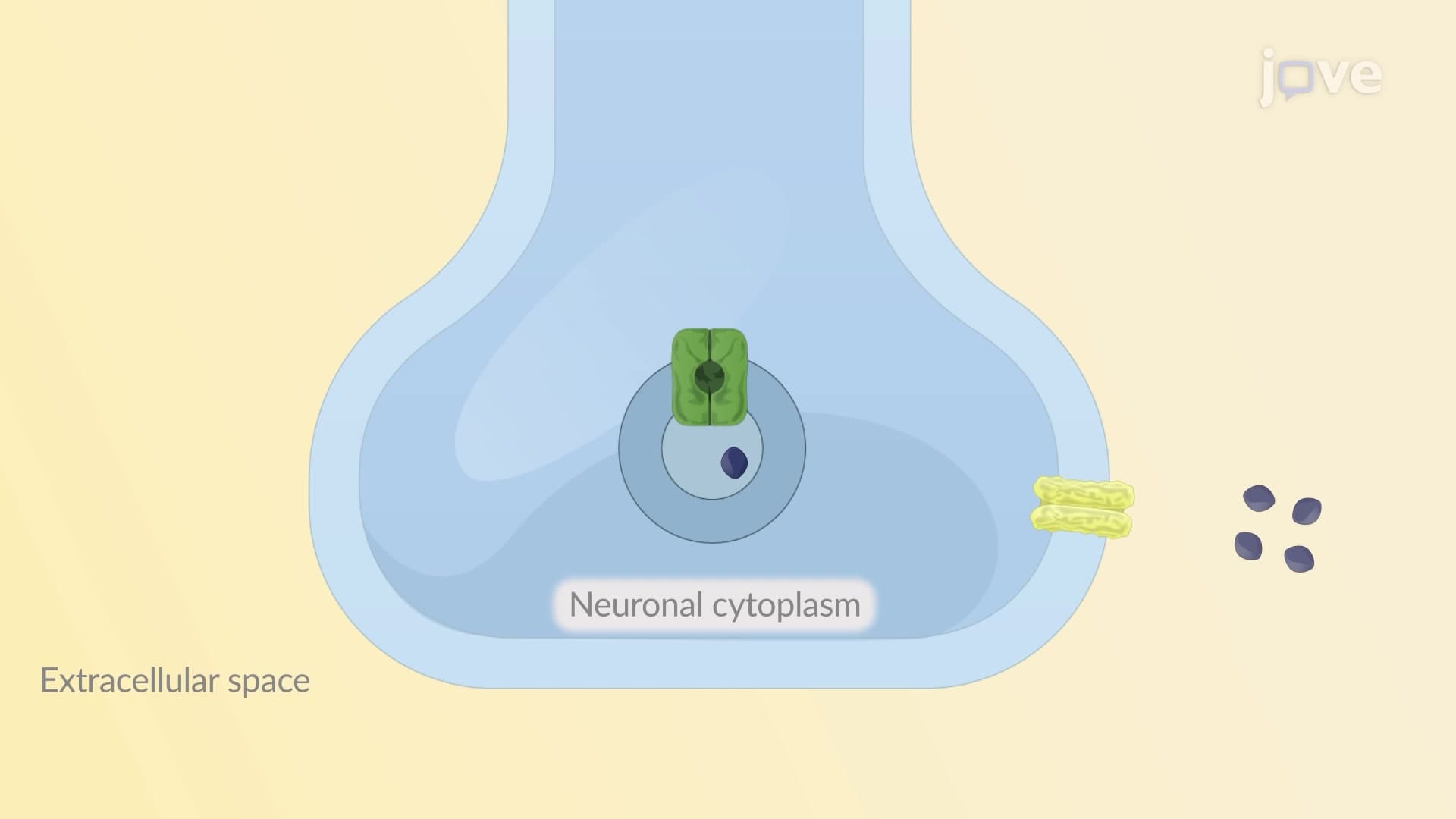
Neurotransmitter regulation represents one of the most targeted areas in modern pharmacology. Drugs affecting neurotransmitter release operate through two primary mechanisms: disrupting the release process itself or interfering with the cleanup phase called reuptake. These interventions fundamentally alter how neurons communicate, making them powerful tools in treating neurological and psychiatric conditions.
Reserpine exemplifies how drugs can deplete neurotransmitter stores indirectly. This alkaloid blocks the vesicular monoamine transporter (VMAT), preventing dopamine, norepinephrine, and serotonin from entering storage vesicles. Without proper storage, these catecholamines accumulate in the cytoplasm where monoamine oxidase (MAO) degrades them. Historically used for hypertension, reserpine's severe depression side effects led to its replacement by safer alternatives. Understanding this mechanism helps explain why MAO inhibitors became important antidepressants.
Guanethidine takes a different approach by physically displacing norepinephrine from vesicles. Once inside nerve terminals, it accumulates in synaptic vesicles and prevents normal exocytosis. At therapeutic doses, this blocks sympathetic transmission effectively. However, higher concentrations cause structural neuronal damage, highlighting the importance of precise dosing in pharmacotherapy.
The norepinephrine transporter (NET) normally recycles released norepinephrine, terminating synaptic signaling. Blocking this transporter prolongs neurotransmitter action, which explains why drugs like duloxetine (Cymbalta) effectively treat depression and chronic pain. Tricyclic antidepressants like imipramine were among the first medications to exploit this mechanism, though their non-selective nature caused significant side effects.
Cocaine's ability to block dopamine, norepinephrine, and serotonin transporters simultaneously explains both its euphoric effects and addiction potential. This knowledge has guided development of medications like bupropion (Wellbutrin), which selectively targets dopamine and norepinephrine reuptake with fewer side effects.
For students preparing for the MCAT or AP Biology, understanding these mechanisms helps explain pharmacokinetics and drug design principles. College neuroscience courses emphasize how selectivity improvements led from tricyclics to SSRIs to SNRIs. The evolution from reserpine to modern antihypertensives illustrates how understanding side effect mechanisms drives pharmaceutical innovation.
Related Micro-courses