Loading subject page…


36,893 views


Video Summary: What Is Adrenergic Agonists Therapeutic Classification
Did you know that the same medication family used in emergency rooms to restart hearts is also found in your asthma inhaler? Adrenergic agonists therapeutic classification organizes these powerful drugs based on their specific therapeutic actions rather than just their chemical structure. For instance, epinephrine can function as both a life-saving cardiac stimulant during cardiac arrest at Massachusetts General Hospital and as a bronchodilator for severe asthma attacks. Understanding what is adrenergic agonists therapeutic classification helps predict which receptor targets produce desired clinical outcomes. Watch the full video on JoVE Coach to master this concept with expert-led visuals and step-by-step explanations.
Adrenergic agonists therapeutic classification represents a systematic approach to organizing sympathomimetic drugs based on their primary clinical applications rather than solely on their chemical structures. This classification system proves essential for healthcare providers, as it directly correlates drug mechanisms with therapeutic outcomes. Unlike traditional pharmacological classifications that focus on molecular structure, therapeutic classification emphasizes clinical utility and receptor-specific actions.
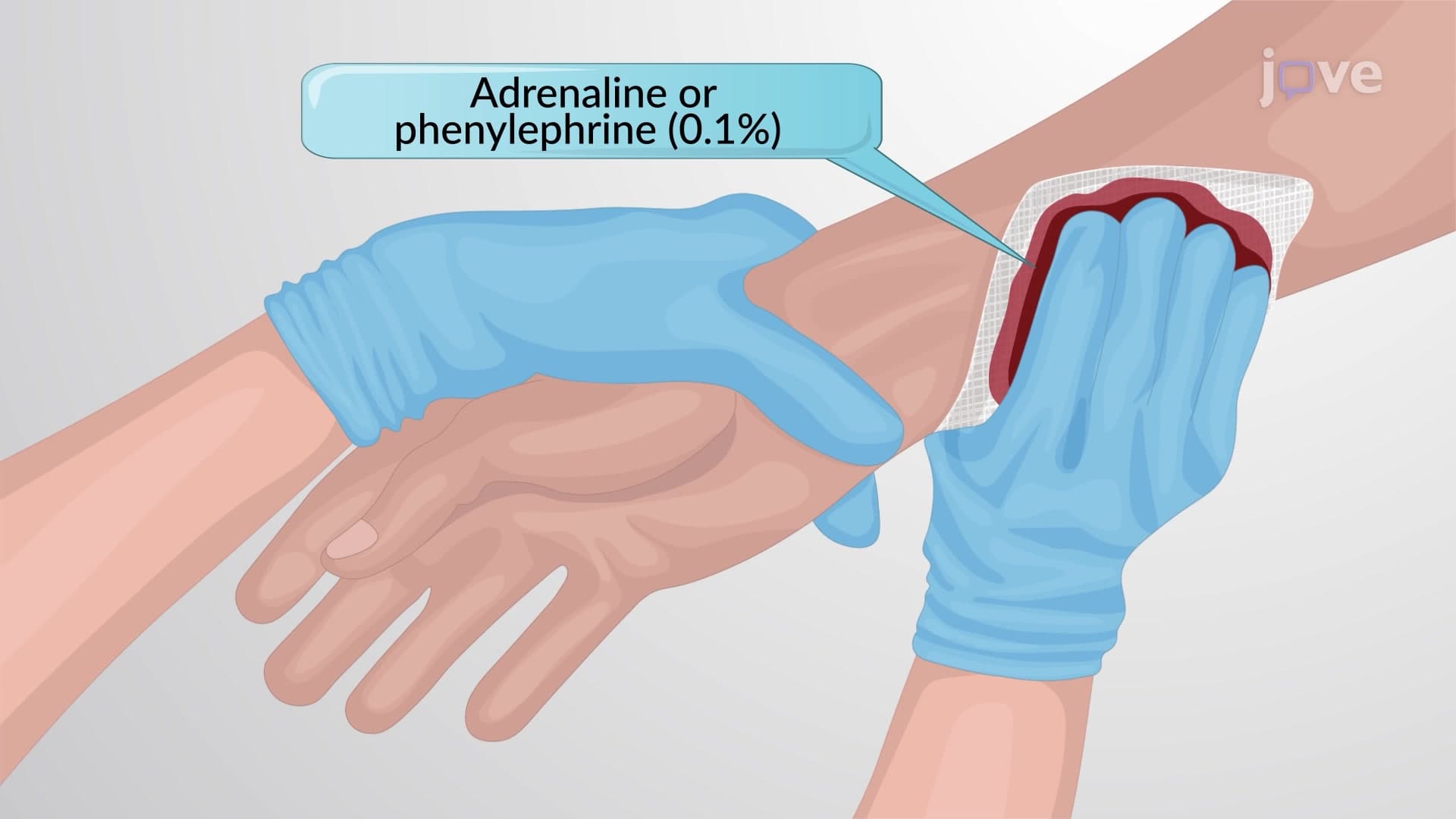
The first major category encompasses vasopressors and cardiac stimulants, which are fundamental in critical care settings across US hospitals. Vasopressors like norepinephrine and synthetic phenylephrine work primarily through alpha-1 receptor activation, causing vasoconstriction that elevates blood pressure in shock patients. Meanwhile, cardiac stimulants target beta-1 receptors to increase heart rate, contractility, and conduction velocity. Epinephrine exemplifies dual-action capability, serving both functions depending on dosage and clinical context. Students preparing for the MCAT or nursing entrance exams like NCLEX frequently encounter questions about these life-saving applications, particularly in emergency department scenarios.
Bronchodilators represent another crucial therapeutic category, primarily utilizing beta-2 receptor selectivity to achieve smooth muscle relaxation in airways. Medications like albuterol (salbutamol) and terbutaline are staples in treating asthma and chronic obstructive pulmonary disease (COPD) throughout the United States. The therapeutic classification becomes particularly relevant when understanding why these same beta-2 agonists, such as terbutaline, can also prevent premature labor by relaxing uterine smooth muscle. This cross-system application demonstrates how receptor-based therapeutic classification predicts clinical versatility.
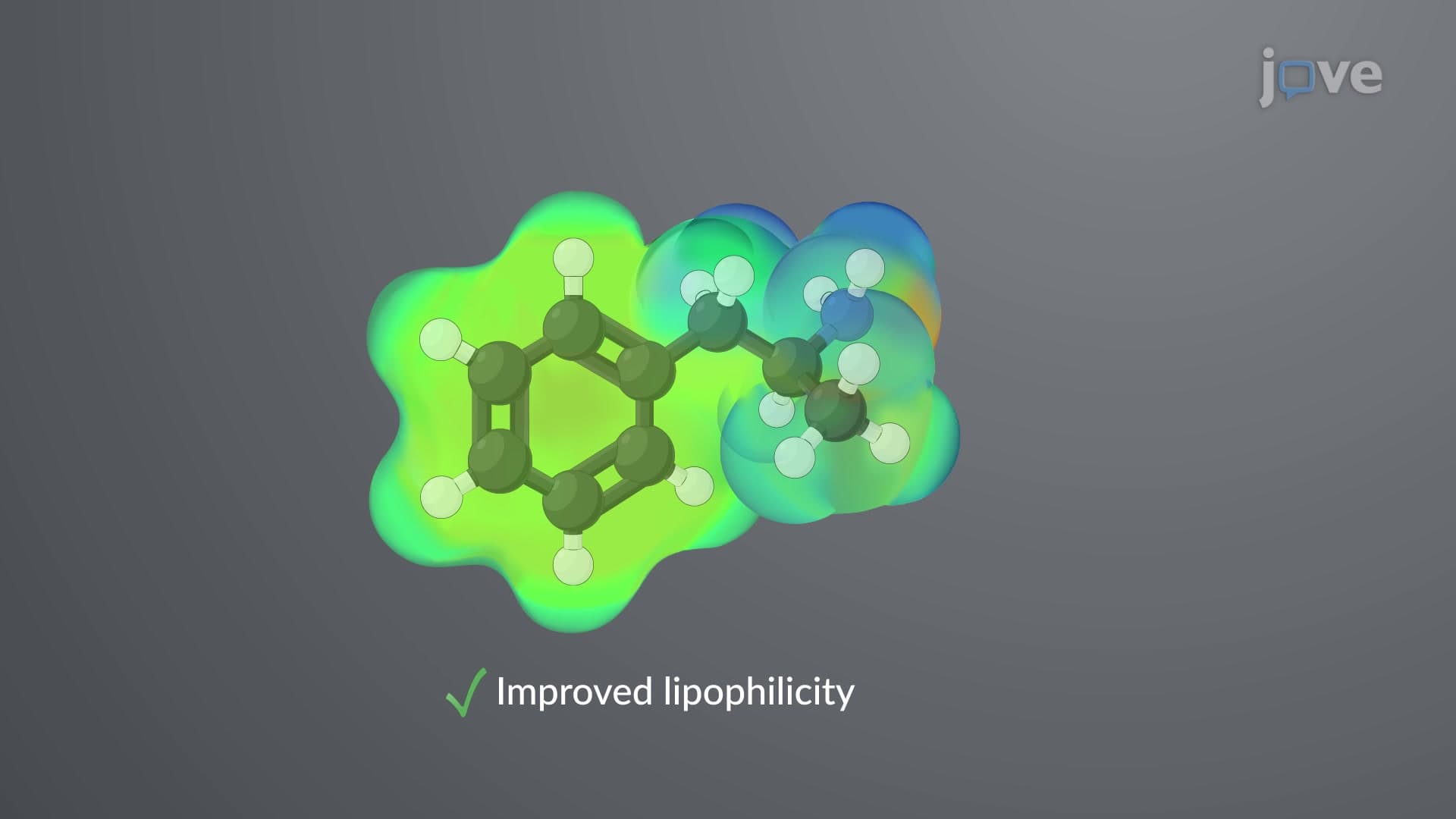
Decongestants utilize alpha-1 agonism through topical agents like oxymetazoline, providing targeted vasoconstriction in nasal passages without significant systemic effects. CNS stimulants like amphetamine represent a unique category, working through neurotransmitter release rather than direct receptor activation. Understanding these distinctions becomes crucial for students taking AP Biology or preparing for pharmacy school entrance exams, as questions often test the ability to predict therapeutic outcomes based on receptor selectivity and mechanism of action.
Related Micro-courses