Loading video…


 20 Concepts
 36.9K views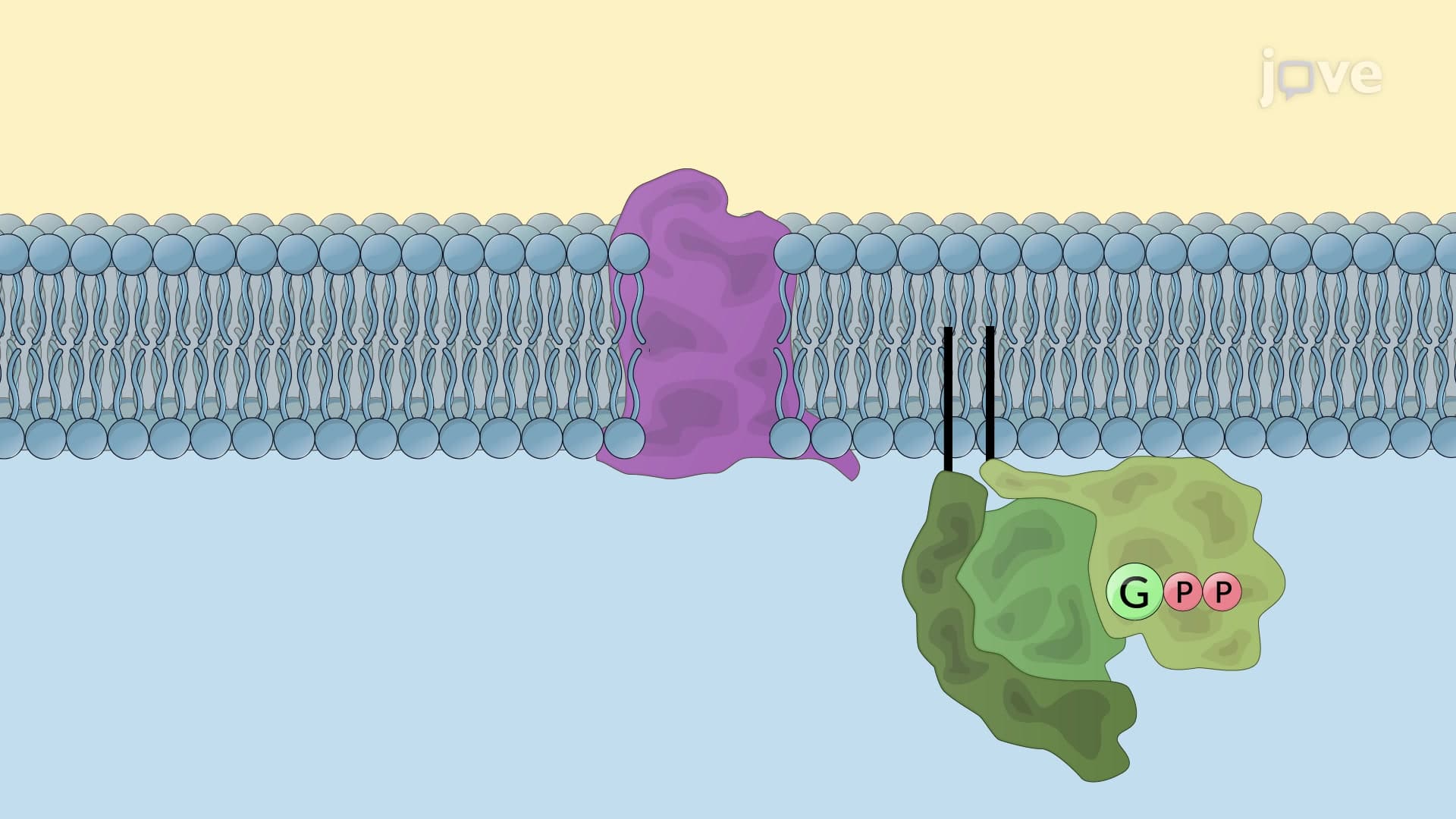

Video Summary: What Is Adrenergic Receptors Adrenoceptors Classification
When you feel your heart racing during a stressful moment, like before presenting in front of your AP Biology class, that's adrenergic receptors adrenoceptors classification in action. These specialized protein receptors in your cardiovascular system respond to stress hormones like adrenaline and noradrenaline, triggering your body's "fight-or-flight" response. Watch the full video on JoVE Coach to master this concept with expert-led visuals and step-by-step explanations.
Adrenergic receptors, commonly called adrenoceptors, represent a crucial family of cell surface proteins that detect and respond to catecholamine neurotransmitters. These receptors serve as molecular switches, converting chemical signals from the sympathetic nervous system into cellular responses. In the United States healthcare system, understanding these receptors is essential for medical students preparing for the MCAT and USMLE exams, as they form the foundation for comprehending cardiovascular pharmacology and emergency medicine protocols.
All adrenoceptors share a common structural blueprint: they are G protein-coupled receptors (GPCRs) featuring seven transmembrane alpha-helical domains. This architecture allows them to span the cell membrane completely, with extracellular regions that bind catecholamines and intracellular regions that interact with G proteins. When catecholamines like noradrenaline (NA), adrenaline (Adr), or isoproterenol (ISO) bind to these receptors, they induce conformational changes that activate specific G protein subtypes, ultimately modifying second messenger production within the cell.
The primary classification divides adrenoceptors into two major families based on their pharmacological responses to different agonists. Alpha-adrenoceptors demonstrate weak responsiveness to isoproterenol compared to adrenaline and noradrenaline, while beta-adrenoceptors show the opposite pattern-higher sensitivity to isoproterenol than to natural catecholamines. This distinction proves crucial for students taking AP Biology or college-level physiology courses, as it explains why different medications target specific receptor subtypes.
Each organ system typically expresses a predominant adrenoceptor subtype, creating tissue-specific responses to sympathetic stimulation. For example, skeletal muscle blood vessels contain both alpha-1 and beta-2 adrenoceptors, but beta-2 receptors predominate, explaining why adrenaline causes vasodilation in muscle tissue during exercise. This concept frequently appears on NCLEX and HESI A2 exams for nursing students, particularly in questions about cardiovascular medications and emergency drug administration protocols used in US hospitals.
Related Micro-courses