Loading…
Loading video…

29,600 views
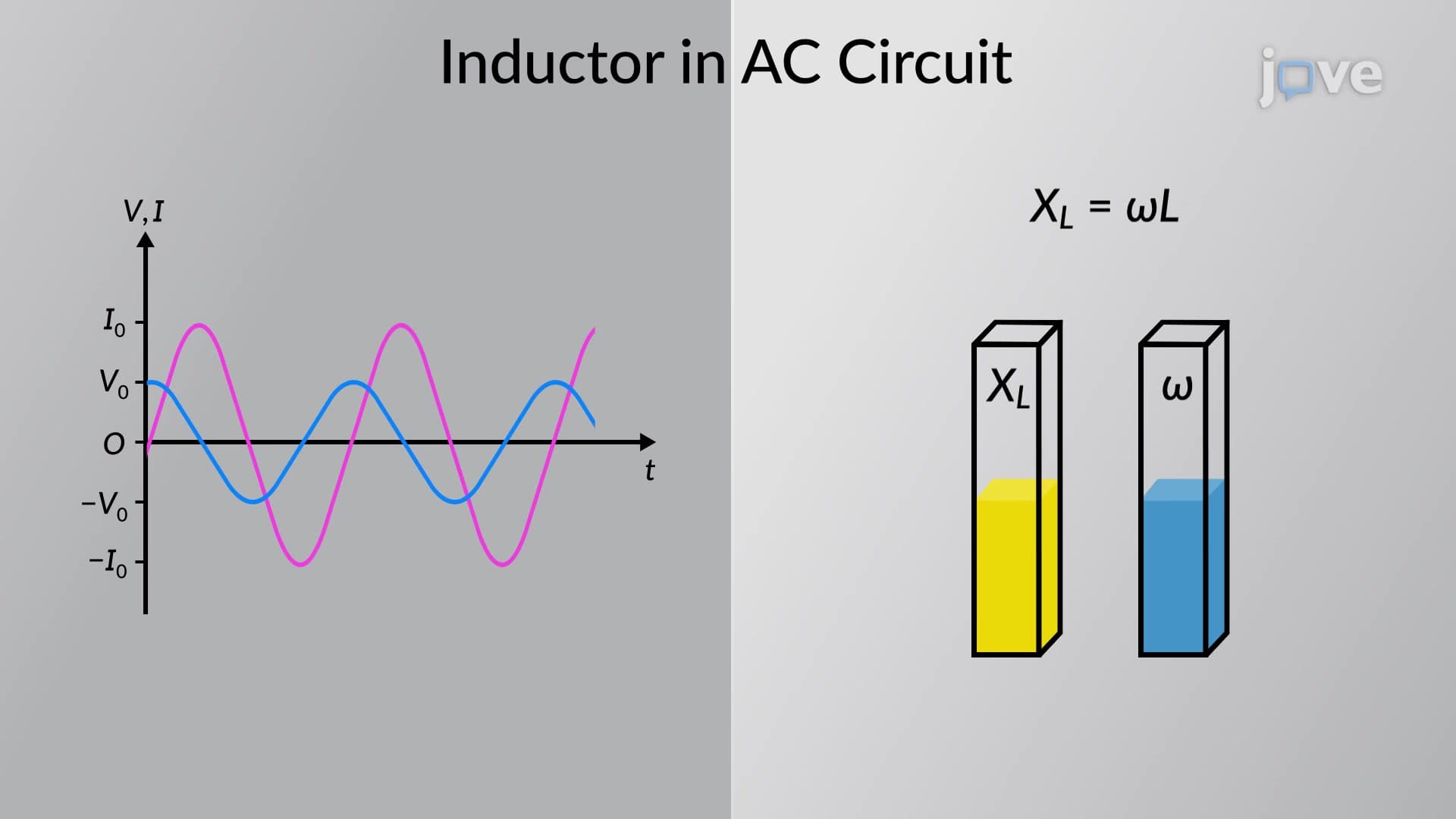
Why does the humming sound from electrical transformers change pitch when power demand fluctuates? An inductor in an AC circuit creates fascinating phase relationships that power engineers at companies like General Electric must master. When alternating current flows through an inductor, the current lags behind the voltage by 90 degrees, creating inductive reactance that increases with frequency. Watch the full video on JoVE Coach to master this concept with expert-led visuals and step-by-step explanations.
An inductor in an AC circuit exhibits unique behavior that distinguishes it from resistive components. Unlike resistors where current and voltage remain in phase, inductors create a fundamental phase shift due to their electromagnetic properties. When alternating current flows through an inductor's coiled wire, the changing magnetic field generates a back EMF that opposes current changes, following Lenz's law.
The most critical characteristic of inductor behavior in AC circuits is the 90-degree phase lag. Current through the inductor lags the applied voltage by exactly one-quarter cycle (π/2 radians). This relationship becomes essential for students preparing for AP Physics exams and college-level circuit analysis courses. Phasor diagrams provide powerful visualization tools, showing both current and voltage as rotating vectors with identical angular frequency but different phases.
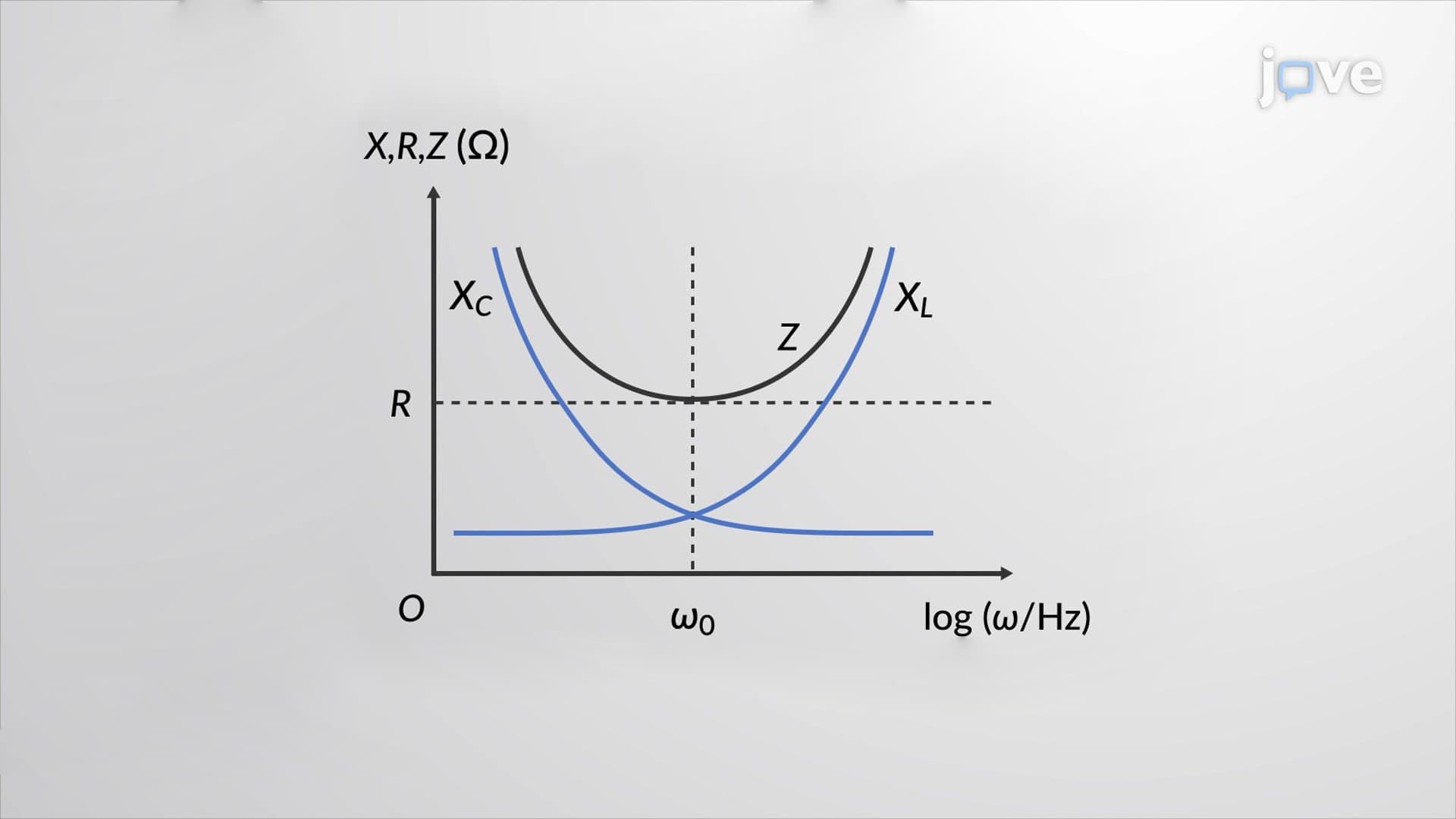
Inductive reactance (XL) represents the inductor's opposition to alternating current, measured in ohms like resistance. The formula XL = 2πfL reveals the direct relationship between reactance, frequency (f), and inductance (L). Higher frequencies produce greater reactance, explaining why inductors effectively block high-frequency signals while allowing low frequencies to pass. This frequency-dependent behavior makes inductors invaluable in filter circuits used throughout American telecommunications infrastructure.
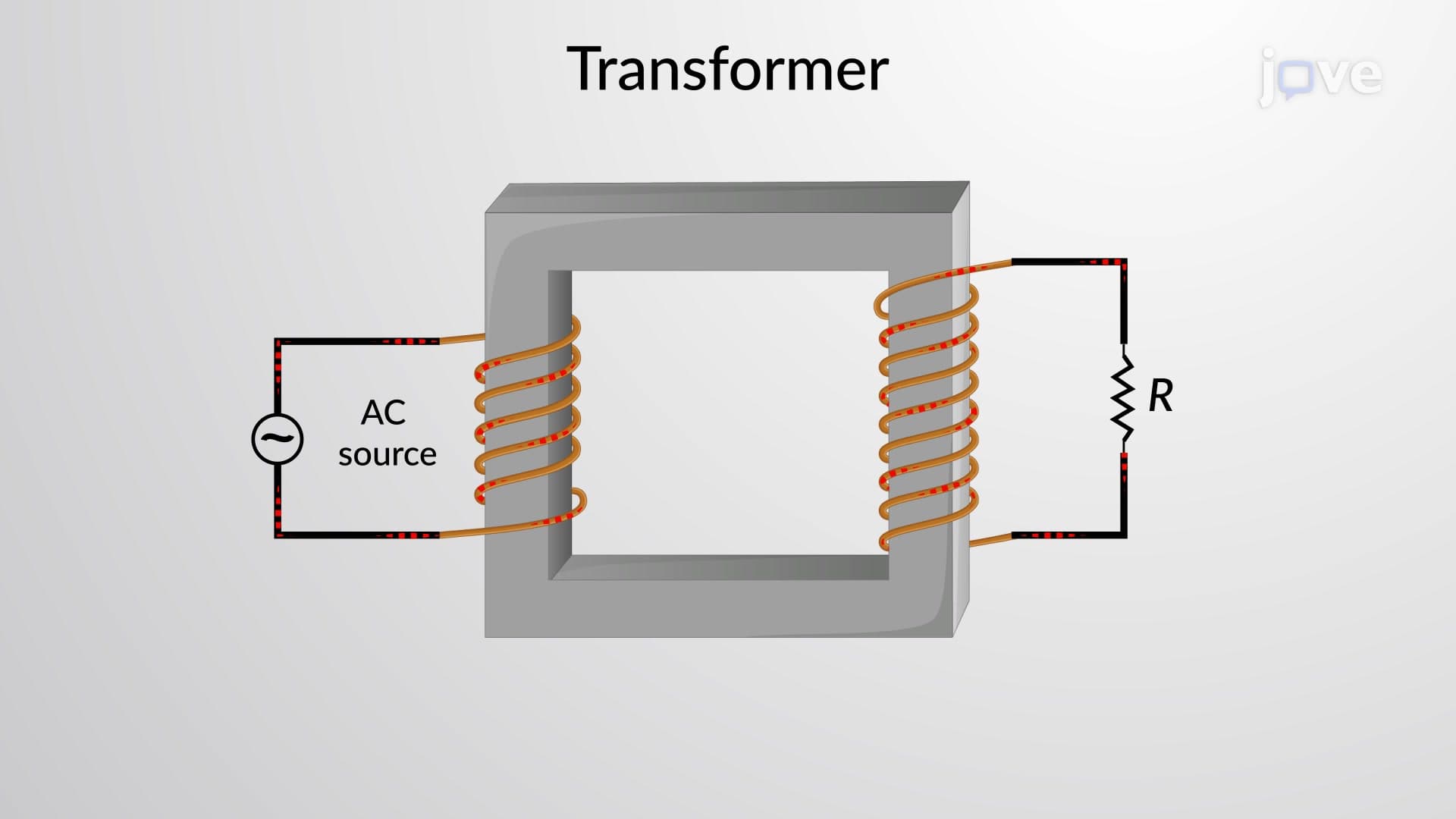
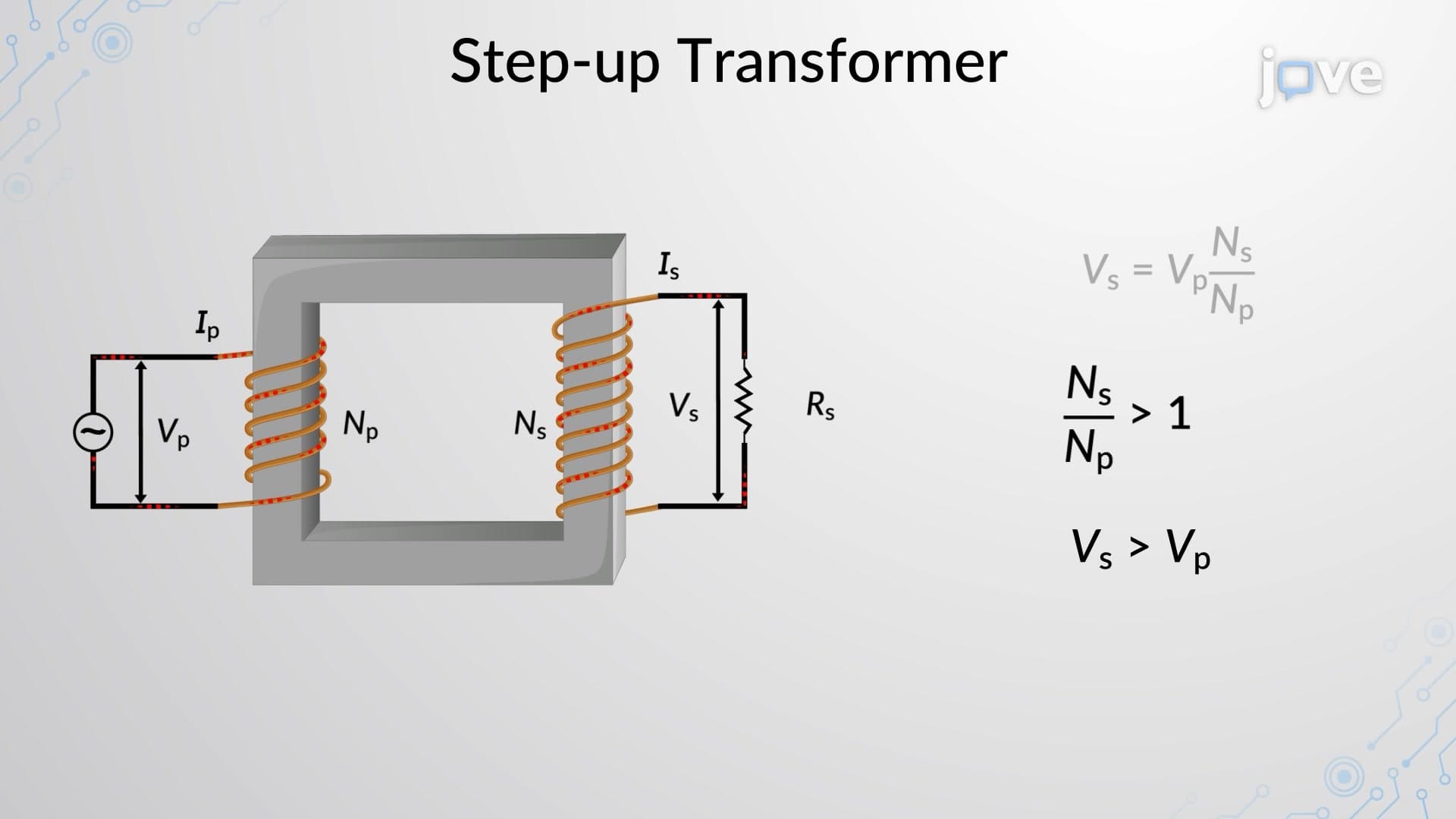
Power transmission systems across the United States rely heavily on inductor behavior in AC circuits. Electrical transformers at substations operate on inductive principles, stepping voltage levels up for efficient long-distance transmission and down for safe residential use. Students encounter these concepts on SAT Subject Tests, AP Physics C exams, and introductory college physics courses. Understanding inductive reactance calculations proves essential for electrical engineering majors tackling circuit analysis problems and power systems coursework at institutions like MIT and Stanford.
Frequently Asked Questions
An inductor in an AC circuit opposes current changes through electromagnetic induction, creating a 90-degree phase lag between current and voltage. In DC circuits, inductors act like short circuits once steady state is reached, while AC operation maintains continuous reactance due to constantly changing current.
Focus on phase relationships, phasor diagrams, and reactance calculations using XL = 2πfL. Remember current always lags voltage by 90 degrees, and practice converting between peak and RMS values. Most AP problems involve finding reactance, impedance in LC circuits, or power calculations.
Phasor diagrams simplify complex AC analysis by representing sinusoidal quantities as rotating vectors. They make phase relationships visually clear and enable easy mathematical manipulation using vector addition. This technique becomes crucial for advanced circuit analysis and electrical engineering coursework.
American power grids use massive inductors in transmission lines and substations for voltage regulation. Audio equipment employs inductors in crossover networks separating bass and treble frequencies. Radio stations use inductor-capacitor circuits for frequency tuning and signal filtering.
Basic inductor concepts require only algebra and trigonometry for phase relationships and reactance calculations. Calculus becomes necessary for deriving the fundamental voltage-current relationship (V = L di/dt) and understanding instantaneous power, typically covered in college-level courses.
Focus on conceptual understanding rather than complex calculations. Know that inductors oppose current changes, create 90-degree phase lags, and have frequency-dependent reactance. Practice relating electromagnetic induction principles to biological applications like nerve signal transmission and medical imaging equipment.
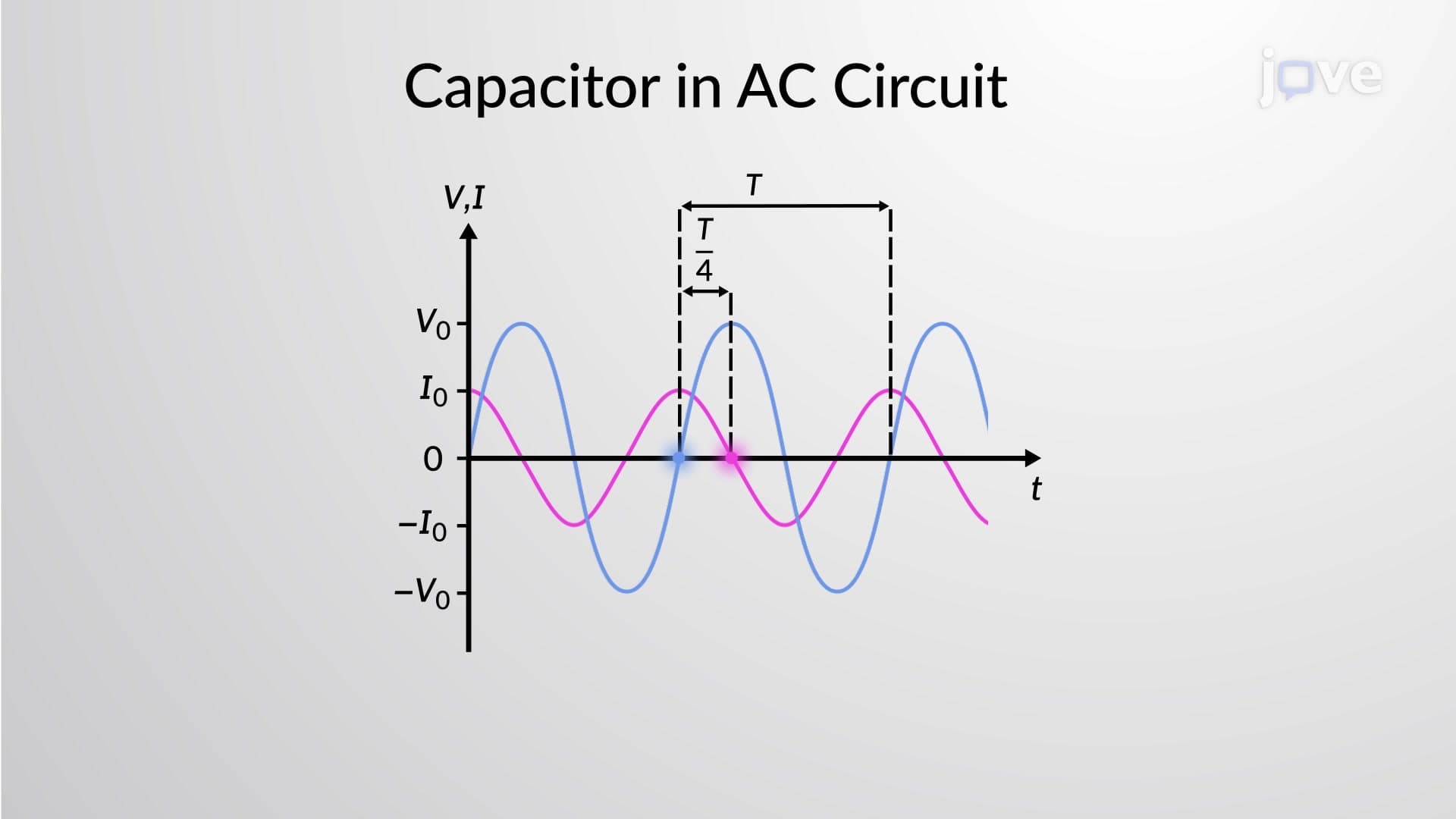
Students often confuse phase relationships, mixing up whether current leads or lags voltage. Practice phasor diagram construction and memorize that "ELI the ICE man" – voltage (E) leads current (I) in inductors (L), while current leads voltage in capacitors (C). Master reactance formulas and their frequency dependencies.
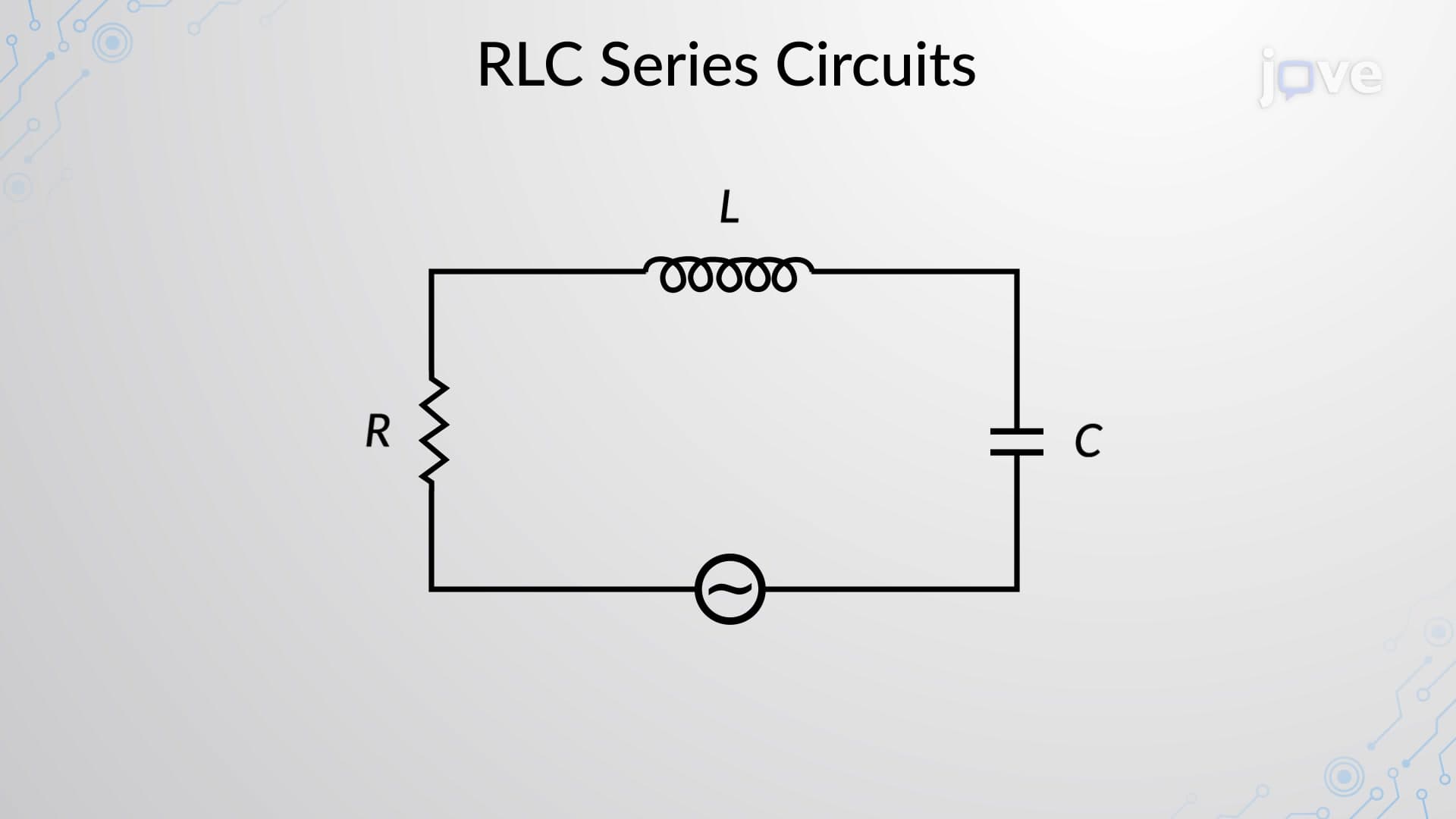
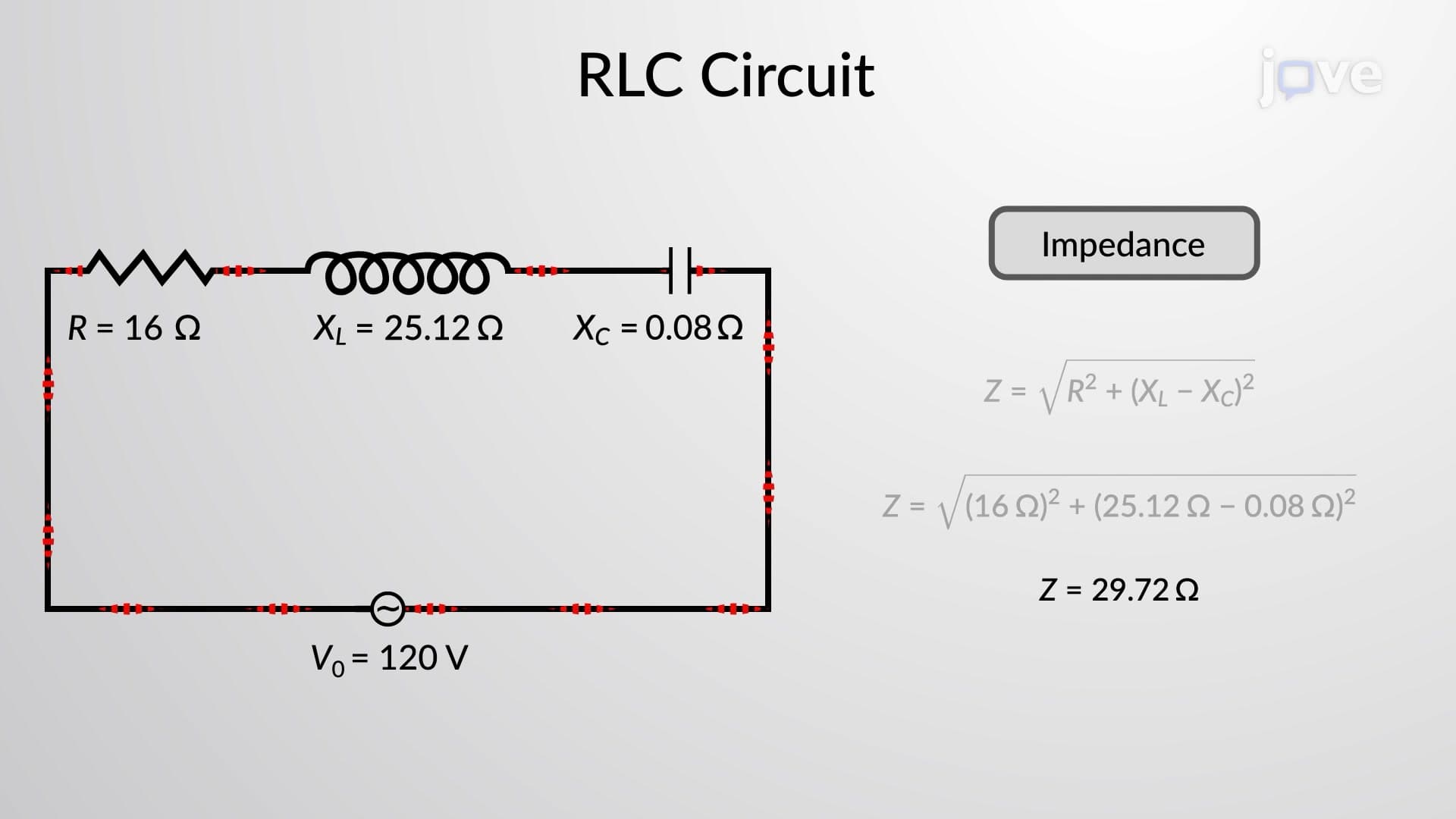
Progress to RLC circuits combining resistors, inductors, and capacitors, focusing on resonance phenomena and impedance calculations. Explore transformer theory, mutual inductance, and AC motor principles. These concepts prove essential for electrical engineering majors and advanced physics coursework.
Related Micro-courses


Related Subjects
 Math Fundamentals 11 micro-courses›
 Statistics 17 micro-courses›