Loading…
Loading video…

29,600 views
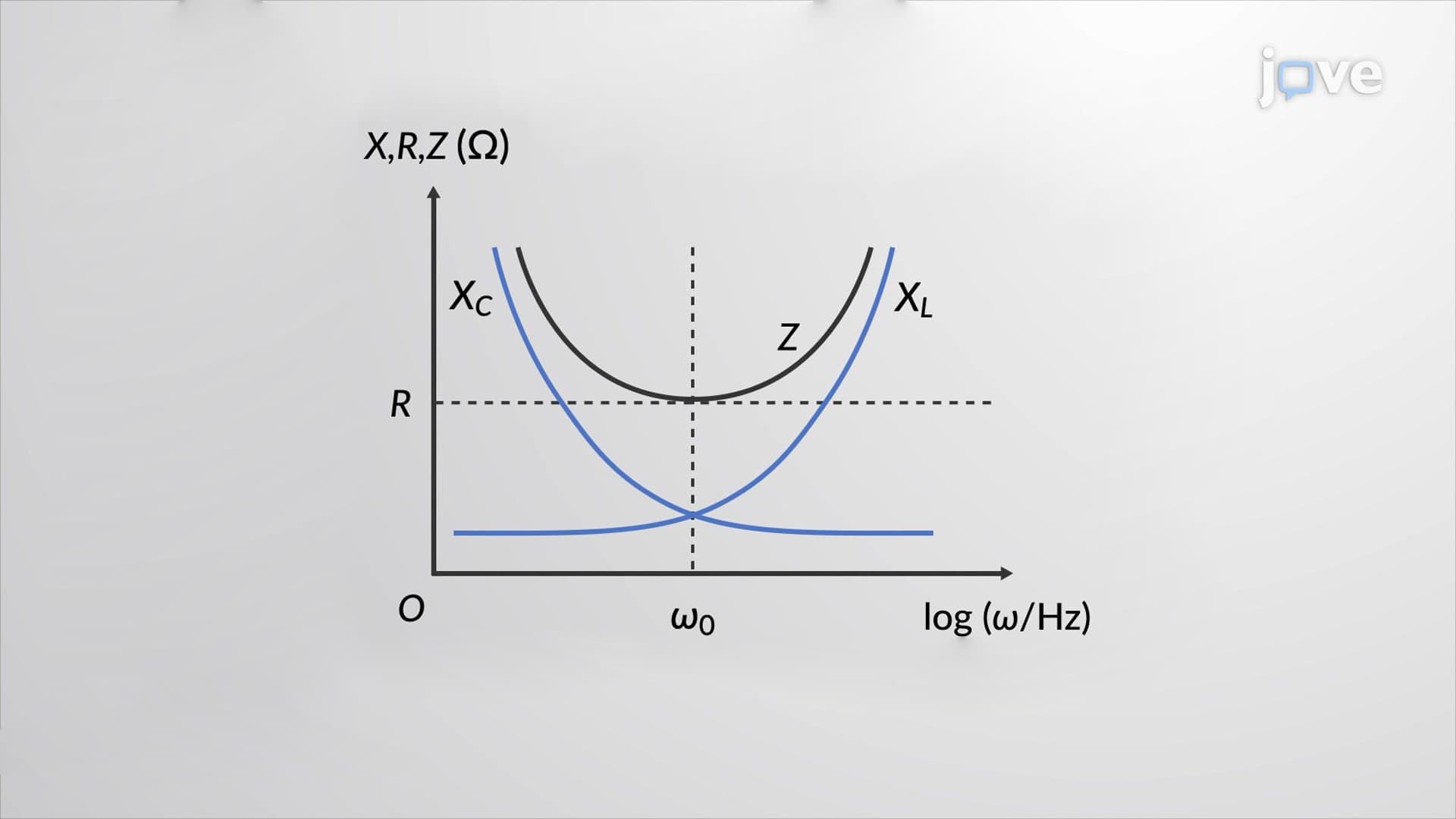
Why do radio stations tune to specific frequencies, and what makes some circuits incredibly efficient at those exact frequencies? Resonance in an AC circuit occurs when inductive and capacitive reactances perfectly cancel each other out, creating maximum current flow. Consider AM radio stations broadcasting at 1010 kHz—your car's antenna circuit must achieve resonance at that precise frequency to receive clear audio. This fundamental electrical engineering principle explains how everything from radio receivers to medical MRI machines operates with peak efficiency. Watch the full video on JoVE Coach to master this concept with expert-led visuals and step-by-step explanations.
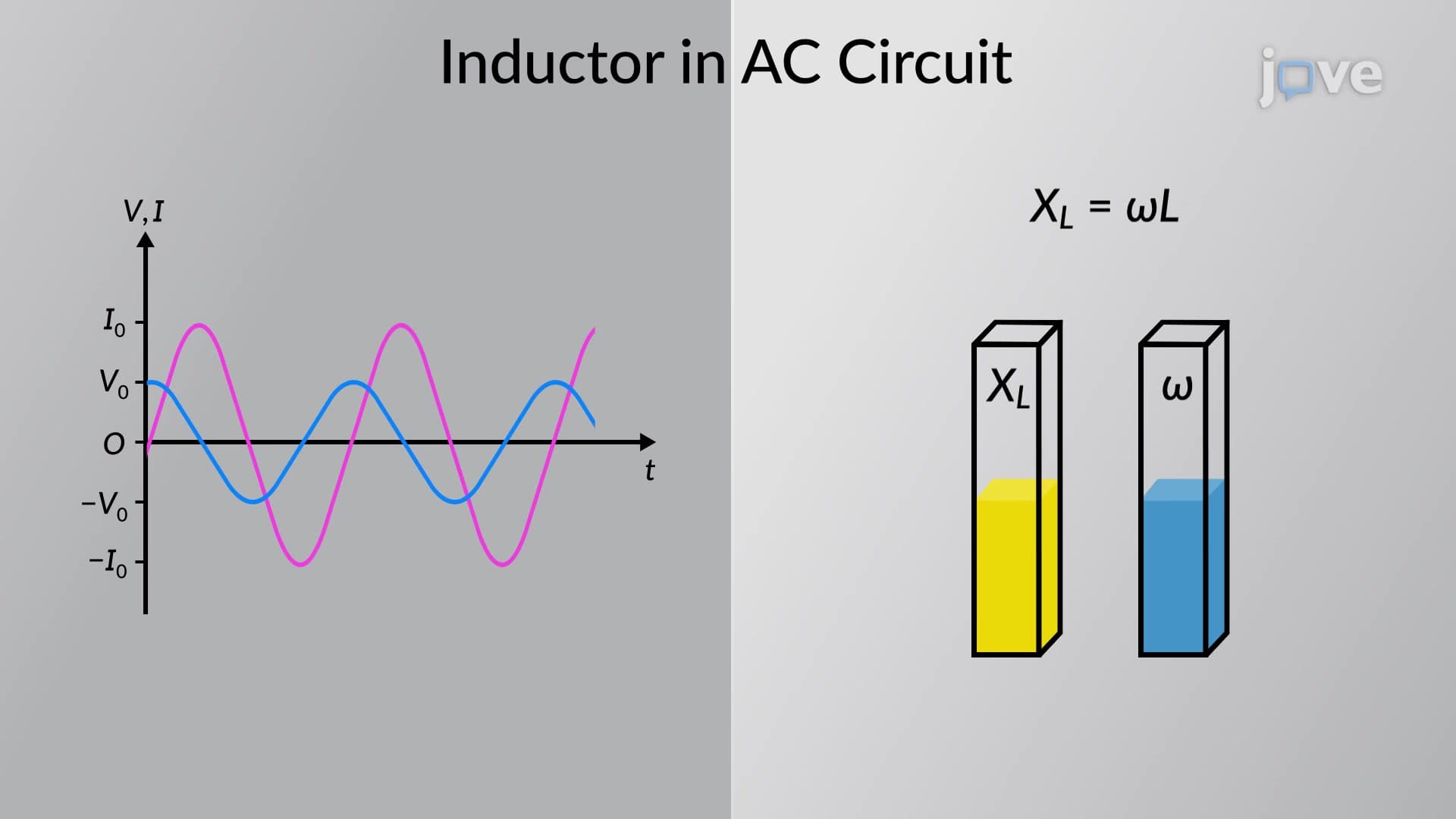
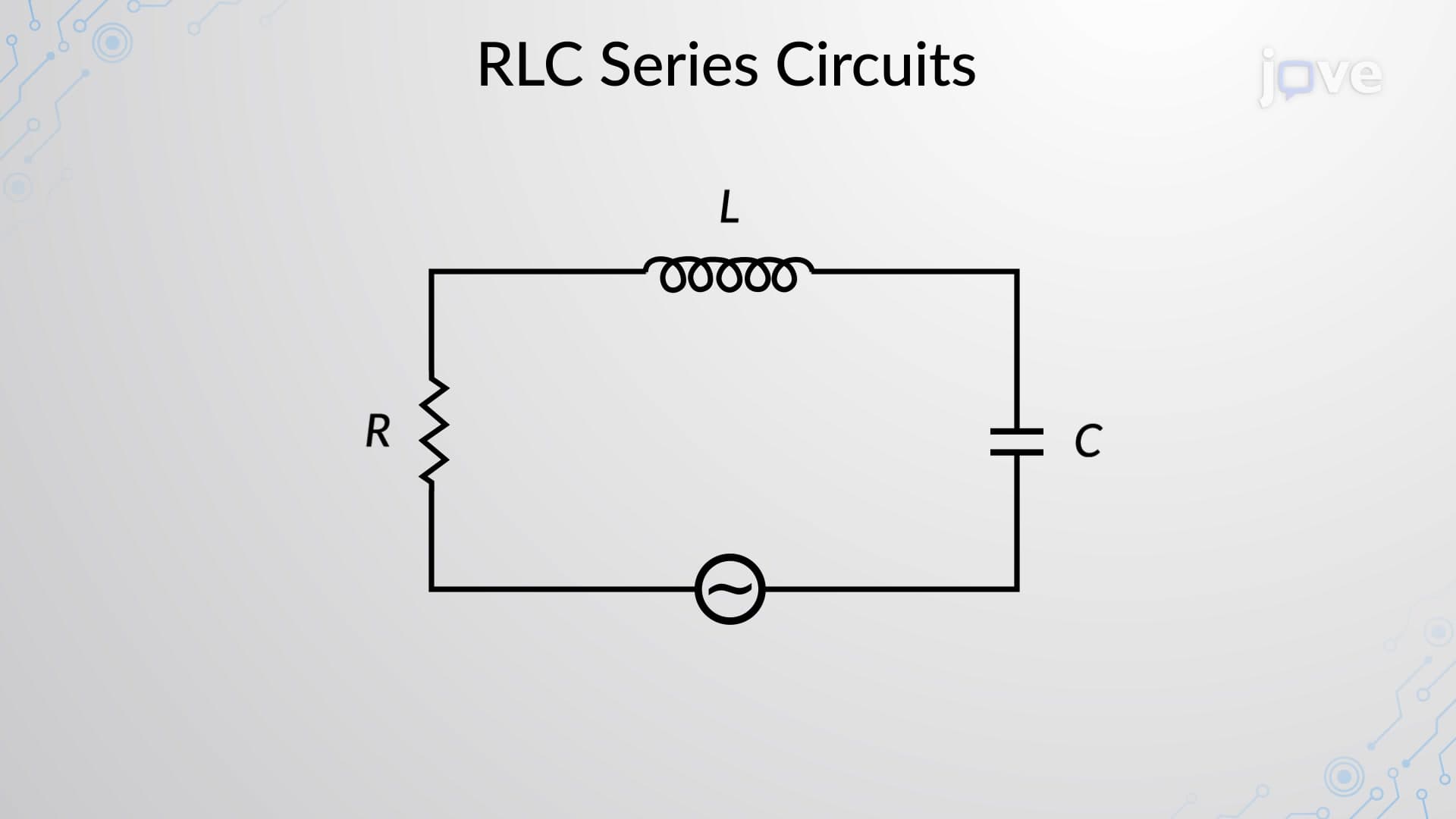
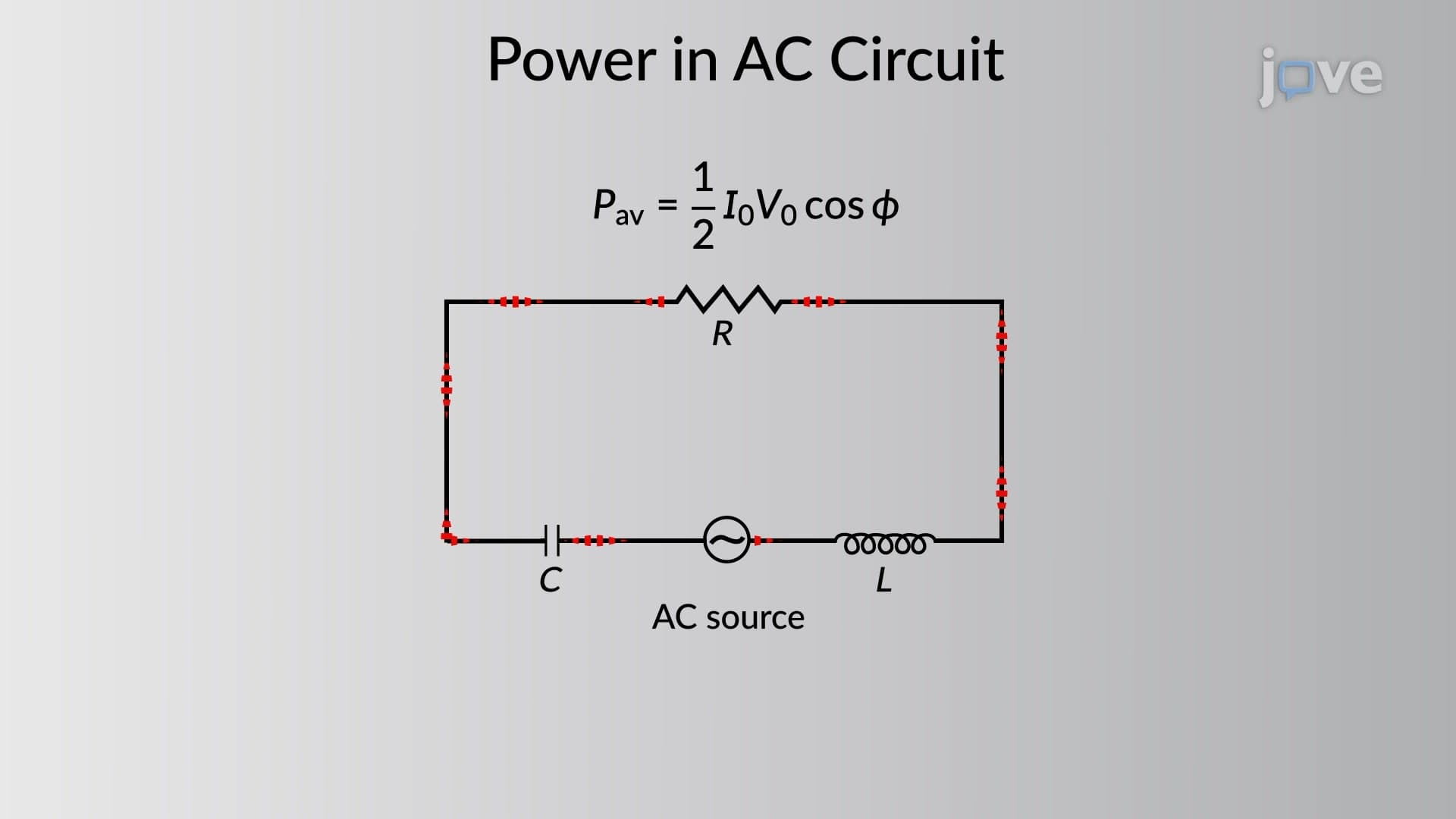
Resonance in an AC circuit represents one of the most elegant phenomena in electrical engineering, occurring when a circuit's natural frequency matches the applied AC source frequency. In a series RLC circuit containing resistance (R), inductance (L), and capacitance (C), this magical moment happens when the inductive reactance (XL = 2πfL) exactly equals the capacitive reactance (XC = 1/(2πfC)).
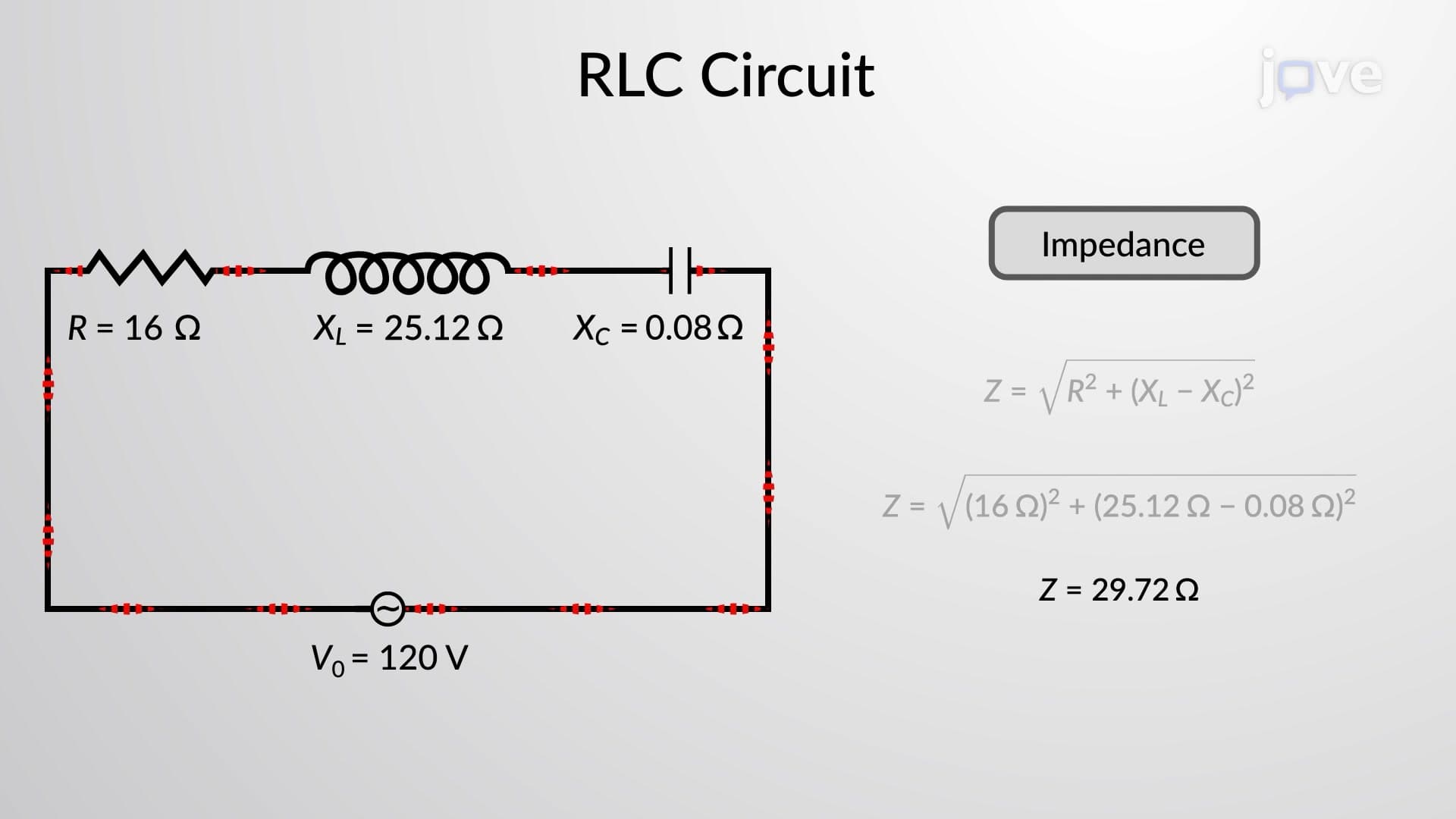
At resonance, these opposing reactances cancel each other completely, leaving only the pure resistance to oppose current flow. The mathematical condition XL = XC yields the resonance frequency: f₀ = 1/(2π√(LC)). This frequency depends solely on the inductance and capacitance values, making it predictable and controllable for engineering applications.
When operating at resonance frequency, the circuit exhibits several remarkable characteristics. The total impedance reaches its minimum value, equaling just the resistance: Z = R. This minimum impedance allows maximum current flow, following Ohm's law: I = V/R. The phase difference between voltage and current becomes zero, meaning they oscillate perfectly in sync—a condition called "unity power factor."
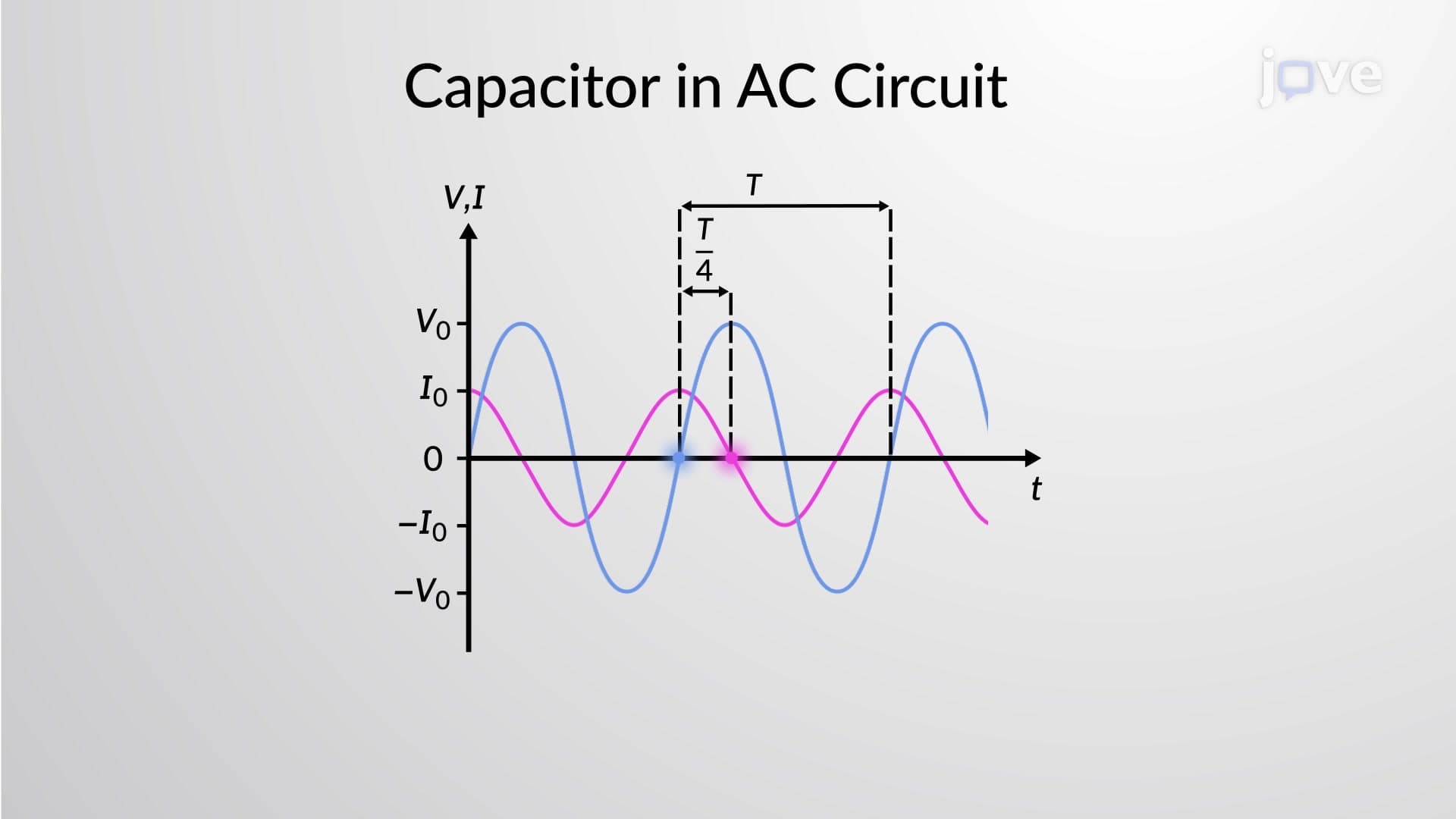
Students preparing for AP Physics C or college-level circuit analysis should remember that below resonance frequency, capacitive reactance dominates, making current lead voltage. Above resonance, inductive reactance takes control, causing current to lag behind voltage. This frequency-dependent behavior appears regularly on standardized exams and engineering coursework.
The quality factor (Q) quantifies how "sharp" or selective a resonant circuit behaves. Mathematically, Q = f₀/BW, where BW represents the bandwidth—the frequency range where power exceeds half its maximum value. Higher Q values create narrower bandwidths and sharper resonance peaks, while lower Q values produce broader, more forgiving frequency responses.
For practical applications, Q = (1/R)√(L/C), revealing that lower resistance increases selectivity. This relationship explains why high-quality inductors and capacitors (with minimal internal resistance) create superior radio receivers and filter circuits.
Resonance principles power countless American technologies. AM radio receivers use resonant circuits tuned to specific broadcast frequencies (540-1600 kHz band). Tesla's wireless charging stations employ resonant coupling between transmitter and receiver coils at precisely matched frequencies around 85 kHz. Medical MRI machines generate their powerful magnetic fields using resonant LC circuits operating at radio frequencies.
Engineering students encounter these concepts in courses like EE 101 at MIT or ECE fundamentals at Stanford University. MCAT test-takers see simplified versions in physics sections, while AP Physics C exams frequently include resonance calculations and conceptual questions.
Frequently Asked Questions
Resonance in an AC circuit occurs when the inductive reactance equals the capacitive reactance, causing them to cancel each other out completely. This happens at a specific frequency called the resonance frequency, calculated as f₀ = 1/(2π√(LC)). At this point, the circuit impedance reaches its minimum value, allowing maximum current flow.
AP Physics C and college exams typically test resonance through calculations involving resonance frequency, quality factor, and impedance at different frequencies. Students must solve for unknown circuit components, determine phase relationships, and analyze power transfer efficiency. Practice problems often involve radio circuits, filters, and oscillator designs commonly found in electrical engineering coursework.
At resonance, current and voltage oscillate perfectly in phase with zero phase difference. Below resonance frequency, current leads voltage due to dominant capacitive reactance, while above resonance, current lags voltage because inductive reactance dominates. This phase behavior is crucial for understanding power transfer and appears frequently on MCAT physics sections.
Radio receivers use resonant circuits as selective filters that respond strongly to desired station frequencies while rejecting unwanted signals. When you tune your car radio to 101.5 FM, the internal LC circuit resonates at that exact frequency, maximizing signal strength and minimizing interference from adjacent stations. This selectivity depends on the circuit's quality factor and bandwidth characteristics.
Resonance concepts are accessible to students with basic algebra and trigonometry knowledge. The mathematical relationships involve square roots and simple ratios rather than complex calculus. Students who understand Ohm's law and basic AC concepts can master resonance principles through practice problems and real-world examples like radio tuning.
Focus on memorizing the resonance frequency formula f₀ = 1/(2π√(LC)) and practice identifying when circuits operate above, below, or at resonance. Create formula sheets linking quality factor, bandwidth, and impedance relationships. Work through past AP Physics C free-response questions and college-level circuit analysis problems to build problem-solving confidence.
Lower resistance creates higher quality factors and sharper resonance peaks, making circuits more selective but potentially unstable. Higher resistance broadens the resonance curve, reducing selectivity but improving stability. Radio receivers balance these factors—AM radios use moderate Q values for stable reception, while precision laboratory equipment employs high-Q circuits for maximum selectivity.
Students should investigate parallel resonant circuits, coupled resonators used in wireless power transfer, and resonance in transmission lines. Advanced coursework covers topics like crystal oscillators, cavity resonators in microwave engineering, and resonant switching power supplies. These concepts appear in upper-level electrical engineering courses and graduate-level electromagnetics studies.
Related Micro-courses


Related Subjects
 Math Fundamentals 11 micro-courses›
 Statistics 17 micro-courses›