Loading…
Loading video…

29,600 views
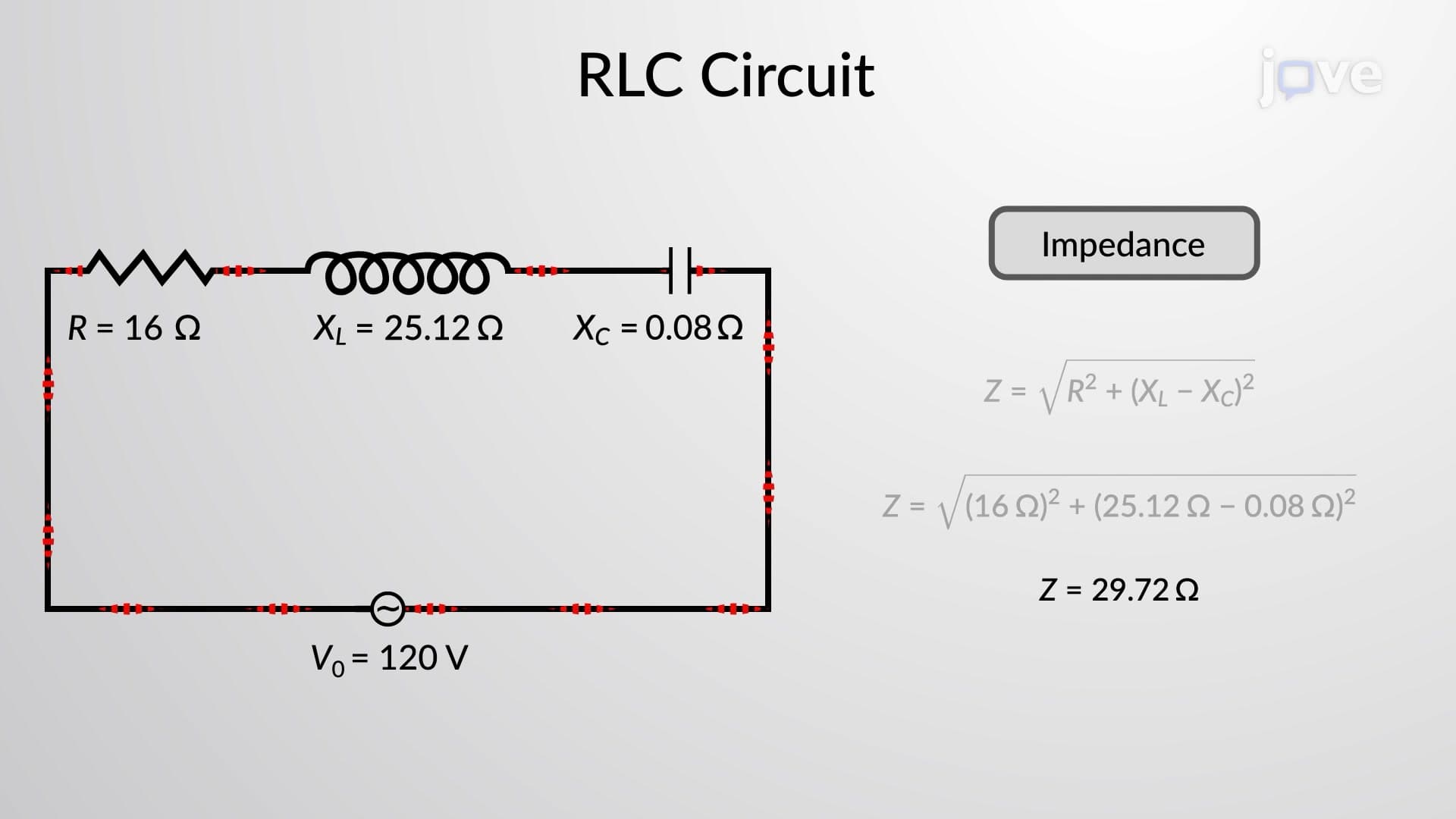
Ever wonder why electrical engineers at companies like General Electric can predict exactly how much current flows through complex power systems? RLC series circuit problem solving is the fundamental skill that makes this precision possible, combining resistors, inductors, and capacitors into predictable electrical behaviors. This comprehensive tutorial demonstrates how to calculate impedance, phase angles, and voltage amplitudes across each circuit element using systematic problem-solving approaches. Watch the full video on JoVE Coach to master this concept with expert-led visuals and step-by-step explanations.
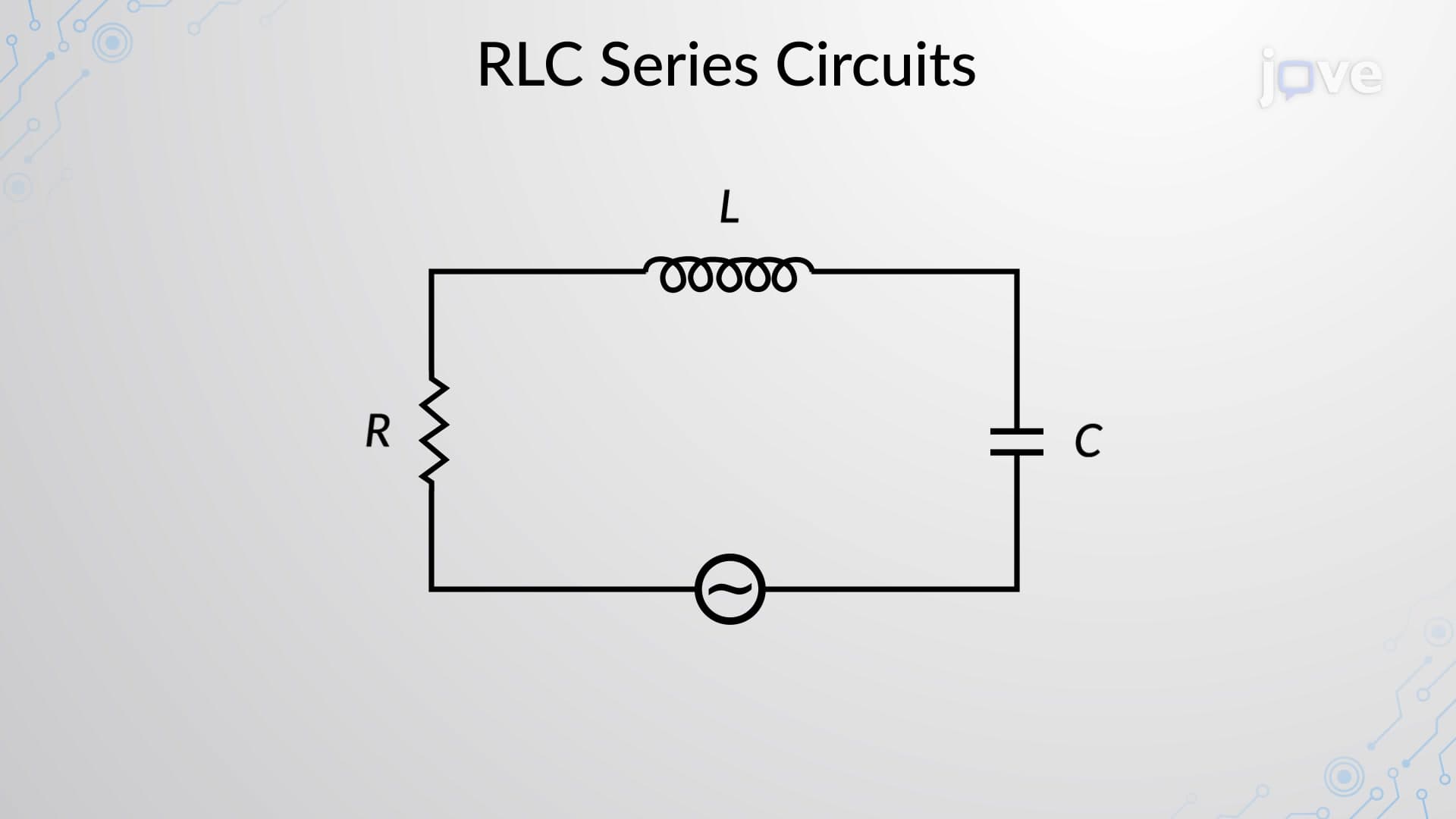
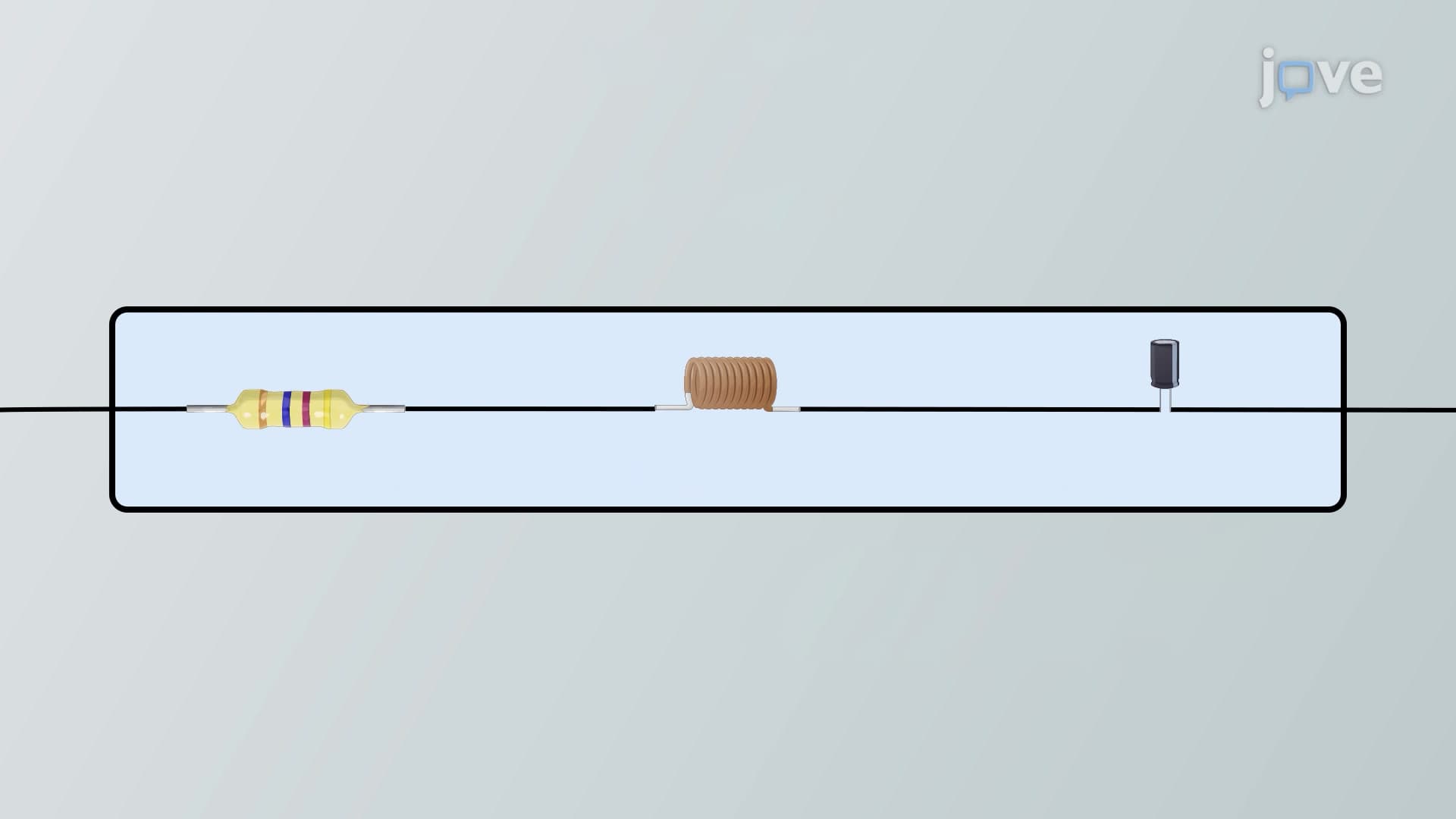
RLC series circuit problem solving represents one of the most practical applications of AC circuit analysis in electrical engineering. When a resistor (R), inductor (L), and capacitor (C) are connected in series with an AC voltage source, they create complex interactions that require systematic mathematical analysis. This approach forms the backbone of power system design at utilities like Pacific Gas & Electric and Tesla's charging infrastructure.
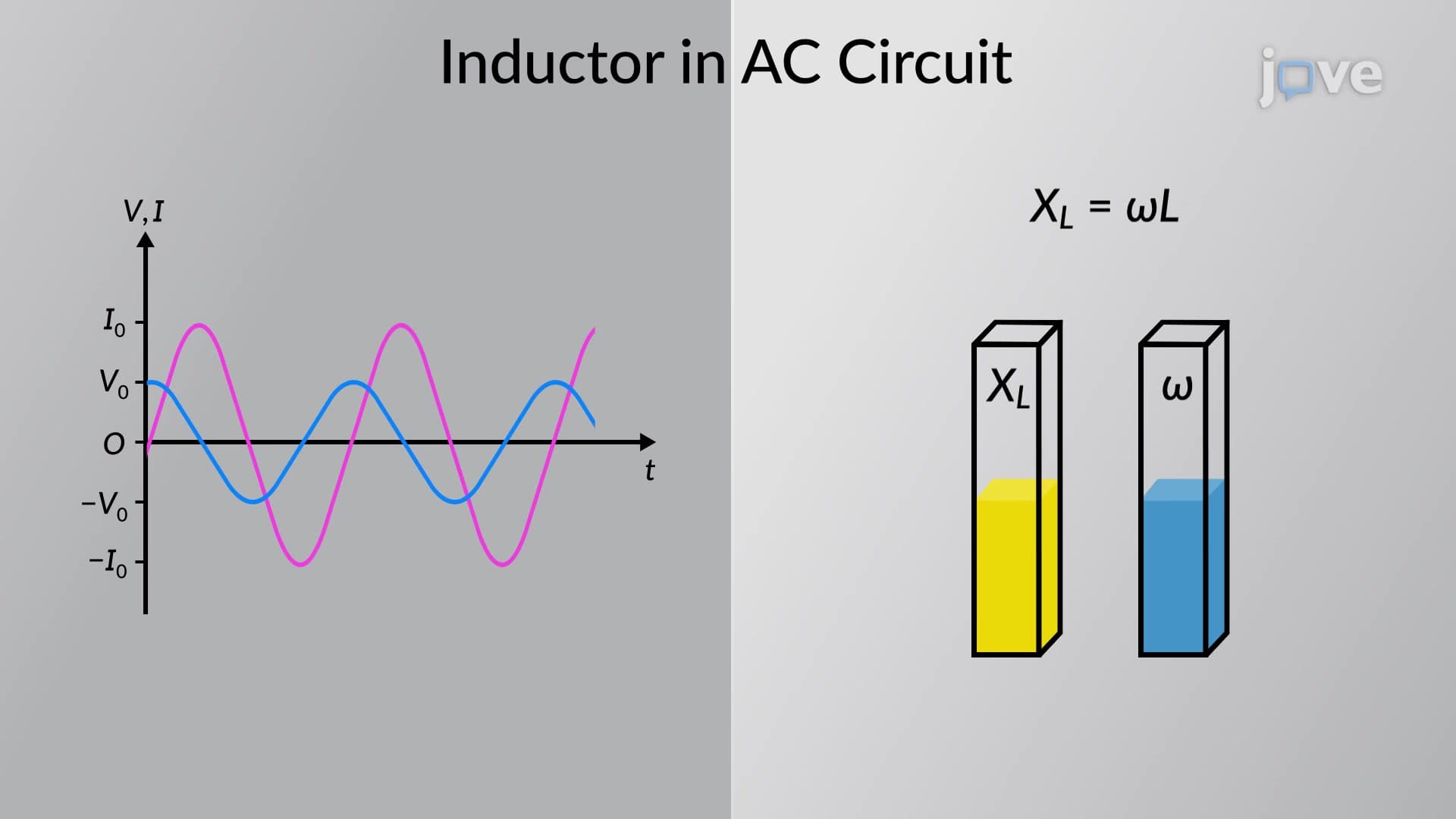
The foundation of successful problem solving begins with calculating reactances. Inductive reactance follows XL = 2πfL, where frequency and inductance determine how strongly the inductor opposes current changes. Capacitive reactance uses XC = 1/(2πfC), showing the inverse relationship between frequency and capacitive opposition. Students preparing for the AP Physics C exam must master these relationships, as they frequently appear in both multiple-choice and free-response sections.
Total impedance combines resistance and net reactance using Z = √(R² + (XL - XC)²), creating the circuit's overall opposition to AC current. The phase angle θ = arctan((XL - XC)/R) reveals whether the circuit behaves inductively (positive angle) or capacitively (negative angle). This concept proves essential for electrical engineering students at universities like MIT or Stanford, where power factor calculations determine system efficiency.
Once impedance is known, current amplitude follows I = V/Z, directly applying Ohm's law to AC circuits. Individual element voltages multiply current by respective impedances: VR = IR, VL = IXL, and VC = IXC. These calculations appear regularly on MCAT physics sections and electrical engineering midterms, where students must demonstrate both conceptual understanding and computational accuracy. Understanding these relationships prepares students for advanced courses in circuit analysis and electromagnetic theory.
Frequently Asked Questions
RLC series circuit problem solving is the systematic method for analyzing AC circuits containing resistors, inductors, and capacitors connected in series. This skill is fundamental for electrical engineering majors because it teaches how to calculate impedance, phase relationships, and voltage distributions in real power systems. Students use these concepts throughout their coursework and in professional practice at companies designing everything from smartphone chargers to electric vehicle systems.
The AP Physics C exam frequently tests RLC circuit concepts through both multiple-choice questions and free-response problems requiring detailed calculations. Students must demonstrate mastery of reactance formulas, impedance calculations, and phase angle relationships. The exam typically provides circuit diagrams with specific component values and asks for quantitative analysis of current, voltage, and power relationships.
Students need solid foundations in algebra, trigonometry, and complex number operations to succeed with RLC circuits. Understanding sine and cosine functions helps with AC analysis, while proficiency with square roots and arctangent calculations supports impedance and phase angle work. Most high school students who have completed Algebra 2 and basic trigonometry possess sufficient mathematical background for introductory circuit analysis.
Engineers at companies like Boeing use RLC circuit analysis to design aircraft electrical systems that maintain stable power delivery under varying frequency conditions. Power grid engineers apply these principles to optimize transmission line efficiency and minimize power losses. Even consumer electronics designers rely on RLC concepts when creating filters for audio equipment and wireless communication devices.
Focus on memorizing the three key formulas (inductive reactance, capacitive reactance, and impedance) first, then practice systematic problem-solving approaches. Work through problems step-by-step, always identifying known and unknown quantities before beginning calculations. Create formula sheets for quick reference during exams, and practice with varied frequency and component values to build confidence with different scenarios.
Start by ensuring mastery of complex number arithmetic and phasor representations, which extend RLC analysis to more sophisticated circuit configurations. Review trigonometric identities and practice converting between rectangular and polar coordinate systems. Consider introductory electrical engineering textbooks used at schools like UC Berkeley or Georgia Tech to preview advanced topics like three-phase systems and filter design.
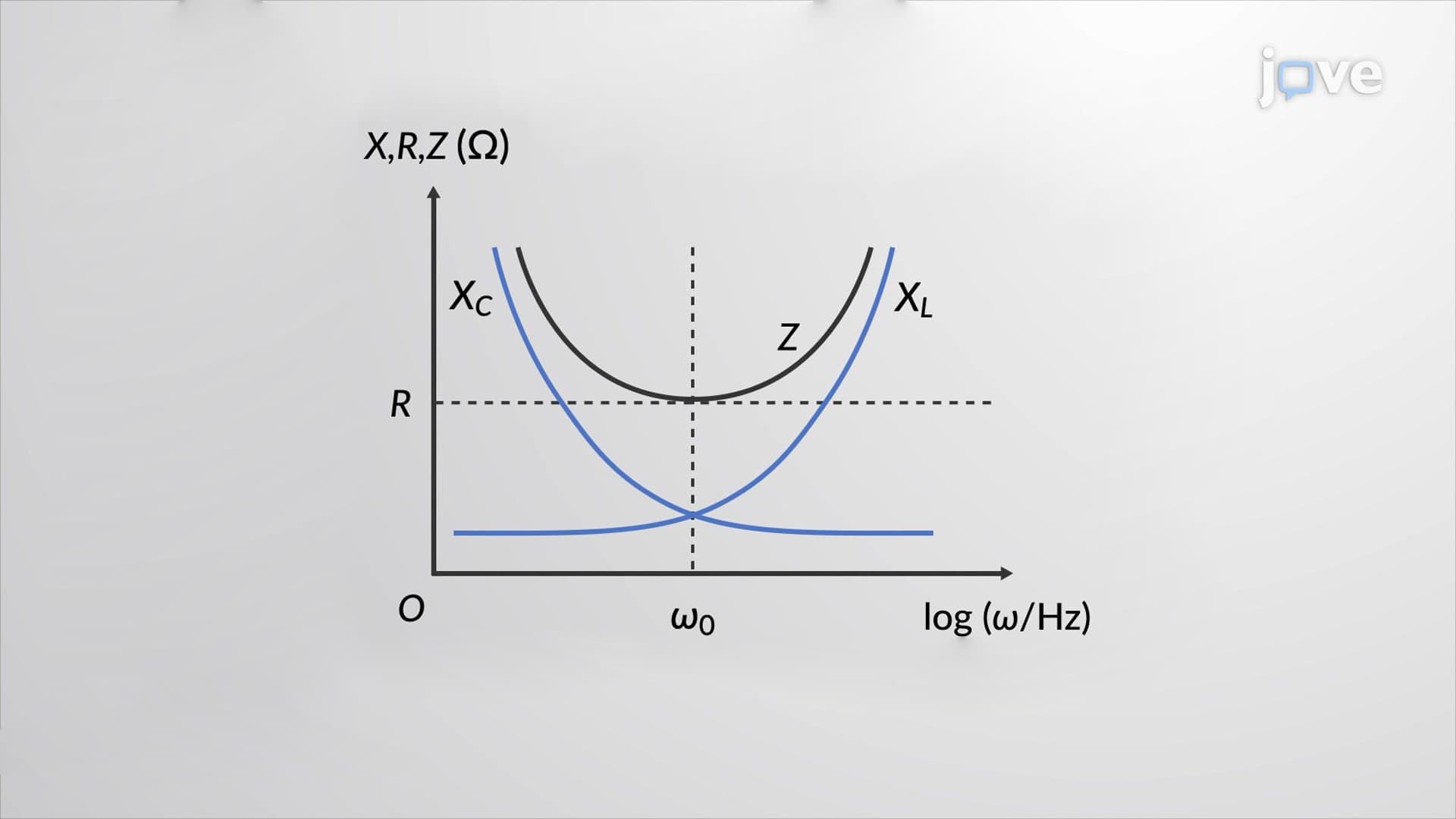
Frequency changes affect inductive and capacitive reactances in opposite ways, creating resonance conditions where impedance reaches minimum values. At resonant frequency, XL equals XC, leaving only resistance to oppose current flow. This frequency-dependent behavior explains how radio tuners select specific stations and how electrical filters separate desired signals from noise in communication systems.
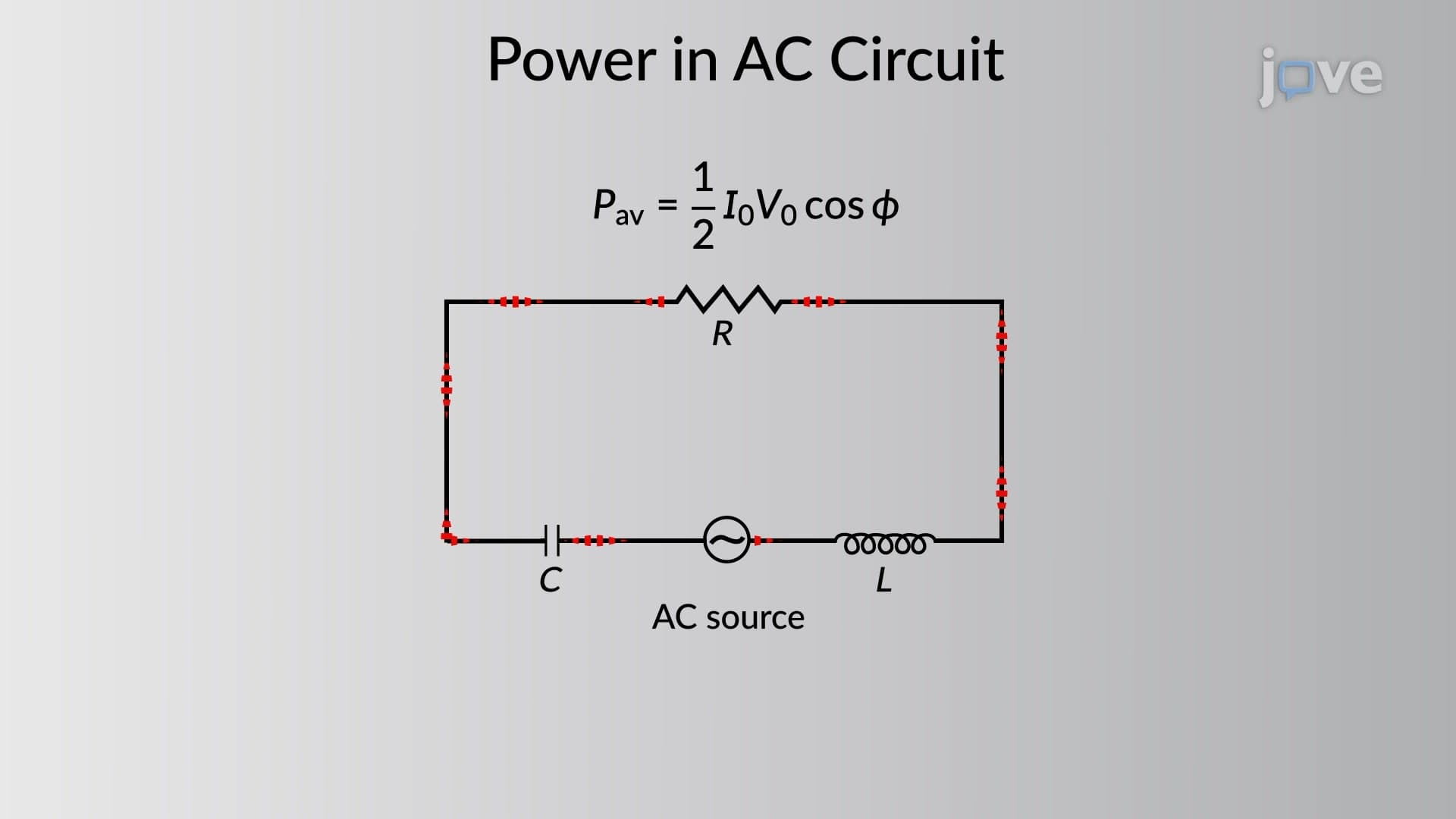
Advanced topics include parallel RLC circuits, coupled circuits with mutual inductance, and AC power analysis including real and reactive power calculations. Students typically progress to studying three-phase systems, transmission line theory, and electronic filter design. These concepts form the foundation for specialized courses in power systems, signal processing, and electromagnetic field theory.
Related Micro-courses


Related Subjects
 Math Fundamentals 11 micro-courses›
 Statistics 17 micro-courses›