Loading…
Loading video…

29,600 views
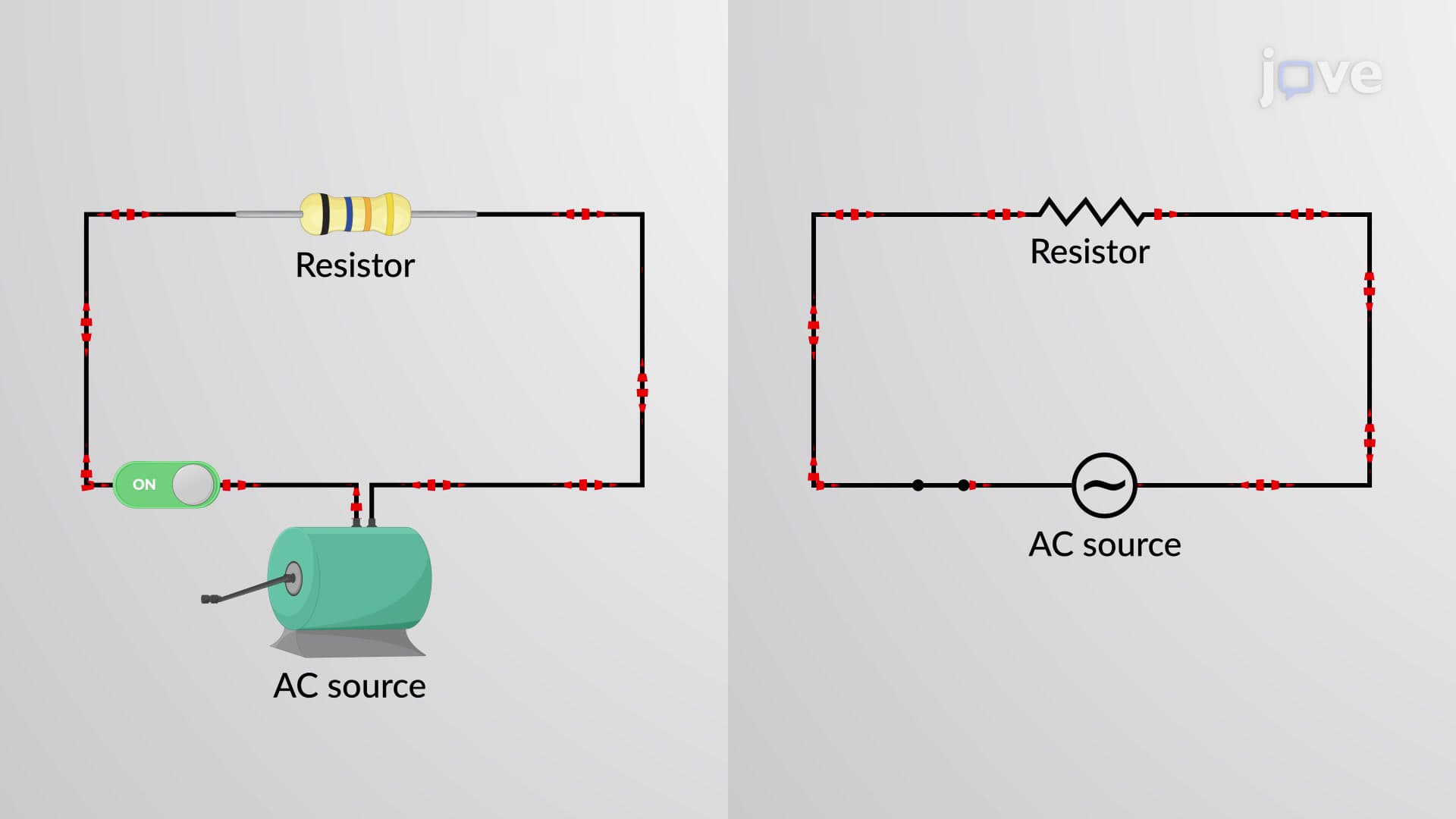
Ever wonder why the lights in your home don't flicker despite using alternating current? A resistor in an AC circuit behaves fundamentally differently than in DC circuits, yet maintains a predictable relationship between voltage and current. Unlike capacitors or inductors, resistors create no phase shift in AC circuits—meaning voltage and current reach their peaks simultaneously, much like synchronized swimmers in a US Olympic team. This phase relationship makes resistors the simplest AC components to analyze using phasor diagrams. Watch the full video on JoVE Coach to master this concept with expert-led visuals and step-by-step explanations.
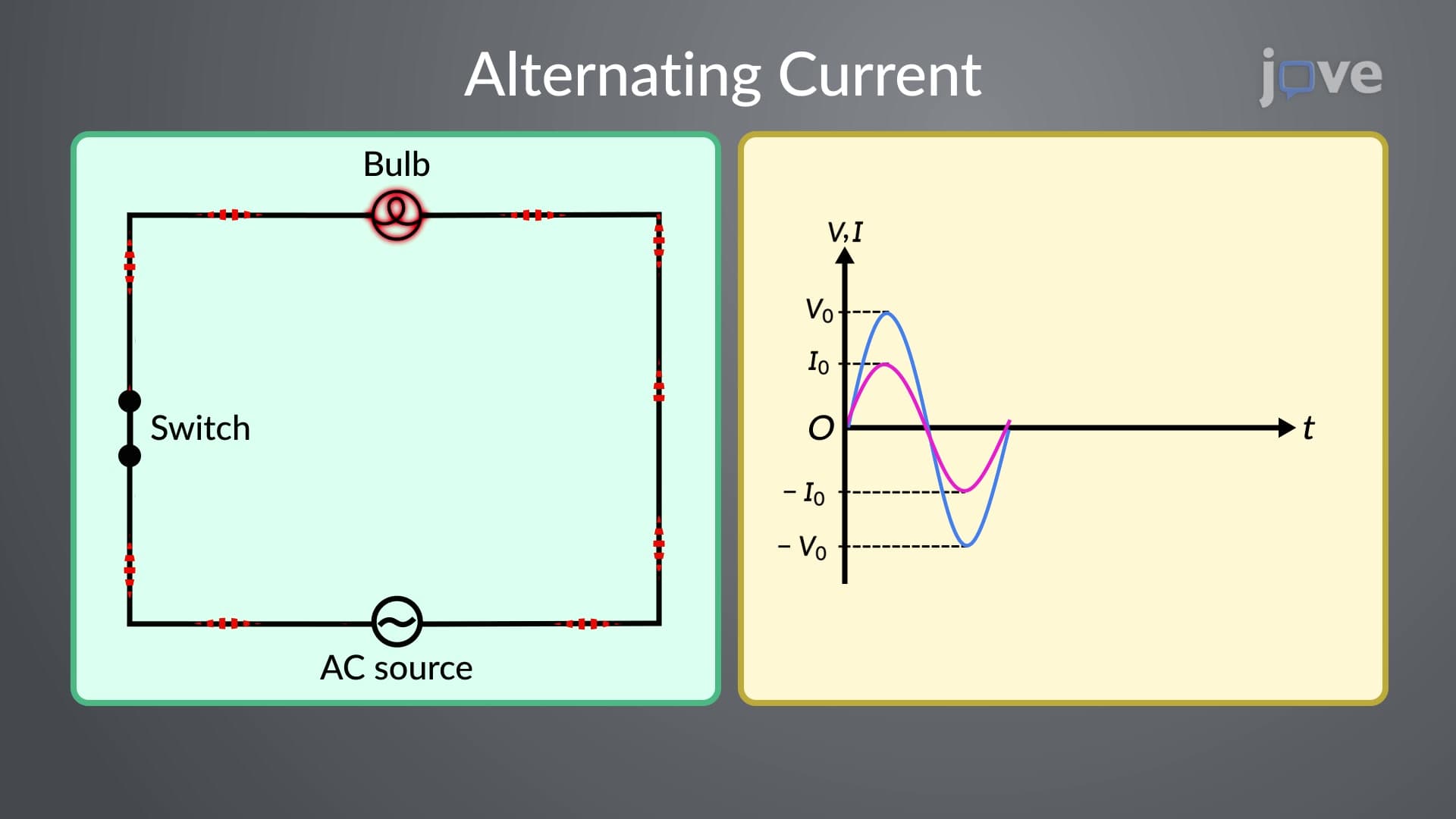
When analyzing a resistor in an AC circuit, the fundamental principle remains rooted in Ohm's law, but the sinusoidal nature of AC introduces new considerations. Unlike DC circuits where voltage and current are constant, AC circuits feature continuously varying voltage and current that follow sinusoidal patterns. The mathematical representation V(t) = V₀sin(ωt) describes how voltage varies with time, where V₀ represents the peak voltage and ω represents the angular frequency.
The most crucial characteristic of resistors in AC circuits is that voltage and current remain perfectly in phase. This means both reach their maximum and minimum values simultaneously—a property that distinguishes resistors from reactive components like capacitors and inductors. In practical terms, when analyzing household electrical systems or laboratory circuits, this in-phase relationship simplifies calculations significantly. Phasor diagrams provide a powerful visual tool for representing this relationship, where both voltage and current phasors point in the same direction and rotate together at angular frequency ω.
In real-world applications, resistive AC circuits appear everywhere from space heaters to incandescent light bulbs. Consider a typical American household where a 1500W space heater operates on 120V AC power—the heating element acts as a pure resistor, creating the in-phase relationship discussed. For students preparing for AP Physics or college-level electrical engineering courses, understanding this concept proves essential for analyzing more complex circuits involving RLC combinations.
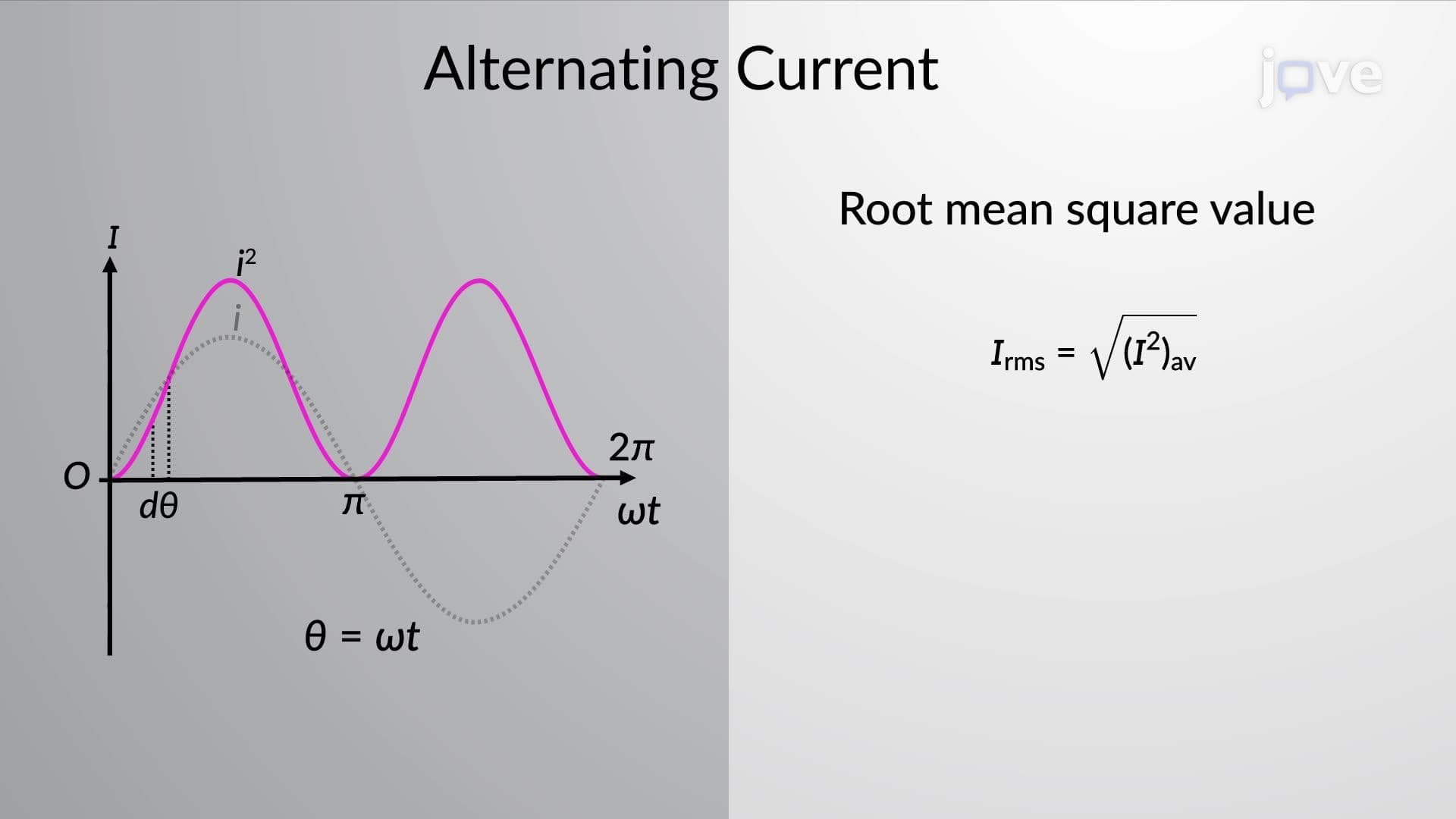
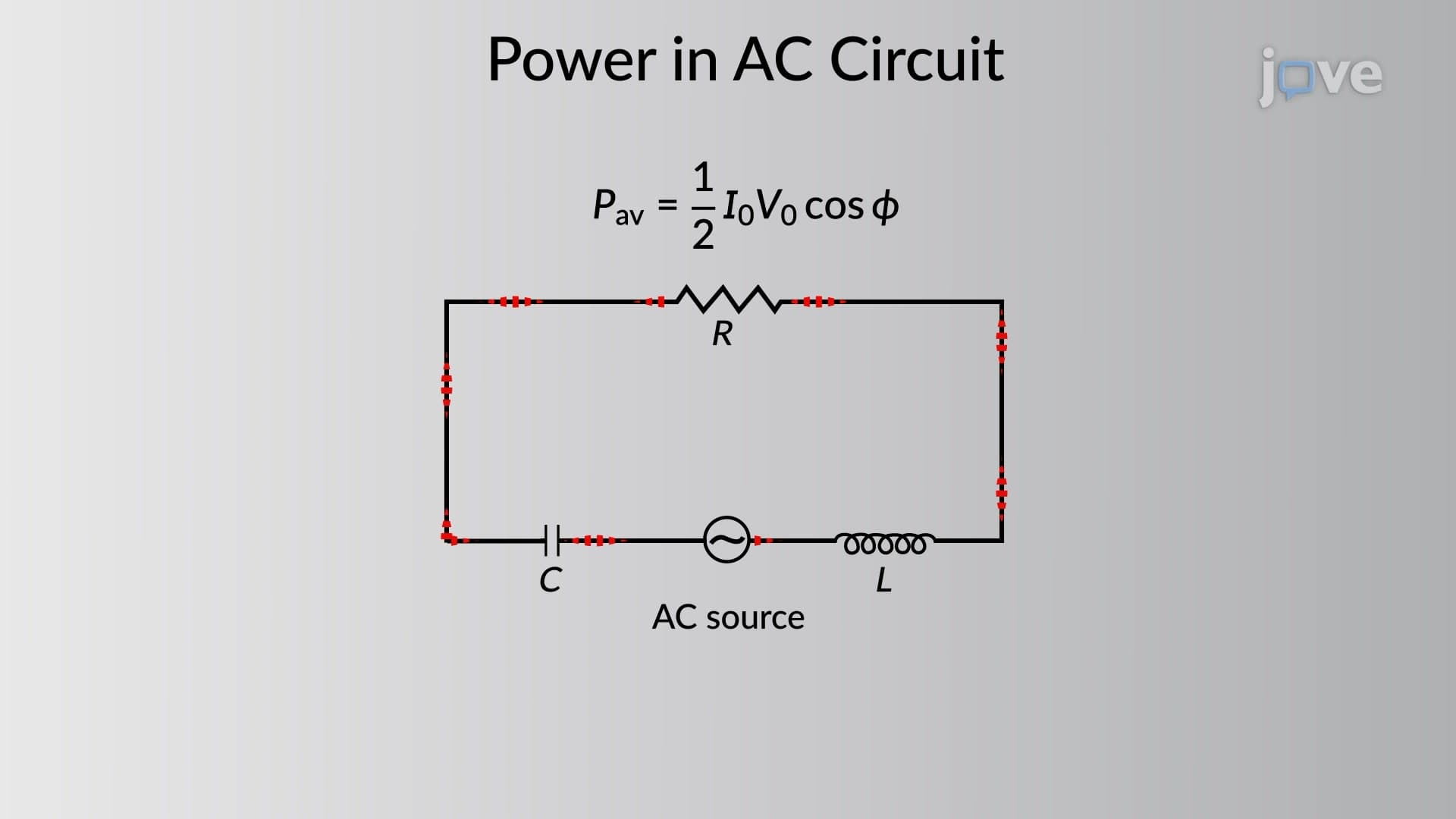
The instantaneous power in a resistive AC circuit follows P(t) = V(t) × I(t) = V₀I₀sin²(ωt), resulting in a time-varying power that's always positive. This mathematical relationship explains why resistors always dissipate energy as heat, never storing it. For standardized exams like the MCAT or AP Physics C, students frequently encounter problems requiring RMS (root-mean-square) calculations, where VRMS = V₀/√2 and IRMS = I₀/√2, making the average power calculation straightforward: P = VRMS × IRMS.
Frequently Asked Questions
A resistor in an AC circuit is a component that opposes current flow while maintaining an in-phase relationship between voltage and current. Unlike DC circuits where values remain constant, AC circuits feature sinusoidally varying voltage and current that peak simultaneously. The resistance value remains the same, but the analysis requires understanding instantaneous values, RMS values, and phasor relationships.
Yes, AP Physics C: Electricity and Magnetism frequently includes AC circuit analysis problems. Students encounter questions involving phasor diagrams, RMS calculations, and power dissipation in resistive circuits. The College Board emphasizes understanding phase relationships and applying Ohm's law to time-varying quantities, making this concept essential for exam success.
The MCAT Physics section includes basic AC circuit principles, particularly focusing on household electrical systems and medical device applications. Test-takers should understand RMS voltage calculations (120V household power), power dissipation in resistive heating elements, and phase relationships. Medical equipment often relies on these principles for heating elements and resistive sensors.
Common examples include incandescent light bulbs, electric space heaters, hair dryers, and electric stove burners. These appliances contain heating elements that act as pure resistors in AC circuits. The in-phase voltage-current relationship explains why these devices provide consistent heating despite operating on alternating current from the electrical grid.
No, basic trigonometry and algebra suffice for most AC resistor analysis. Students should be comfortable with sine functions, basic calculus for instantaneous values, and square root operations for RMS calculations. High school trigonometry provides adequate mathematical foundation for understanding phasor diagrams and sinusoidal relationships.
Start with DC circuit mastery, then gradually introduce time-varying elements. Practice drawing phasor diagrams for simple resistive circuits before tackling complex RLC combinations. Focus on visualizing the physical meaning behind mathematical expressions—understanding why voltage and current peak simultaneously in resistors helps memorize the in-phase relationship.
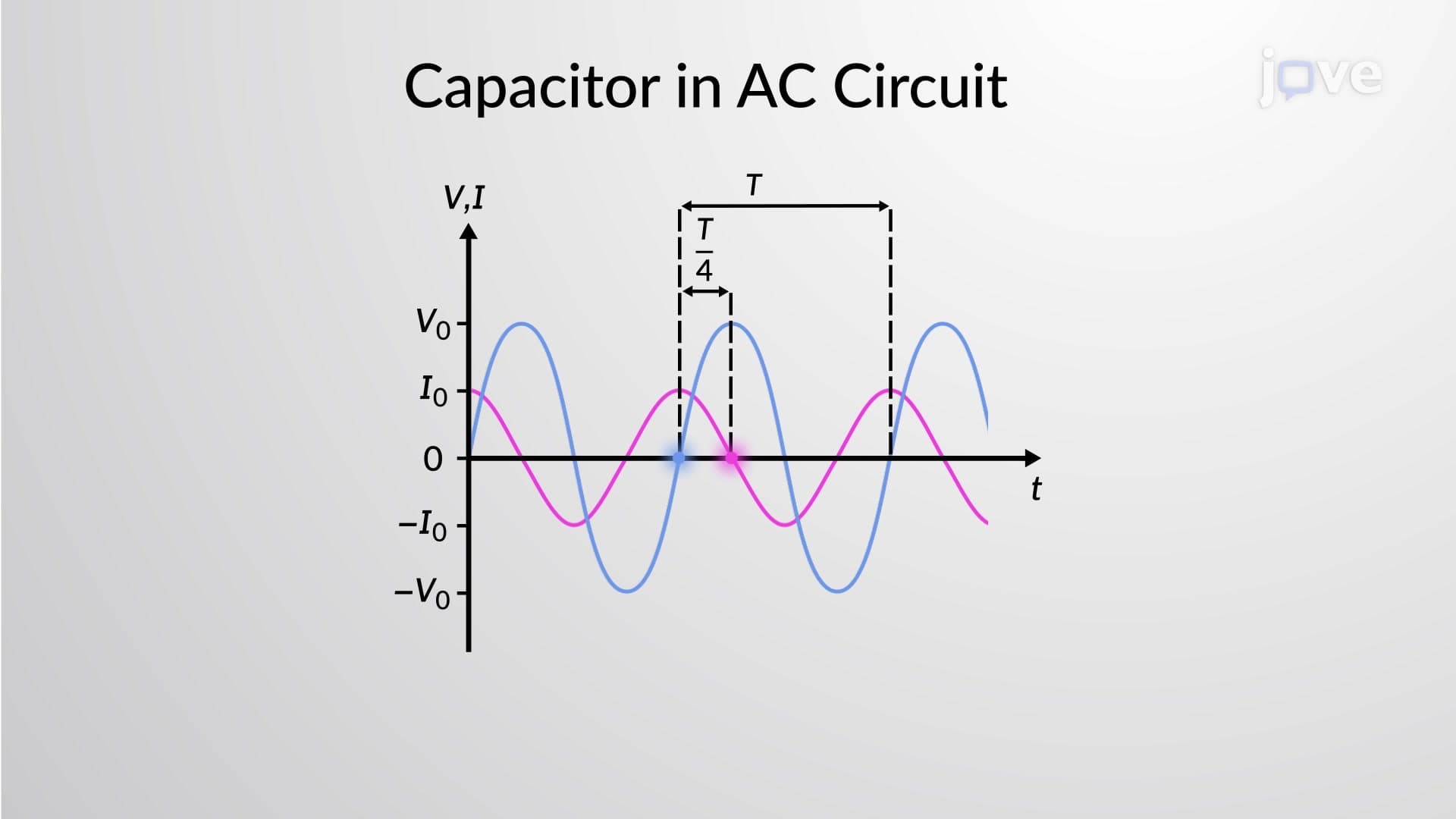
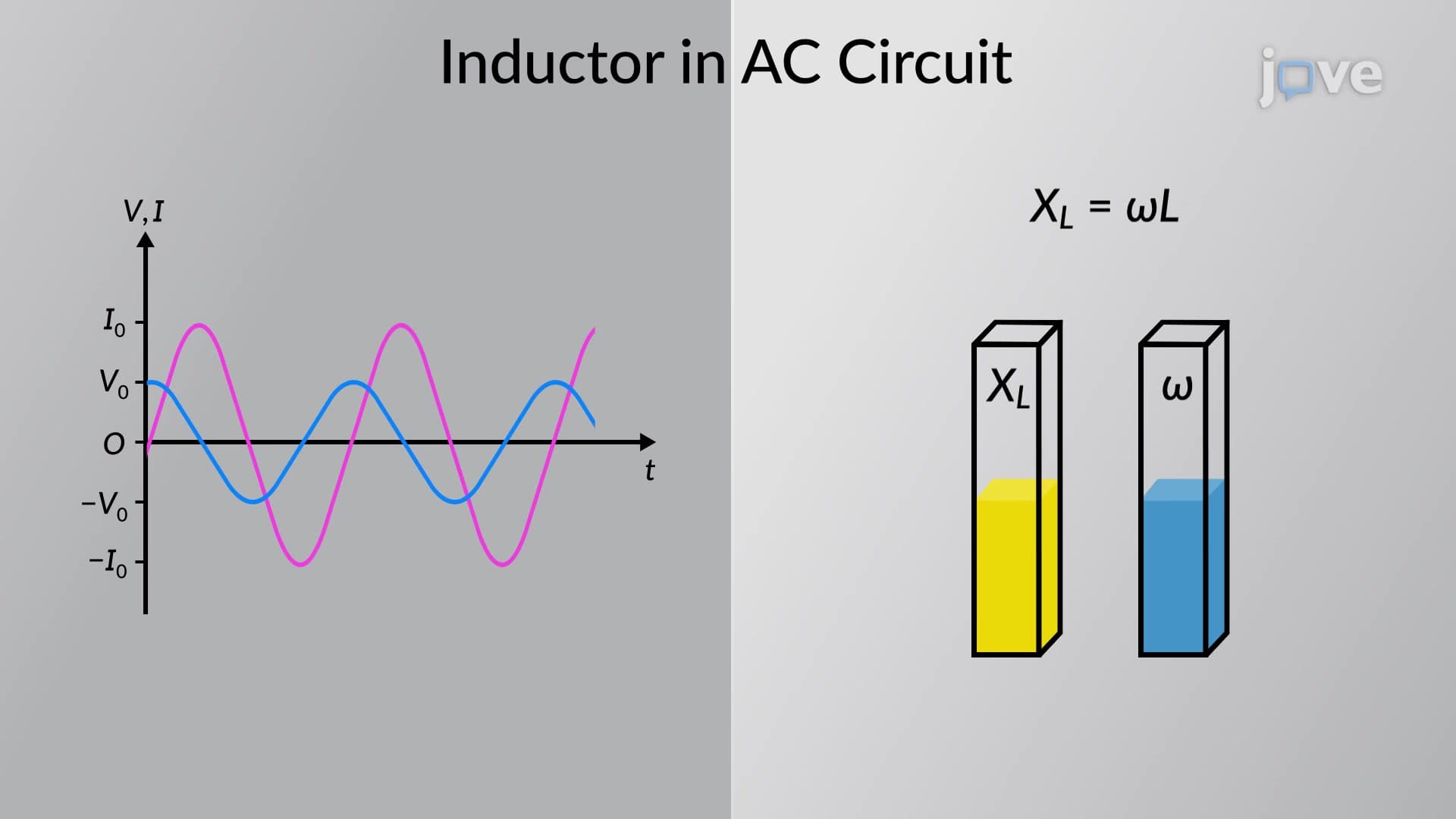
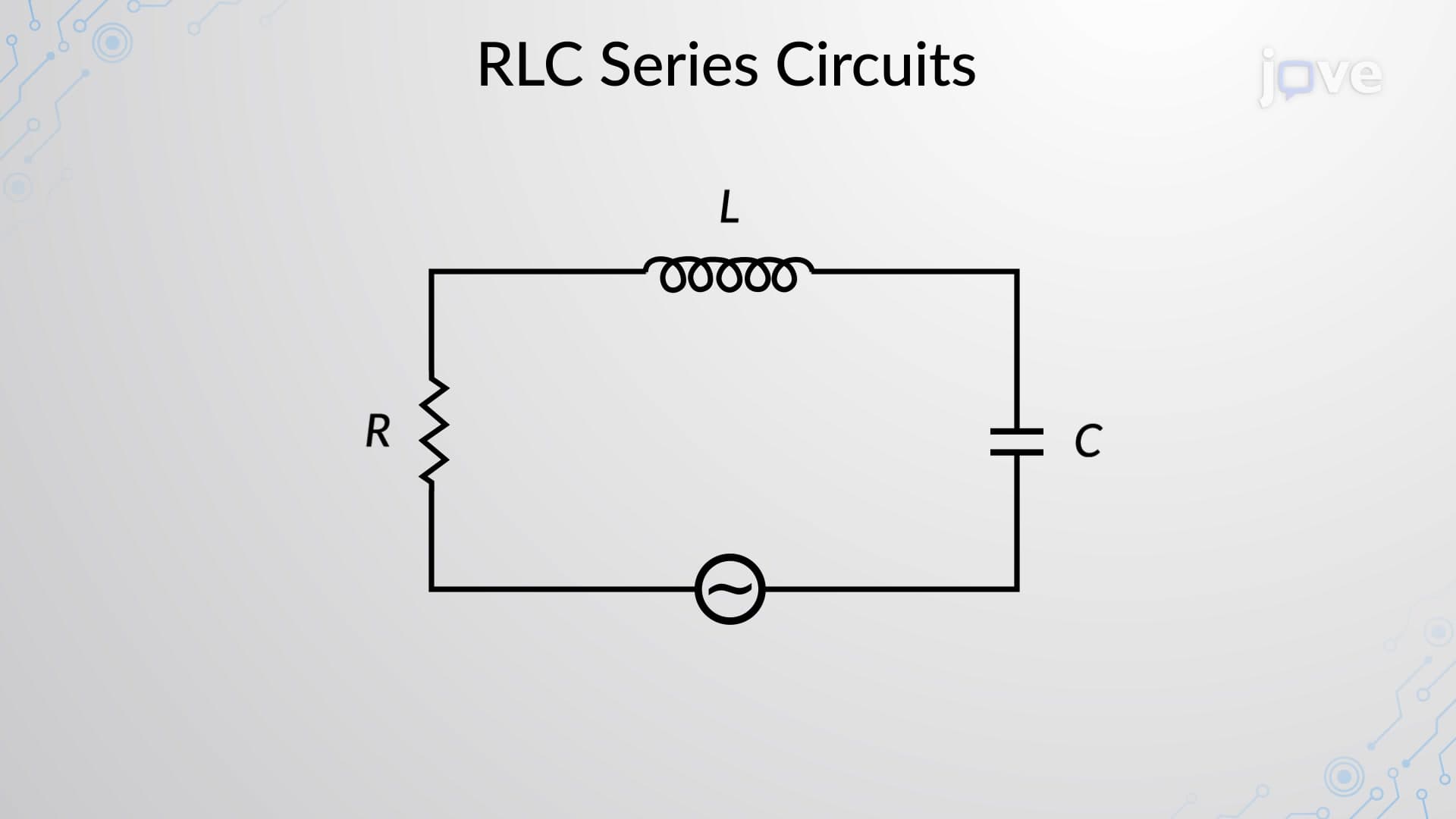
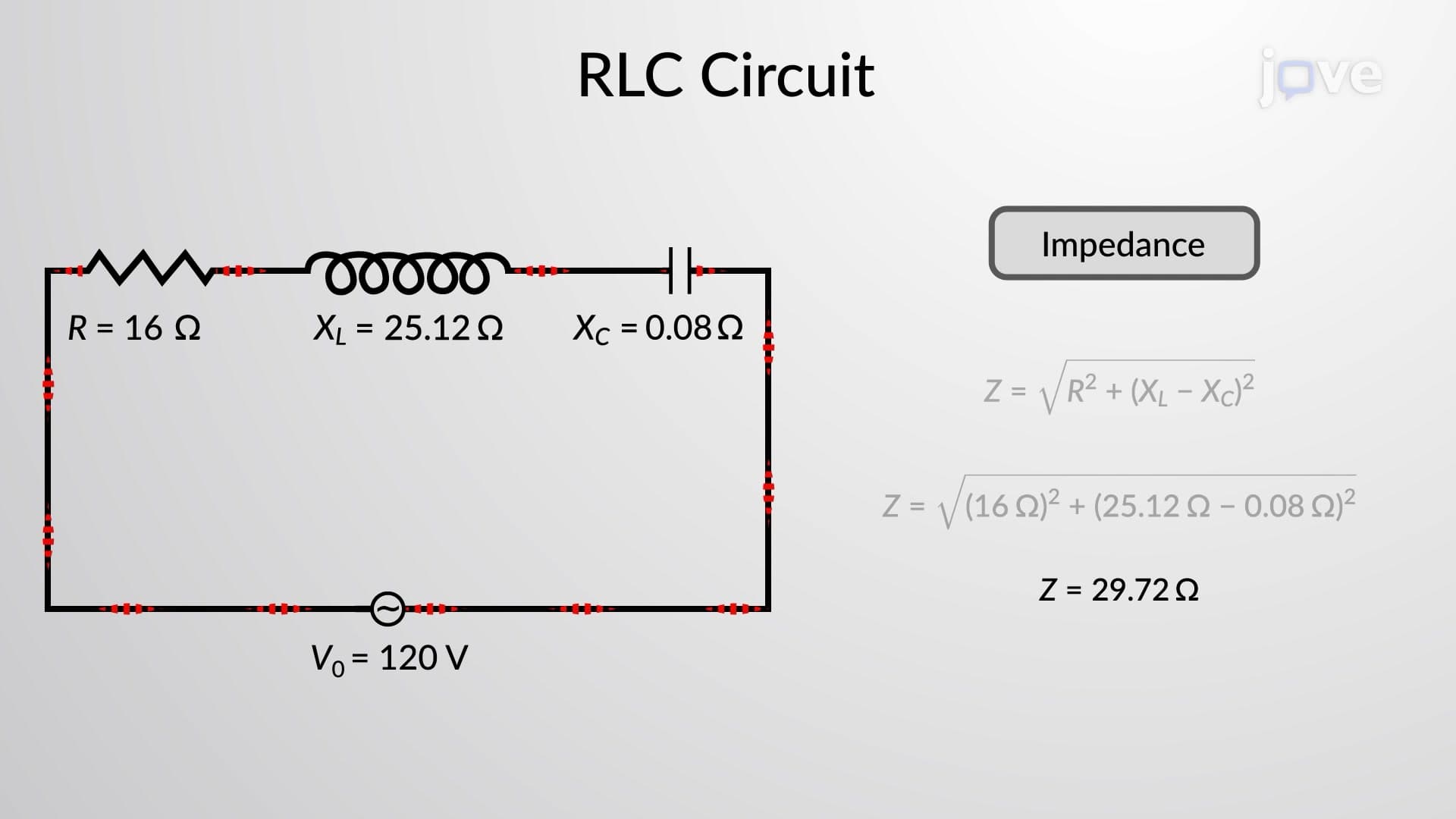
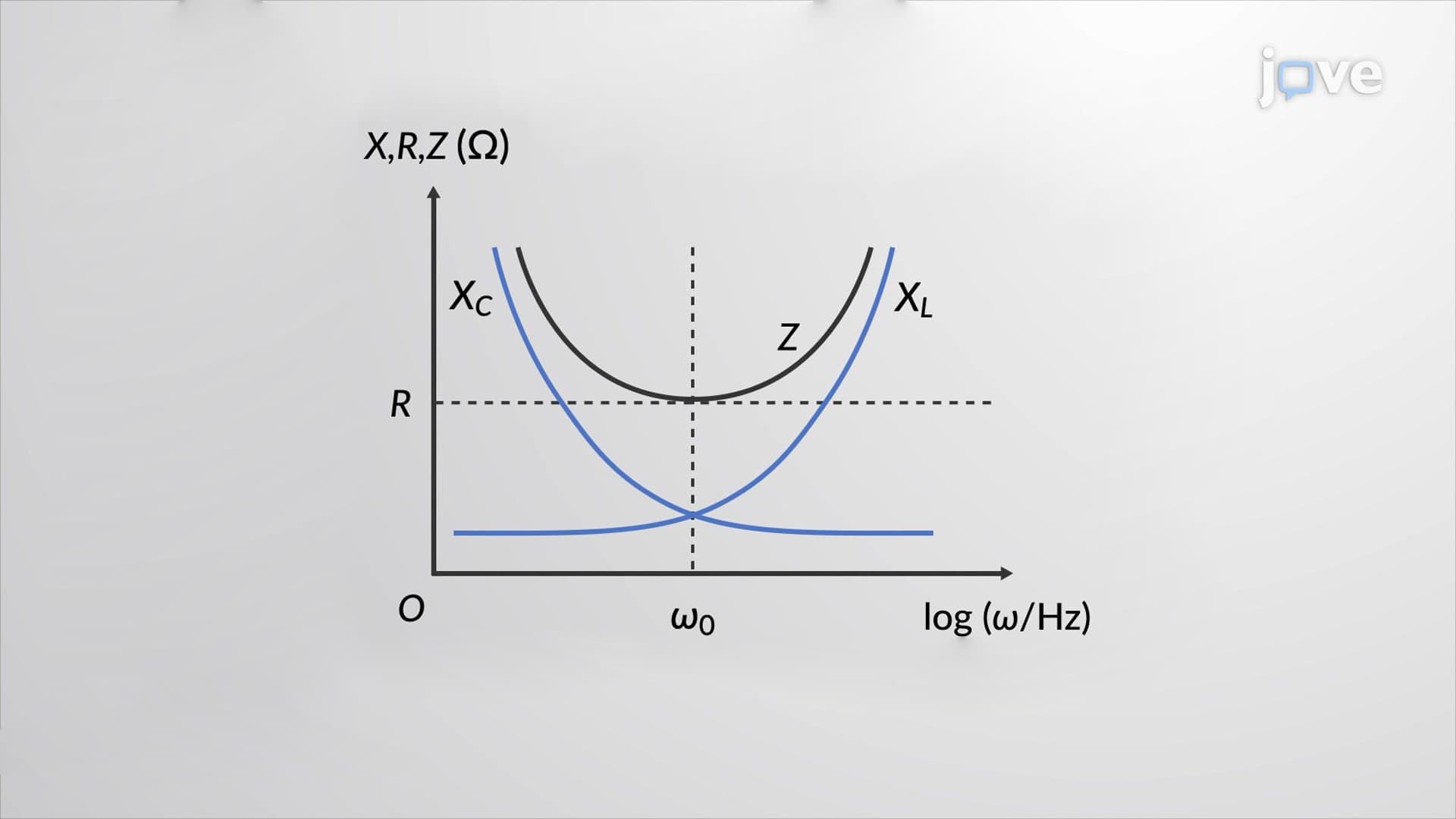
Progress to capacitive and inductive AC circuits to understand phase shifts, then combine all three in RLC circuit analysis. Advanced topics include impedance calculations, resonant frequency determination, and power factor analysis. These concepts build directly on the foundational understanding of resistive AC behavior.
AC resistor circuits add complexity through time-varying quantities but follow familiar principles. Students who understand DC Ohm's law and Kirchhoff's rules typically adapt quickly to AC analysis. The mathematical complexity increases gradually, and resistors provide the simplest introduction to AC concepts since they maintain familiar voltage-current relationships.
Related Micro-courses


Related Subjects
 Math Fundamentals 11 micro-courses›
 Statistics 17 micro-courses›