Loading…
Loading video…

43,213 views
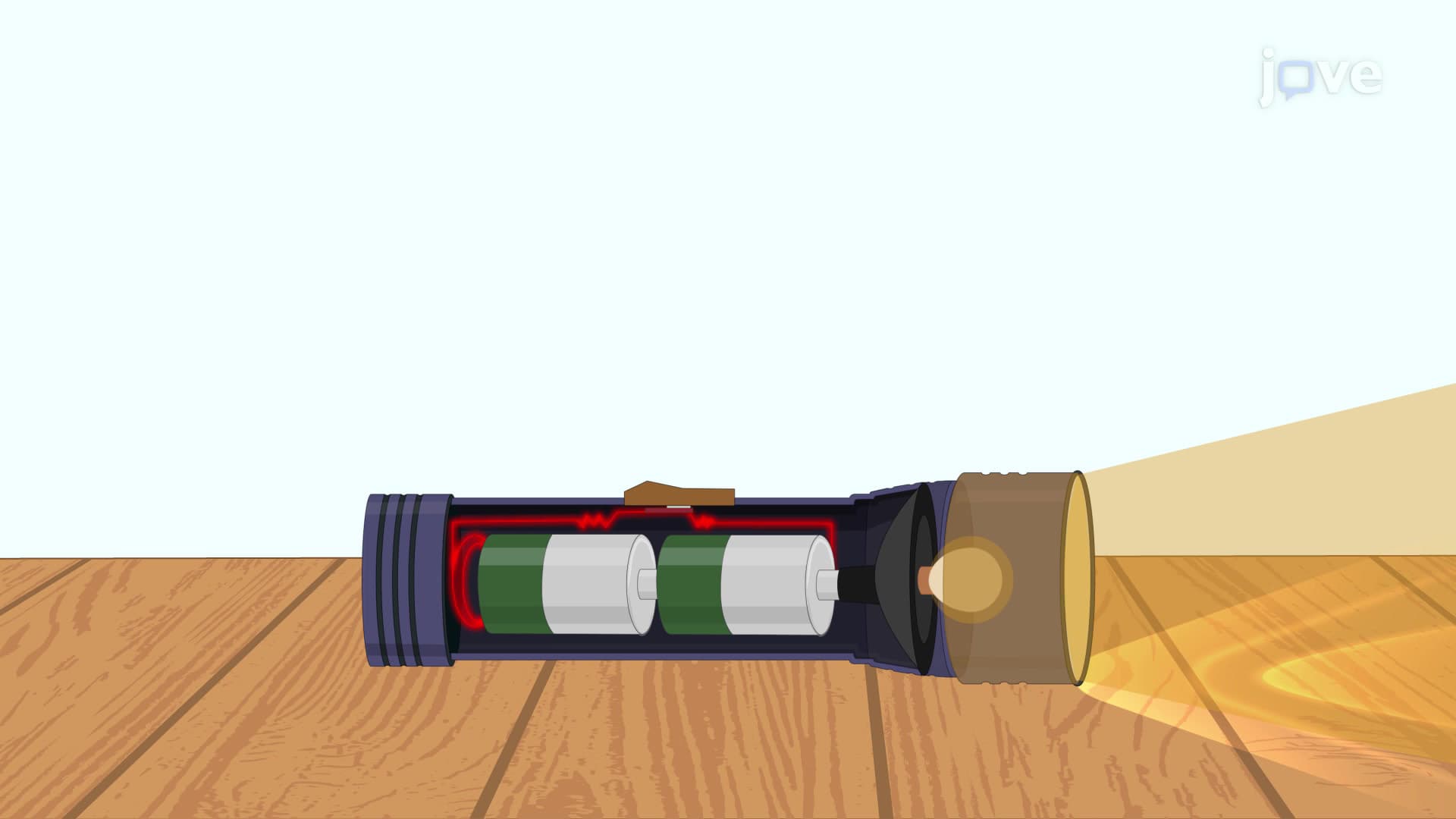
Ever wonder how pressing a light switch instantly illuminates an entire room? Electrical current is the flow of electric charge that powers everything from smartphones to Tesla vehicles across America. This fundamental concept defines current as the rate of charge flow, measured in amperes—one coulomb per second. Circuit diagrams use standardized symbols to represent components like batteries and switches, while conventional current flows from positive to negative terminals, opposite to actual electron movement. Watch the full video on JoVE Coach to master this concept with expert-led visuals and step-by-step explanations.
Electrical current represents one of the most fundamental concepts in physics and electrical engineering. At its core, current measures how much electric charge flows through a cross-sectional area per unit time. When you flip a switch in your home, you're controlling the flow of approximately 6.24 × 10^18 electrons per second—that's the power of electrical current in action.
The electrical current definition extends beyond simple charge movement. Current flows only when there's a complete circuit path, from the positive terminal of a power source, through the circuit components, and back to the negative terminal. This concept appears frequently on AP Physics exams and college-level coursework, where students must calculate current using the equation I = Q/t, where I represents current in amperes, Q represents charge in coulombs, and t represents time in seconds.
Understanding what is electrical current in detail requires familiarity with circuit diagrams. American electrical standards use specific symbols: circles with zigzag lines for resistors, parallel lines for capacitors, and circles with crosses for batteries. These standardized symbols appear on SAT Subject Tests and Advanced Placement exams, making visual literacy crucial for academic success.
Consider a typical household circuit: when you plug in a hair dryer drawing 12 amperes, that current represents 12 coulombs of charge flowing past any point in the circuit every second. This practical application demonstrates how current calculations directly relate to everyday electrical usage and electrical engineering careers.
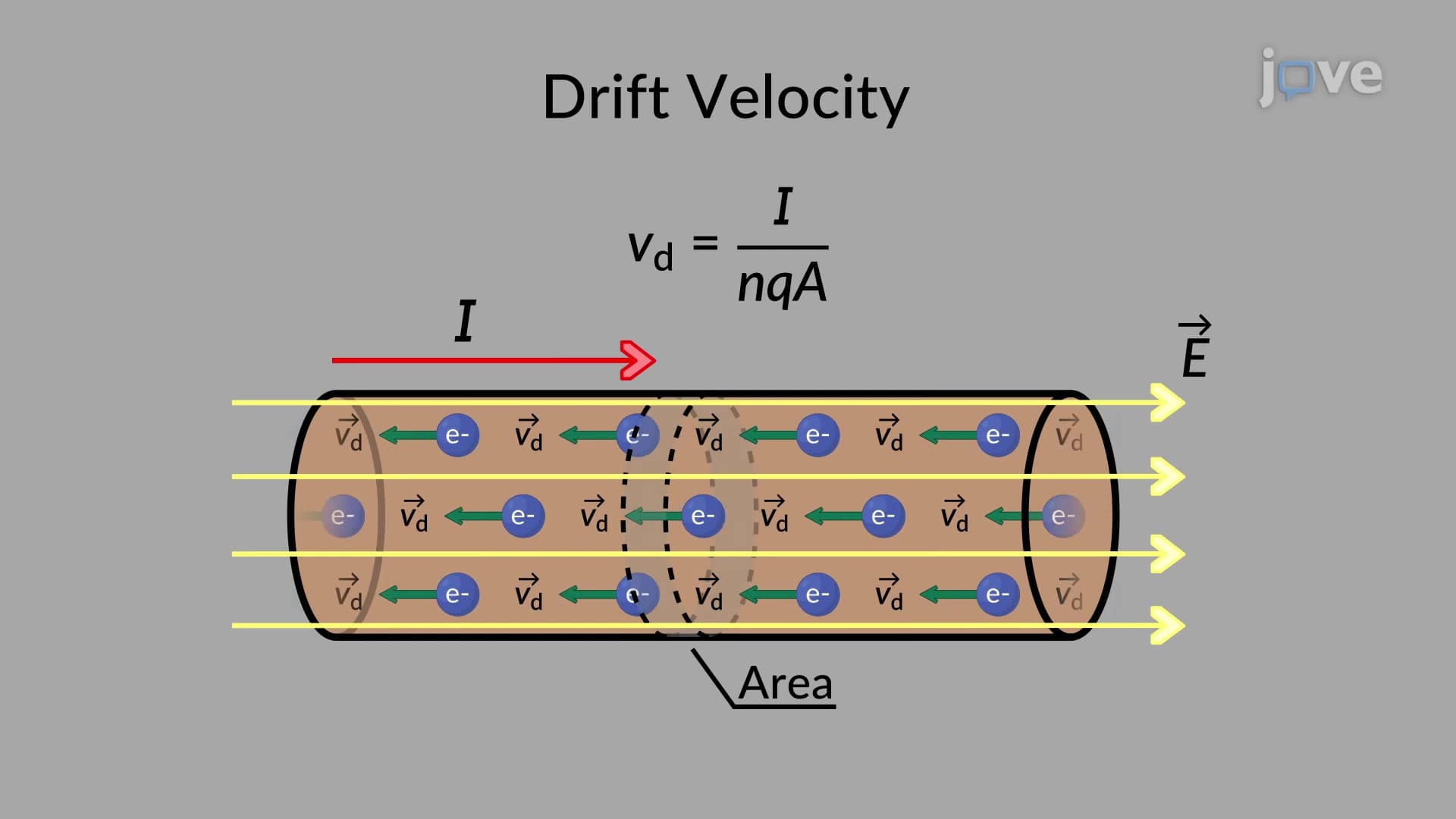
A critical distinction for understanding electrical current involves the difference between conventional current and actual electron movement. Benjamin Franklin's historical assumption established conventional current as flowing from positive to negative terminals. However, electrons—being negatively charged—actually flow from negative to positive terminals.
This seemingly contradictory concept frequently appears on MCAT physics sections and college midterm examinations. While the mathematical relationships remain identical regardless of which direction you consider, understanding both perspectives proves essential for advanced coursework in electrical engineering programs at institutions like MIT, Stanford, and UC Berkeley.
Modern applications of electrical current span from biomedical devices to renewable energy systems. Hospital equipment relies on precise current control—too little current renders devices ineffective, while excessive current can damage sensitive electronics or pose safety hazards. Wind turbines across Texas and California generate electrical current through electromagnetic induction, converting mechanical energy into the electrical power that energizes American homes and businesses.
Frequently Asked Questions
Electrical current is the flow of electric charge through a conductor, measured in amperes. Think of it like water flowing through a pipe—current measures how much electric charge passes through a cross-section per second. It's the fundamental concept that explains how electricity powers everything from light bulbs to electric vehicles.
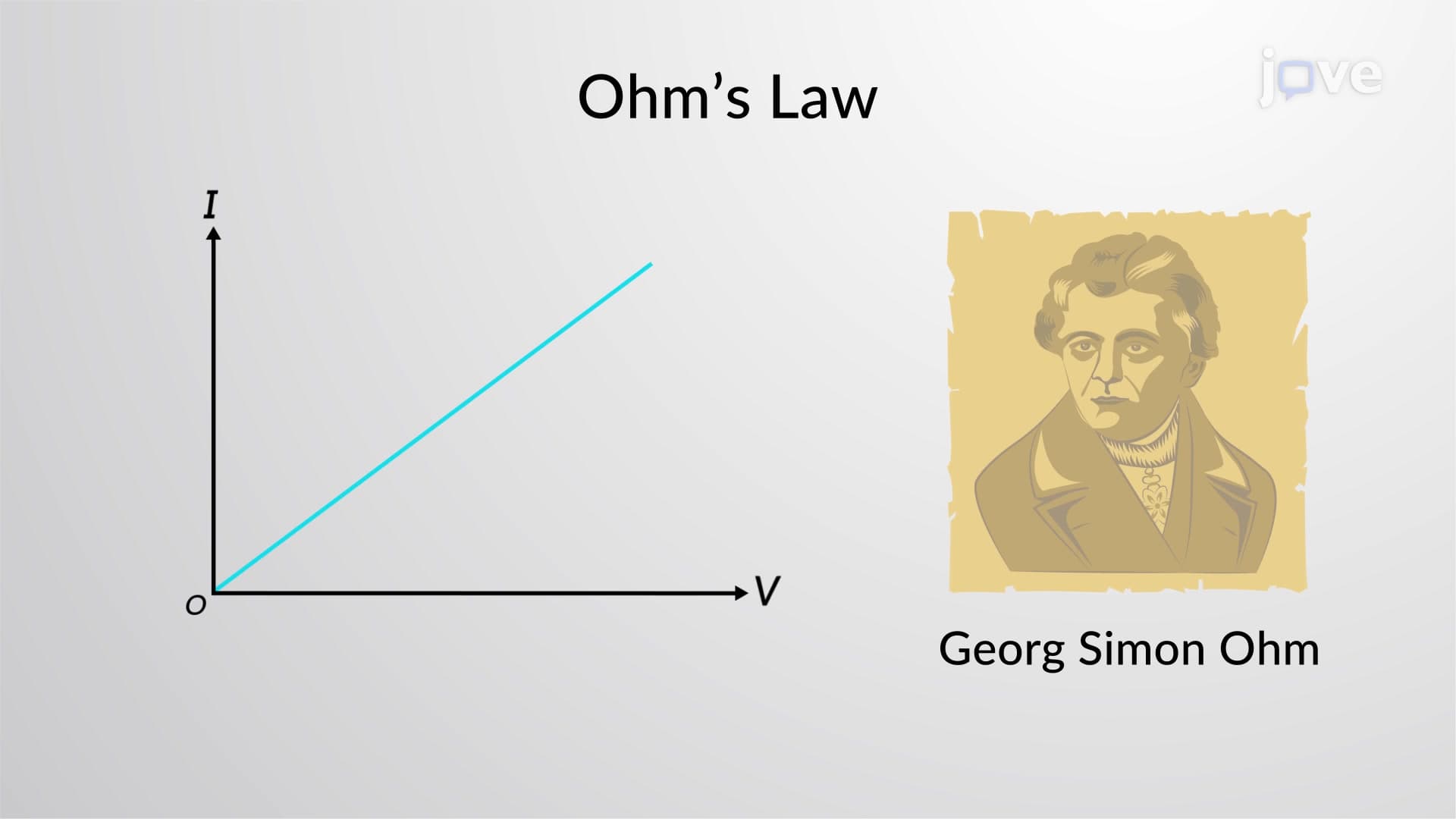
AP Physics exams frequently test current through circuit analysis problems, Ohm's law applications, and Kirchhoff's rules. Students must calculate current values, analyze series and parallel circuits, and explain the relationship between current, voltage, and resistance. Free-response questions often involve real-world scenarios like household wiring or electronic devices.
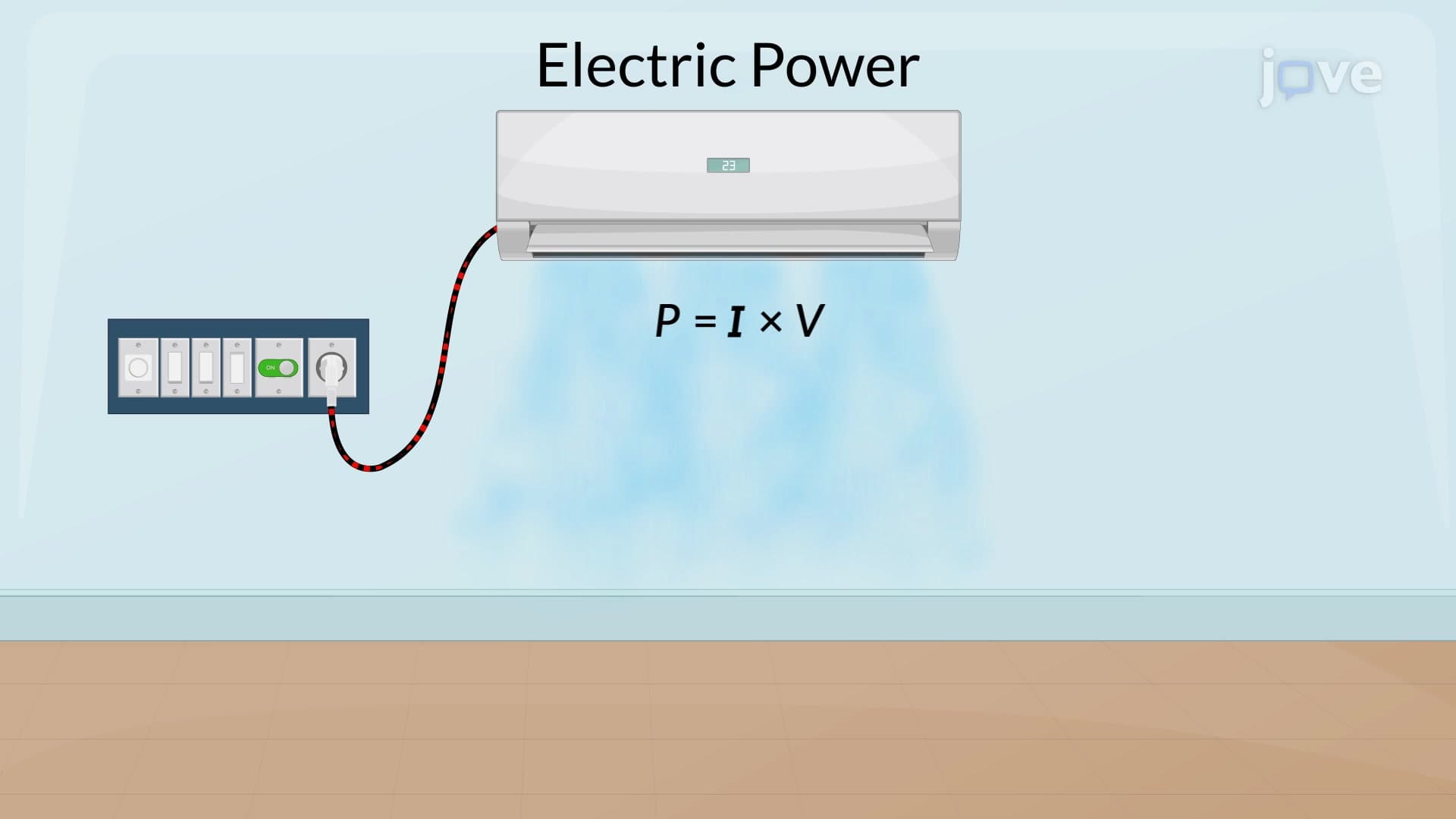
The MCAT physics section covers current in biological contexts, including nerve impulses, electrocardiograms, and biomedical devices. Test-takers must understand current flow in solutions, the relationship between current and power, and how electrical current relates to physiological processes like action potentials in neurons.
US households typically receive 120V AC current through standard outlets, with major appliances using 240V. A typical microwave draws about 10 amperes, while LED light bulbs use less than 1 ampere. Circuit breakers protect homes by stopping current flow when it exceeds safe levels, preventing electrical fires.
Electrical current concepts are very manageable with proper foundation in basic algebra and understanding of charge. Most students successfully master current calculations and circuit analysis in introductory physics courses. The key is practicing with real-world examples and understanding the physical meaning behind mathematical equations.
Focus on understanding the relationship I = Q/t, practice circuit diagram interpretation, and work through plenty of calculation problems. Create flashcards for circuit symbols, practice Ohm's law applications, and study real-world examples like household electrical systems. Past AP exam questions provide excellent practice material.
Electrical current knowledge is essential for engineering, computer science, and medical fields. Electrical engineers design power systems, computer engineers work with current flow in processors, and biomedical professionals use current-based diagnostic equipment. This foundation opens doors to careers at companies like Tesla, Apple, and General Electric.
Advanced topics include AC/DC current analysis, electromagnetic induction, and complex circuit analysis using Kirchhoff's laws. Students can explore power calculations, impedance in AC circuits, and applications in renewable energy systems. These concepts prepare you for advanced physics courses and electrical engineering programs.
Related Micro-courses



Related Subjects
 Math Fundamentals 11 micro-courses›
 Statistics 17 micro-courses›