Loading…
Loading video…

43,213 views
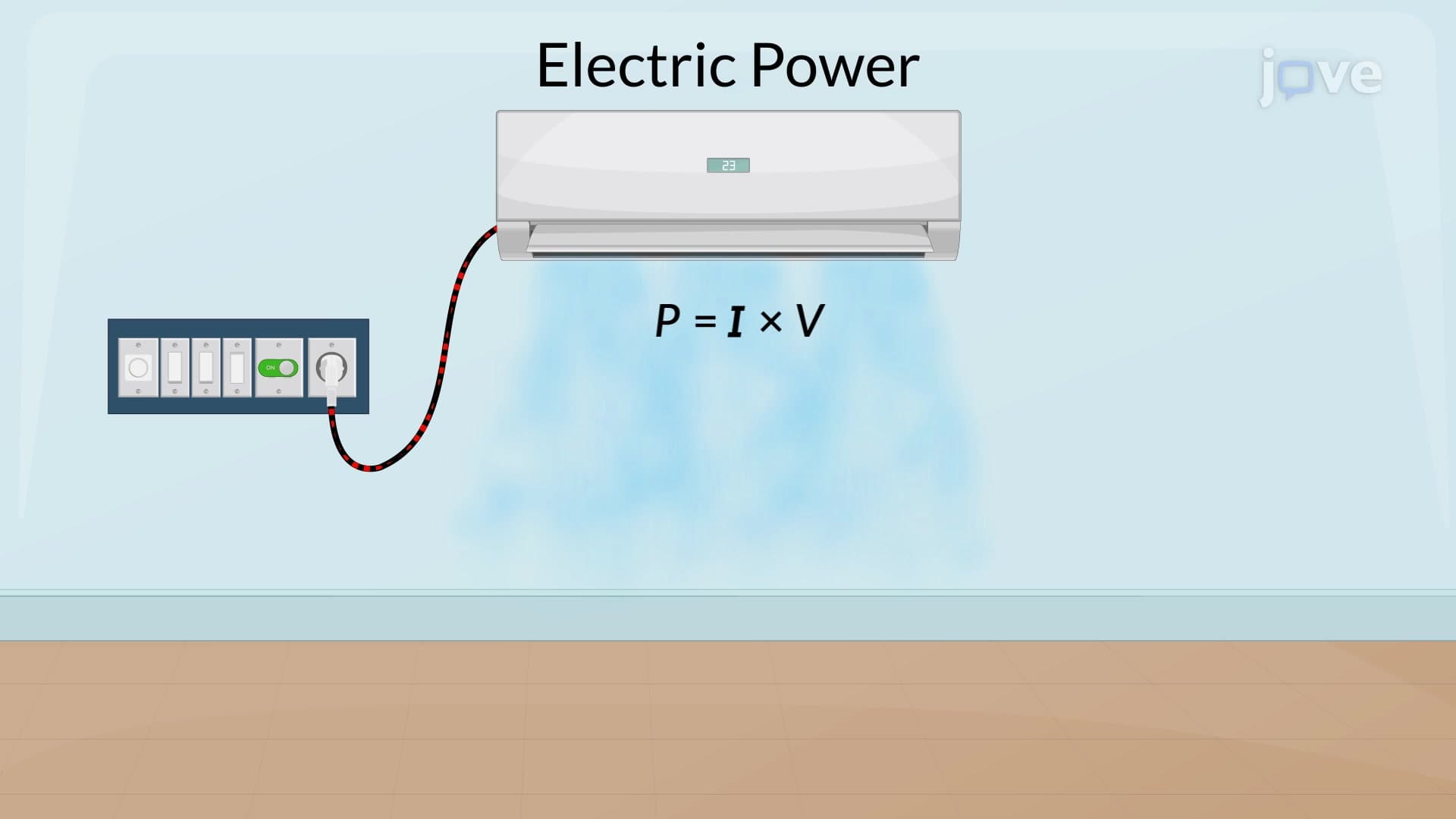
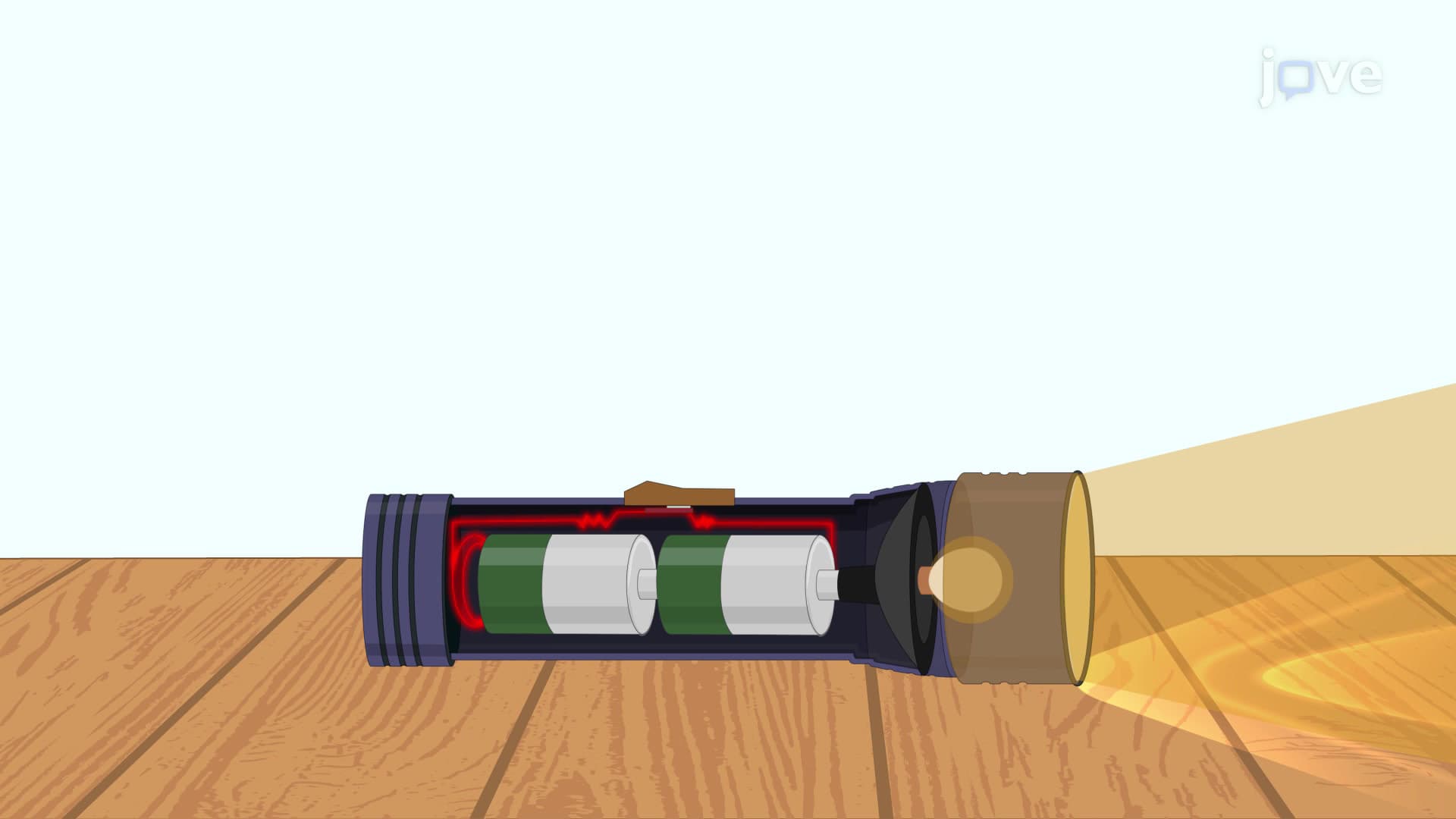
Ever wonder why your phone charger gets warm while charging? Electrical power explains this phenomenon — it's the rate at which electrical energy is converted into other forms of energy like heat, light, or motion. In American households, a typical microwave oven consumes about 1,000 watts of electrical power to heat food by converting electrical energy into thermal energy. What is Electrical Power becomes clearer when you understand it as the product of voltage and current flowing through any conductor or device. Watch the full video on JoVE Coach to master this concept with expert-led visuals and step-by-step explanations.
Electrical power represents the rate at which electrical energy is transferred or converted into other forms of energy within an electrical circuit. Unlike static electrical concepts, power involves the dynamic flow of energy over time, making it crucial for understanding how electrical devices actually function in real-world applications.
The fundamental electrical power definition centers on the mathematical relationship P = VI, where P represents power in watts, V represents voltage in volts, and I represents current in amperes. This simple equation reveals that electrical power depends on both the electrical pressure (voltage) pushing charges through a circuit and the actual flow rate of those charges (current).
When examining what is electrical power in detail, we must understand that electrical power rarely exists in isolation — it typically converts into other energy forms. In resistive circuits, electrical power transforms into thermal energy through a process called Joule heating. This explains why incandescent light bulbs become hot, why electric heaters warm rooms, and why computer processors require cooling systems.
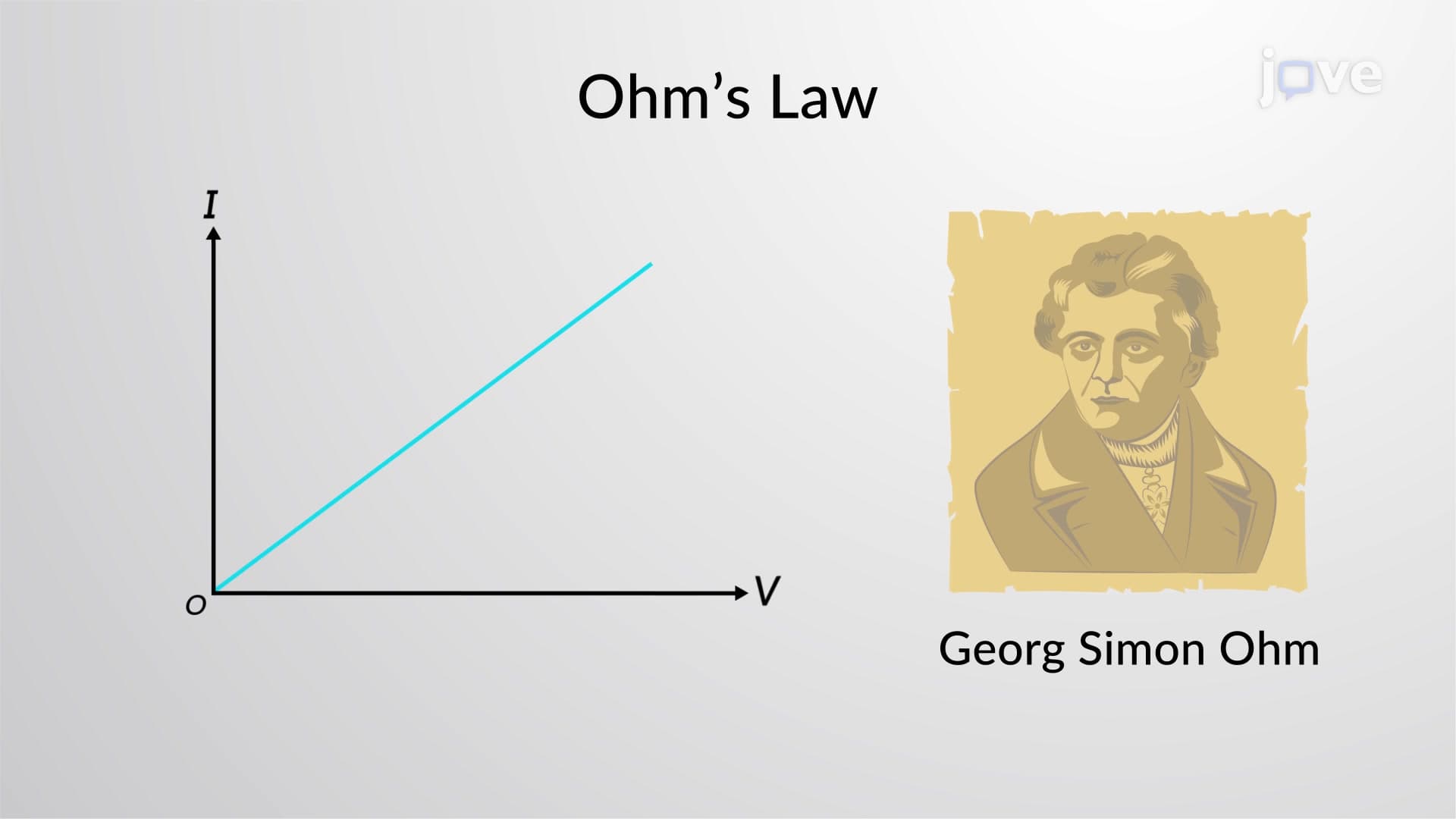
The power dissipated by a resistor follows Ohm's Law relationships, yielding two additional formulas: P = I²R and P = V²/R. These alternative expressions prove invaluable when solving AP Physics problems or college-level circuit analysis, where you might know resistance and current but not voltage directly.
Consider a standard American household outlet providing 120 volts. When you plug in a 10-amp space heater, the electrical power consumed equals 1,200 watts (120V × 10A). This power rating appears on the device's nameplate and determines your electricity bill costs.
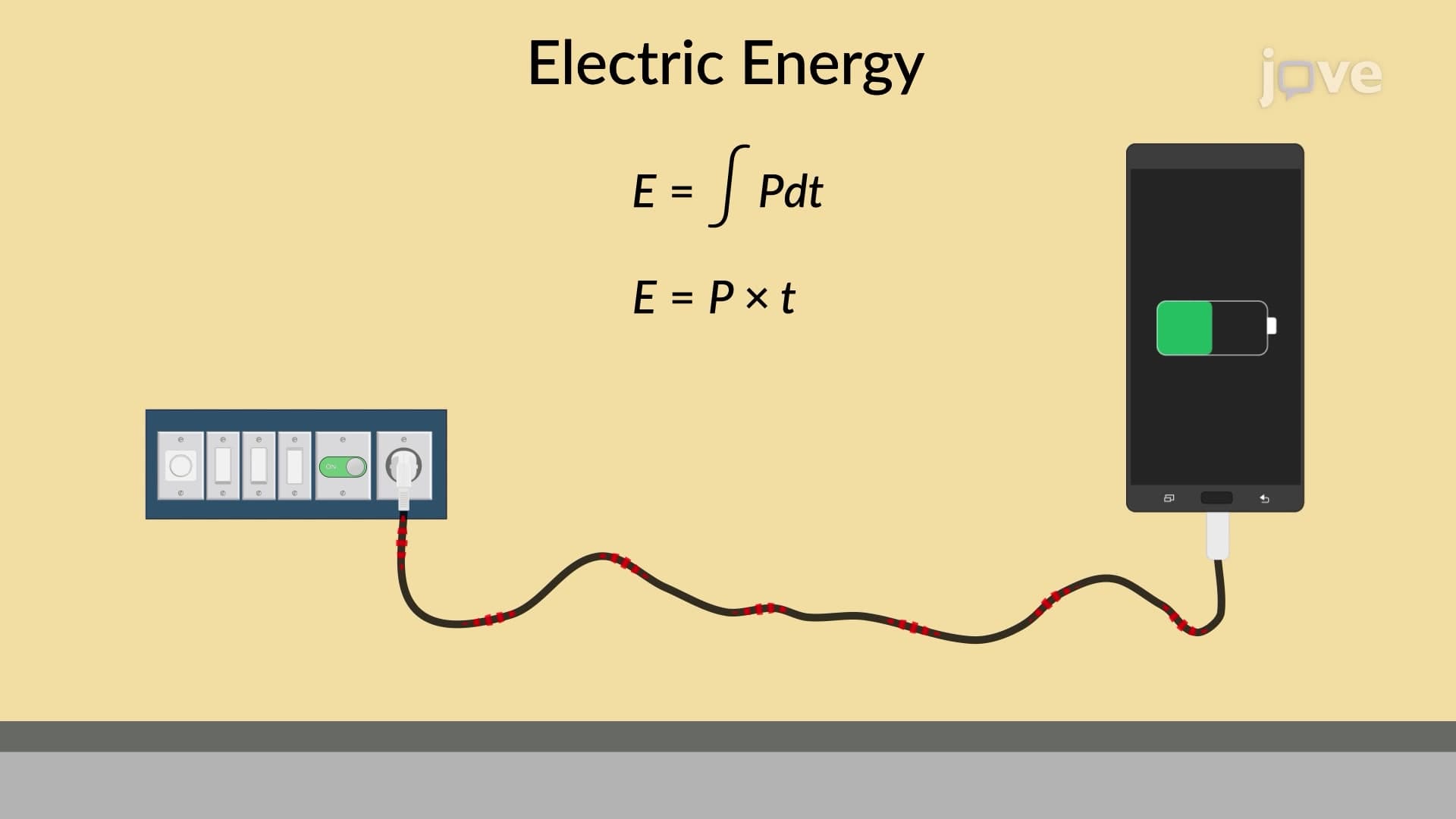
Power companies measure consumption in kilowatt-hours (kWh), representing energy rather than power itself. Understanding this distinction becomes critical for MCAT physics sections and engineering coursework, where students must differentiate between instantaneous power and total energy consumed over time.
For SAT Subject Test Physics or AP Physics C: Electricity and Magnetism, students encounter complex circuits where electrical power basics enable systematic analysis. In series circuits, power distributes among resistors according to P = I²R, while parallel circuits distribute power based on P = V²/R relationships.
Modern applications extend beyond simple resistive circuits. Power electronics in electric vehicles, solar panels, and smart grid systems require sophisticated understanding of power flow, efficiency calculations, and energy management — topics that build directly from fundamental electrical power concepts covered in introductory physics courses.
Frequently Asked Questions
Electrical power is the rate at which electrical energy is used or converted, measured in watts, while electrical energy is the total amount of work done over time, measured in joules or kilowatt-hours. Think of power as the speedometer reading and energy as the total distance traveled on your car's odometer.
The fundamental definition states that electrical power equals voltage multiplied by current (P = VI), representing the rate of energy conversion in watts. You'll also need the derived formulas P = I²R and P = V²/R for resistive circuits. These three equations solve virtually all AP-level power calculation problems.
MCAT physics passages often combine electrical power with biological systems, such as nerve conduction or medical devices like defibrillators. Focus on unit conversions, power efficiency calculations, and relating electrical power to heat generation in biological tissues.
Yes, SAT Physics includes 2-3 electrical power questions, typically involving household appliances, circuit analysis, or energy cost calculations. Practice converting between watts, kilowatts, and horsepower, and memorize that 1 kilowatt-hour costs about 12-15 cents in most US regions.
Electrical power knowledge helps you read utility bills, compare appliance efficiency ratings, and make informed decisions about energy consumption. For example, LED bulbs produce the same light as incandescent bulbs while consuming 75% less electrical power, directly reducing your electricity costs.
No, electrical power requires only basic algebra and unit conversion skills taught in high school math courses. The three main formulas (P = VI, P = I²R, P = V²/R) use simple multiplication and division, making this topic accessible to students in Physics 1 or introductory college courses.
Create a formula sheet with all three power equations and practice identifying which formula to use based on given information. Work through problems involving household appliances with realistic values, and always check that your final answers have reasonable magnitudes for the described situation.
Progress to AC power and power factor concepts, which become important in advanced physics and electrical engineering courses. You might also explore power efficiency in renewable energy systems, which connects electrical power to environmental science and sustainability topics.
Related Micro-courses


Related Subjects
 Math Fundamentals 11 micro-courses›
 Statistics 17 micro-courses›