Loading subject page…


43,213 views

Video Summary: What Is Theory of Metallic Conduction
Ever wondered why copper wires power your iPhone while rubber cases protect you from electric shock? The theory of metallic conduction explains how metals like the copper in smartphone charging cables allow electrons to flow freely, creating electrical current. When engineers at Apple design circuit boards, they rely on this fundamental physics principle to ensure electricity flows efficiently through metallic pathways while avoiding insulating materials. Watch the full video on JoVE Coach to master this concept with expert-led visuals and step-by-step explanations.
The theory of metallic conduction provides the microscopic foundation for understanding how electricity flows through metals. Unlike insulators where electrons remain bound to atoms, metals contain a "sea" of free electrons that can move throughout the crystal structure. This electron mobility makes materials like copper, aluminum, and gold excellent electrical conductors used extensively in American power grids and electronic devices.
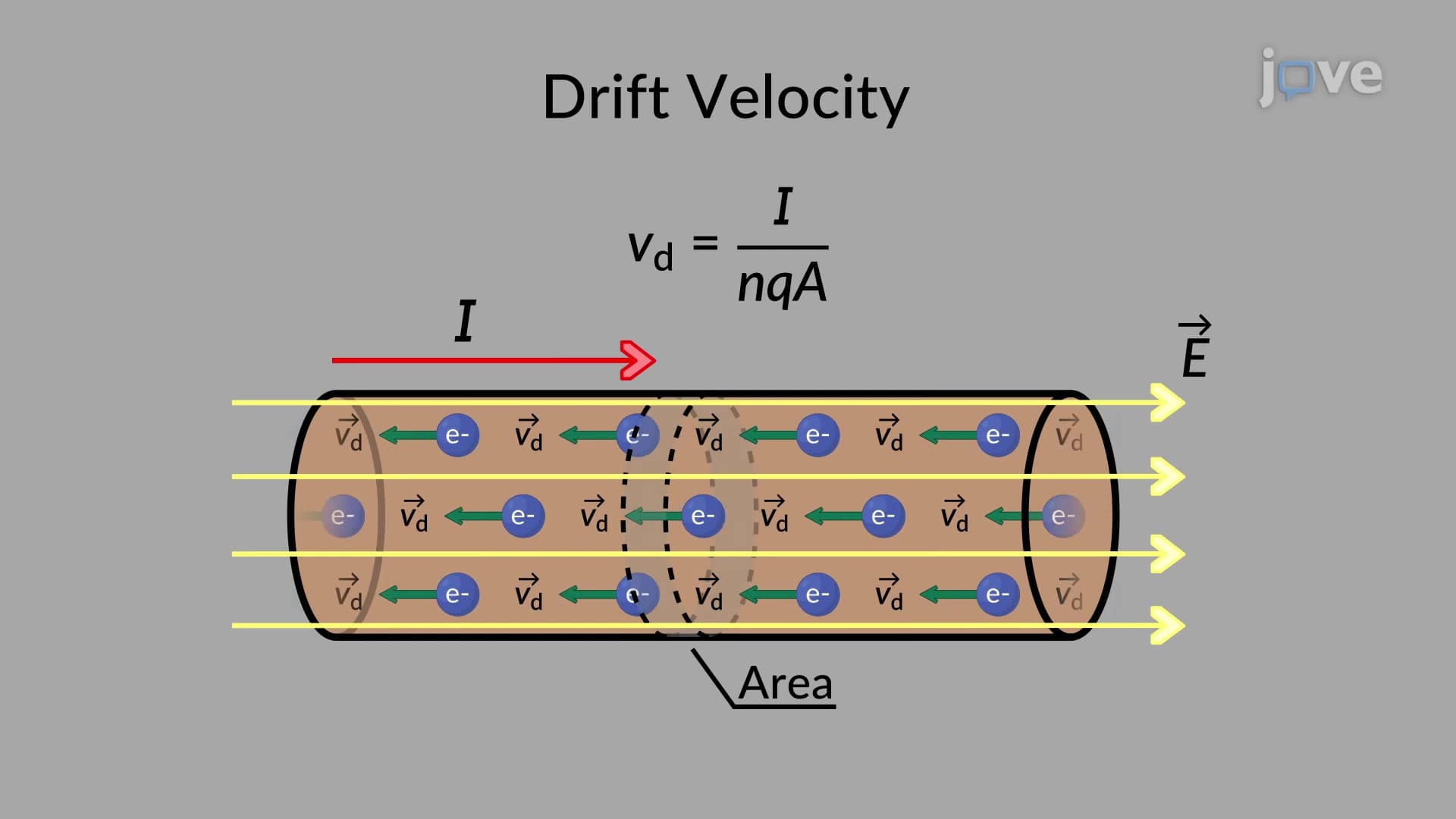
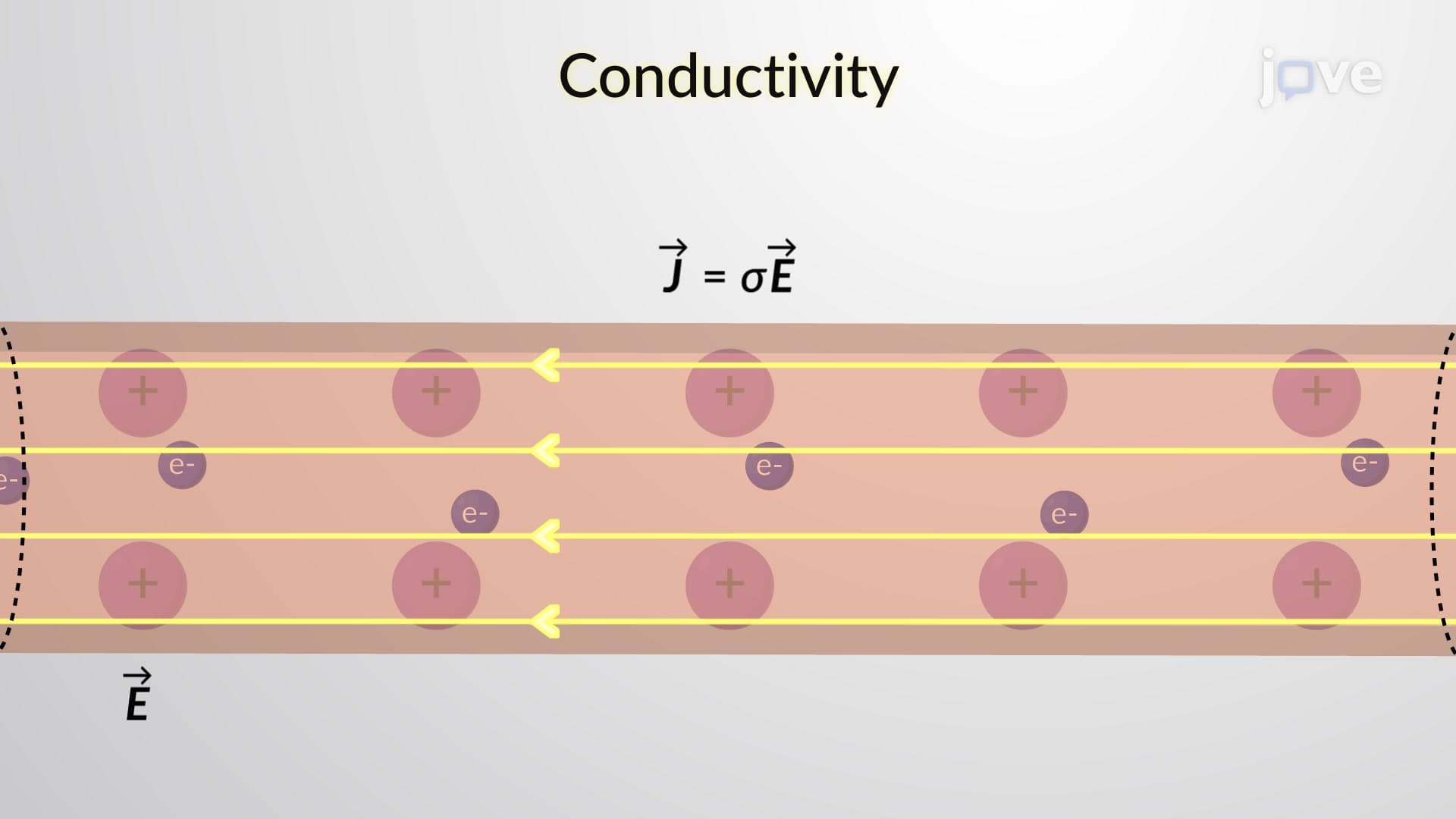
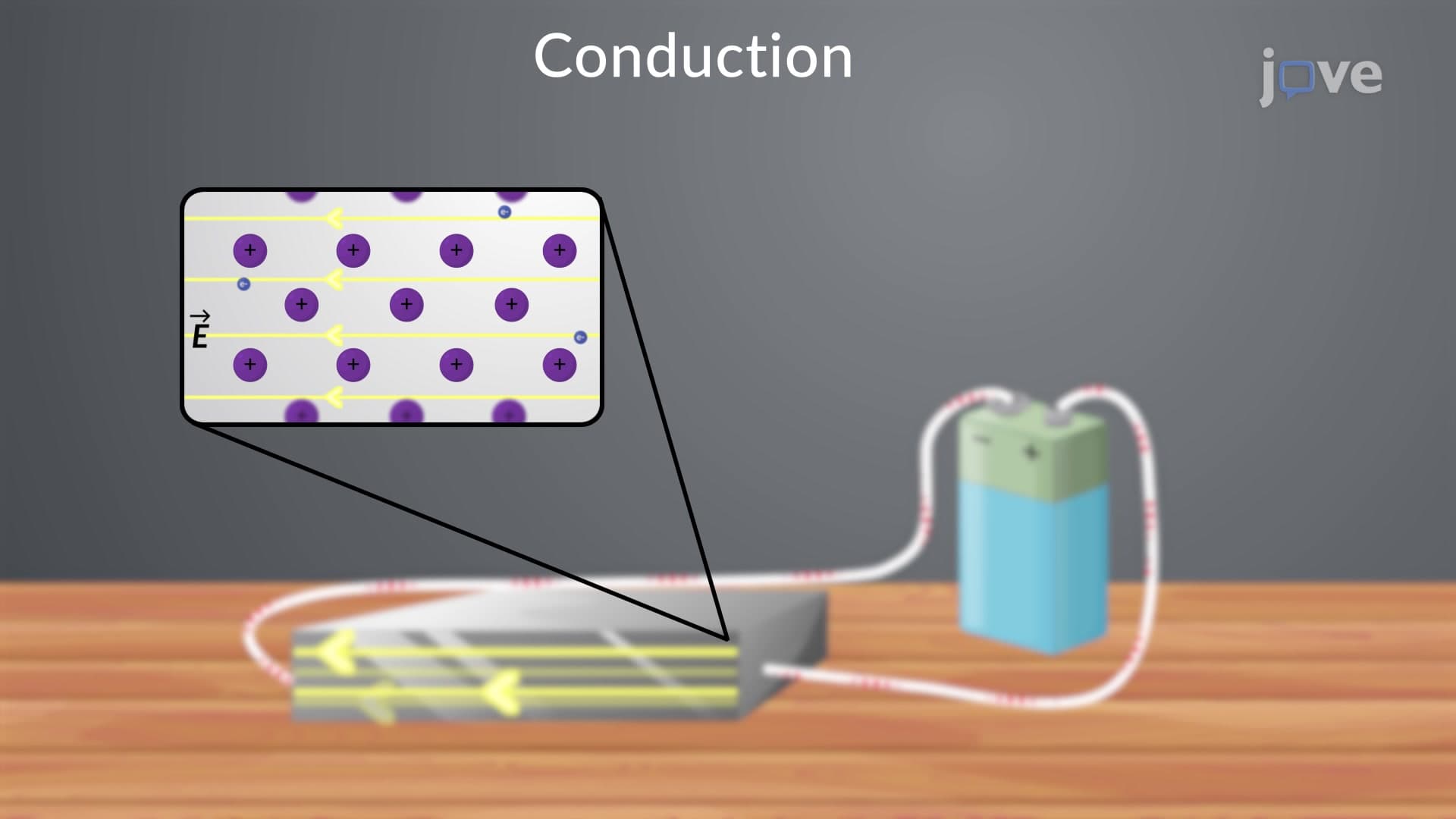
When you flip a light switch in your home, an electric field instantly propagates through the copper wiring. Free electrons respond by drifting opposite to the field direction-remember, electrons carry negative charge. However, their journey isn't smooth. Electrons constantly collide with metal ions in the crystal lattice, creating resistance. The mean free time represents the average duration between these collisions, typically measured in femtoseconds (10^-15 seconds).
Without an applied electric field, electrons move randomly due to thermal energy, similar to gas molecules bouncing chaotically in a container. This random motion produces zero net current since movements cancel out statistically. The electric field changes everything by providing directional bias, causing electrons to drift preferentially in one direction despite ongoing collisions.
The drift velocity emerges from balancing electron acceleration with collision effects. Electric force (F = qE) accelerates electrons, but collisions repeatedly reset their motion. The resulting drift velocity equals acceleration multiplied by mean free time: v(drift) = (qE/m) × τ, where q is electron charge, E is electric field strength, m is electron mass, and τ represents mean free time.
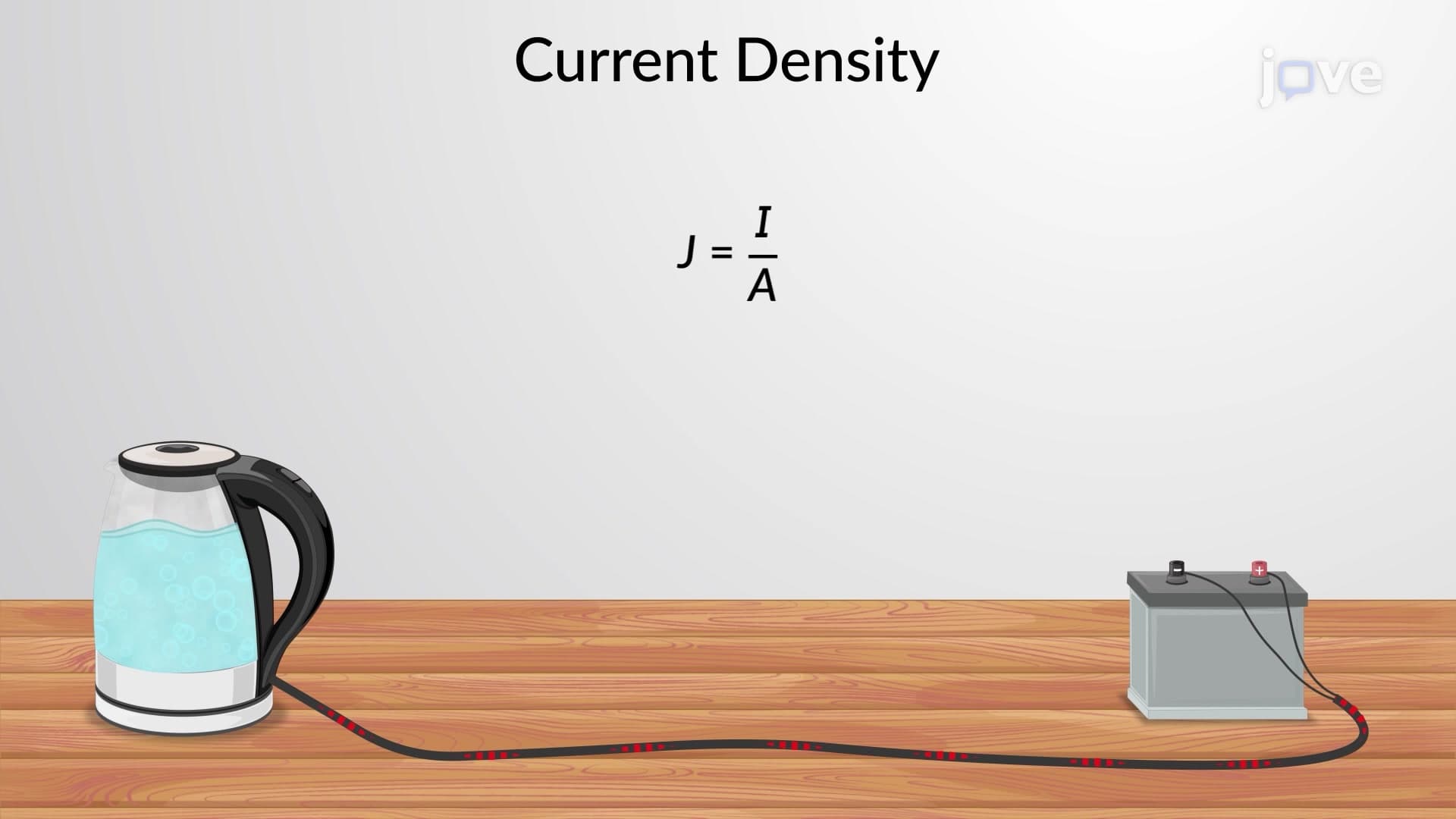
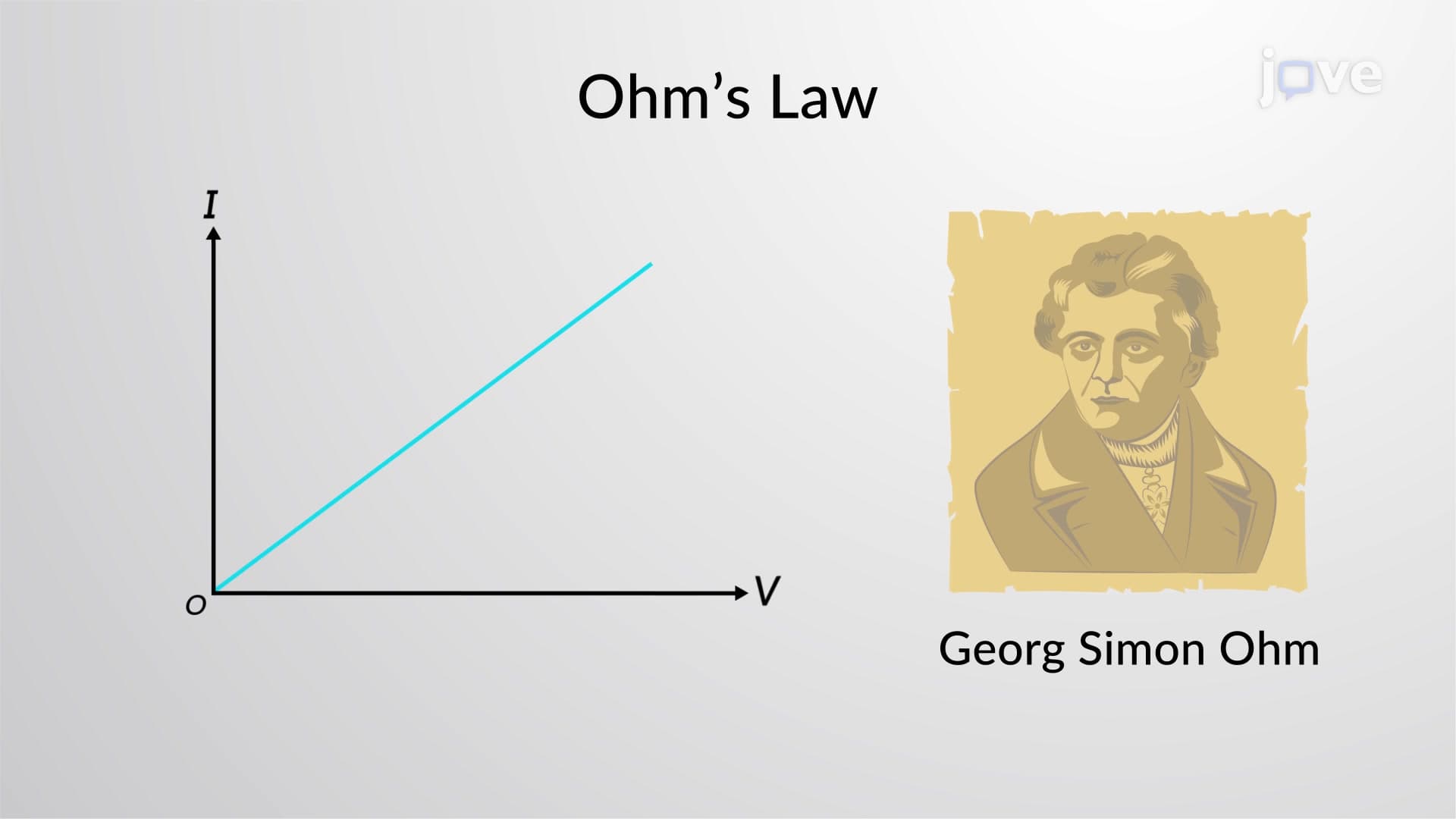
Current density connects microscopic electron motion to measurable electrical quantities. Since current density J equals the number density of free electrons (n) times charge times drift velocity, we get: J = nqv(drift). Substituting the drift velocity expression yields J = (nq²τ/m)E, which is Ohm's law in its microscopic form. The conductivity σ = nq²τ/m depends on material properties: electron density, charge, mass, and collision frequency.
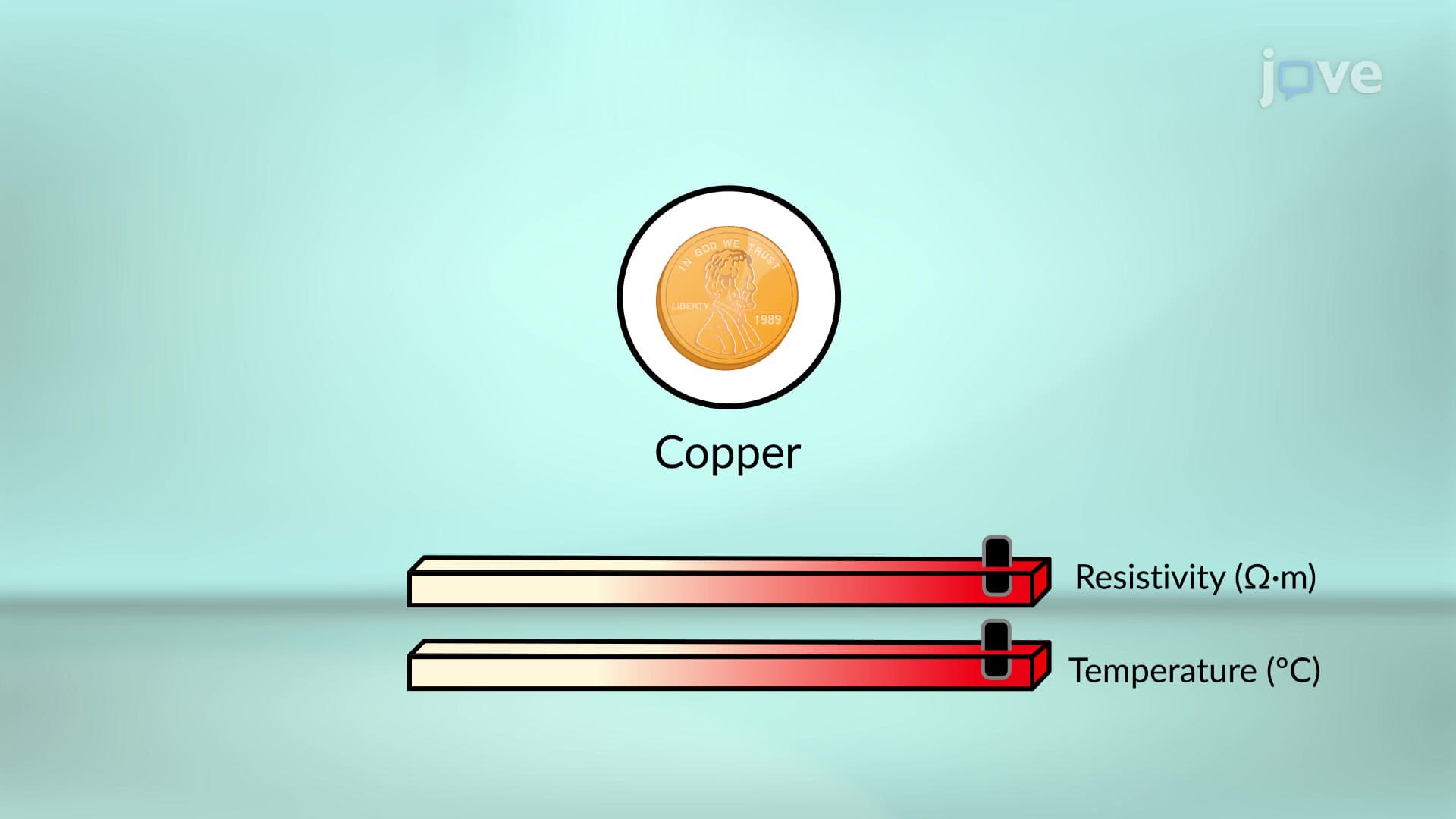
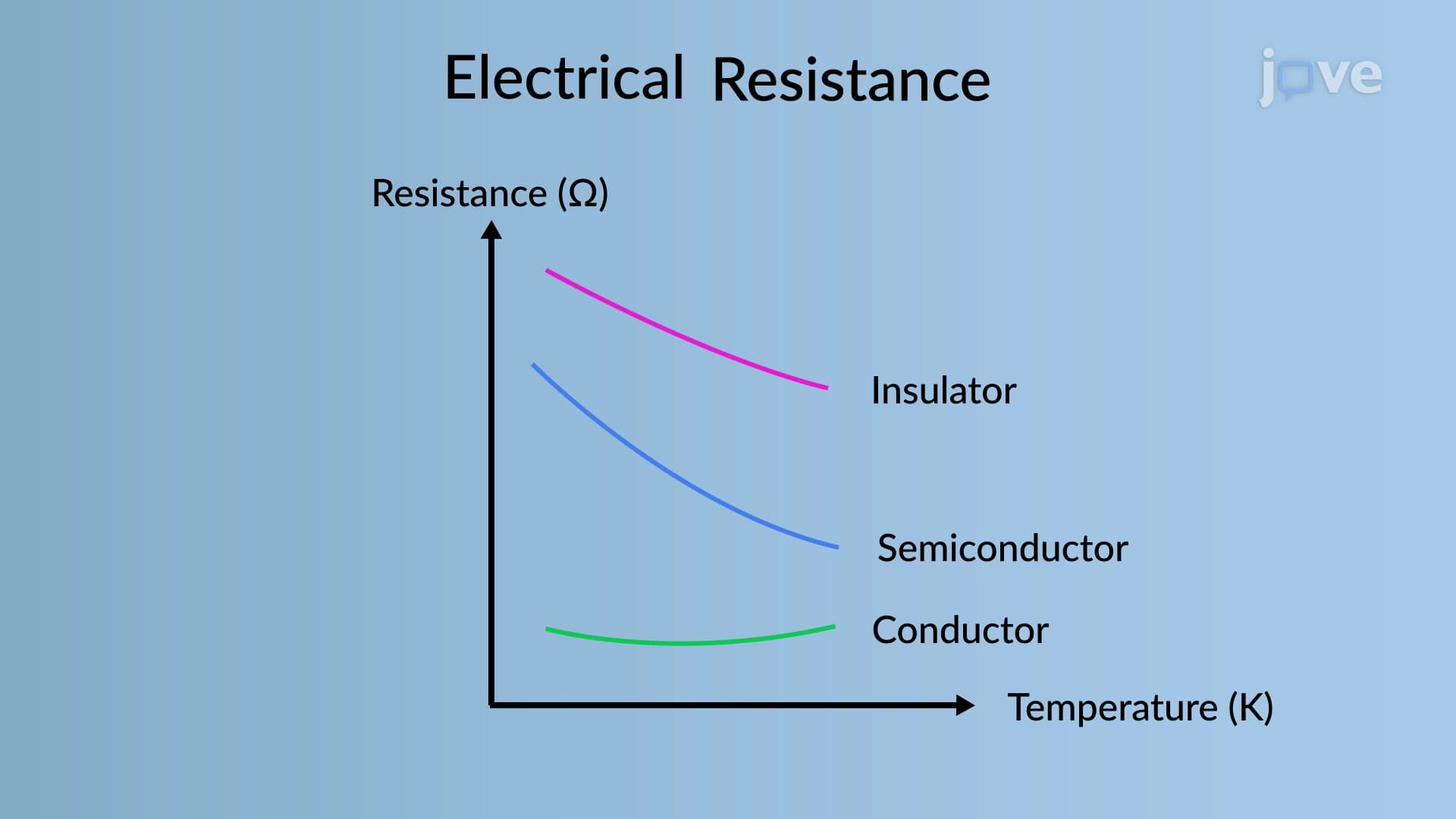
This theory appears frequently on AP Physics exams and college materials science courses. Students at universities like MIT and Stanford apply these principles when designing semiconductor devices or analyzing superconductor behavior. The theory of metallic conduction also explains why silver has higher conductivity than copper (more free electrons per unit volume) and why heating metals increases resistance (more frequent collisions).
Related Micro-courses