Loading video…


 13 Concepts
 43.2K views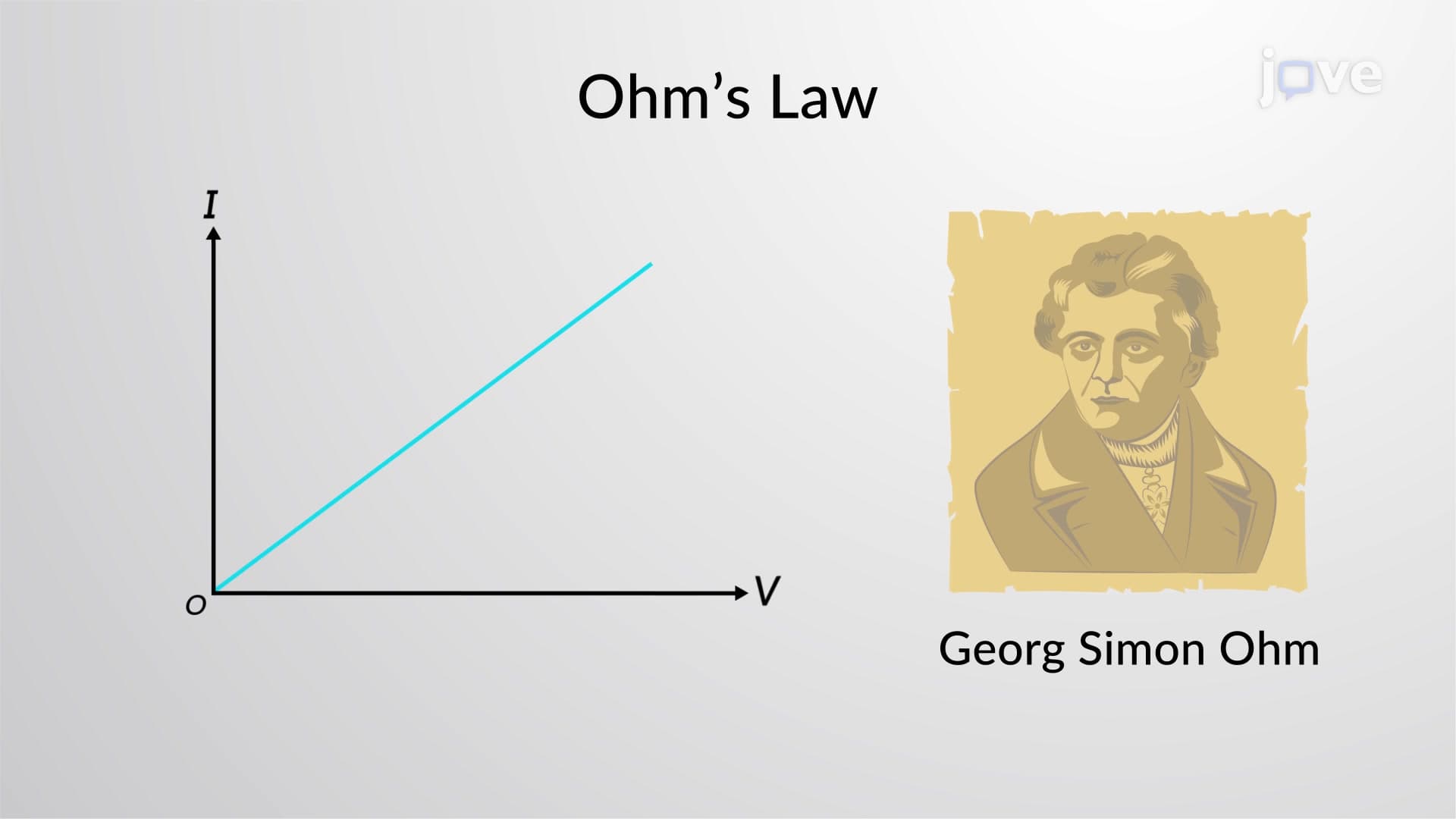

Video Summary: What Is Ohms Law
Why does your smartphone battery drain faster when running multiple apps? Kirchhoff's current law explains how electrical current behaves at junction points in circuits, governing everything from your phone's processor to Tesla's battery management systems. This fundamental principle, essential for understanding What is Ohm's Law, describes how current splits and combines at circuit nodes. In American electronics manufacturing, engineers use kirchhoff's current law to design efficient power distribution in everything from medical devices to aerospace systems. Watch the full video on JoVE Coach to master this concept with expert-led visuals and step-by-step explanations.
Ohm's Law, discovered by German physicist Georg Simon Ohm in 1827, establishes that current through a conductor is directly proportional to voltage under constant conditions. This fundamental relationship connects directly to kirchhoff's current law definition, which governs how current behaves at circuit junctions. While Ohm's Law describes the voltage-current relationship in individual components, Kirchhoff's laws extend this understanding to complete circuit analysis.
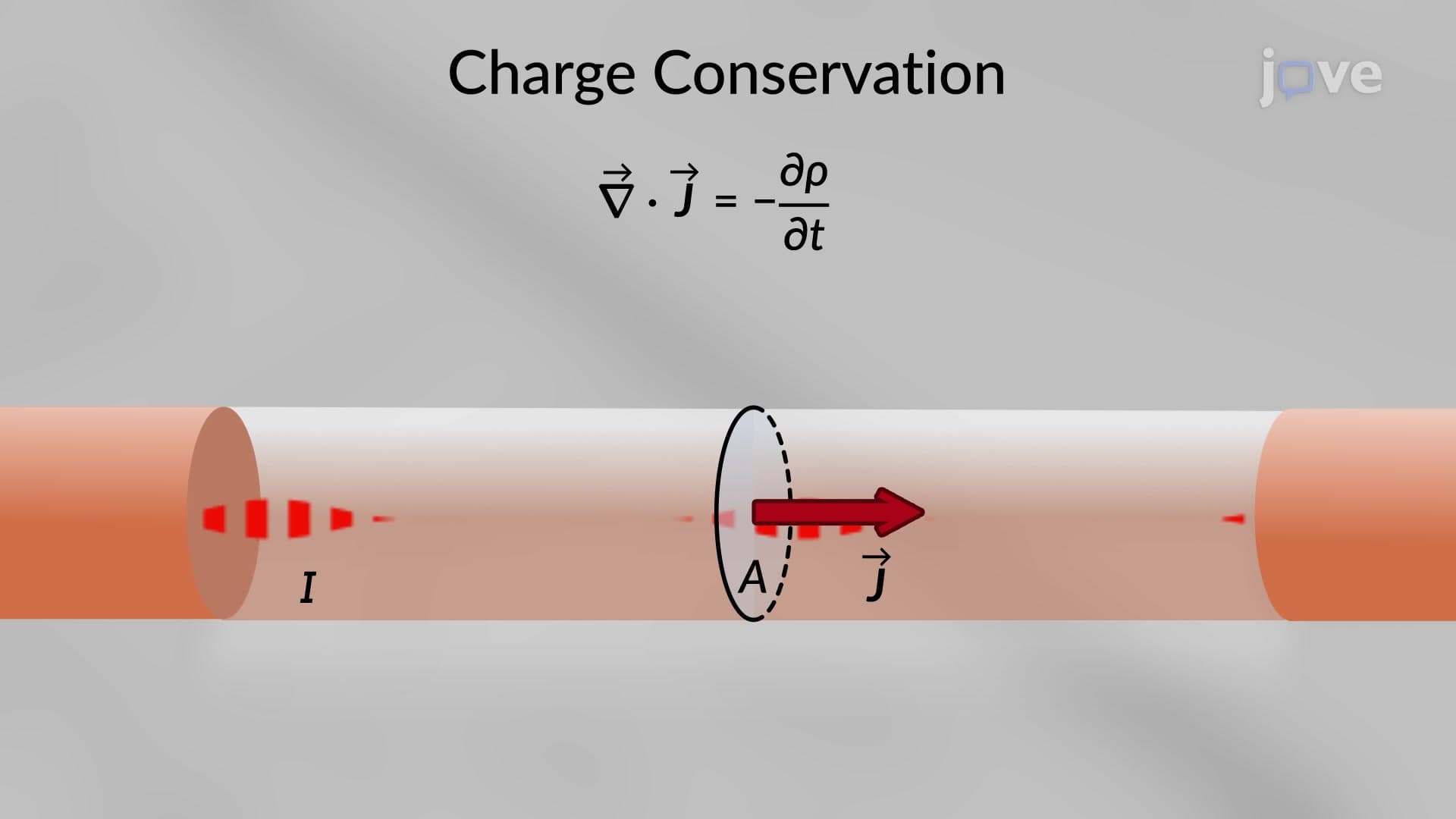
The kirchhoff's current law concept states that the algebraic sum of currents entering and leaving any junction equals zero. This reflects charge conservation-electrons cannot accumulate at a point indefinitely. In practical terms, if 3 amperes enter a junction and split into two branches, those branches must carry currents totaling 3 amperes. American electrical codes rely on this principle for safe wiring design in residential and commercial buildings.
What is kirchhoff's current law in detail becomes clear through practical examples. Consider a typical American household electrical panel: the main current from the utility splits into multiple branch circuits serving different rooms. Each junction point follows kirchhoff's current law basics, ensuring current conservation. Tesla's Supercharger stations demonstrate this principle on a larger scale, where high-capacity current splits among multiple charging ports while maintaining system stability.
Students preparing for AP Physics, college circuits courses, or engineering programs must master both Ohm's Law and Kirchhoff's principles. The kirchhoff's current law study guide approach involves practicing junction analysis in increasingly complex circuits. MIT and Stanford engineering curricula emphasize this connection, showing how Ohm's Law governs individual resistors while Kirchhoff's laws govern system behavior. Understanding kirchhoff's current law proves essential for advanced topics like AC circuit analysis and electronic device design used throughout American technology industries.
Related Micro-courses