Loading video…


 13 Concepts
 43.2K views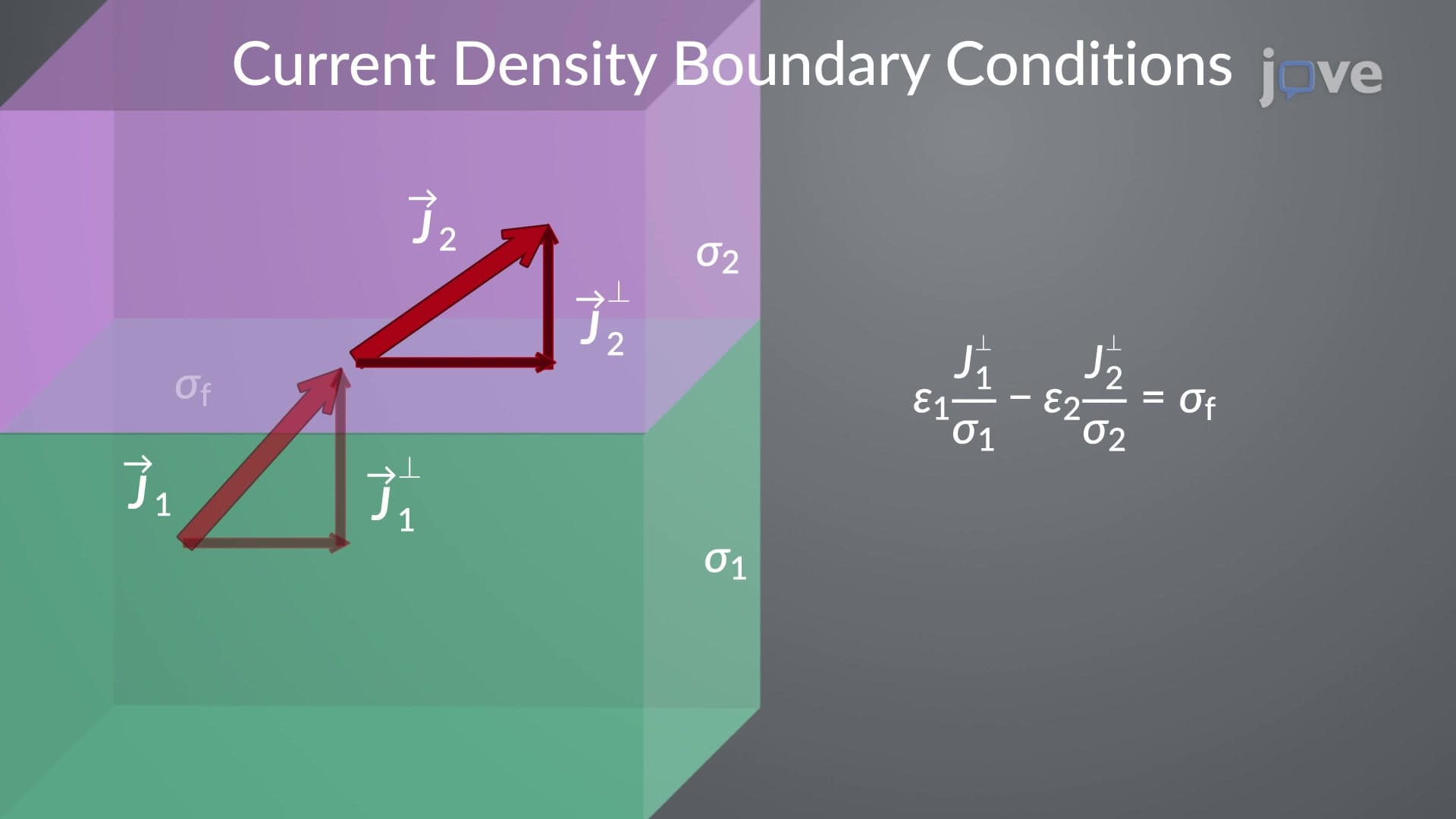

Video Summary: Boundary Conditions for Current Density Explained
Ever wonder why electrical current behaves differently when crossing from copper wiring into silicon semiconductors? Boundary conditions for current density govern these fascinating transitions, determining how electrical charge flows across interfaces between materials with different conductivities-like the junction zones in computer processors manufactured by Intel or AMD. Understanding Boundary Conditions For Current Density Explained reveals why surface charges accumulate at these critical interfaces and how engineers design everything from smartphone circuits to power grid transformers. Watch the full video on JoVE Coach to master this concept with expert-led visuals and step-by-step explanations.
When electrical current encounters an interface between two materials with different properties, fascinating physics emerges. Boundary conditions for current density describe precisely how current behaves at these critical junctions, governing everything from the operation of transistors in your smartphone to the efficiency of power transmission lines across the United States.
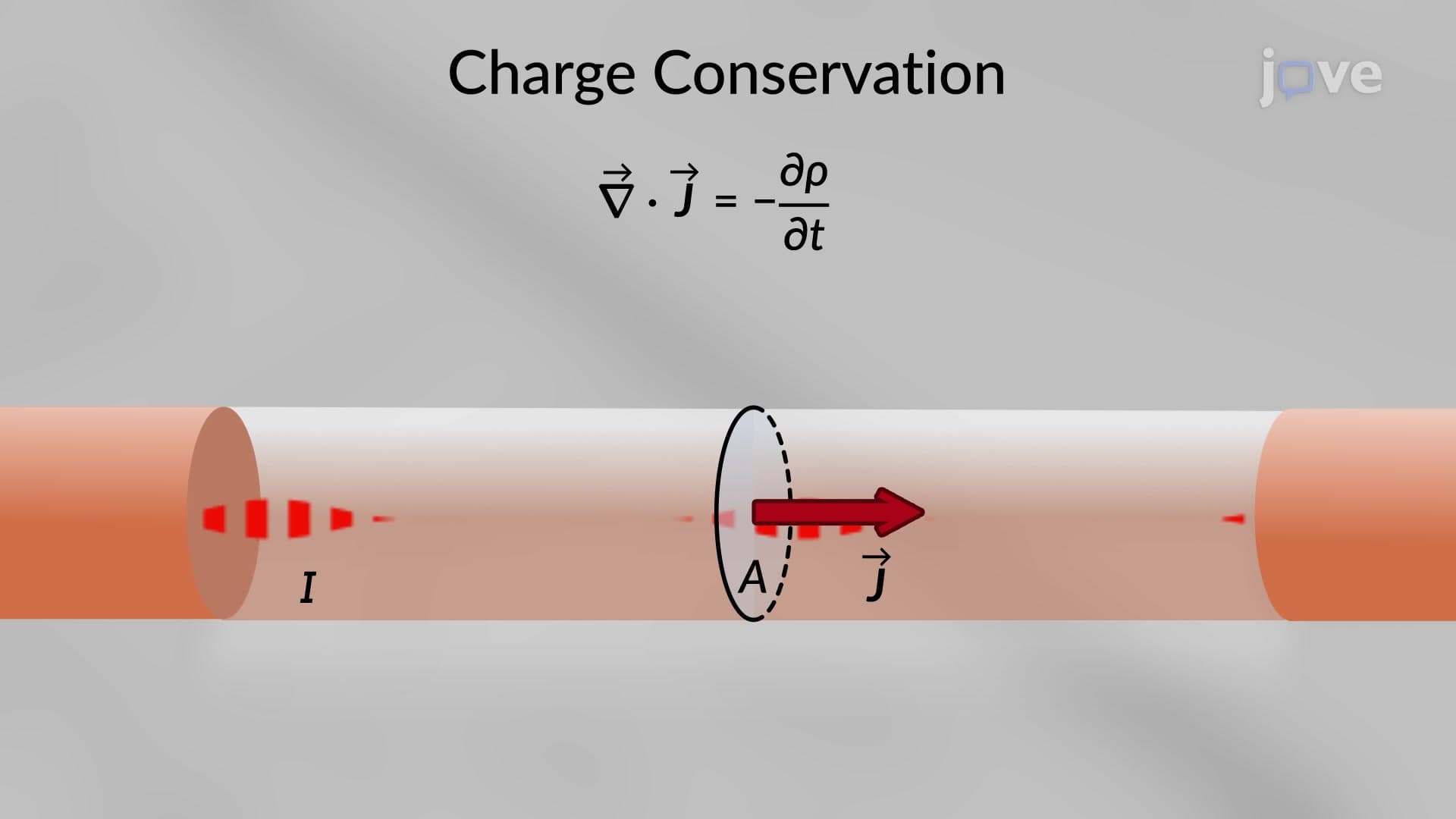
For steady currents (direct current or DC), a fundamental principle emerges: the normal component of current density must be continuous across any interface. This continuity requirement stems from current conservation-charge cannot accumulate indefinitely at the boundary. In practical terms, this means that in a layered conductor system, such as the copper-aluminum joints used in electrical transmission towers, the current flowing perpendicular to the interface remains constant even as it crosses between materials.
This concept frequently appears on AP Physics exams and college-level electromagnetic courses. Students often encounter problems involving current flow through cylindrical conductors with different core and shell materials, requiring application of normal component continuity.
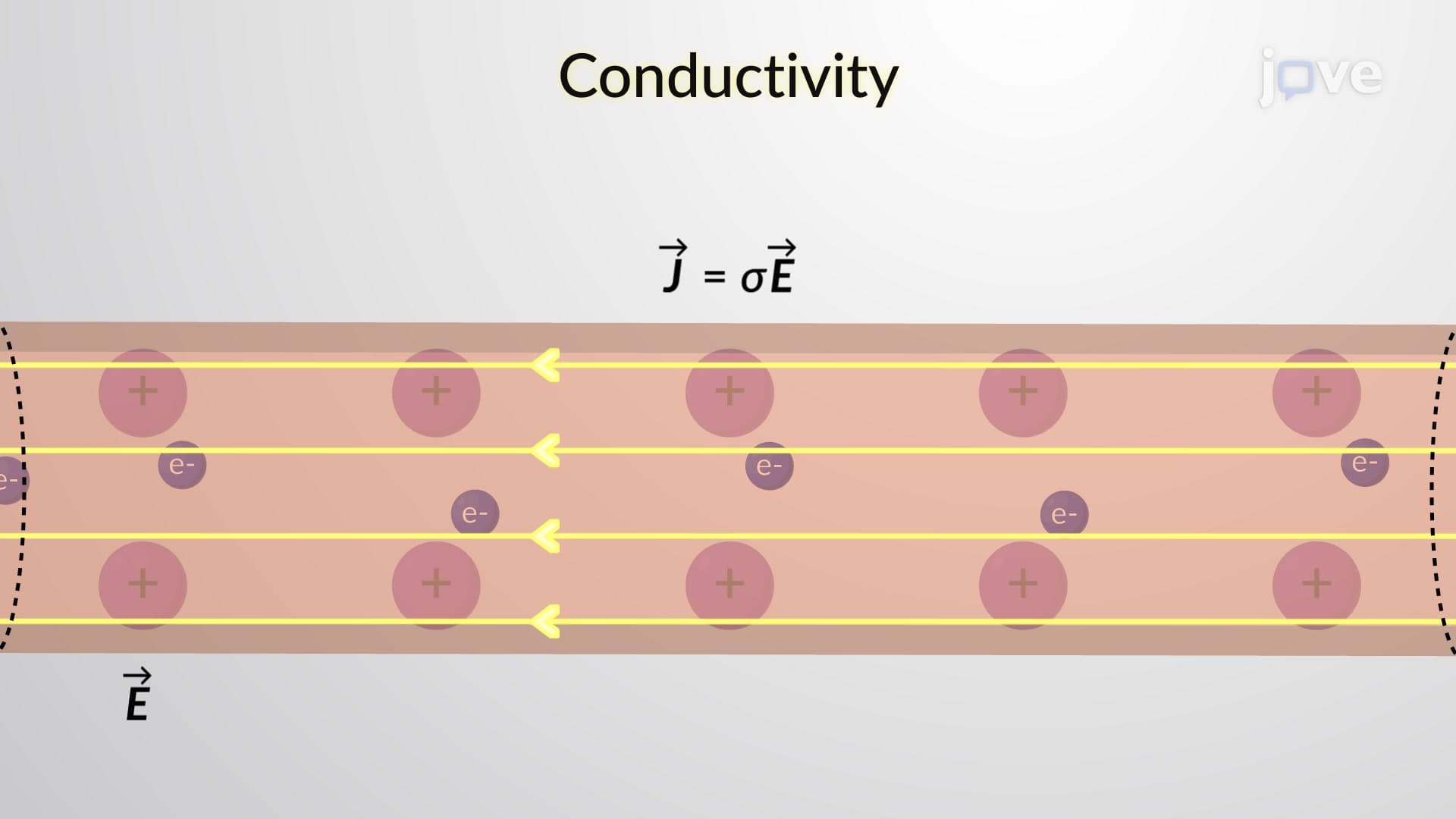
The tangential component of current density behaves differently. Since the tangential electric field component remains continuous across interfaces, but conductivity changes, the tangential current density component typically experiences discontinuity. Using the relationship J = σE (where J is current density, σ is conductivity, and E is electric field), we can derive that J1(tangential)/σ1 = J2(tangential)/σ2.
Perhaps most intriguingly, boundary conditions for current density predict surface charge accumulation at interfaces. When materials have different conductivity-to-permittivity ratios, surface charges form to maintain the required boundary conditions. This phenomenon is crucial in semiconductor device design-companies like Texas Instruments and Qualcomm must carefully engineer these interfaces to control device behavior.
The surface charge density becomes zero only when materials have identical conductivity and permittivity values, or when their permittivity-to-conductivity ratios are equal. This principle guides the design of electrical insulation systems used by utility companies like ConEd and Pacific Gas & Electric, where minimizing unwanted charge accumulation improves system reliability and safety.
Understanding these concepts proves essential for students preparing for the MCAT physics section, electrical engineering coursework, and professional licensing exams like the Fundamentals of Engineering (FE) exam.
Related Micro-courses