Loading video…


 13 Concepts
 43.2K views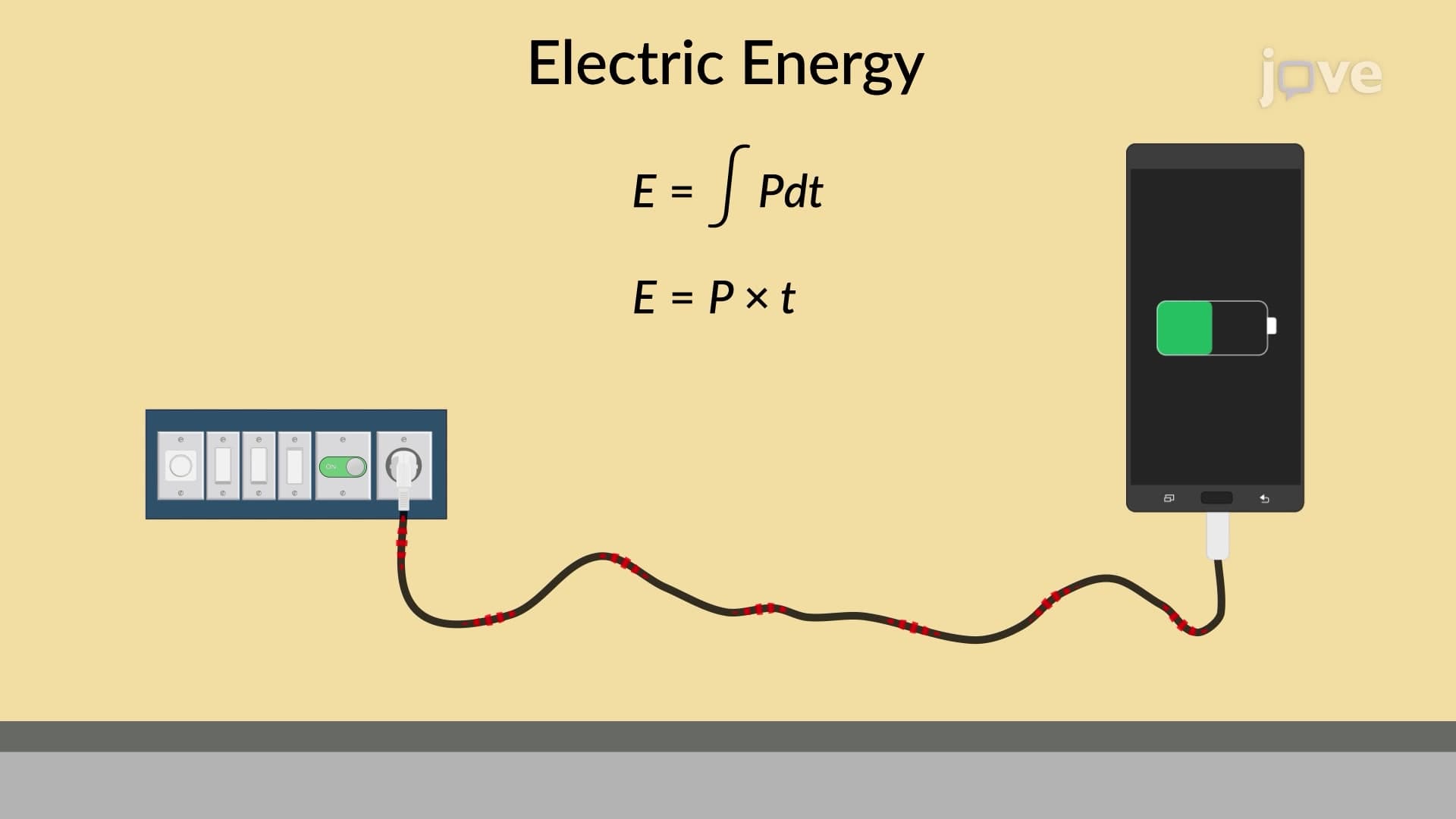

Video Summary: What Is Electrical Energy
Did you know that a typical American household uses enough electrical energy in one day to power a Tesla Model 3 for nearly 100 miles? Electrical energy results from electron movement between points, measured in joules (SI unit) or kilowatt-hours commercially. For example, replacing a 60-watt incandescent bulb with a 20-watt LED bulb can save approximately $7 annually when used 4 hours daily. Watch the full video on JoVE Coach to master this concept with expert-led visuals and step-by-step explanations.
Electrical energy represents one of the most versatile and widely used forms of energy in modern society. At its core, electrical energy arises from the controlled movement of electrons through conductive materials. Unlike static electricity, which involves stationary charges, electrical energy involves dynamic electron flow that can perform useful work-from lighting homes to powering industrial machinery.
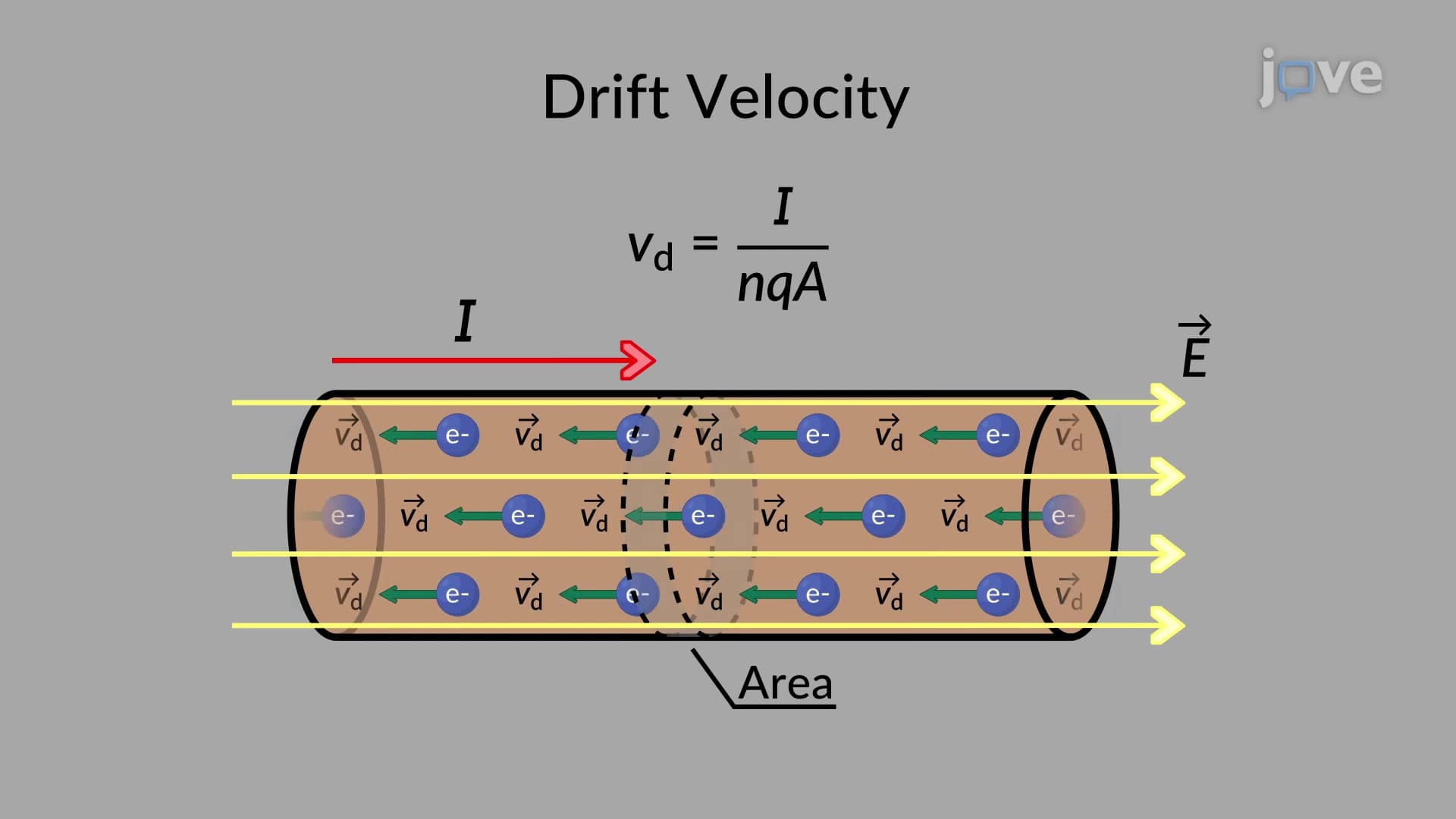
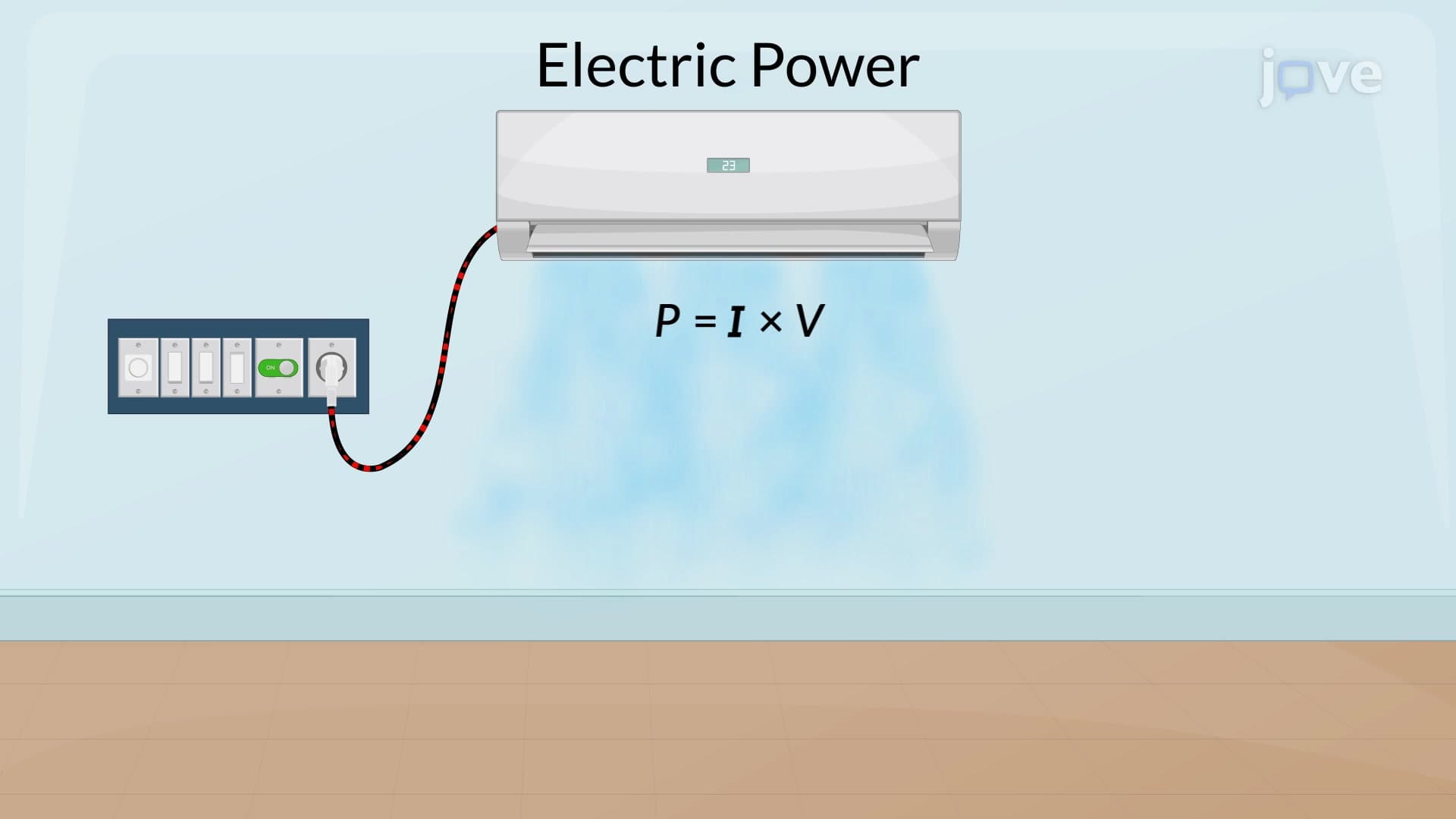
When electrons move through a conductor, they create an electric current that can transfer energy from one location to another. This energy transfer occurs because moving electrons carry kinetic energy, and when they interact with electrical devices, this energy converts into other useful forms like light, heat, or mechanical motion. The amount of electrical energy depends on both the number of electrons flowing (current) and the electrical potential difference (voltage) driving their movement.
Understanding electrical energy requires familiarity with its measurement units. The SI unit, the joule, represents the energy consumed when one watt of power operates for one second. However, residential and commercial applications typically use kilowatt-hours (kWh), which better represents practical energy consumption levels. For example, a typical American home uses approximately 30 kWh daily, while a single smartphone charge requires only about 0.01 kWh.
Consider how electrical energy calculations apply to everyday decisions. When comparing a traditional 60-watt incandescent bulb to a 20-watt LED bulb, both producing equivalent illumination, the energy difference becomes significant over time. Operating daily for 4 hours across 365 days, the incandescent bulb consumes 87.6 kWh annually, while the LED uses only 29.2 kWh. At 12 cents per kWh-typical US residential rates-this represents $10.51 versus $3.50 in annual costs, demonstrating substantial savings from energy-efficient choices.
These calculations prove essential for AP Physics exams, college engineering courses, and practical life decisions. Students preparing for standardized tests like the SAT Subject Tests in Physics encounter similar problems requiring energy consumption analysis and cost-benefit calculations.
Related Micro-courses