Loading video…


 13 Concepts
 43.2K views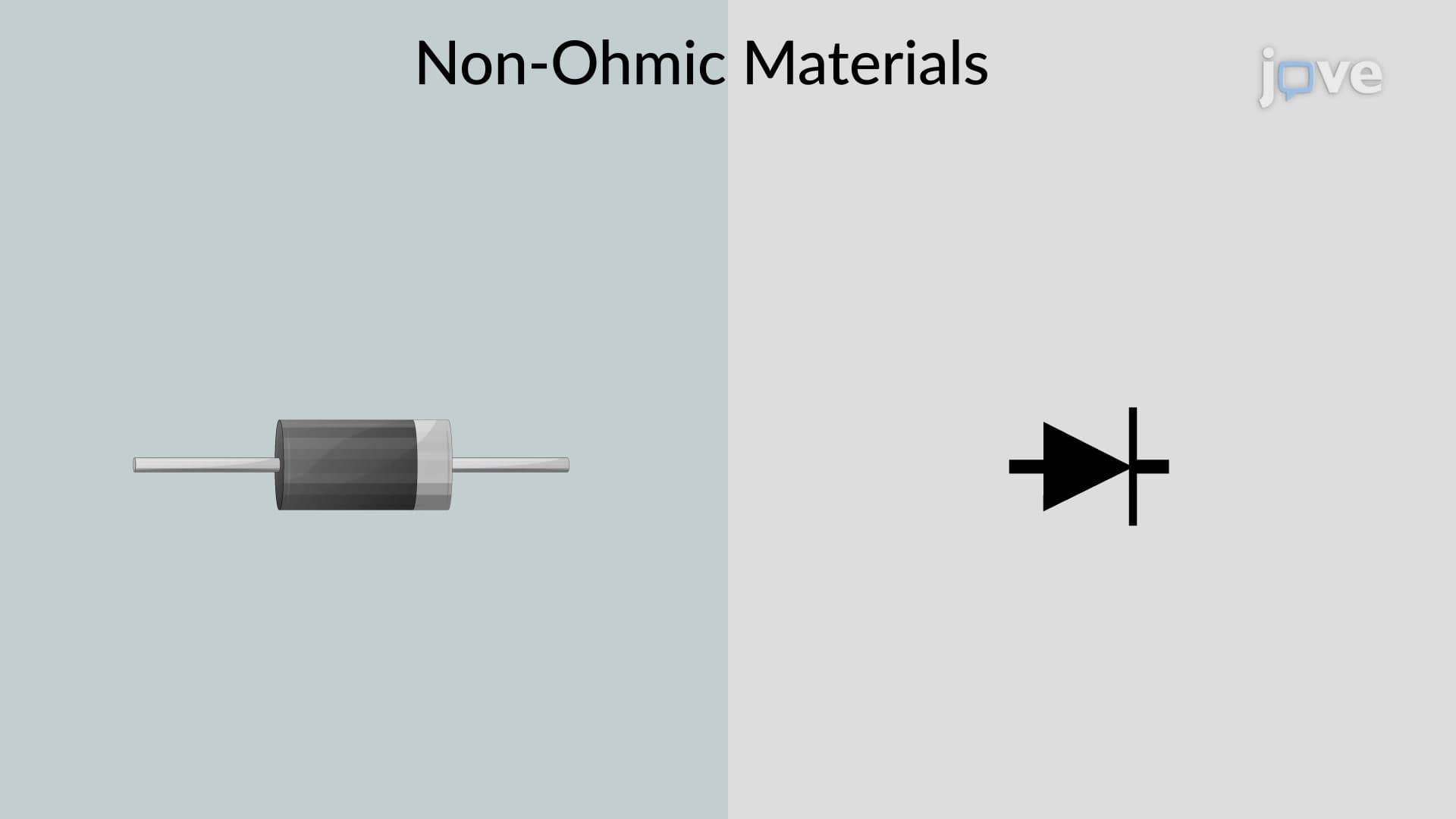

Video Summary: What Is Non Ohmic Devices
Ever wondered why your smartphone's LED screen doesn't follow the same electrical rules as a simple light bulb? Non ohmic devices break the predictable linear relationship between voltage and current that defines Ohm's law. Unlike resistors in basic circuits, devices like diodes in your iPhone's display allow current to flow in only one direction, creating unique electrical behaviors essential for modern electronics. What is non ohmic devices becomes clear when examining how semiconductors enable everything from solar panels to computer processors. Watch the full video on JoVE Coach to master this concept with expert-led visuals and step-by-step explanations.
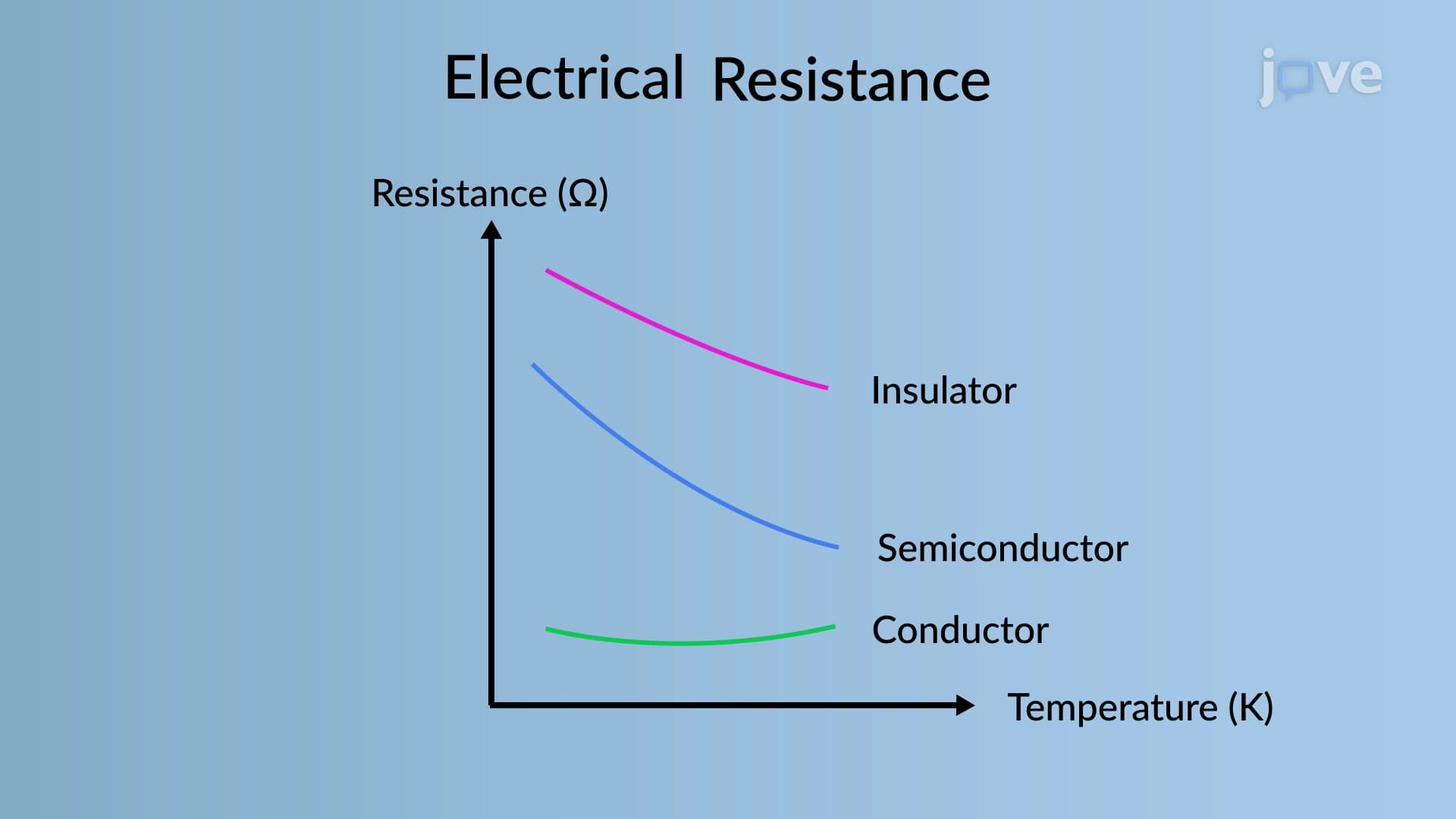
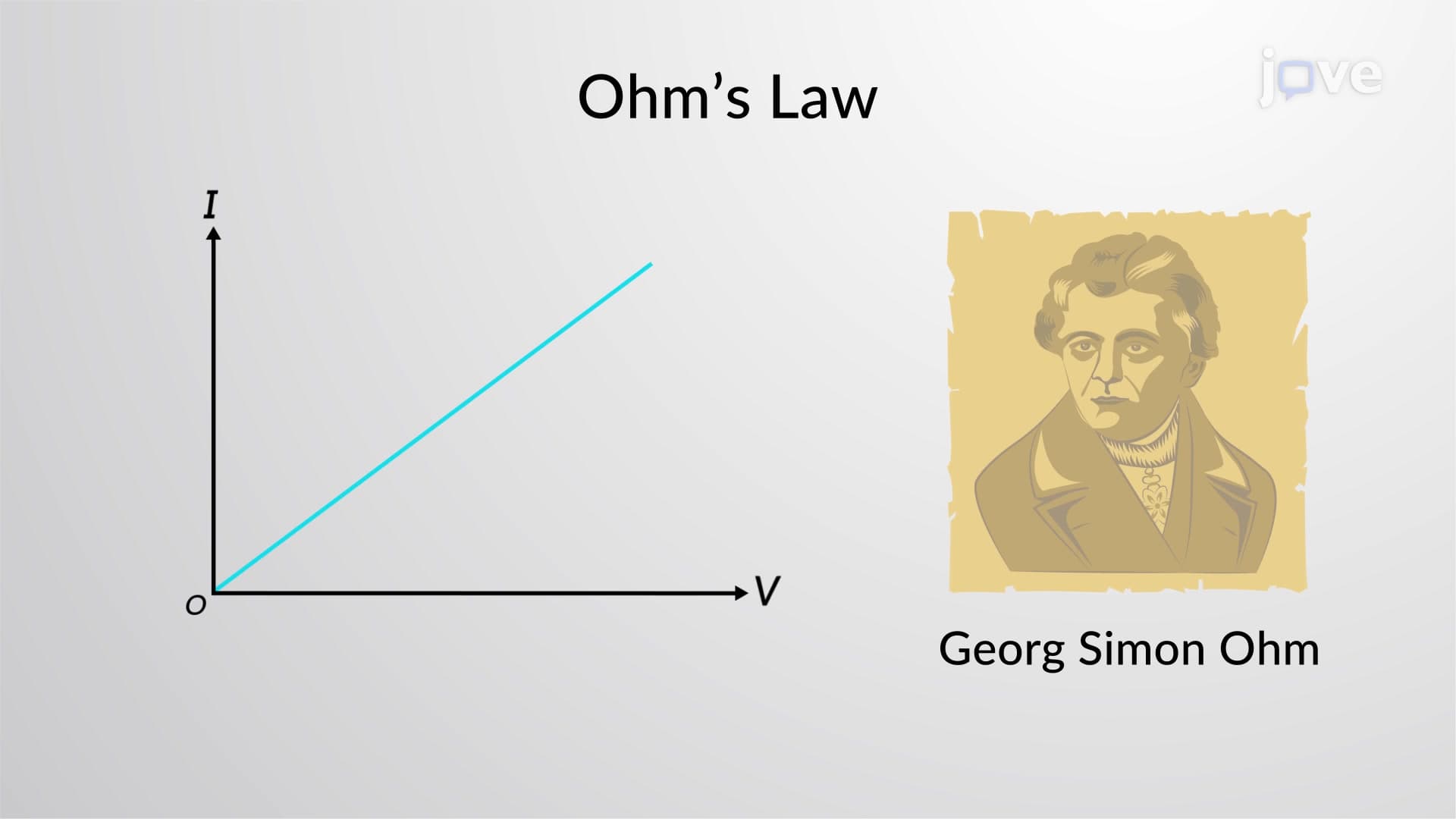
Non ohmic devices represent a fundamental departure from the predictable world of Ohm's law, where voltage and current maintain a constant proportional relationship. These devices exhibit non-linear electrical characteristics, meaning their resistance changes based on applied voltage, current direction, or other external factors. This non ohmic devices definition encompasses semiconductors, gas discharge tubes, and various electronic components that power modern technology.
Diodes serve as the quintessential example when exploring non ohmic devices in detail. These semiconductor devices demonstrate asymmetric conductivity, allowing current flow in one direction while blocking it in the reverse direction. In forward bias (positive voltage applied to the anode), silicon diodes begin conducting around 0.7 volts, with current increasing exponentially while voltage remains relatively constant. This behavior contradicts Ohm's law, where increased voltage would produce proportionally increased current through constant resistance.
American electronics manufacturers like Intel and Texas Instruments rely on these non ohmic device properties to create rectifier circuits that convert alternating current (AC) to direct current (DC) in power supplies. When studying for AP Physics or college circuit analysis courses, students must understand how diode I-V curves demonstrate this non-linear relationship graphically.
The non ohmic devices concept becomes even more fascinating in reverse bias conditions. When voltage polarity reverses, diodes block current flow until reaching breakdown voltage, typically hundreds of volts for standard diodes. At breakdown, devices suddenly conduct heavily, often destructively unless designed for this purpose (like Zener diodes used in voltage regulation).
This breakdown phenomenon appears in standardized exams like the MCAT physics section and college electrical engineering assessments. Students preparing for SAT Subject Tests in Physics should recognize how breakdown voltage represents a critical non ohmic device characteristic distinguishing semiconductors from simple resistors.
Understanding non ohmic devices overview proves essential for appreciating contemporary technology. Solar panels use photovoltaic diodes that generate current when exposed to light, a distinctly non ohmic behavior impossible with resistive elements. LED displays in smartphones and tablets rely on light-emitting diodes that convert electrical energy to photons through non ohmic semiconductor junctions.
Silicon Valley companies like Apple and Google depend on advanced non ohmic devices basics for processor design, where transistors act as voltage-controlled switches rather than linear resistors. These applications demonstrate why mastering non ohmic devices study guide material remains crucial for students pursuing STEM careers in America's technology sector.
Related Micro-courses