Loading video…


 13 Concepts
 43.2K views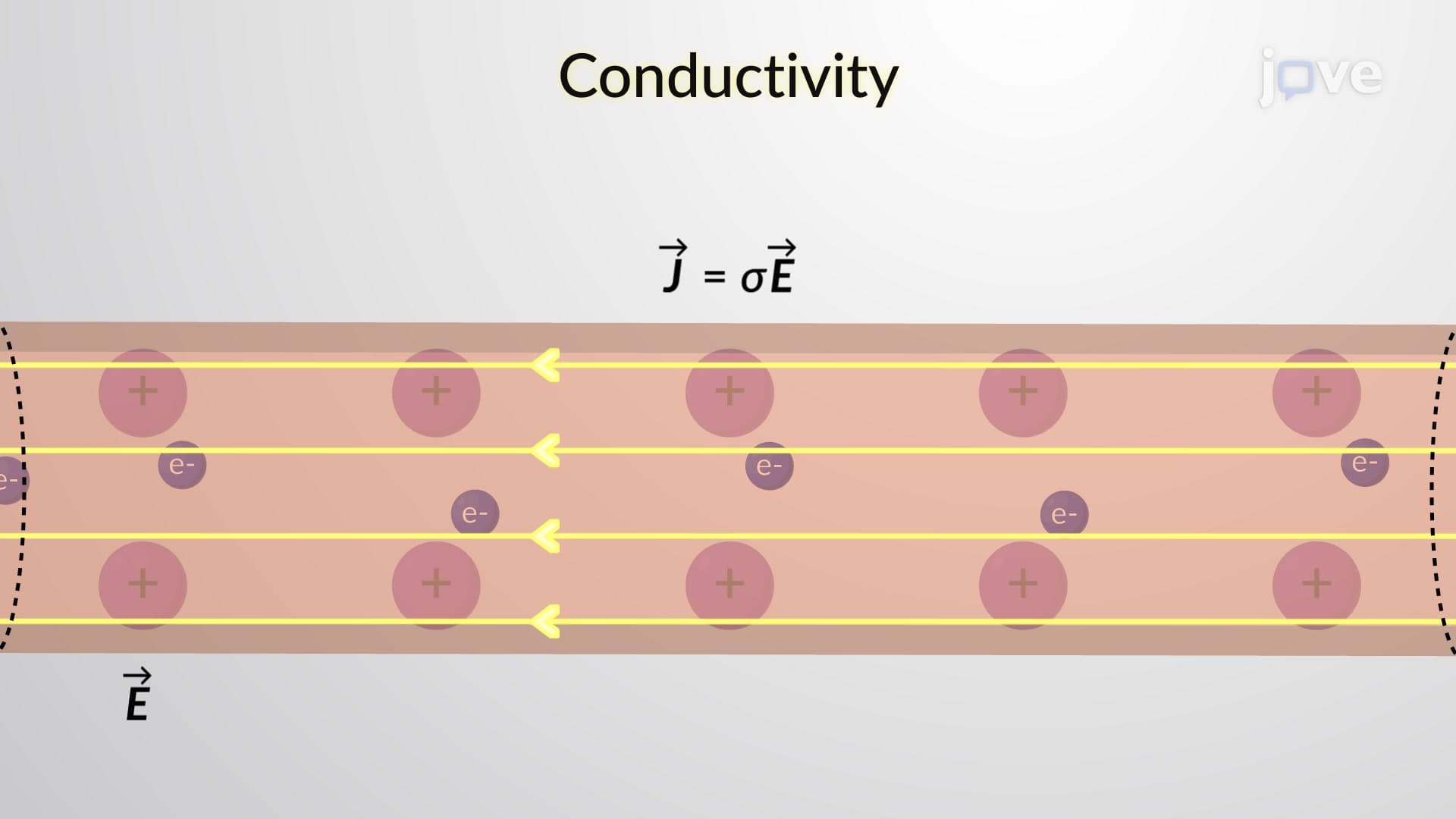

Video Summary: What Is Electrical Conductivity
Why can copper wire power your smartphone while rubber prevents electrical shocks? Electrical conductivity determines how easily electrons flow through materials, making it the fundamental property behind all electronic devices from Tesla's electric vehicles to NASA's spacecraft systems. Understanding what is electrical conductivity reveals why silver is used in high-end audio cables and why ceramic insulators protect power lines across American cities. This intrinsic material property governs current flow when electric fields are applied to conductors. Watch the full video on JoVE Coach to master this concept with expert-led visuals and step-by-step explanations.
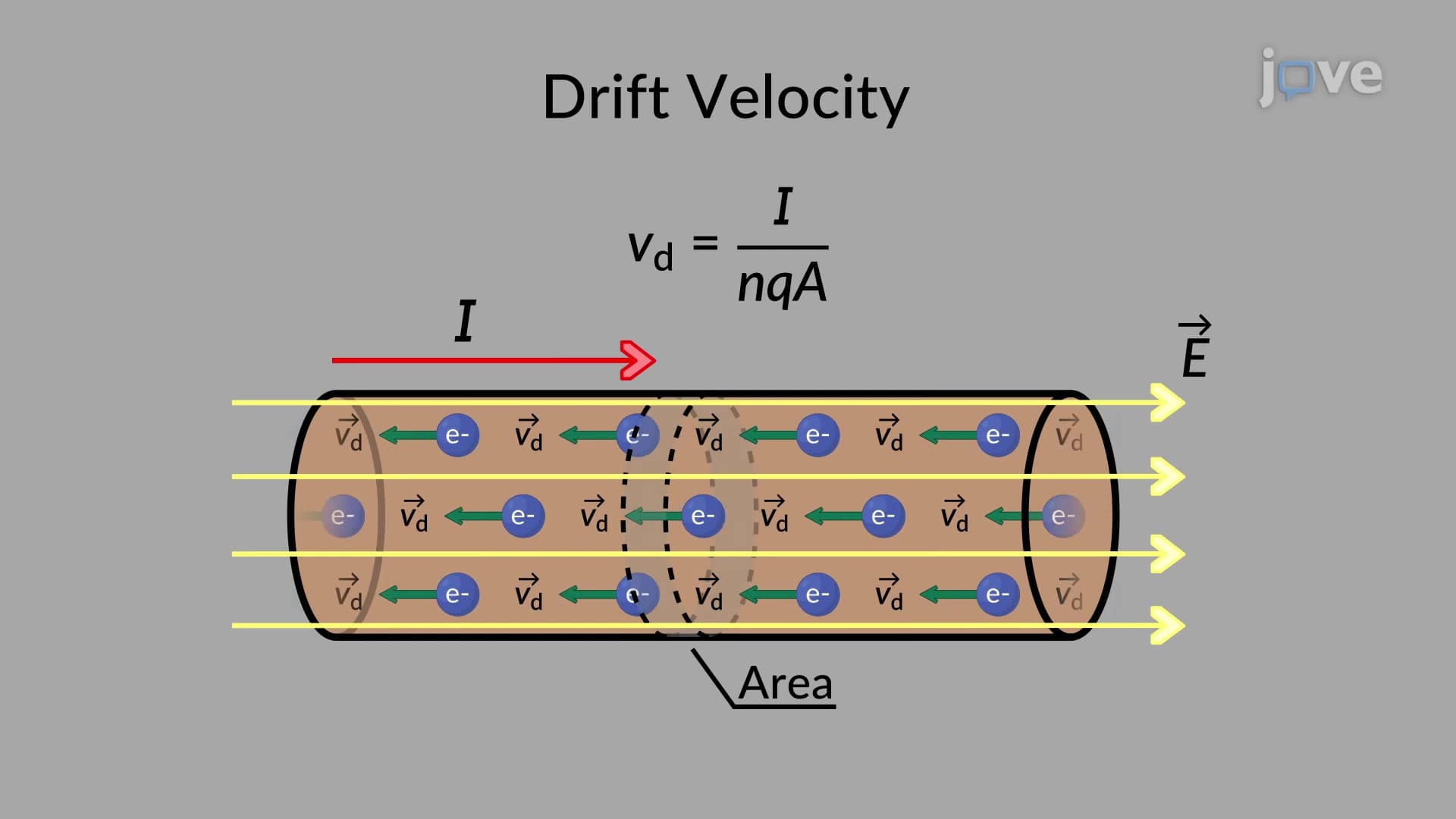
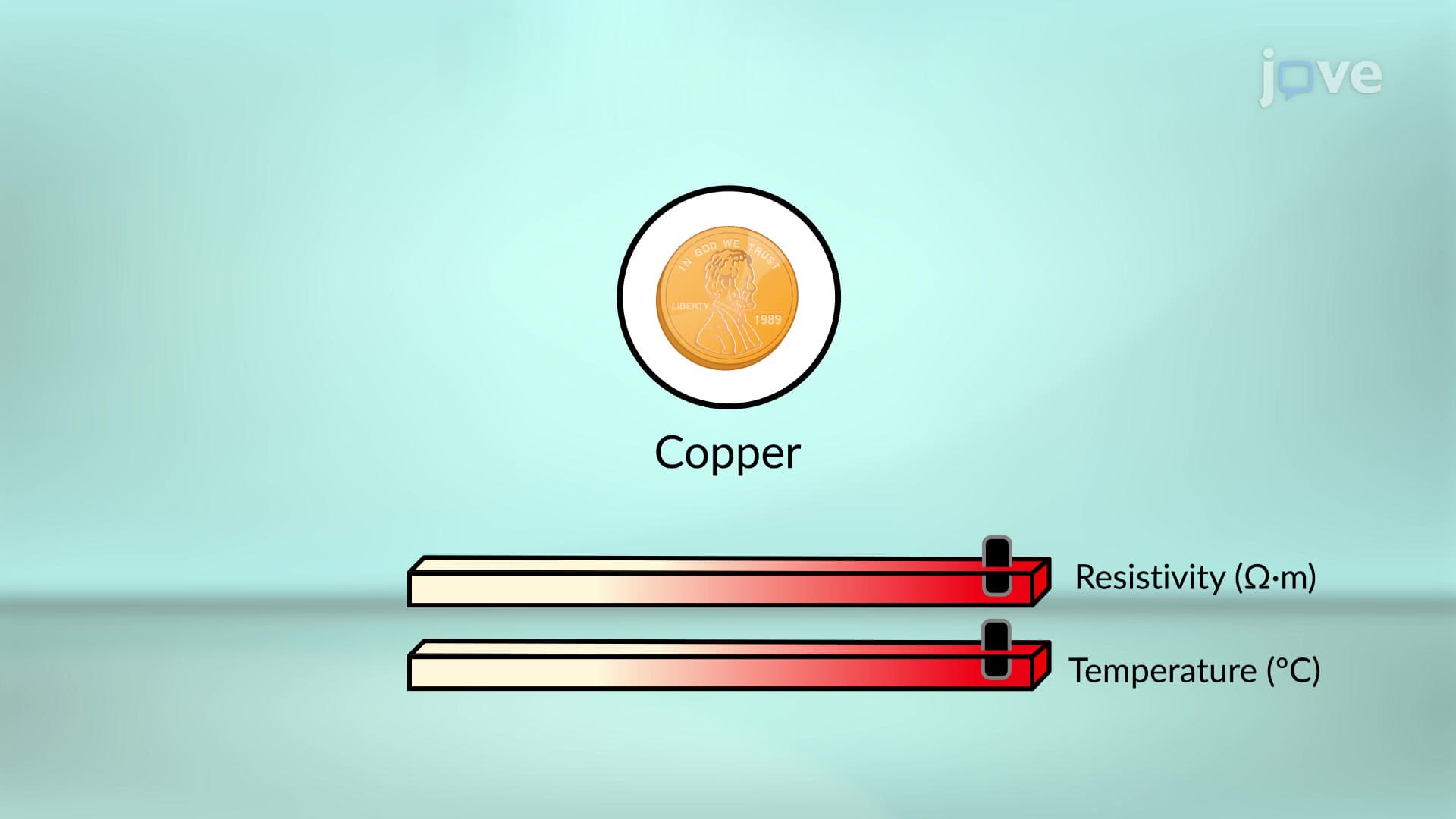
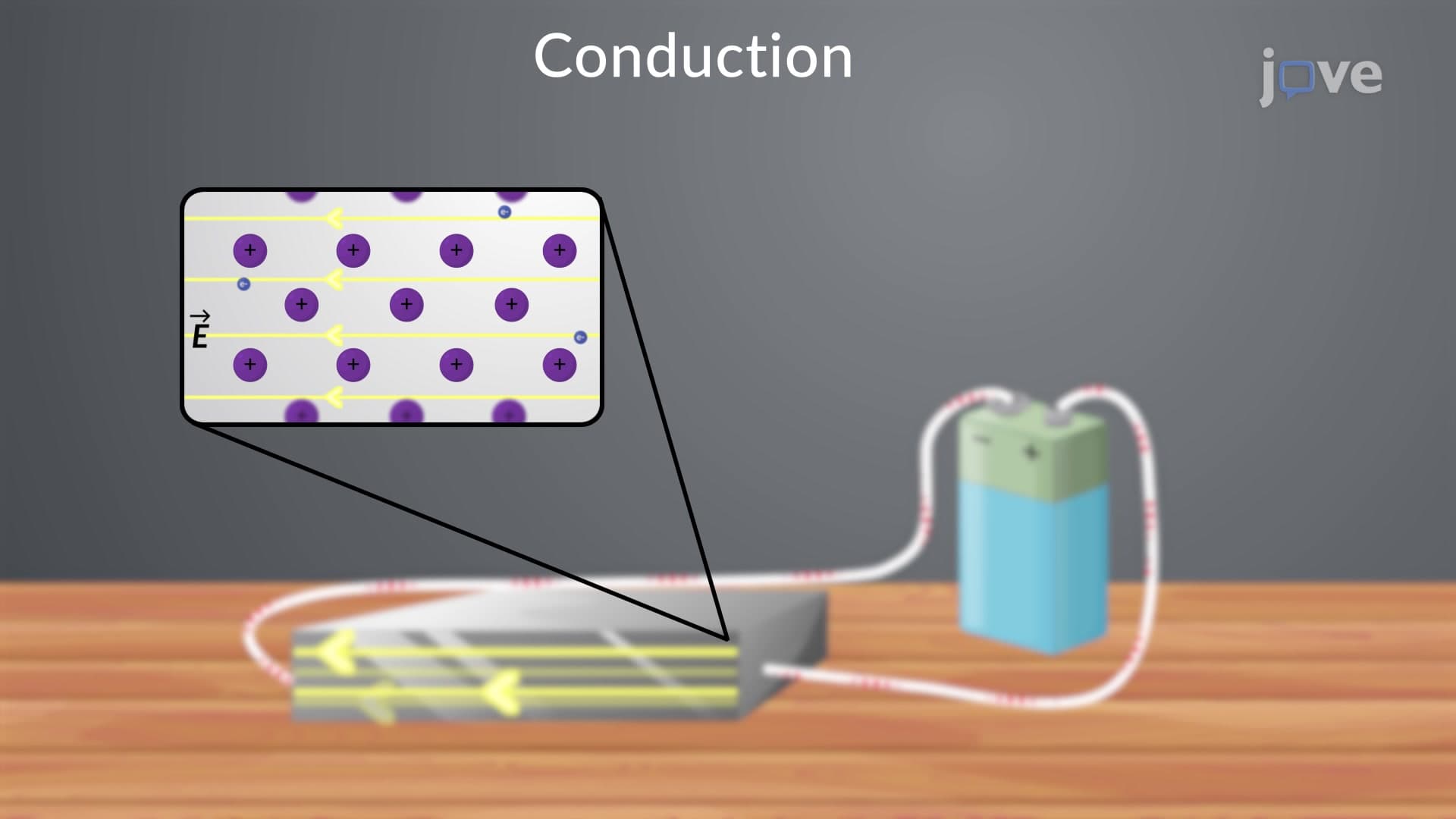
Electrical conductivity represents a material's intrinsic ability to allow electric current flow when subjected to an electric field. Unlike perfect theoretical conductors where electric fields equal zero internally, real-world materials exhibit finite conductivity values that determine their practical utility. In metals like copper used in American household wiring, free electrons move readily through the crystalline lattice when voltage is applied, creating measurable current flow.
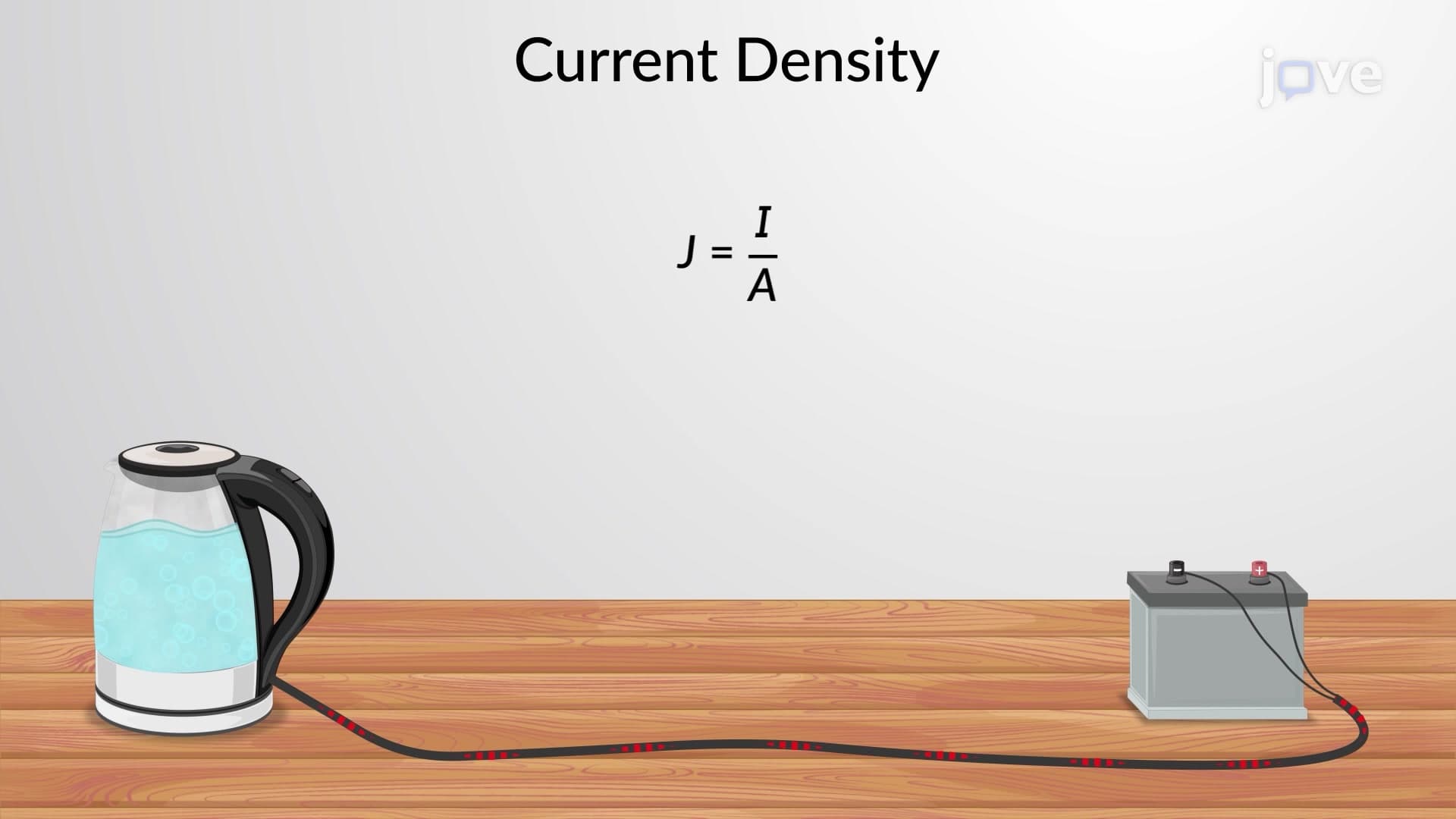
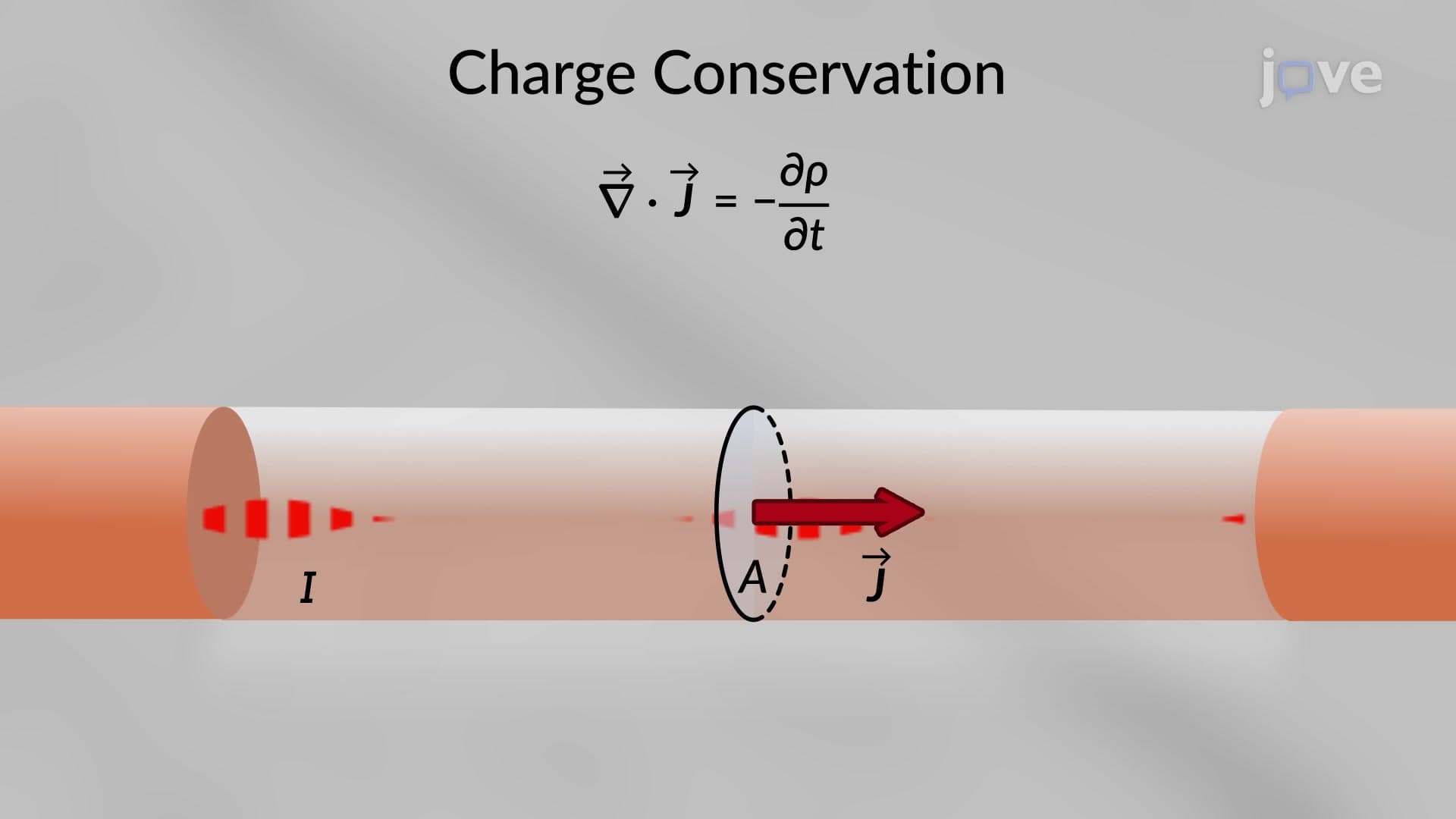
The fundamental relationship governing this behavior states that current density (J) is directly proportional to the applied electric field (E), with electrical conductivity (σ) serving as the proportionality constant: J = σE. This intrinsic property depends solely on the material's atomic structure and electron availability, remaining independent of the conductor's physical dimensions.
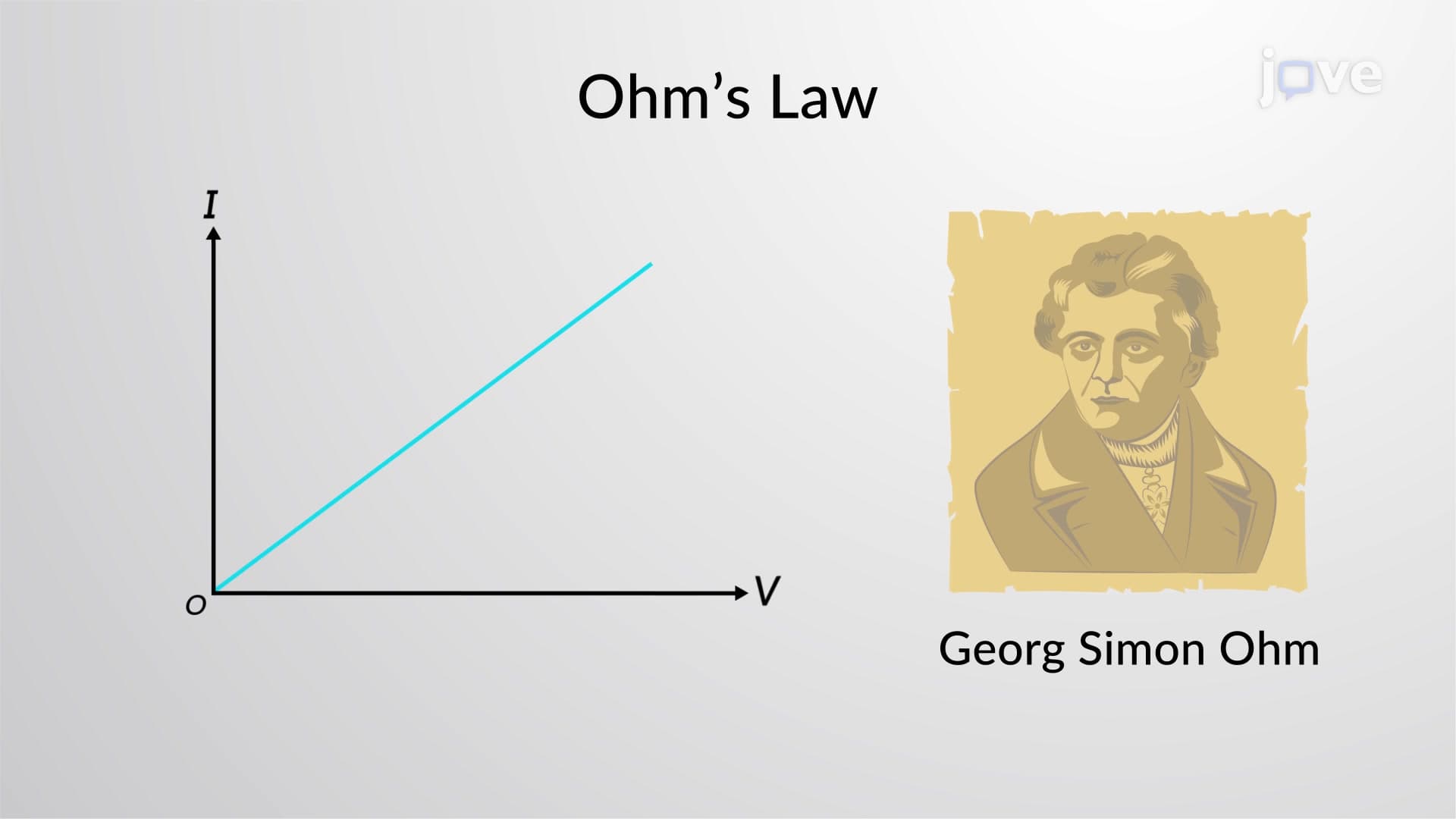
Students preparing for AP Physics or college-level courses encounter electrical conductivity through its relationship with resistance and resistivity. When current flows through a conductor's cross-sectional area, the resulting voltage drop across its length follows Ohm's law: V = IR. However, the deeper understanding comes from recognizing that resistance (R) depends on both intrinsic and geometric factors.
Resistance equals resistivity (ρ) times length (L) divided by cross-sectional area (A): R = ρL/A. Since resistivity is the inverse of conductivity (ρ = 1/σ), materials with high electrical conductivity exhibit low resistivity values. This relationship explains why power transmission lines use aluminum conductors despite copper's superior conductivity-aluminum's lower density and cost offset its reduced electrical performance.
American industries rely heavily on conductivity principles for material selection. Silicon Valley semiconductor manufacturers precisely control conductivity in computer chips through doping processes, while automotive engineers choose specific alloys for electric vehicle battery connections. Medical device manufacturers use biocompatible conductors in pacemakers, ensuring reliable electrical performance within human tissue.
The aerospace industry presents particularly demanding applications where NASA engineers must balance conductivity, weight, and environmental resistance. Spacecraft wiring harnesses use specialized copper alloys that maintain electrical performance despite extreme temperature variations and radiation exposure encountered during missions to the International Space Station.
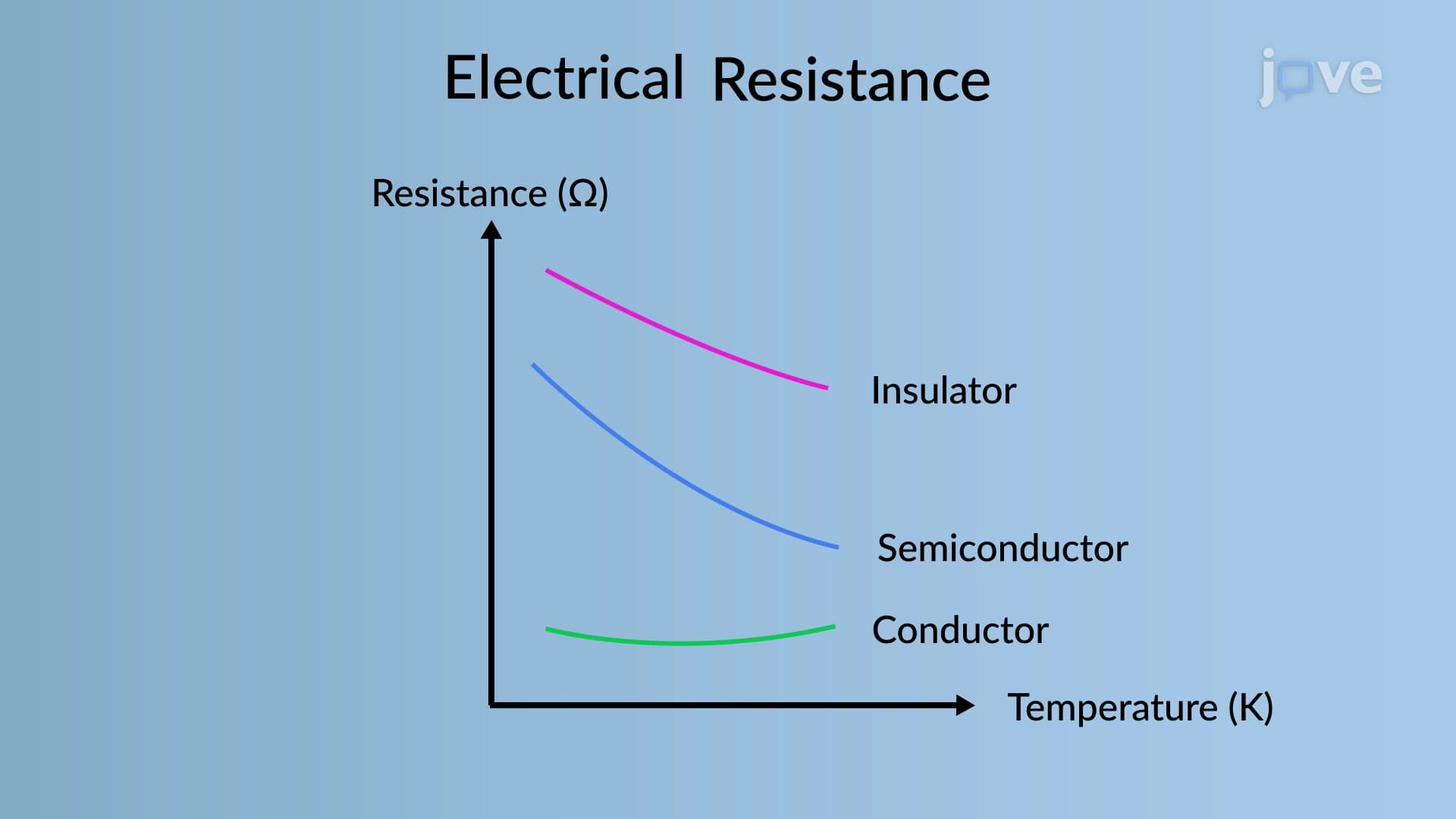
MCAT and AP Physics examinations frequently test conductivity concepts through quantitative problems involving current calculations and material comparisons. Students should master unit conversions between siemens per meter (S/m) and alternative conductivity units, while understanding how temperature affects conductivity in different material classes. Practice problems often require calculating current density given field strength and conductivity values, or determining appropriate conductor dimensions for specific current-carrying requirements.
Related Micro-courses