Loading video…


 13 Concepts
 43.2K views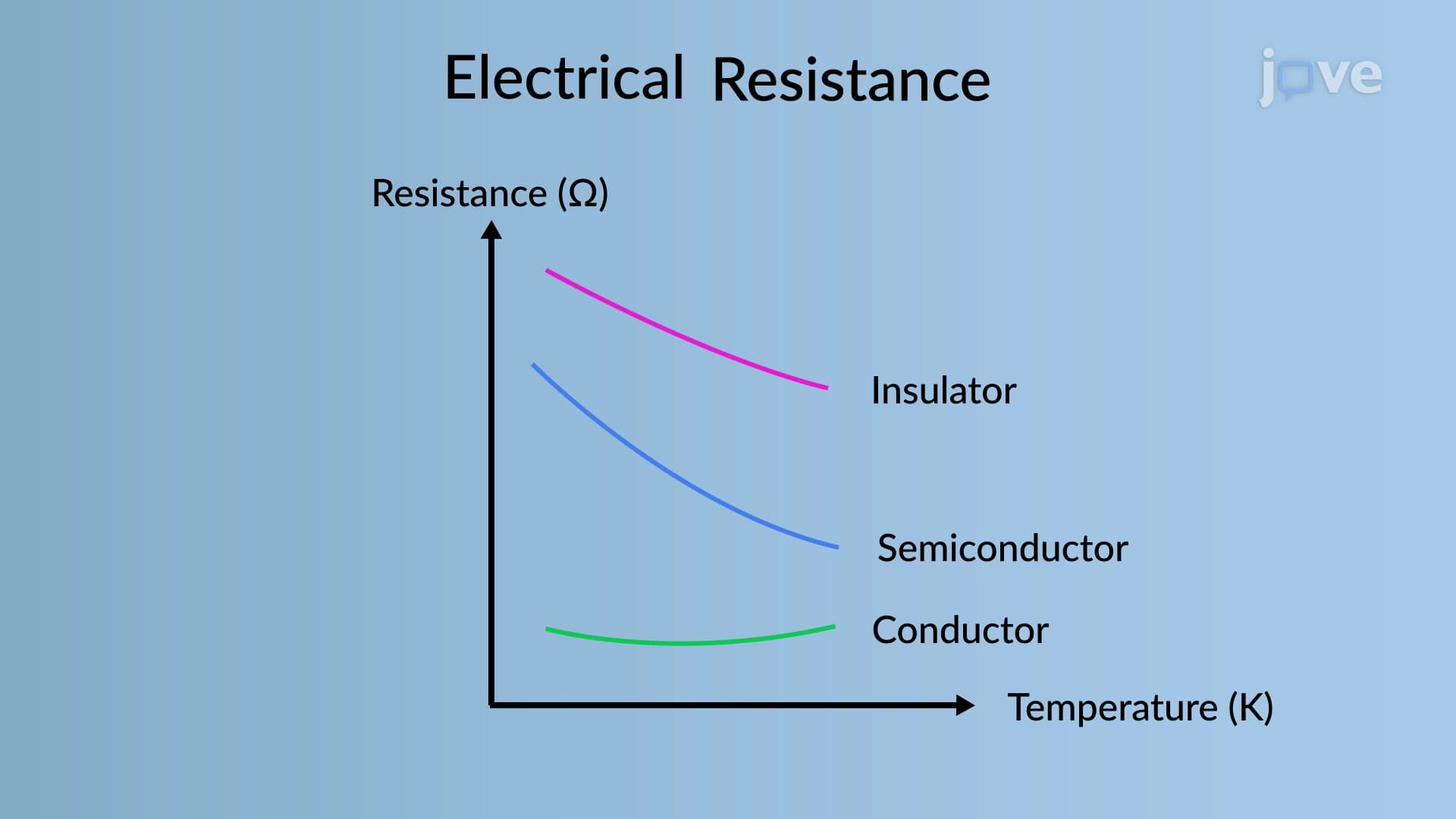

Video Summary: What Is Resistance
Ever wondered why your phone charger gets warm during use? Resistance causes electrons colliding with atoms in wires to generate heat, fundamentally limiting current flow in every electrical device. This electrical property, measured in ohms, determines how much a material opposes electron movement - from the copper wiring in Tesla charging stations to the heating elements in your home's electric stove. Understanding resistance is crucial for grasping how circuits control and distribute electrical energy safely. Watch the full video on JoVE Coach to master this concept with expert-led visuals and step-by-step explanations.
Resistance represents one of the most fundamental concepts in electrical engineering and physics, governing how electrical current behaves in every device from smartphones to power grids. When electrons flow through any material, they inevitably collide with atoms, creating opposition to their movement - this opposition is resistance. Think of it like traffic congestion: just as cars slow down when navigating through crowded streets, electrons face obstacles that impede their flow through conductors.
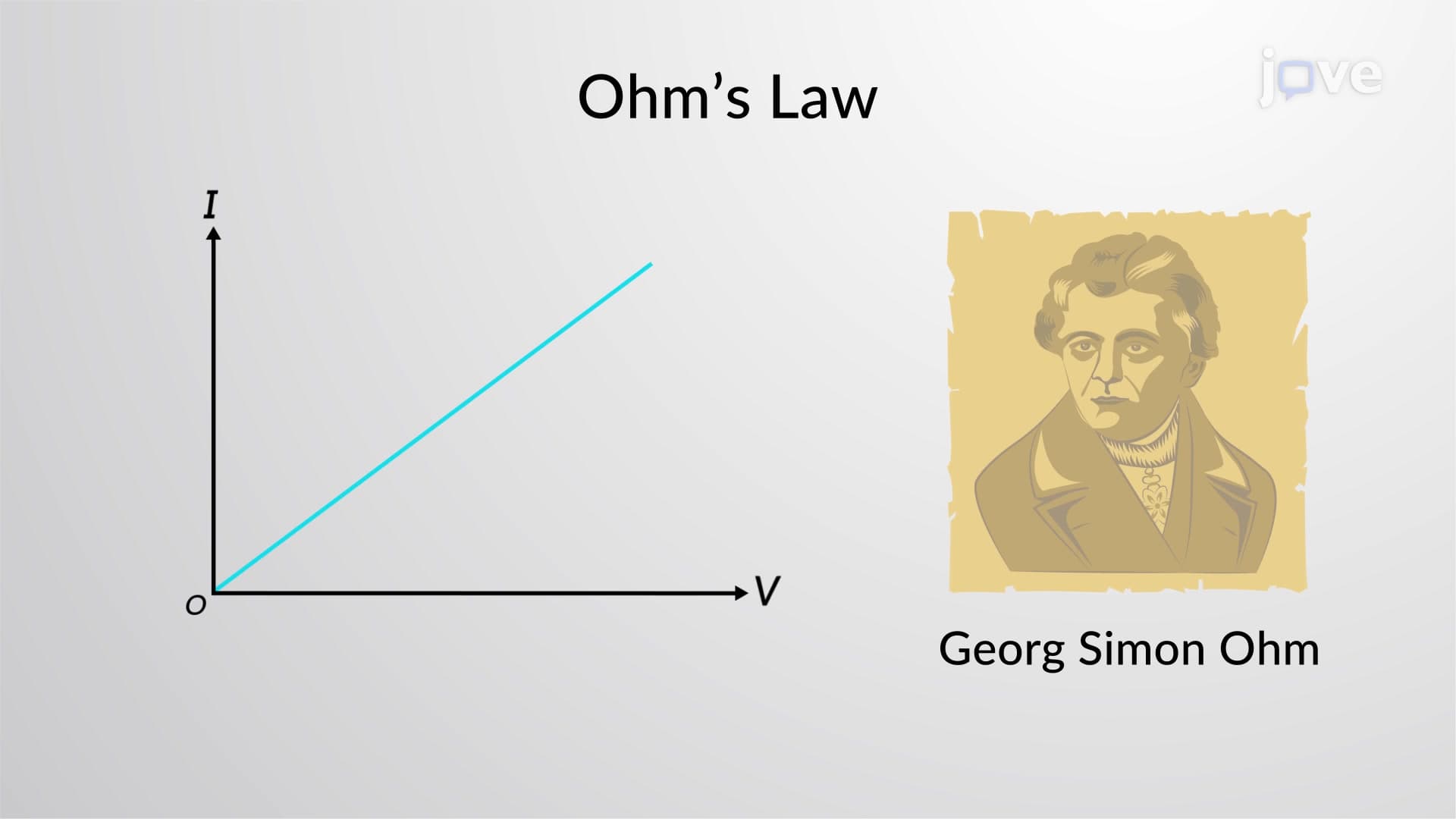
Mathematically, resistance follows Ohm's Law: R = V/I, where resistance (R) equals voltage (V) divided by current (I). This relationship appears constantly in AP Physics exams and college electrical engineering courses. For example, if a 12-volt car battery pushes 2 amperes through a headlight, the resistance equals 6 ohms. This fundamental equation helps engineers design everything from LED street lights in San Francisco to the electrical systems powering NASA's spacecraft.
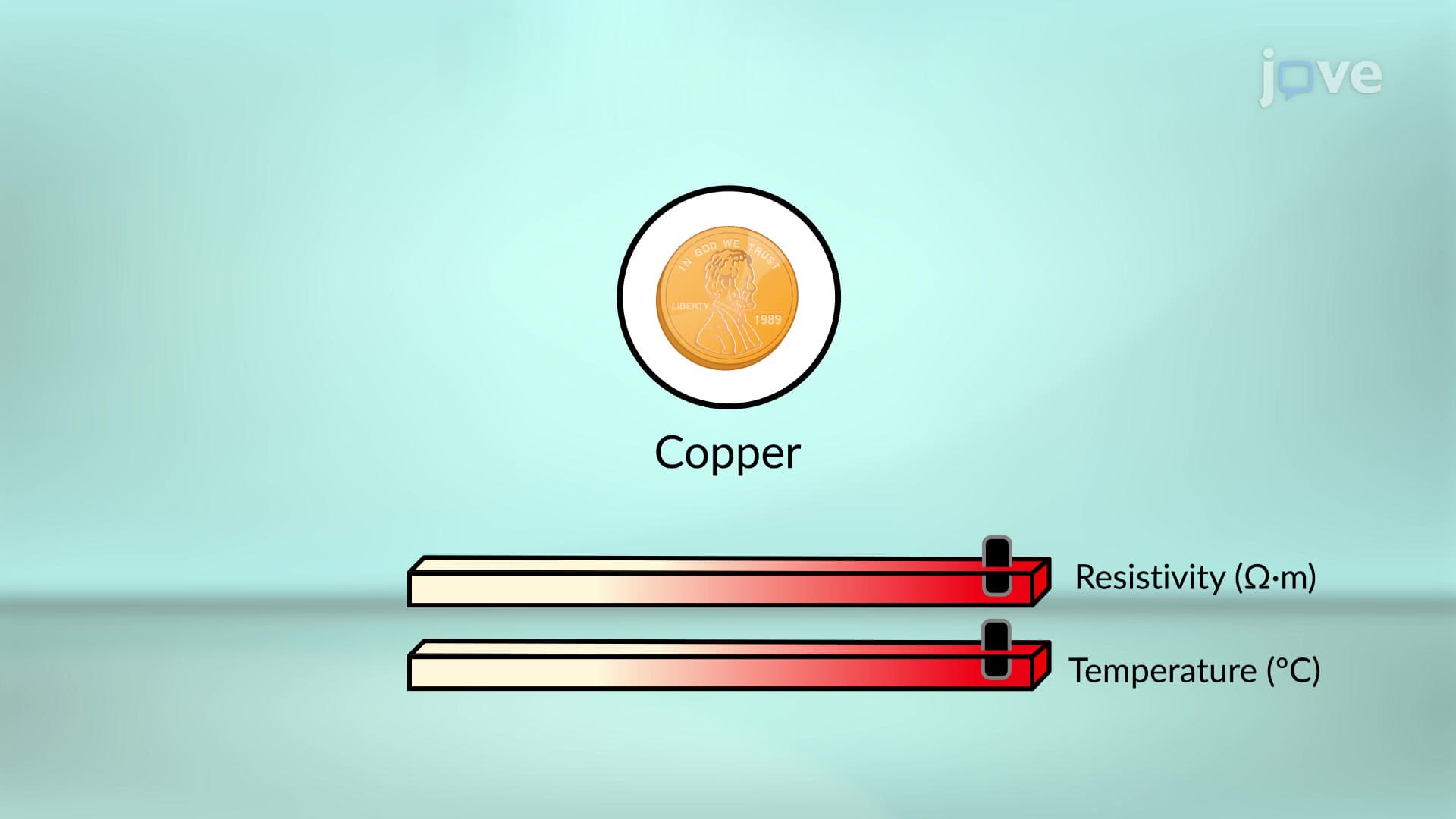
The resistance of any conductor depends on three key material factors: resistivity (ρ), length (L), and cross-sectional area (A), expressed as R = ρL/A. Resistivity is an intrinsic property - copper has low resistivity (excellent conductor), while rubber has high resistivity (excellent insulator). This explains why electrical utilities use thick copper cables for power transmission: increasing the cross-sectional area dramatically reduces resistance, minimizing energy loss over long distances between power plants and cities.
Real circuits require precise resistance control using manufactured resistors. The most common type uses carbon composite material wrapped around a ceramic core, chosen for its stability and cost-effectiveness. American electrical standards require specific resistor symbols, while international standards use different representations - both appear on standardized tests like the MCAT and engineering certification exams. The familiar color-band system allows technicians to quickly identify resistance values: red-red-brown-gold indicates 220 ohms with 5% tolerance.
Temperature significantly affects resistance in predictable ways. Most metals increase resistance as temperature rises, which explains why incandescent bulbs draw more current when first turned on (cool filament) versus steady-state operation (hot filament). This temperature dependence becomes critical in designing circuits for extreme environments, from automotive applications in Arizona summers to outdoor equipment in Alaska winters.
Related Micro-courses